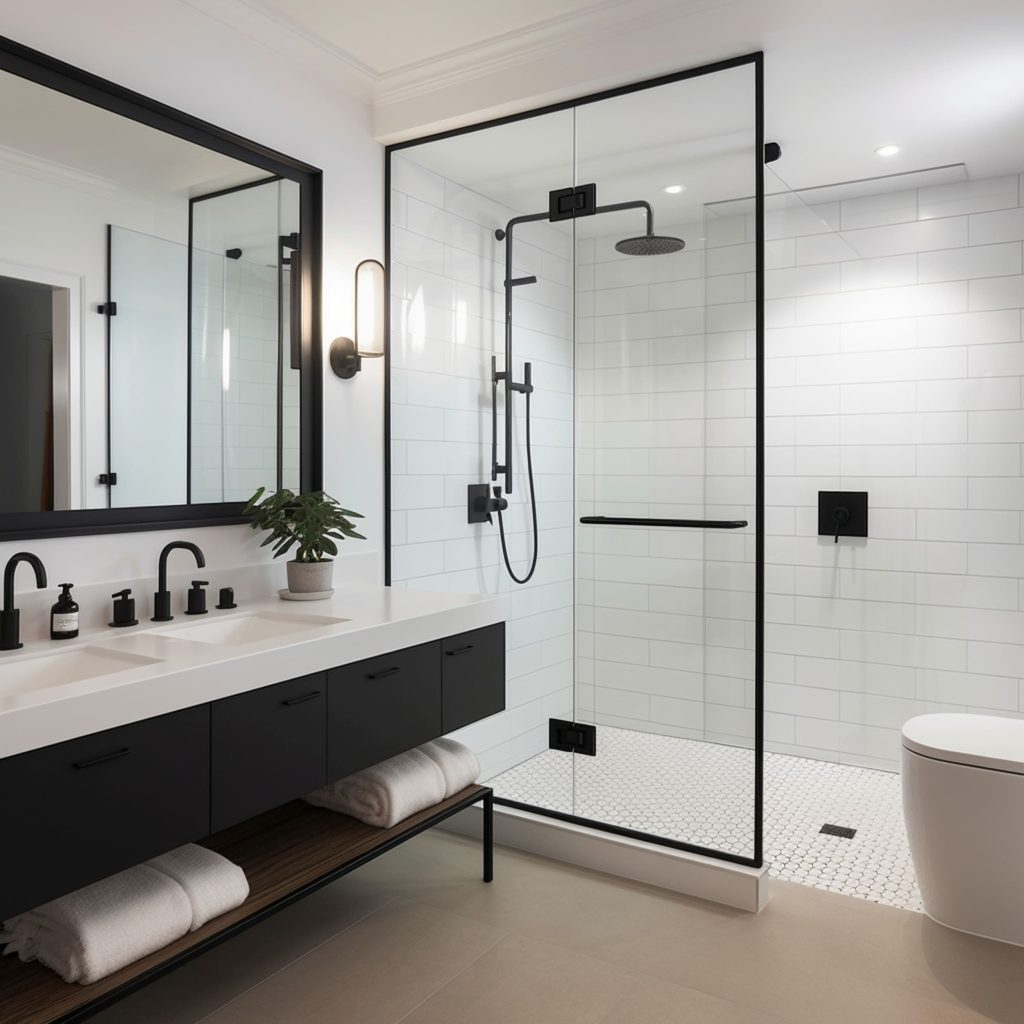
If you've been thinking about upgrading your bathroom, chances are you've considered a wall mounted faucet. These fixtures have become increasingly popular because they offer both style and functionality. But with so many options available, how do you choose the right one for your space? Let's explore the key factors that will guide you toward the perfect choice.
When it comes to bathroom upgrades, few elements can transform the look and feel of your space quite like a new faucet. Wall mounted faucets, in particular, have gained significant traction in recent years. They offer a sleek appearance that can elevate even the most basic bathroom setup. However, selecting the correct model requires understanding several important aspects. From installation requirements to design preferences, there are multiple considerations that influence your final decision. Let's break down what you need to know to make an informed choice.
Understanding Wall Mounted Faucet Types
There are several varieties of wall mounted faucets, each designed to suit different needs and aesthetic preferences. The most common types include single handle, double handle, and thermostatic models. Single handle faucets are incredibly user-friendly, allowing you to control both temperature and water flow with one simple movement. Double handle faucets provide more precise control, letting you adjust hot and cold water separately. Thermostatic faucets offer the ultimate in convenience, maintaining consistent water temperature even when other fixtures in your home are in use. Consider your daily routine and comfort preferences when deciding which type best suits your lifestyle.
Measuring Your Space Correctly
Before purchasing any faucet, accurate measurements are essential. You'll want to determine the distance between your wall studs, typically 16 inches apart, and measure the space where the faucet will be installed. Most wall mounted faucets require a minimum of 8 inches between the center of the faucet and the wall edge. Additionally, check the height of your sink and the clearance needed for proper operation. If you're replacing an existing fixture, take careful notes about the old faucet's dimensions and mounting requirements. A poorly measured installation can lead to issues with water pressure and overall functionality.
Material Matters for Durability
The material of your faucet significantly impacts its longevity and performance. Stainless steel is a popular choice due to its resistance to corrosion and rust. It's also easy to clean and maintain. Brass offers excellent durability and is often used in higher-end fixtures. However, brass can tarnish over time if not properly maintained. Chrome finishes are versatile and complement most bathroom designs. They're also resistant to scratches and wear. Consider your local water quality and how often you'll use the faucet when selecting materials. Hard water might necessitate more frequent cleaning or a different material choice.
Installation Requirements and Considerations
Installing a wall mounted faucet involves more than just unscrewing the old one and tightening the new one. You'll need to ensure your plumbing system can accommodate the new fixture. This includes checking water pressure, pipe connections, and whether additional support is needed for the wall. Some installations may require professional help, especially if you're dealing with older plumbing systems. Look for faucets that come with detailed installation instructions and all necessary hardware. Also consider the accessibility of your water supply lines and whether they're positioned correctly for the new faucet.
Design and Style Compatibility
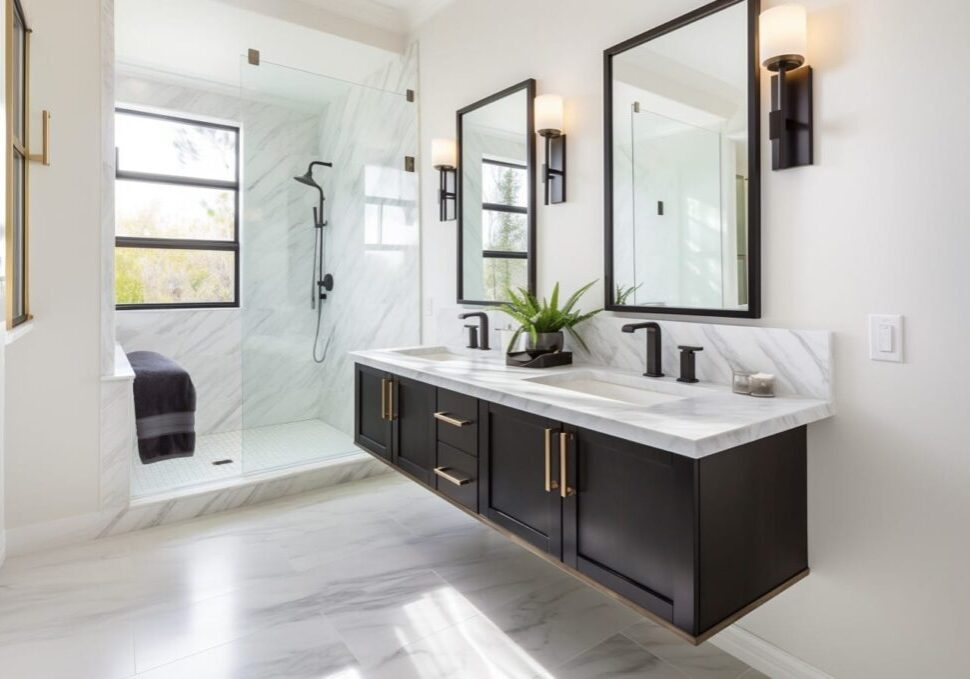
A faucet should blend seamlessly with your bathroom's overall design scheme. Modern minimalist bathrooms often pair well with sleek, brushed nickel or matte black finishes. Traditional spaces might benefit from vintage-style fixtures with ornate details. Contemporary bathrooms can showcase bold geometric shapes or innovative materials like glass or copper. Consider the size of your bathroom and how the faucet will fit within the visual balance. A large, ornate faucet in a small space might overwhelm the area, while a subtle design in a spacious bathroom could go unnoticed. Think about how the faucet will complement your existing fixtures and décor.
Budget Considerations and Value Factors
Faucet prices vary widely, from budget-friendly options to premium luxury models. Determine your budget range before shopping, keeping in mind that quality investments often pay off in longevity and performance. Higher-priced faucets typically offer better materials, more features, and extended warranties. However, affordable options can still provide excellent functionality and style. Read reviews and compare features to ensure you're getting good value for your money. Don't forget to factor in potential installation costs, especially if you need professional assistance. Sometimes, spending a bit more upfront saves money later on in repairs or replacements.
Choosing the right wall mounted faucet is a decision that combines practicality with personal taste. By considering factors like faucet type, measurements, materials, installation needs, design compatibility, and budget, you can find a fixture that enhances both the beauty and function of your bathroom. Take your time with the selection process, and remember that the right faucet can make a lasting impact on your daily routine and overall bathroom experience. Whether you're renovating or simply updating, investing in quality fixtures pays dividends in both satisfaction and long-term value.

Related Posts
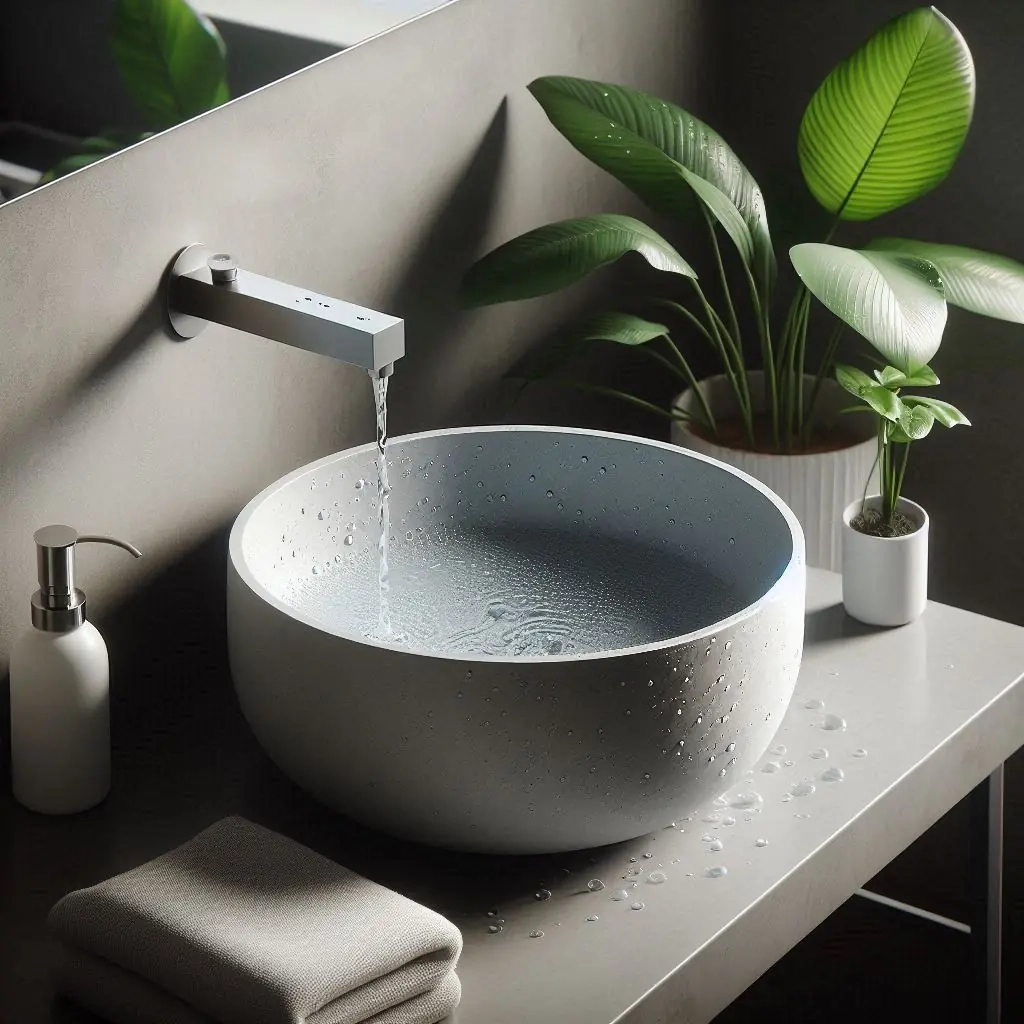
How Ceramic Vessel Sinks Enhance Bathroom Aesthetics and Functionality
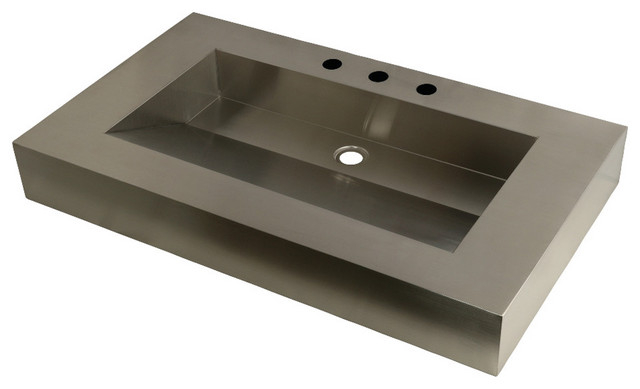
Design and Durability Analysis of the Kingston Brass GLTS37225 Brushed Basin
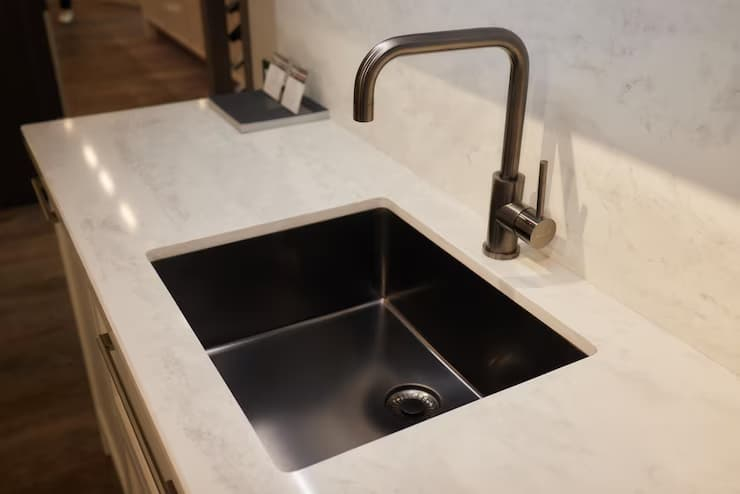
Choosing the Perfect Small Undermount Sink for Your Home Decor
Material Durability and Maintenance of Kingston Brass VPB24187W4 Ceramic Sink
Expert Insights on Choosing the Right Sink for Your Bathroom Renovation