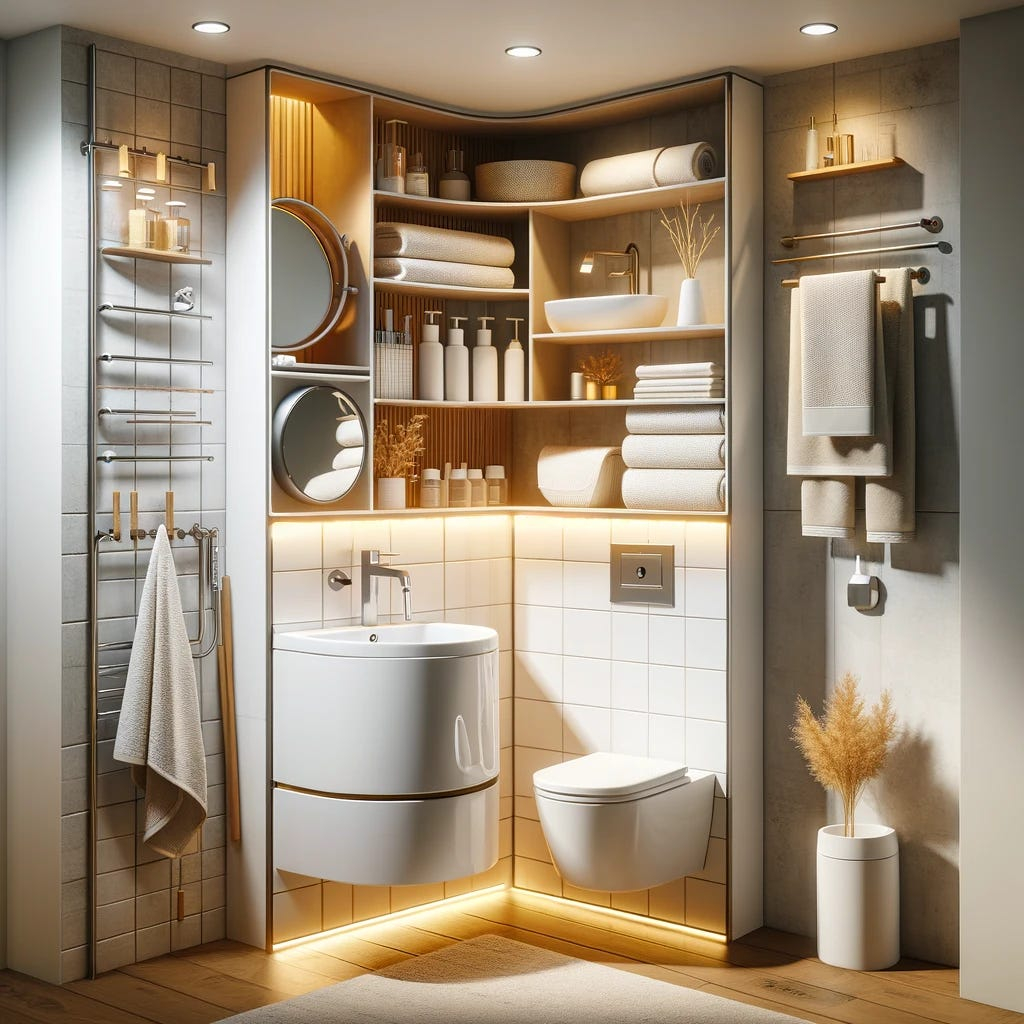
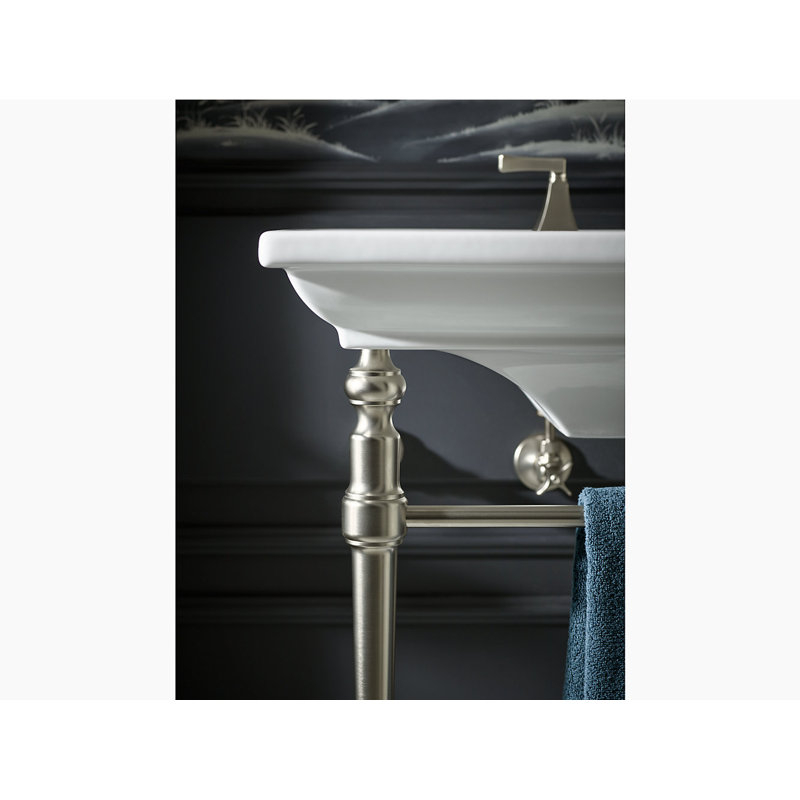
When you hold a Kohler fixture, you're not just touching metal or ceramic. You're experiencing centuries of craftsmanship, passed down through generations of artisans. The Memoirs Collection represents the pinnacle of this tradition, where each piece tells a story of dedication, skill, and timeless beauty.
Kohler's Memoirs Collection isn't just another line of bathroom fixtures. It's a celebration of artisanal excellence that transforms ordinary spaces into extraordinary experiences. These aren't mass-produced items designed for speed and cost-efficiency. Instead, they're carefully crafted pieces that require patience, skill, and an unwavering commitment to quality. What makes these collections truly special isn't just their appearance, but the stories embedded within every curve and contour. Each fixture carries the weight of tradition, the spirit of innovation, and the heart of those who dedicate their lives to perfecting their craft.
The Foundation of Excellence
Every masterpiece begins with the right materials. Kohler's artisans start with premium metals like brass and copper, sourced from trusted suppliers who understand the importance of quality. These aren't just random materials thrown together - they're carefully selected based on their ability to withstand time and usage while maintaining their beauty. The brass used in these collections often comes from specific mines known for their consistent properties. It's not just about strength; it's about how the material responds to shaping, polishing, and aging. The right foundation ensures that the final product will age gracefully, developing a patina that adds character rather than detracting from it. This attention to source material shows in the way the pieces feel in hand, the way they catch light, and how they maintain their luster over decades of daily use.
Traditional Techniques Meets Modern Precision
Artisan craftsmanship at its finest involves blending ancient methods with contemporary technology. Many of the processes used in creating these pieces have remained unchanged for centuries. Hand-finishing, for example, still plays a crucial role in achieving the perfect surface texture. Yet modern machinery ensures consistency across all pieces while allowing for precise measurements that would be impossible to achieve manually. Imagine a craftsman using traditional casting techniques to create the basic form, then employing computer-controlled polishing equipment to achieve uniformity. The result? Pieces that maintain the warmth and personality of handmade work while meeting today's standards for durability and performance. Some artisans still use hammering techniques passed down through generations, creating subtle variations that make each piece unique. These techniques might seem old-fashioned, but they produce results that modern manufacturing simply cannot replicate.
The Human Touch in Every Element
What separates these collections from mass-produced alternatives is the undeniable presence of human hands. Even when machines handle most of the work, the final touches are always applied by skilled artisans. They inspect each piece for imperfections, add the finishing details that bring designs to life, and ensure that no two items are exactly alike. This is where the soul of the collection lives. Consider the way a single faucet might have hundreds of tiny adjustments made by hand - from the exact angle of the spout to the smoothness of the finish. These aren't cosmetic changes; they're functional improvements that affect how the piece works daily. An artisan might spend hours perfecting a single component, ensuring that it meets both aesthetic and practical requirements. The end result is something that feels personal, almost like a custom creation.
Design Philosophy and Storytelling
Each piece in the Memoirs Collection carries a narrative beyond its physical attributes. Designers draw inspiration from historical periods, natural elements, and cultural motifs to create pieces that speak to our shared human experience. The curves might echo Victorian elegance, while the functionality reflects modern needs. This balance between past and present creates fixtures that feel both familiar and fresh. Think about how a particular collection might reference 18th-century European design while incorporating contemporary ergonomics. The designers don't just copy old styles; they reinterpret them for today's lifestyles. The result is a visual conversation between eras, where each element contributes to a larger story about how we live, work, and find beauty in our daily routines.
Quality Control and Testing Standards
The journey from concept to completion involves rigorous testing and evaluation. Each piece goes through multiple stages of inspection, checking everything from structural integrity to water resistance. These aren't casual checks; they're thorough examinations that mirror the care taken during construction. Some fixtures undergo stress tests that simulate years of daily use in a matter of weeks. Pressure testing ensures that components won't fail under normal conditions. Temperature cycling verifies that materials won't crack or warp due to thermal expansion. These tests aren't just about preventing failures; they're about building confidence in the longevity of the products. The goal is to create fixtures that will serve families for generations, reducing the need for replacements and repairs.
Training and Apprenticeship Programs
The skills required to create these collections don't happen overnight. Many artisans begin their careers as apprentices, learning the trade through hands-on experience and mentorship. These programs aren't just about teaching techniques; they're about instilling values of craftsmanship, attention to detail, and pride in one's work. Young craftsmen spend months learning basic operations before moving on to more complex tasks. They study the history of their craft, understanding how their work fits into broader traditions. The learning process is both technical and philosophical, covering not just how to make something but why certain approaches are better than others. Some workshops even teach traditional skills that are rarely practiced elsewhere, preserving knowledge that might otherwise disappear.
Sustainability and Longevity in Design
Modern craftsmanship also considers environmental impact and long-term value. Kohler's approach to sustainability means creating products that last longer, reducing waste and the need for frequent replacement. This philosophy influences everything from material selection to production methods. Designers consider how pieces will age and whether they can be easily maintained or repaired. The emphasis is on creating timeless designs rather than trendy pieces that quickly become outdated. When a fixture lasts for decades, it reduces the environmental burden of constant replacement. This approach also makes economic sense for consumers who invest in pieces that provide value over many years. The initial cost may seem high, but the long-term savings and reduced environmental impact make it a wise choice.
The Journey From Workshop to Home
The final step in bringing these collections to market involves careful packaging and shipping. Artisans understand that the experience doesn't end when a piece leaves the workshop. They ensure that items arrive safely, ready for installation and enjoyment. Packaging is designed to protect the delicate surfaces and finishes that make these pieces special. This attention to transport matters because it affects how customers first encounter the products. The journey from workshop to home is just as important as the journey from idea to creation. It's about respecting the investment customers make and honoring the craftsmanship that went into each piece. Every delivery is treated with the same care that was given during the creation process.
Customer Experience and Support
Beyond the initial purchase, Kohler provides ongoing support that reflects their commitment to craftsmanship. Customers receive detailed installation instructions, warranty information, and access to skilled service professionals. This support system recognizes that proper care extends the life of these pieces. Many owners appreciate having access to maintenance advice and repair services that keep their investments functioning properly. The company understands that great craftsmanship deserves great support. This relationship between manufacturer and consumer helps preserve the value of these pieces over time. It also builds loyalty among customers who appreciate companies that stand behind their products.
Evolution and Innovation in Tradition
While honoring traditional methods, Kohler continues to innovate within the constraints of artisanal craftsmanship. New technologies help improve efficiency without sacrificing quality. Digital modeling allows designers to test concepts quickly before physical prototypes are created. Advanced finishing techniques provide new possibilities for textures and colors. However, these innovations never overshadow the fundamental principles of craftsmanship. The focus remains on creating pieces that feel good to use and look beautiful in any setting. This balance between tradition and progress keeps the collections fresh and relevant while maintaining their core appeal. Each new addition builds upon established principles rather than abandoning them entirely.
The Memoirs Collection represents far more than decorative fixtures. It embodies a philosophy that values quality over quantity, craftsmanship over convenience, and heritage over trends. Every piece tells a story of dedication, skill, and the belief that well-made objects enhance our daily lives. When you choose these collections, you're not just buying products; you're investing in a tradition that connects us to our past while inspiring our future. The artisans who create these pieces understand that their work becomes part of your story, adding character and beauty to your home for years to come. Their commitment to excellence shows in every detail, from the initial concept through final installation. These aren't just collections of fixtures - they're heirlooms waiting to be discovered and cherished.
Related Posts
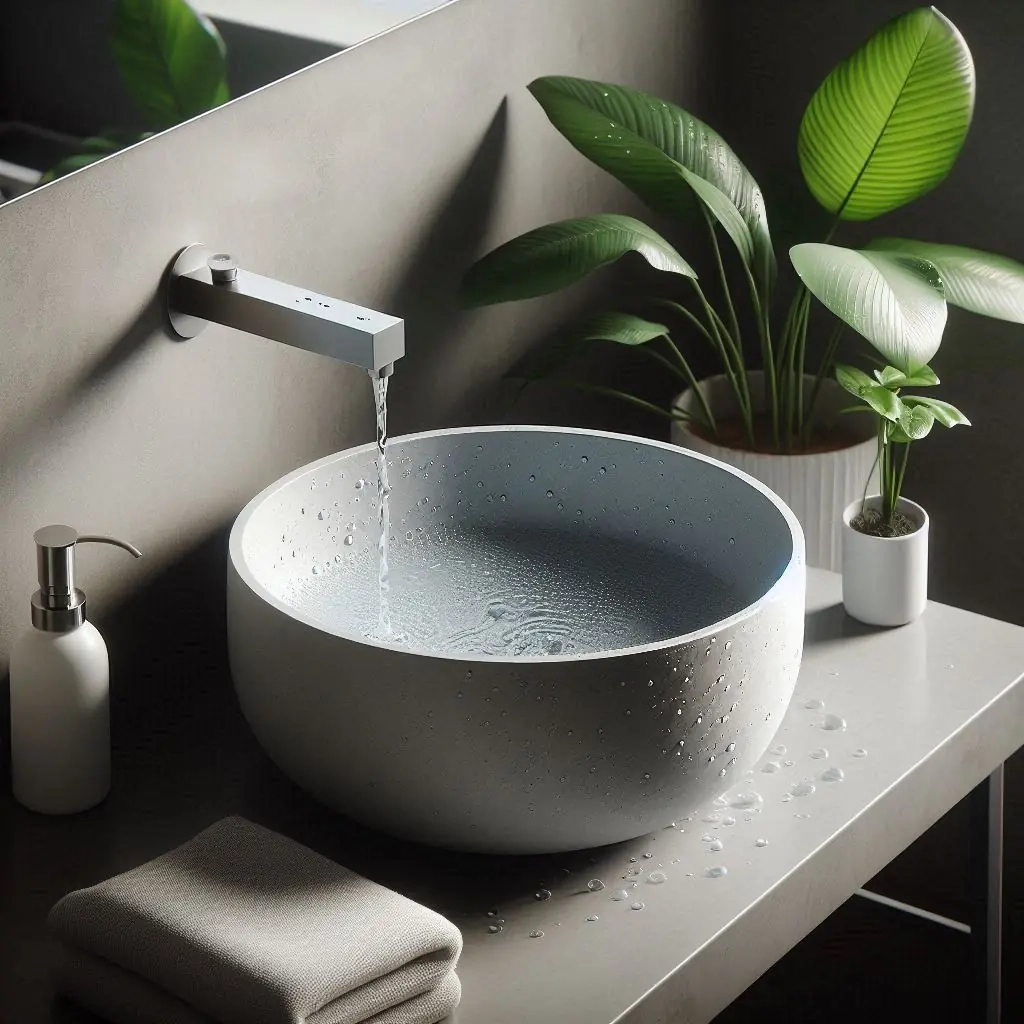
How Ceramic Vessel Sinks Enhance Bathroom Aesthetics and Functionality
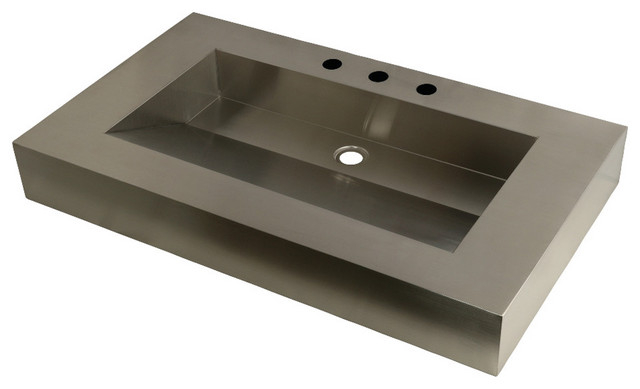
Design and Durability Analysis of the Kingston Brass GLTS37225 Brushed Basin
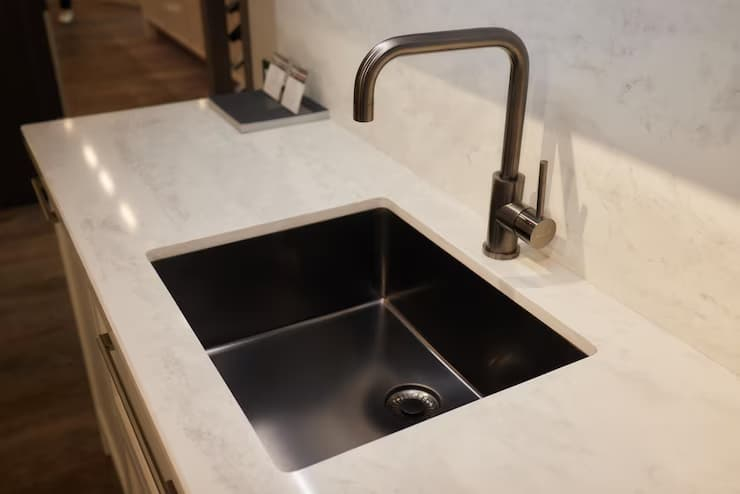
Choosing the Perfect Small Undermount Sink for Your Home Decor
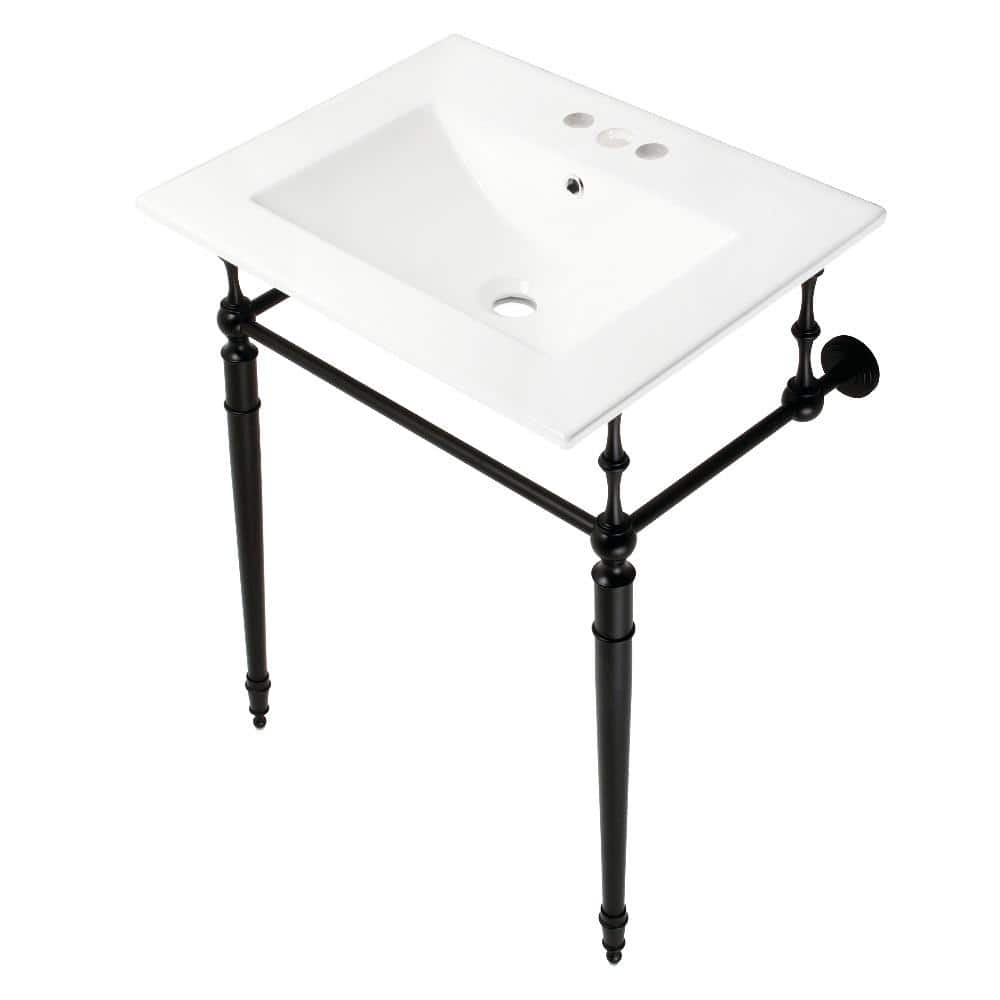
Material Durability and Maintenance of Kingston Brass VPB24187W4 Ceramic Sink
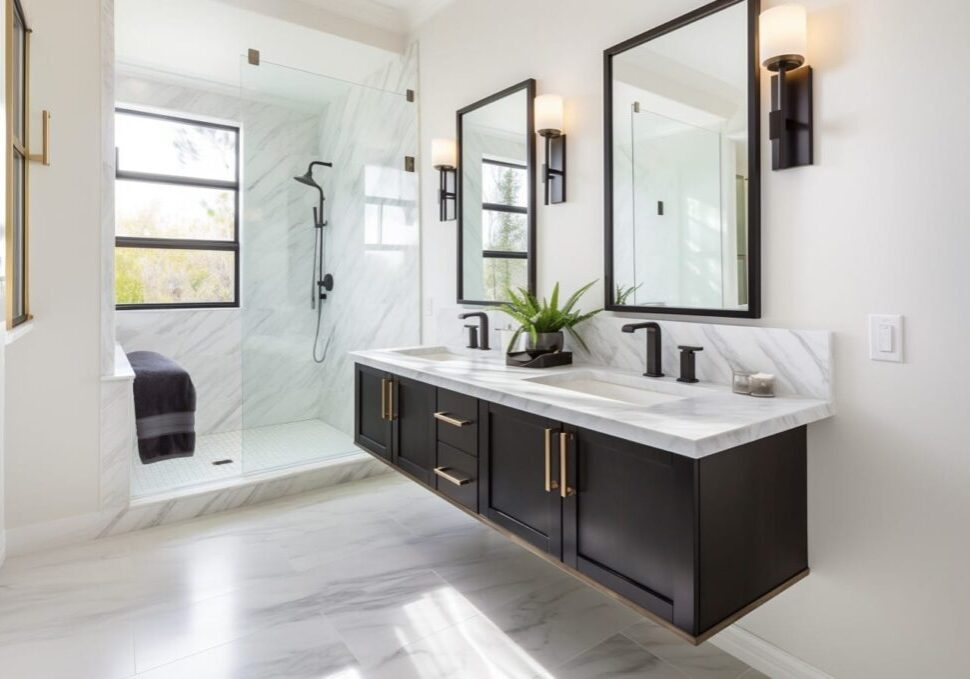
Expert Insights on Choosing the Right Sink for Your Bathroom Renovation