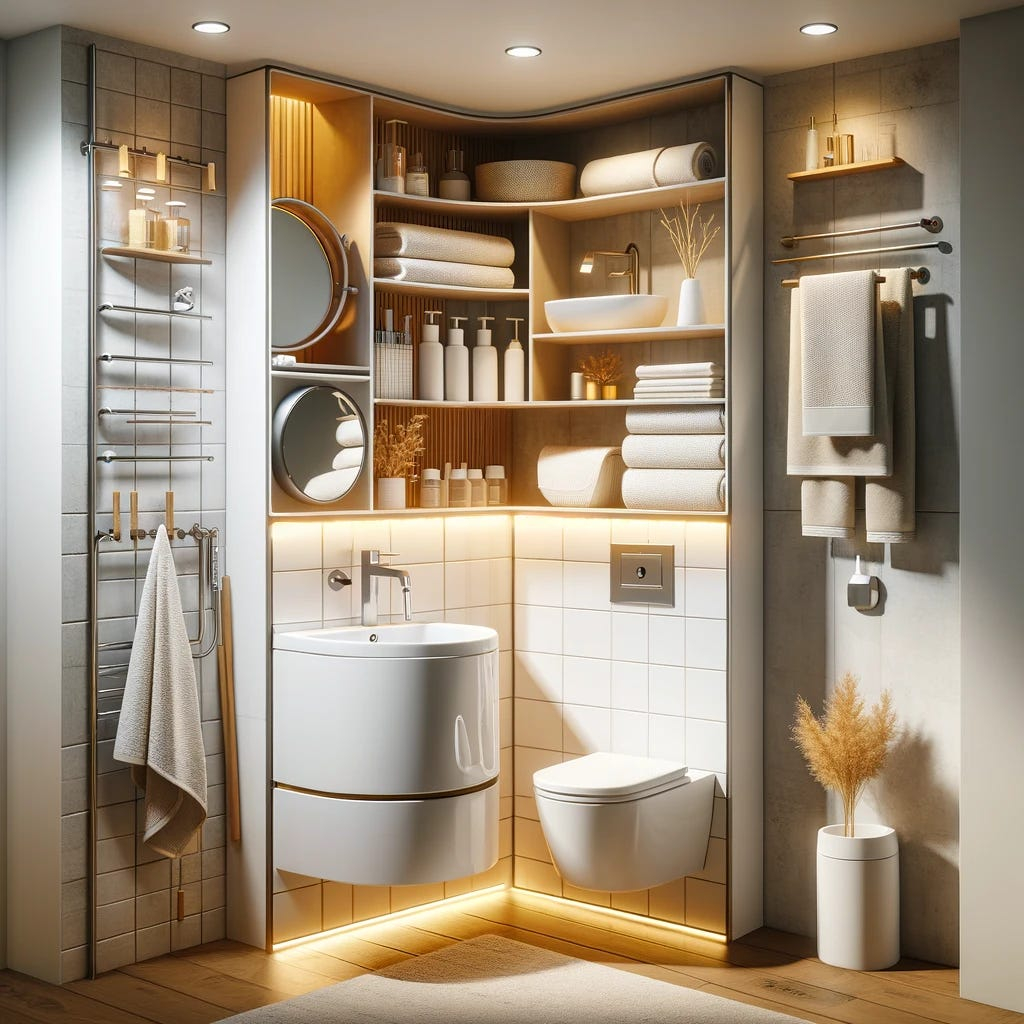
When it comes to bathroom renovations, few materials offer the perfect blend of beauty and functionality that engineered stone provides. It's not just about looking good – it's about choosing something that will stand the test of time, resist daily wear, and enhance your space. Whether you're planning a complete overhaul or just updating a single feature, understanding how to select quality engineered stone can make all the difference in your final result.
Bathrooms are unique spaces where form meets function in ways that demand careful material selection. Engineered stone has emerged as one of the most popular choices for bathroom applications, offering advantages that natural stone simply cannot match. But with so many options available, how do you know which one is right for your needs? This guide explores everything from the fundamental properties of engineered stone to practical considerations that will help you make an informed decision. Think of this as your roadmap to choosing the perfect material for your bathroom transformation.
Understanding Engineered Stone Basics
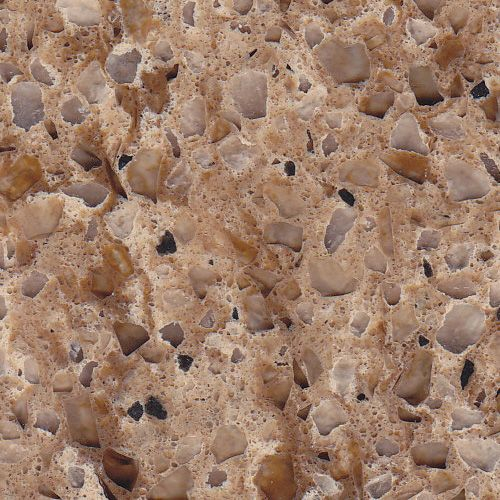
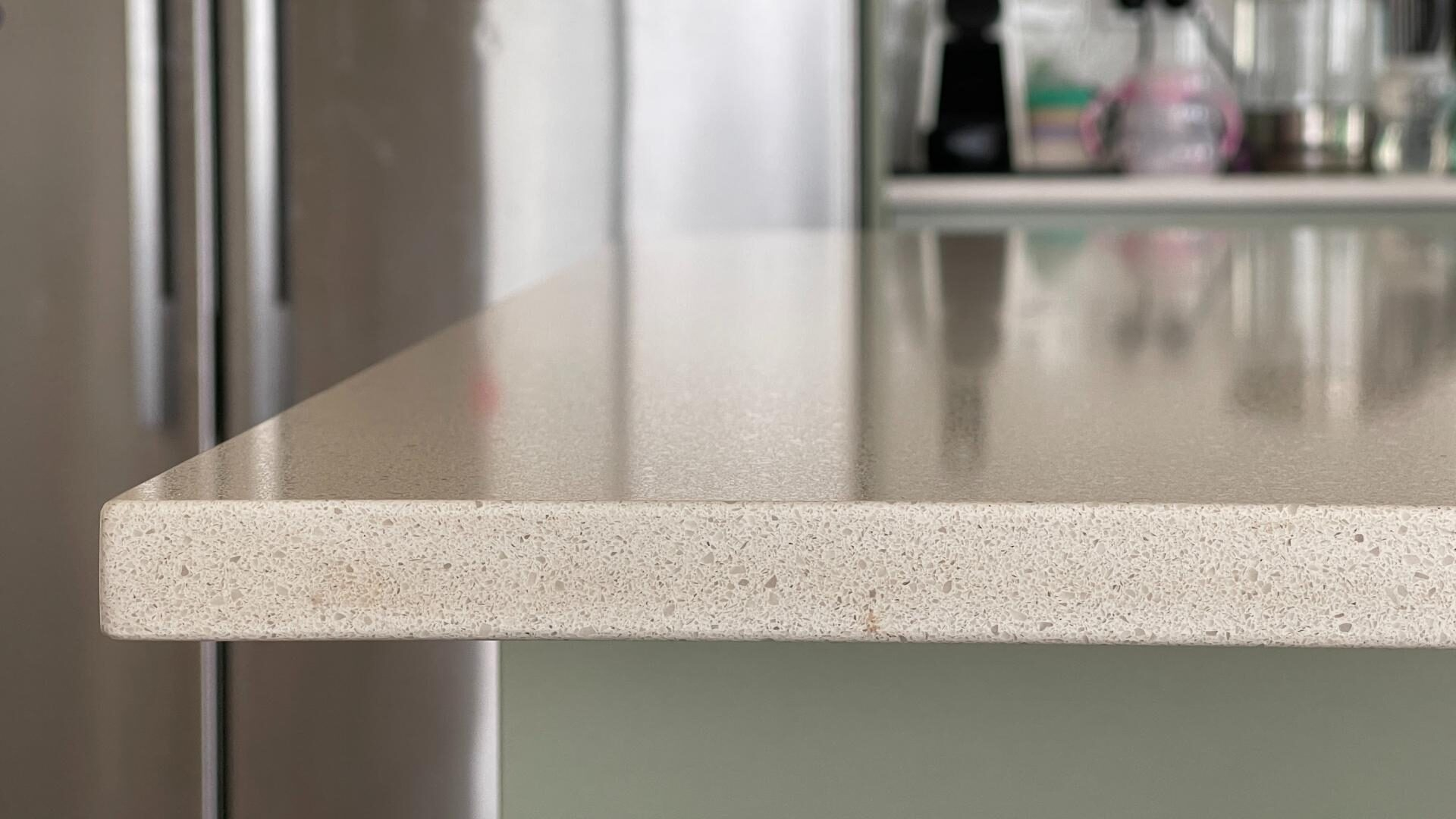
Engineered stone isn't just another name for man-made materials. It's actually a carefully crafted composite that combines natural minerals with polymer resins and pigments. The result is a material that retains the aesthetic appeal of natural stone while offering enhanced durability and consistency. Unlike natural stone, which can have unpredictable variations in color and pattern, engineered stone provides uniformity across batches. This makes it particularly appealing for bathroom applications where matching and consistency matter. The manufacturing process involves compressing crushed stone particles with resin binders under high pressure, creating a dense, stable surface that's both beautiful and practical. The key advantage here is that you get the look of marble or granite without many of the drawbacks associated with natural stone.
Key Properties to Evaluate
When assessing engineered stone for bathroom use, several critical characteristics deserve attention. Water resistance stands out as perhaps the most important factor. Since bathrooms are inherently humid environments, you want a material that won't absorb moisture or show water stains. Look for products with low porosity ratings – typically below 0.5%. Scratch resistance matters too, especially if you plan to use the surface for daily activities like shaving or applying makeup. Most quality engineered stones score well in this area, though some are more durable than others. Stain resistance is equally vital. You'll want to see how well the material handles common bathroom substances like soap, shampoo, and even red wine or coffee. Thermal shock resistance becomes important when considering hot water fixtures or steam showers. Some engineered stones handle temperature changes better than others. Finally, consider the overall weight of the material, particularly for countertops that might need additional support.
Popular Types and Their Characteristics
Different engineered stone varieties offer distinct benefits depending on your specific needs. Quartz-based stones dominate the market due to their exceptional durability and wide range of colors. They tend to be highly resistant to scratches and stains, making them ideal for high-traffic areas. Marble-look engineered stones provide the classic elegance many homeowners desire while avoiding the maintenance issues of natural marble. These often feature realistic veining patterns and rich colors that complement traditional bathroom designs. Granite-inspired engineered stones bring the rugged beauty of natural granite to modern bathrooms, offering excellent strength and a wide variety of color options. For those seeking something more contemporary, glass-reinforced engineered stones offer unique visual effects and can be made very thin for certain applications. Each type requires different care approaches, so knowing what you're working with helps ensure proper maintenance.
Quality Indicators and Red Flags
Spotting quality engineered stone starts with examining several key indicators. First, check the manufacturer's reputation and warranty offerings. Reputable brands typically provide comprehensive guarantees covering defects and performance issues. Look for certifications like ISO standards or third-party testing results that verify the product's claims. The surface finish should feel smooth and consistent, without visible imperfections or unevenness. Pay attention to the edges and corners – poor craftsmanship often shows up there first. Examine the material's backing or substrate for stability and proper construction. Avoid stones that seem unusually lightweight, as this could indicate inferior materials or insufficient density. Be wary of samples that look too perfect or too cheap – they may not perform as expected in real-world conditions. Always request detailed specifications before making decisions, including porosity rates, hardness ratings, and recommended maintenance procedures.
Installation Considerations
Proper installation plays a crucial role in how well your engineered stone performs over time. Professional installation is highly recommended, especially for complex bathroom layouts or custom designs. The substrate preparation is critical – the surface underneath must be perfectly flat and stable to prevent future problems. Many engineered stones require specific adhesives and sealants that work effectively with their composition. Consider the thickness of the material, as thicker stones may need special support structures or mounting methods. The skill level required for installation varies significantly between different types of engineered stone. Some products are designed specifically for DIY projects, while others demand professional expertise. Take time to understand the installation requirements and budget accordingly. Remember that the installation process itself can affect the final appearance and performance of the material.
Maintenance and Longevity
Once installed, engineered stone generally requires less maintenance than natural stone, but it still needs proper care to maintain its appearance and performance. Regular cleaning with mild soap and water usually suffices for daily upkeep. Avoid harsh chemicals or abrasive cleaners that could damage the surface or finish. Periodic resealing might be necessary, though many modern engineered stones are designed to minimize this requirement. Watch for signs of wear or damage early – small issues can often be addressed before they become major problems. Most quality engineered stones come with warranties ranging from 10 to 25 years, though actual longevity depends on usage and care. Proper ventilation in the bathroom helps extend the life of any engineered stone surface. Consider how the material will age over time and whether it will continue to meet your expectations.
Selecting quality engineered stone for bathroom applications is both an art and a science. It requires balancing aesthetics with practicality, personal taste with long-term durability. By understanding the fundamental properties, evaluating key characteristics, and paying attention to quality indicators, you can make confident choices that will serve you well for years to come. Remember that the investment you make in quality materials today pays dividends in reduced maintenance, enhanced beauty, and increased home value tomorrow. Whether you're renovating a master bath or updating a guest bathroom, taking time to research and choose wisely will ensure your project exceeds expectations. The right engineered stone can transform your bathroom into a space that's both stunning and functional, providing the perfect backdrop for your daily routines and special moments alike.
Related Posts
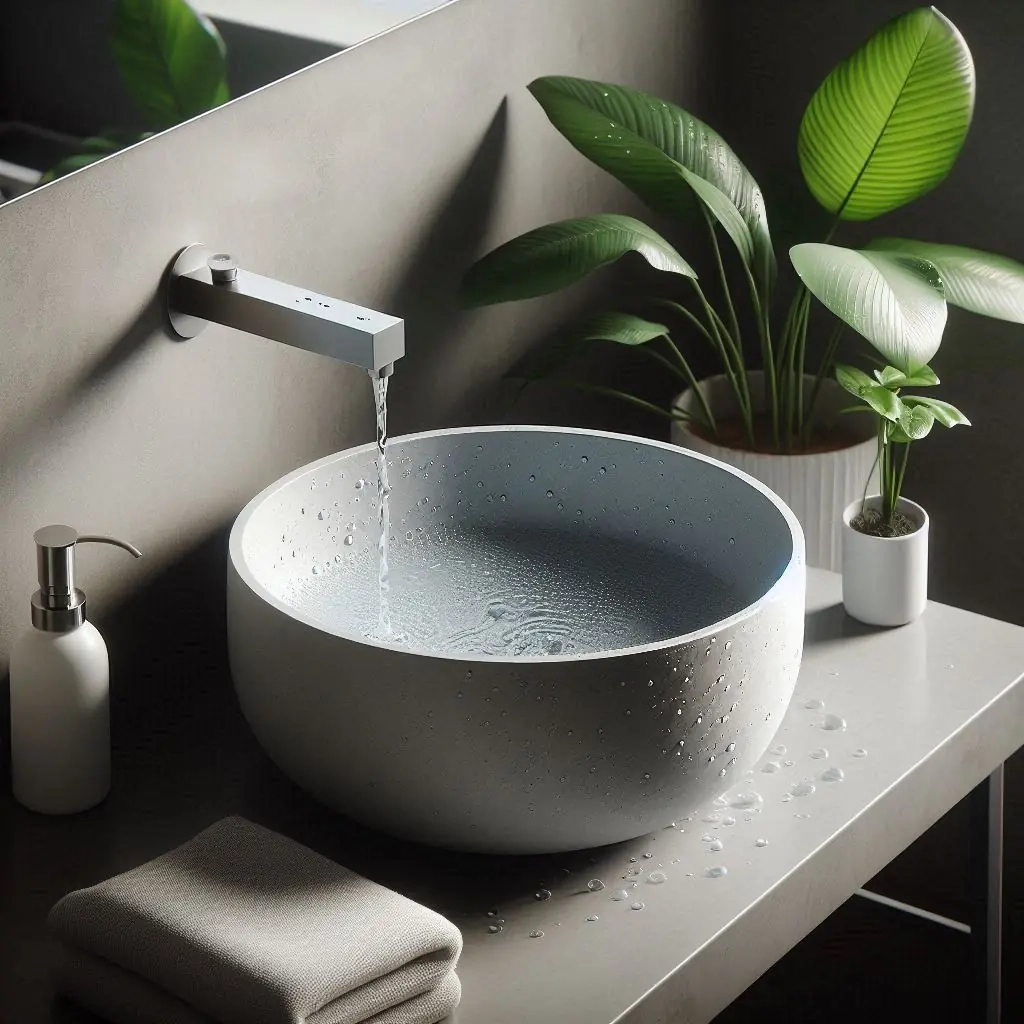
How Ceramic Vessel Sinks Enhance Bathroom Aesthetics and Functionality
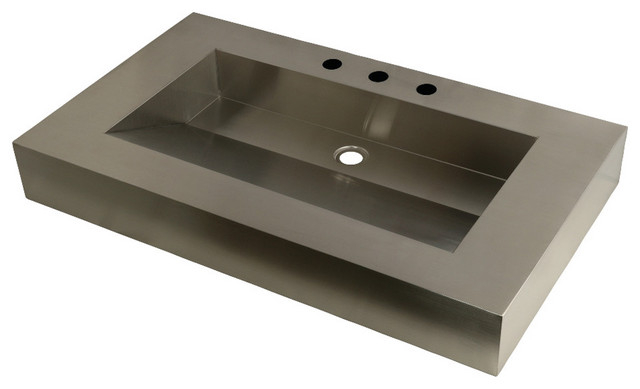
Design and Durability Analysis of the Kingston Brass GLTS37225 Brushed Basin
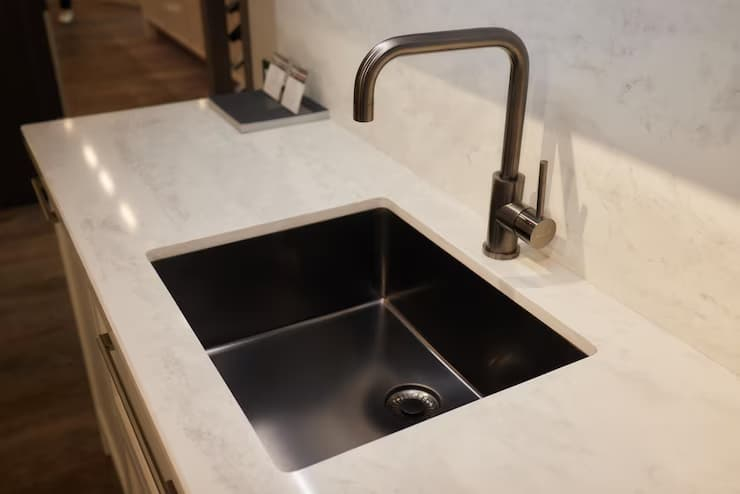
Choosing the Perfect Small Undermount Sink for Your Home Decor
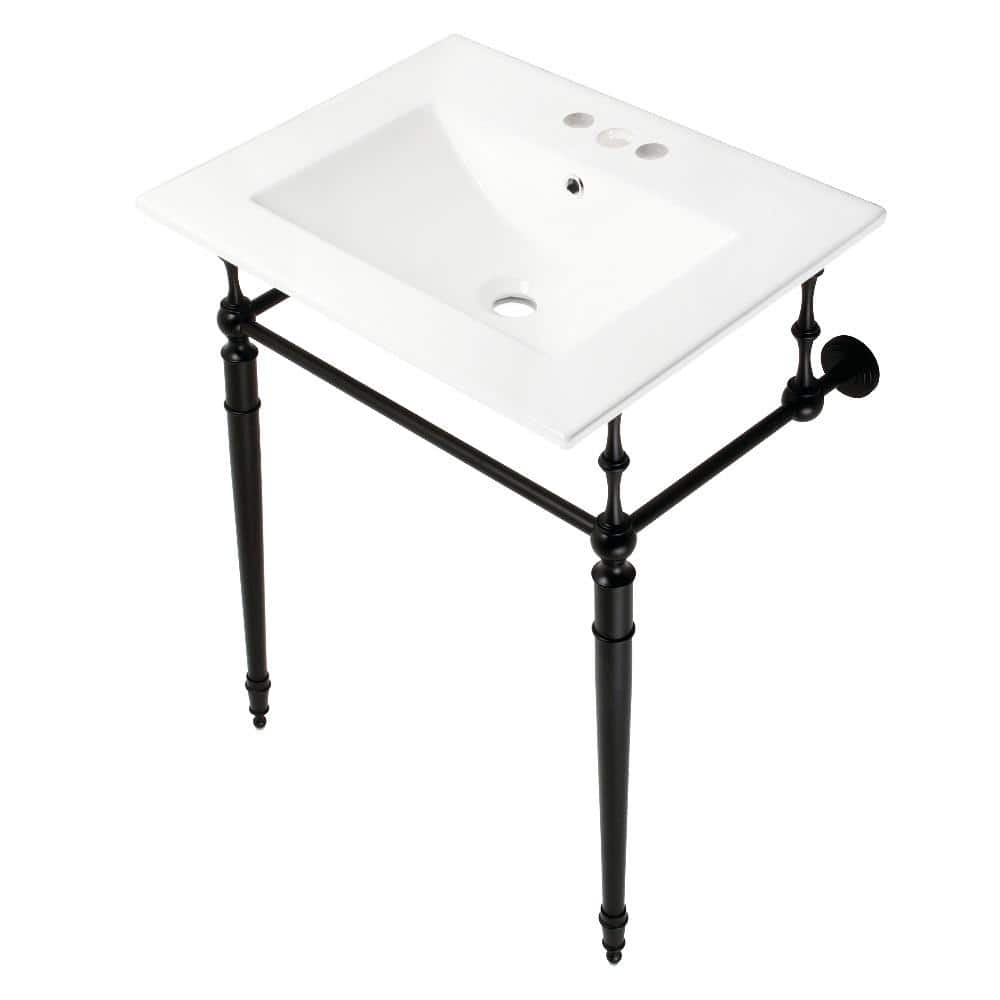
Material Durability and Maintenance of Kingston Brass VPB24187W4 Ceramic Sink
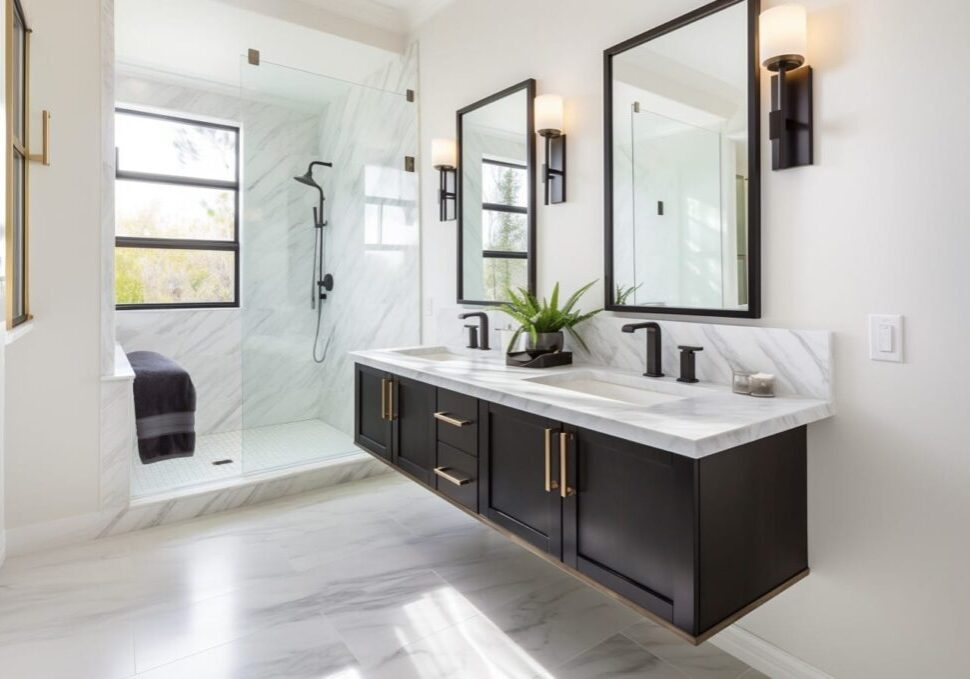
Expert Insights on Choosing the Right Sink for Your Bathroom Renovation