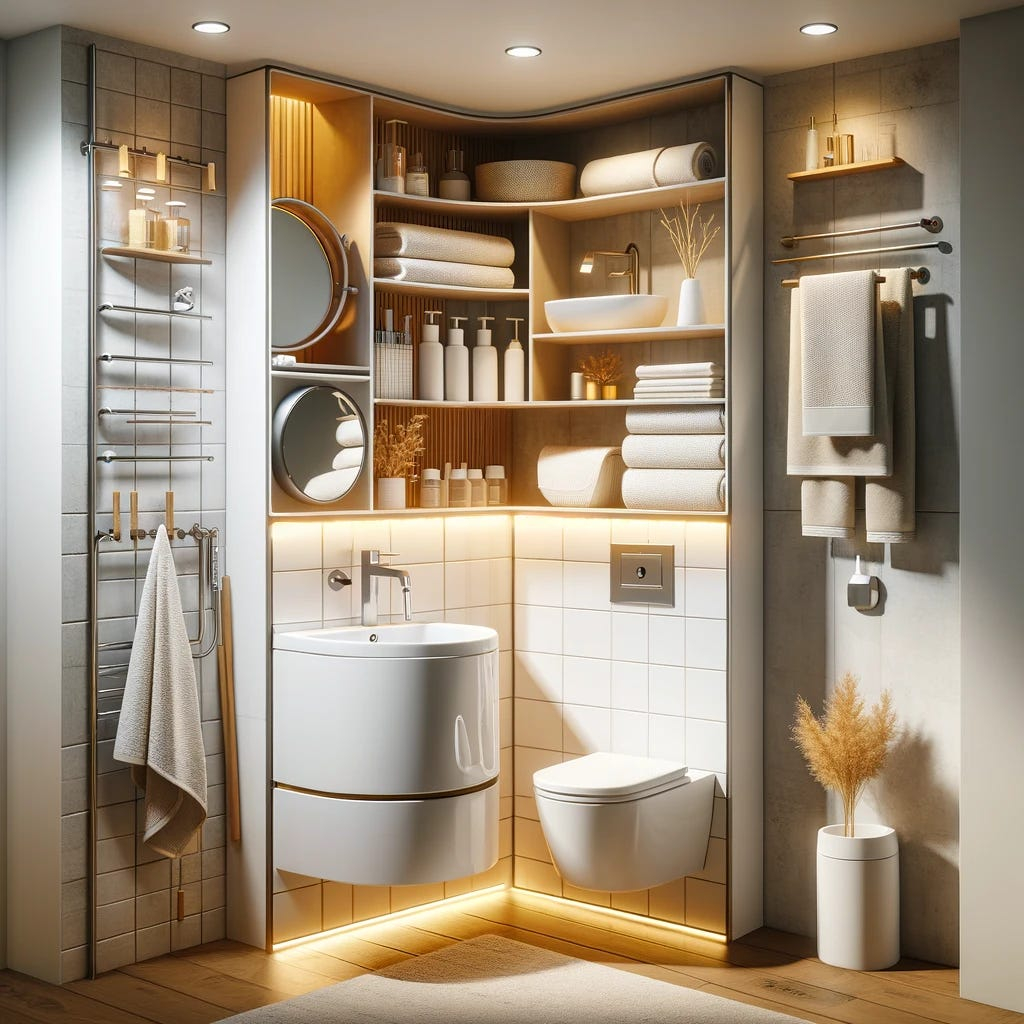
Bathrooms have evolved far beyond simple functional spaces. Today's designs blend aesthetics with practicality, using innovative materials and finishes that transform these rooms into personal retreats. Whether you're renovating or starting fresh, understanding what materials and finishes are trending can help you create a space that feels both contemporary and timeless.
The bathroom has become one of the most important rooms in modern homes. It's where we start our day, unwind after work, and often find moments of quiet reflection. As design trends shift, so do the materials and finishes that define these spaces. From sleek metals to natural stone, the choices you make can dramatically impact both the look and feel of your bathroom. Let's explore the most popular options that are currently shaping the industry.
Metallic Excellence: Brass, Chrome, and Stainless Steel
Metal fixtures continue to dominate bathroom design because of their durability and timeless appeal. Brass, once considered outdated, has made a strong comeback with its warm, rich tones that add luxury to any space. Chrome remains the go-to choice for those seeking clean, modern lines. Stainless steel brings industrial chic to bathrooms, especially in contemporary designs. These metals offer excellent resistance to corrosion and wear, making them practical choices for high-use areas. Many manufacturers now offer brushed variations of these metals, creating subtle textures that catch light beautifully. The key is choosing finishes that complement your overall design scheme rather than clash with it. Consider how different metallics interact with your lighting - brass tends to look best under warm lighting, while chrome shines brightest with bright, even illumination.
Natural Stone: The Timeless Appeal of Marble and Granite
Natural stone continues to be a favorite among homeowners who want to add elegance and sophistication to their bathrooms. Marble brings an air of luxury with its distinctive veining and soft, creamy tones. However, it requires regular maintenance to prevent staining and etching. Granite offers similar beauty with greater durability, making it ideal for high-traffic areas. Both stones can be used for vanities, countertops, and even flooring. The key to working with natural stone is understanding its unique characteristics. Each piece is distinct, which means no two installations will look exactly alike. This individuality can be a major selling point for those wanting their bathroom to stand out. Many designers now pair natural stone with modern fixtures to create striking contrast between old-world materials and contemporary design elements.
Glass and Acrylic: Transparency and Modern Elegance
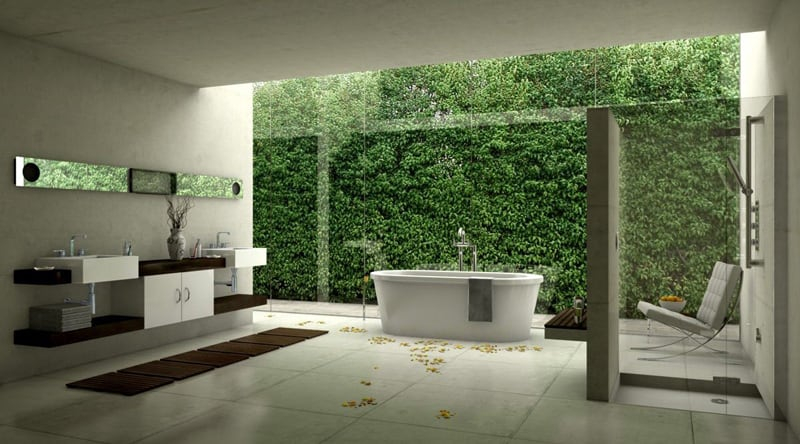
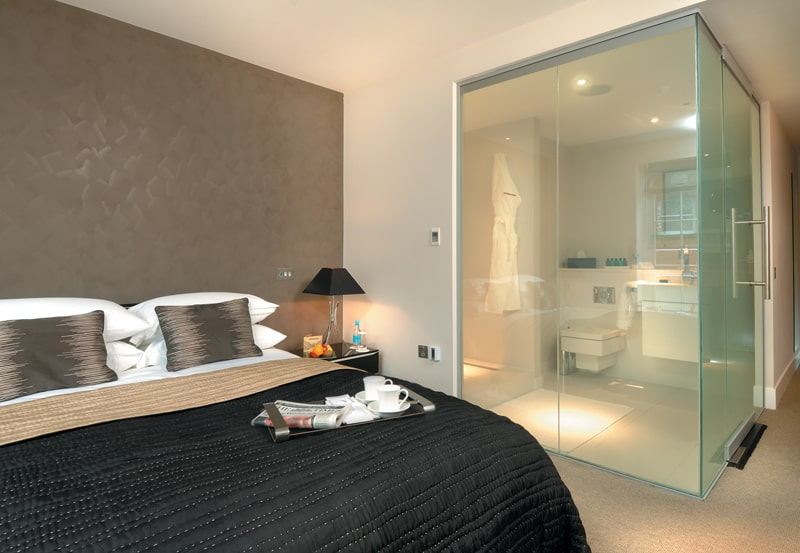
Glass and acrylic have revolutionized bathroom design by allowing for creative uses of space and light. Frosted glass panels create privacy while maintaining visual openness, making them perfect for shower enclosures. Clear glass provides maximum transparency, giving smaller bathrooms the illusion of more space. Acrylic, meanwhile, offers a lightweight alternative that's easier to install and maintain. These materials work exceptionally well when combined with metal accents or natural wood elements. The reflectivity of glass can make a small bathroom appear larger, though it does require careful cleaning to maintain its clarity. Many modern fixtures incorporate glass components to create a sense of lightness and airiness. When selecting glass features, consider the level of maintenance you're willing to commit to and how much light the room receives.
Ceramic and Porcelain: Classic Choices with Modern Flair
Ceramic and porcelain tiles remain incredibly popular due to their versatility and wide range of options. These materials can mimic natural stone, wood, or even metal finishes, offering endless design possibilities. Porcelain, in particular, has gained favor for its water resistance and durability, making it ideal for wet areas like showers and tub surrounds. The variety available today ranges from traditional subway tiles to large-format slabs with bold patterns. Many manufacturers now produce ceramic pieces with special glazes that create interesting textures and visual effects. These materials are also easy to clean and maintain, which makes them practical for busy households. The key to successful ceramic installation lies in proper preparation and quality grout selection. Think about how different patterns and sizes will affect the overall feel of your space before making final decisions.
Smart Materials: Technology Meets Design
The integration of technology into bathroom fixtures is becoming increasingly common. Smart mirrors with built-in lighting and displays are now standard in many high-end installations. Touchless faucets and toilets offer convenience and hygiene benefits, particularly in households with children or elderly members. Some fixtures incorporate antimicrobial surfaces that resist bacteria growth, providing health benefits alongside aesthetic appeal. LED lighting integrated into vanities and mirrors creates ambiance while providing functional illumination. These smart features often come with smartphone connectivity, allowing users to control temperature, lighting, and even water flow remotely. The challenge with smart materials is ensuring they integrate seamlessly with existing design schemes. Look for options that enhance rather than overwhelm your chosen aesthetic. Consider the learning curve for family members and whether the added functionality justifies the investment.
Sustainable and Eco-Friendly Options
Environmental consciousness is influencing material choices in bathroom design more than ever before. Recycled glass tiles bring sustainability to flooring and wall applications while maintaining visual appeal. Bamboo and reclaimed wood offer natural alternatives that add warmth to modern spaces. Low-flow fixtures help conserve water without sacrificing performance, and many now feature attractive designs that match contemporary tastes. Some manufacturers are using recycled metals and sustainable manufacturing processes to create their products. The growing popularity of eco-friendly materials reflects broader consumer values around environmental responsibility. These options may cost more initially but often provide long-term savings through reduced utility bills and lower maintenance needs. When choosing sustainable materials, research the manufacturer's practices and certifications to ensure genuine commitment to environmental standards.
Choosing the right materials and finishes for your bathroom involves balancing aesthetics, functionality, and personal preference. The most successful designs often combine several different materials, creating layers of interest and texture. Whether you prefer the warmth of natural stone, the clean lines of metals, or the innovative possibilities of smart technology, there are options to suit every style and budget. Remember that trends come and go, but good design principles endure. Focus on creating a space that feels comfortable and reflects your personal taste rather than simply following what's popular. Take time to research, compare, and consider how each material will perform in your specific environment. The investment you make in quality materials today will pay dividends in years of enjoyment and functionality.
Related Posts
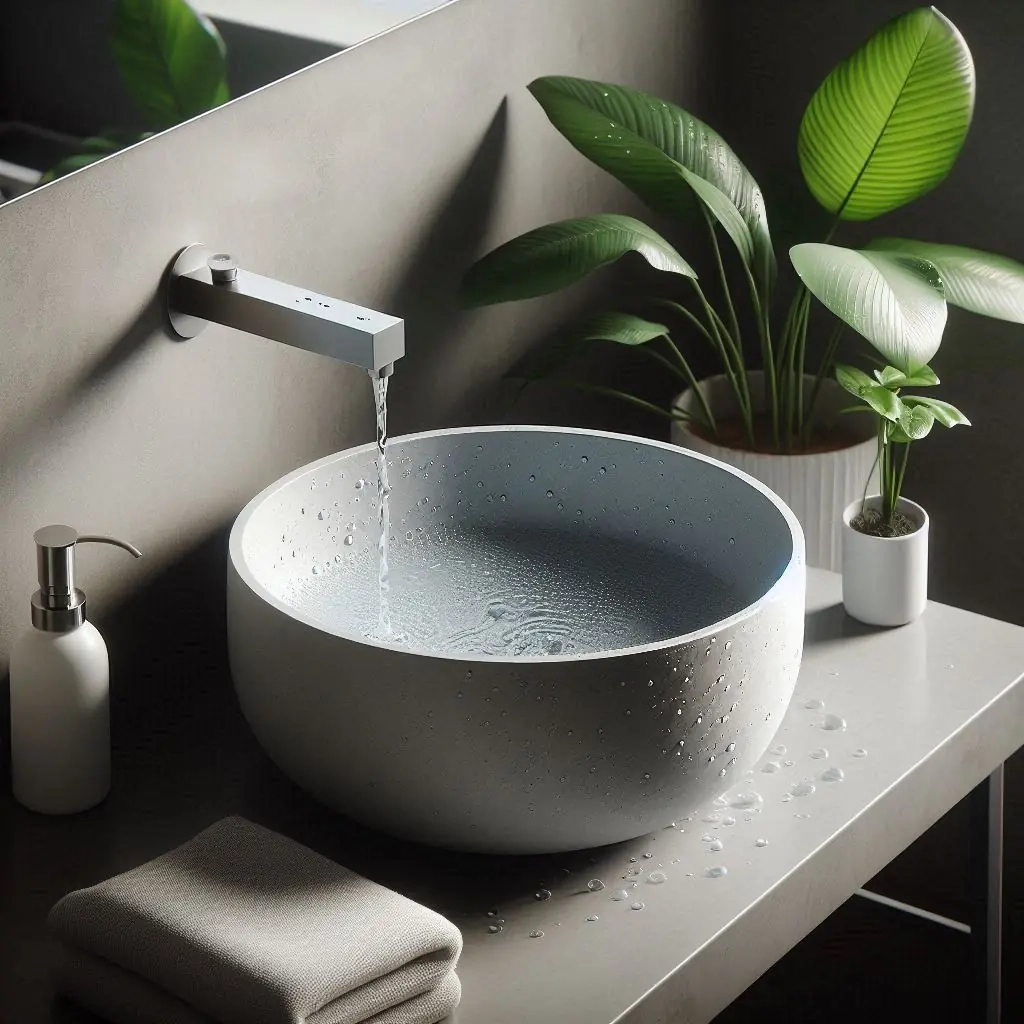
How Ceramic Vessel Sinks Enhance Bathroom Aesthetics and Functionality
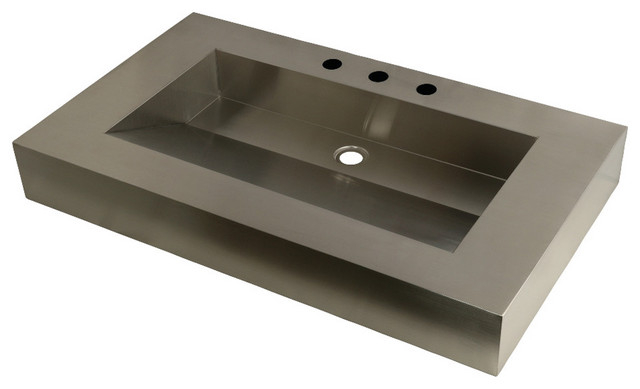
Design and Durability Analysis of the Kingston Brass GLTS37225 Brushed Basin
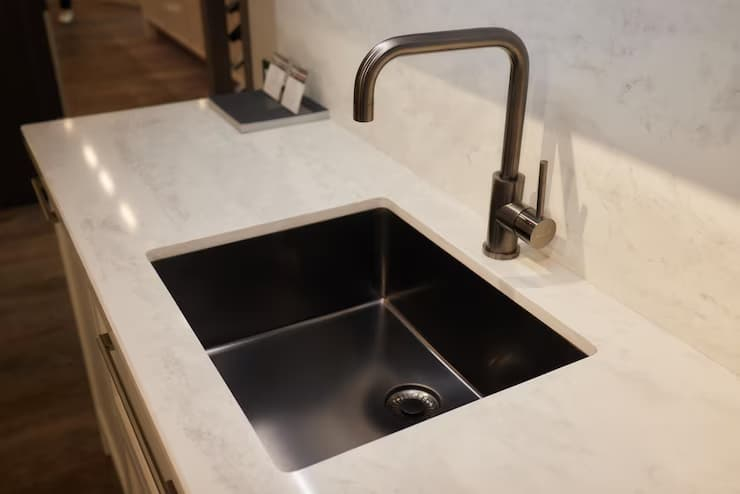
Choosing the Perfect Small Undermount Sink for Your Home Decor
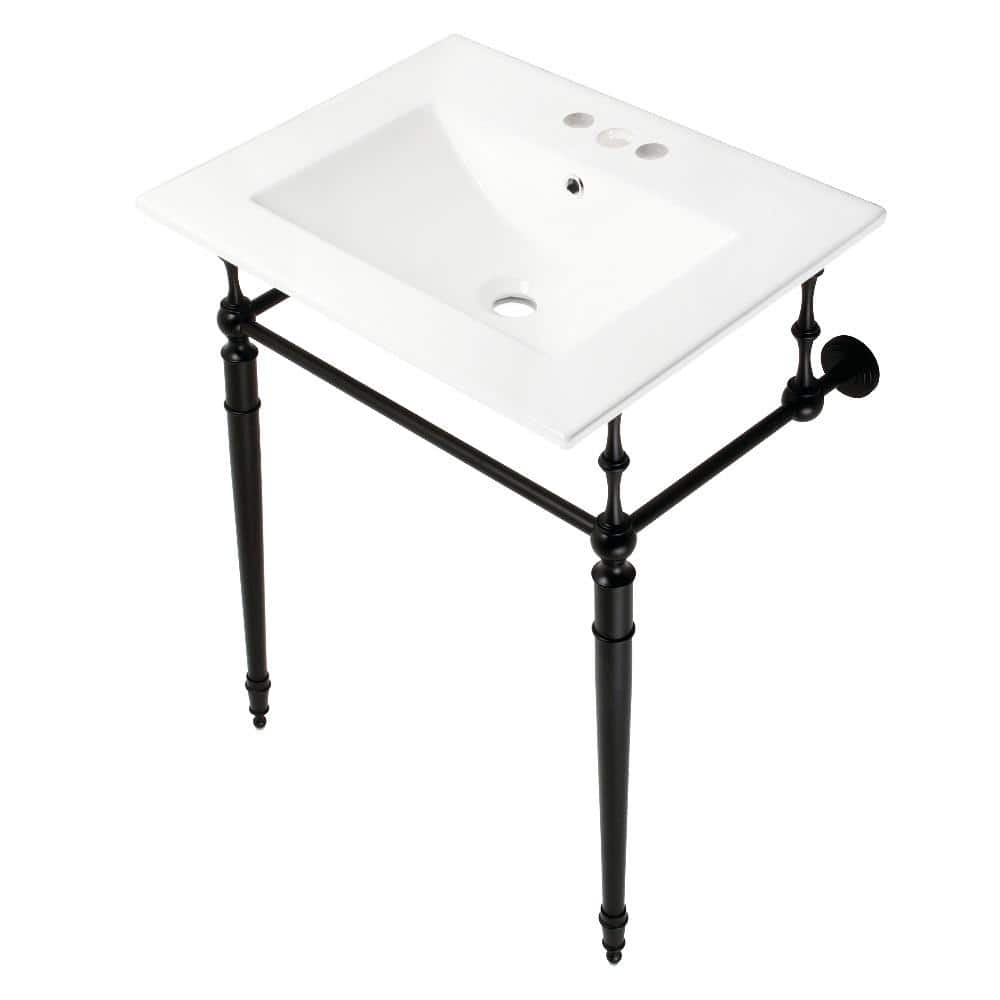
Material Durability and Maintenance of Kingston Brass VPB24187W4 Ceramic Sink
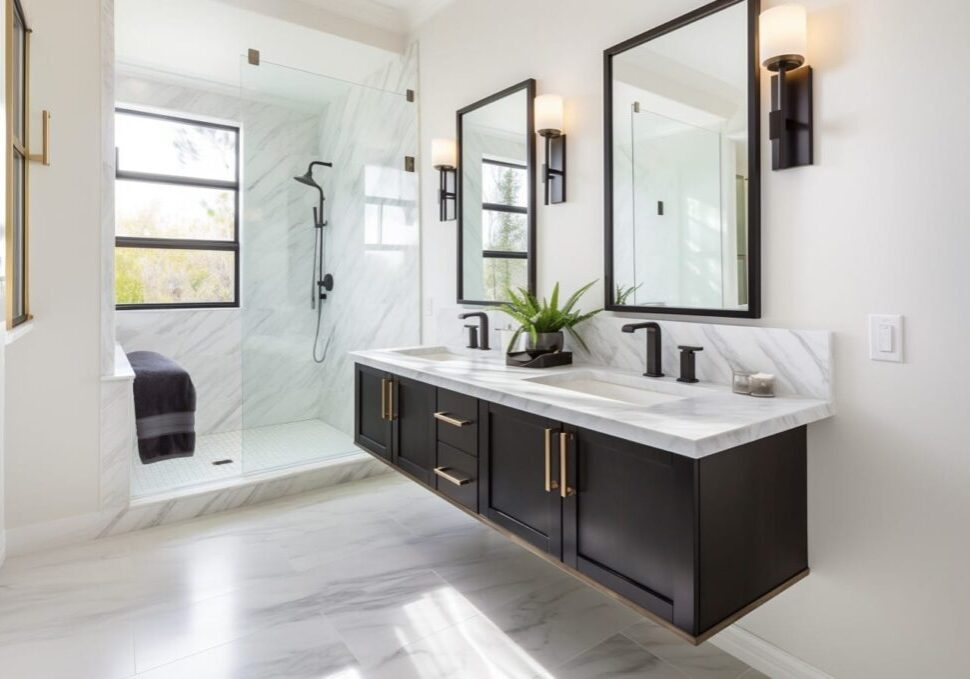
Expert Insights on Choosing the Right Sink for Your Bathroom Renovation