
When you think about great dining experiences, chances are good that a well-designed buffet played a role. Whether it's a wedding reception, corporate event, or family gathering, the way food is presented can make or break the entire affair. While trends come and go, some fundamental design principles have stood the test of time. These aren't just pretty pictures – they're tried-and-true methods that still deliver results.
Buffets have been around for centuries, but what makes one memorable while another gets forgotten? It's not just about having lots of food – though that's certainly important. The real magic happens when you consider how everything comes together visually and functionally. Think about the last time you attended a truly impressive buffet. What made it special wasn't just the selection of dishes, but how they were arranged, displayed, and presented. These classic principles work because they tap into our basic human instincts about what looks good, feels right, and tastes amazing. Let's explore why these time-honored approaches still matter so much today.
The Foundation of Visual Balance
Every great buffet starts with balance. This isn't just about making things look pretty – it's about creating visual harmony that guides people naturally through the space. Imagine walking into a room where food is scattered randomly across tables. It might seem like a free-for-all, but guests quickly feel overwhelmed and confused. The secret lies in organizing items in groups rather than individual pieces. Group similar items together – desserts in one area, proteins in another, vegetables in a third. This creates natural pathways for guests to follow. It also helps them avoid feeling like they're missing something important. When you see a well-balanced buffet, you immediately know where to start and what to expect. The eye naturally follows the flow from one grouping to the next, making the whole experience feel effortless.
Height and Layering Techniques
One of the most powerful tools in buffet design is height. We're naturally drawn to things that rise above the surface – it creates interest and draws attention. Think about how often you find yourself looking up at something tall and interesting. This same principle applies to buffets. Using different heights keeps the presentation dynamic and engaging. You might place tall items like carved roasts or elaborate dessert towers on higher serving stations, while keeping smaller items at eye level. Layering adds another dimension. A simple approach is to stack items vertically using risers or tiered trays. This creates visual depth and makes even small spaces feel more substantial. Don't underestimate the power of a single tall centerpiece – it can anchor an entire table and become the focal point of the room.
Color and Contrast Strategy
Colors tell stories before words ever get spoken. In buffet design, color choices can dramatically affect how people perceive the food and the overall atmosphere. The most effective buffets use color strategically to create visual excitement. Consider the contrast between light and dark foods – a bright red tomato against a dark green salad creates immediate visual impact. But don't stop there. Think about how colors work together in groups. If you have a variety of green vegetables, arrange them in different shades to create a more sophisticated look. White plates against colorful foods make everything pop. And remember, neutral colors like white, cream, or beige provide excellent backgrounds that let the food shine. Sometimes less really is more – a few carefully chosen accent colors can transform a simple buffet into something extraordinary.
Proper Lighting and Ambiance
Lighting is often overlooked but plays a crucial role in how a buffet appears. Good lighting makes food look appetizing and creates the right mood for the event. Natural light works beautifully when possible, but artificial lighting gives you more control over the atmosphere. Soft, warm lighting tends to make people feel comfortable and encourages longer visits. Harsh overhead lights can make everything look clinical and uninviting. Consider using dimmer switches to adjust the ambiance throughout the evening. Table lamps, string lights, or even candles can add a romantic touch. The key is ensuring that all the food is clearly visible and that there's enough light to make guests feel safe and comfortable. Poor lighting can make even the most beautiful arrangements look dull and lifeless. Good lighting is like a gentle guide, directing attention exactly where you want it to go.
Functional Flow and Accessibility
A beautiful buffet that's difficult to navigate defeats its purpose entirely. Guests should be able to move through the space easily, grab what they want, and return to their seats without feeling like they're walking through a maze. Plan your layout so that popular items are easy to reach, especially those that guests will want to try multiple times. Position heavy items or those requiring special handling toward the back or center of the serving area. Make sure there's enough space around each serving station for people to move comfortably. Consider how many people will be eating simultaneously – if you have a large group, you'll need wider aisles and more serving stations. The goal is to create a natural flow that feels organic rather than forced. When people can move freely and confidently, they enjoy the experience much more. A well-thought-out flow also prevents bottlenecks and ensures everyone gets what they want without waiting too long.
Food Quality and Freshness Management
No matter how beautifully arranged your buffet looks, poor food quality will quickly ruin the entire experience. This is where traditional principles really shine – they focus not just on appearance but on maintaining excellence throughout the event. Start with fresh ingredients and proper preparation techniques. Keep hot foods at appropriate temperatures using chafing dishes or warming trays. Cold items should stay cold, and perishable foods must be rotated regularly. The best buffets follow a simple rule: serve what you can consume within a reasonable timeframe. If you're planning a six-hour event, make sure you can safely keep everything fresh for that duration. Label everything clearly, including ingredients and allergens. Guests appreciate knowing what they're eating, and it shows respect for their health and preferences. Regular checks and quick adjustments keep everything looking fresh and tasting great. When people see that you've put care and attention into every detail, they're more likely to enjoy the experience fully.
Traditional buffet design principles remain relevant because they address fundamental human needs for beauty, functionality, and comfort. These timeless concepts don't require expensive materials or fancy equipment – they simply ask you to think about how people experience the space and the food. Whether you're planning a small family dinner or a large corporate event, these approaches will help you create memorable dining experiences. The key is understanding that good buffet design is both art and science. It requires creativity to make things look appealing, but also practical thinking to ensure everything works smoothly. By combining visual appeal with thoughtful organization, you can create spaces that not only feed people but also delight them. Remember, the best buffets don't just serve food – they create moments that people remember long after the last bite. So the next time you're setting up a buffet, consider how these tried-and-true principles can help you achieve that perfect balance of beauty and function.


Related Posts

Kitchen Island vs Peninsula Compared for Flow Storage and Everyday Use
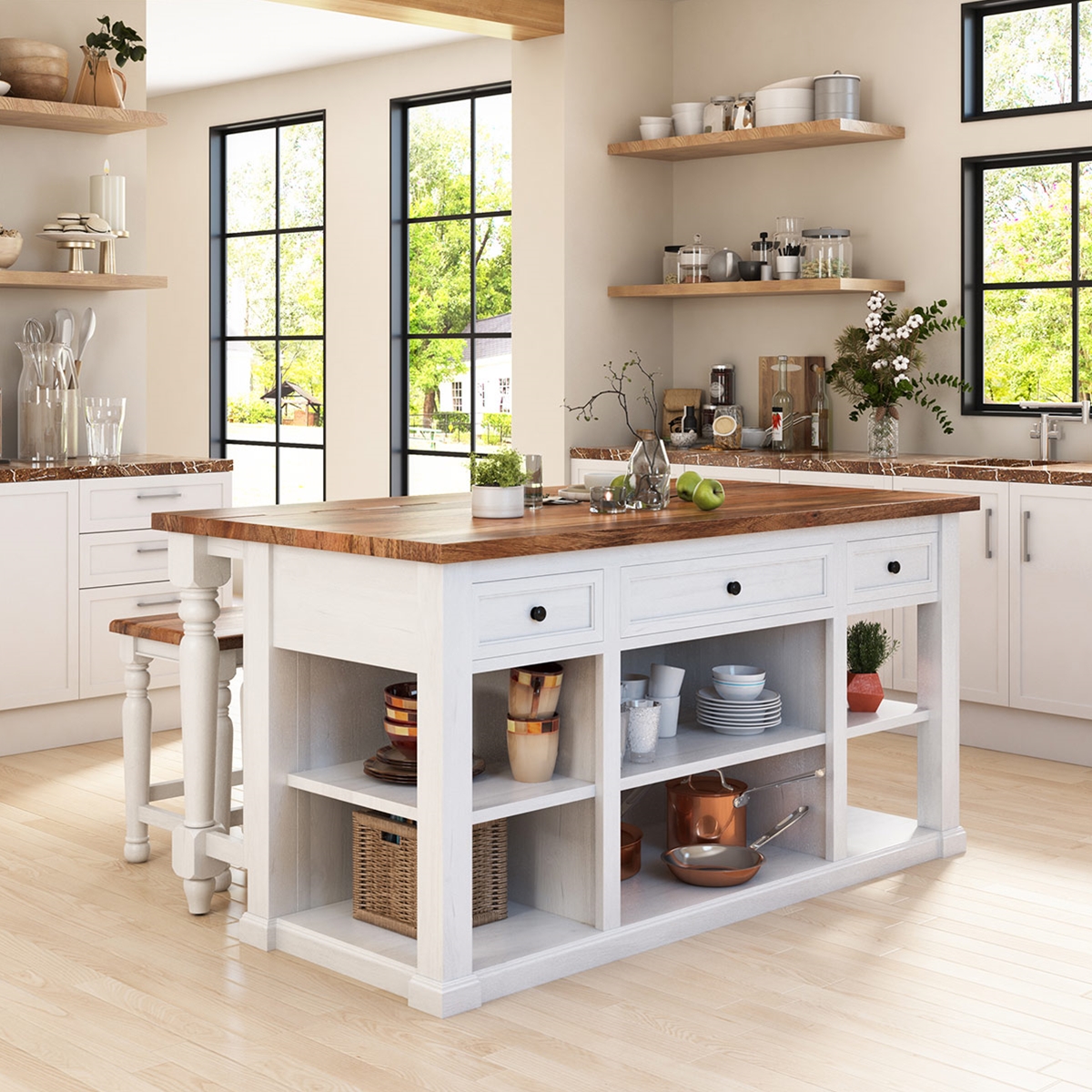
Smarter Ways to Plan a Functional Kitchen Island for Modern Living in 2026
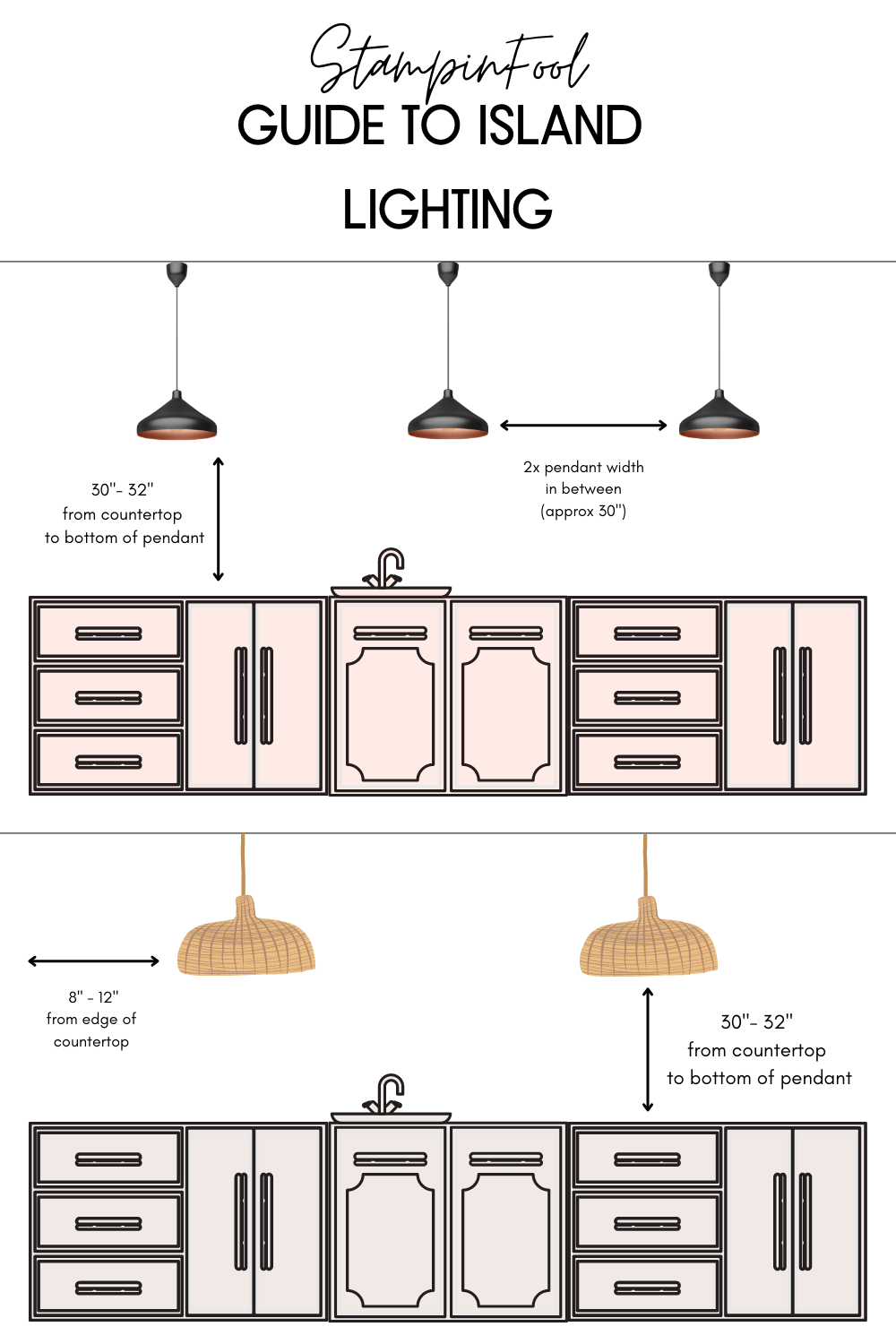
How to Layer Kitchen Island Lighting for Both Cooking and Gathering
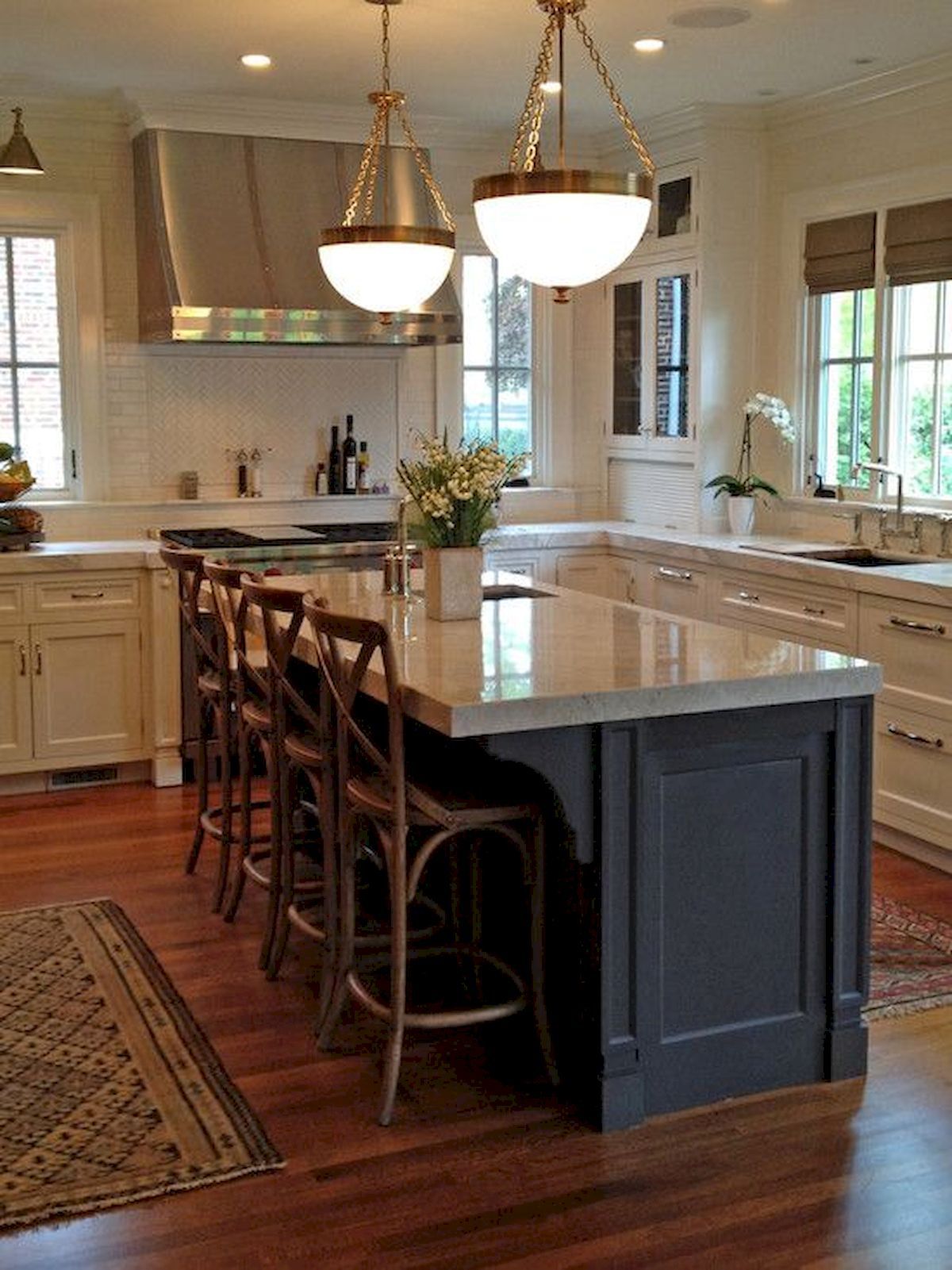
Rethinking Your Kitchen Island Layout With Ideas Grounded in Real Everyday Use

The practical benefits of using 24x48 porcelain stone effect tiles in homes

