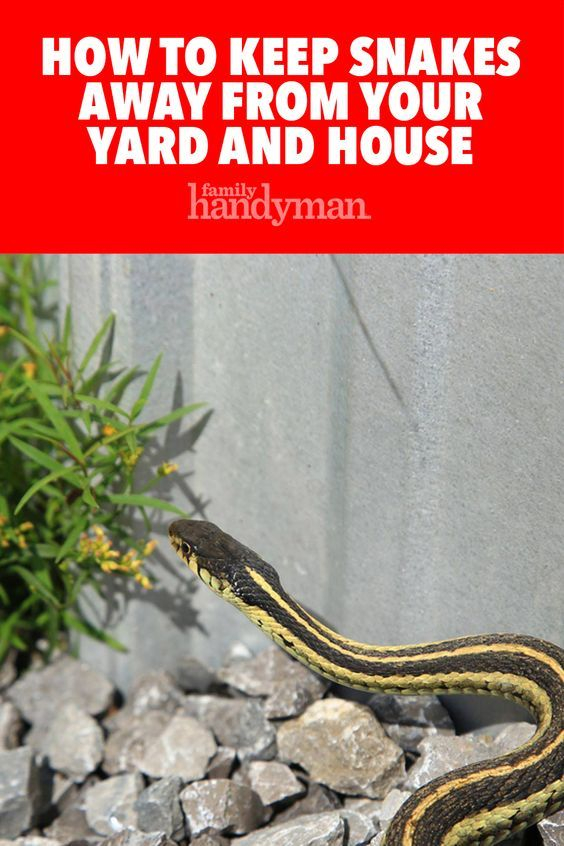
Picture this: you're relaxing in your backyard, enjoying the peaceful sounds of nature, when suddenly you spot a snake slithering across your patio. It's a moment that can turn any garden lover's paradise into a source of anxiety. But what if you could create a space where snakes simply don't want to visit? That's exactly what we're going to explore today. We'll uncover the secrets behind designing a backyard that naturally repels these slithery creatures while still being welcoming to the wildlife you do want to see.
Having snakes in your backyard can be both fascinating and concerning. While many snakes are harmless and even beneficial to your garden ecosystem, others might pose risks to pets or children. The good news? You don't have to live in fear of these reptiles. With the right approach, you can create a backyard environment that snakes find unappealing. This isn't about extermination – it's about understanding snake behavior and using that knowledge to your advantage. Whether you're a seasoned gardener or someone who just wants a safe space for family activities, this guide will show you how to make your outdoor area less attractive to snakes while keeping your garden thriving.
Understanding Snake Behavior and Preferences
Before you can keep snakes away, you need to know what they like and dislike. Snakes are attracted to areas that provide food, water, and shelter. They're particularly drawn to places with abundant small animals like mice, rats, and insects. Think about it – if you had a buffet of easy meals, wouldn't you want to hang around too? Snakes also prefer dark, damp spaces where they can hide from predators and extreme temperatures. They're cold-blooded creatures, so they seek out warm spots during cooler hours. Understanding their habits helps us predict where they might be lurking and how to make those spots less appealing. For instance, snakes love to hide under piles of leaves, rocks, or debris. They also favor areas with tall grass or dense vegetation where they can ambush prey. By removing these attractions, you're essentially saying 'no thank you' to potential snake visitors.
Eliminating Food Sources
The most effective way to keep snakes away is to remove their primary motivation – food. Many backyard snakes feed on rodents, insects, and small animals. If you're providing easy meals for these creatures, you're indirectly inviting snakes to your property. Here's how to break the cycle:
• Control rodent populations by sealing entry points to your home and garage • Keep bird feeders away from areas where snakes might lurk • Remove fallen fruit and vegetables promptly • Maintain clean compost bins and avoid leaving food scraps • Keep pet food indoors or in sealed containers • Address insect infestations before they become a problem
This approach requires some detective work. Are there mice or rats in your garden? Do you notice lots of insects around? Identifying the root cause helps prevent snakes from making your yard their hunting ground. Some gardeners discover that their snake problems start after they begin feeding birds regularly or have a large compost pile. Once they adjust their practices, the snakes often disappear.
Managing Water Sources
Water is essential for all living things, including snakes. If you've got standing water or areas where moisture collects, you're creating a welcome mat for these reptiles. Snakes need water to drink and sometimes to regulate their body temperature. They're also attracted to areas where they can hunt for aquatic prey.
Consider these water-related changes:
• Drain any puddles or low spots where water accumulates • Fix leaky pipes and faucets • Install proper drainage in areas prone to water pooling • Keep birdbaths clean and emptied regularly • Avoid overwatering plants near areas where snakes might hide • Ensure gutters and downspouts direct water away from your foundation
A common mistake people make is having water features that stay filled year-round. While these add beauty to your garden, they also provide a constant water source that snakes find irresistible. Even small amounts of standing water can attract snakes looking for a drink. Think about it – if you were thirsty and found a reliable water source, you'd probably stick around. Making sure your yard stays relatively dry in certain areas makes it much less appealing to snakes.
Removing Shelter and Hiding Spots
Snakes are masters of concealment. They'll take advantage of any opportunity to hide from predators or find a comfortable place to rest. This means getting rid of the places they love to hide. Look for:
• Piles of wood, stones, or debris • Overgrown vegetation and tall grass • Uncovered trash cans or dumpsters • Rock piles or stone walls • Woodpiles or storage areas • Cluttered areas under decks or porches • Dense shrubbery or hedges
These hiding spots provide snakes with protection from predators and harsh weather. They're also great places for snakes to lay eggs or give birth. Removing these spots makes your yard less attractive for snakes to make their home. It's not about destroying the natural beauty of your garden, but rather managing it in a way that doesn't offer convenient hiding places. For example, instead of letting fallen leaves accumulate in piles, rake them up regularly. Instead of storing wood in one area, spread it out or keep it elevated off the ground. These small changes can make a big difference.
Using Natural Repellents
While no repellent works 100% of the time, several natural options can help deter snakes from entering your space. These methods work best when combined with other strategies.
• Cedar oil spray – Mix cedar oil with water and spray around problem areas • Ammonia solution – Soak rags in ammonia and place them in areas where snakes appear • Garlic and hot pepper mixture – Blend garlic and peppers, strain, and spray around the perimeter • Essential oils – Peppermint, cinnamon, or clove oils mixed with water
Keep in mind that these repellents need regular reapplication, especially after rain. Also, while these may discourage snakes, they won't eliminate existing populations immediately. The effectiveness varies based on snake species, local conditions, and individual snake preferences. Some snakes are more sensitive to certain scents than others. It's worth noting that some gardeners report success with multiple approaches working together. For instance, combining reduced food sources with natural repellents and habitat modification creates a more comprehensive strategy.
Creating Physical Barriers
Sometimes the best defense is a good offense. Physical barriers can be very effective at keeping snakes from entering specific areas of your yard. Consider these options:
• Snake-proof fencing – Install mesh barriers that are buried at least 6 inches underground • Gravel or crushed stone – Lay down a 2-foot wide strip of gravel around vulnerable areas • Proper landscaping – Design your garden to minimize hiding spots and create open spaces • Raised beds – Use elevated planting areas that snakes find difficult to access
These barriers work because snakes don't enjoy crawling over rough surfaces or through tight spaces. A 2-foot wide gravel border can be particularly effective. It's not just about preventing snakes from entering – it's also about making your yard feel less like a welcoming environment. Some people find success with decorative barriers that serve dual purposes. For instance, a stone wall can act as both a barrier and an attractive garden feature. The key is consistency – make sure any barriers you install are complete and well-maintained. A gap anywhere in a barrier system can allow snakes to slip through.
Professional Help When Needed
If you've tried everything and still have persistent snake problems, professional assistance might be necessary. Here are some situations where calling in experts makes sense:
• If you have venomous snakes in your area • If snakes are causing significant disruption to daily life • If you're unsure whether the snake is harmful or not • If you have young children or pets who might encounter snakes • If you're dealing with a large number of snakes in a small area
Local wildlife control services or pest management companies can provide expert advice tailored to your specific situation. They can identify snake species, assess risks, and recommend appropriate solutions. Some professionals offer non-lethal removal services and can help you implement long-term prevention strategies. Don't hesitate to reach out to them if you feel overwhelmed. Many snake removal experts emphasize that snakes usually don't want to be in your yard either – they're often just passing through or have been attracted by circumstances beyond your control. Professional help ensures you handle the situation safely and effectively.
Creating a snake-free backyard isn't about eliminating all snakes from your environment – it's about making your space less appealing to them. By understanding what draws snakes to gardens and taking steps to address those attractions, you can enjoy your outdoor space with confidence. Remember, the most successful approach combines several strategies rather than relying on just one method. Eliminate food sources, manage water, remove hiding spots, and consider natural deterrents. Sometimes, physical barriers are necessary for complete protection. The key is consistency and patience – changing snake behavior takes time. Most importantly, don't let fear dictate your relationship with nature. Many snakes are actually beneficial to gardens, controlling pest populations and helping maintain ecological balance. Your goal is to create harmony between your outdoor space and the wildlife that visits, ensuring everyone can coexist peacefully. With the right approach, you can enjoy a beautiful, safe backyard where snakes are simply not welcome.
Related Posts
What happens to dried ink when clothes go through dryer tumbling

How American Standard HVAC Systems Compare to Trane Brands
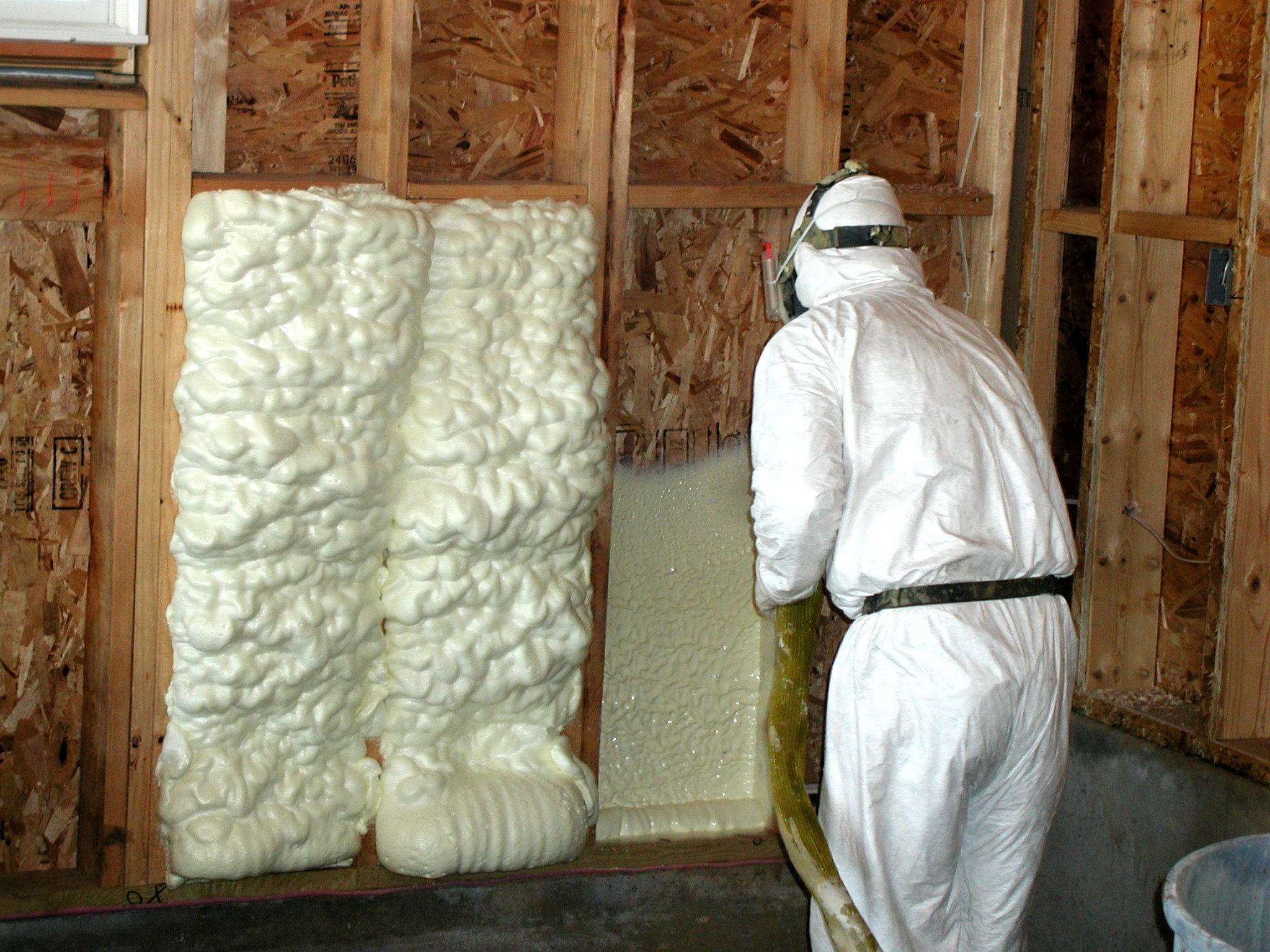
Breaking down spray foam insulation costs by type and coverage area
How to Effectively Eliminate Clover from Your Lawn Naturally
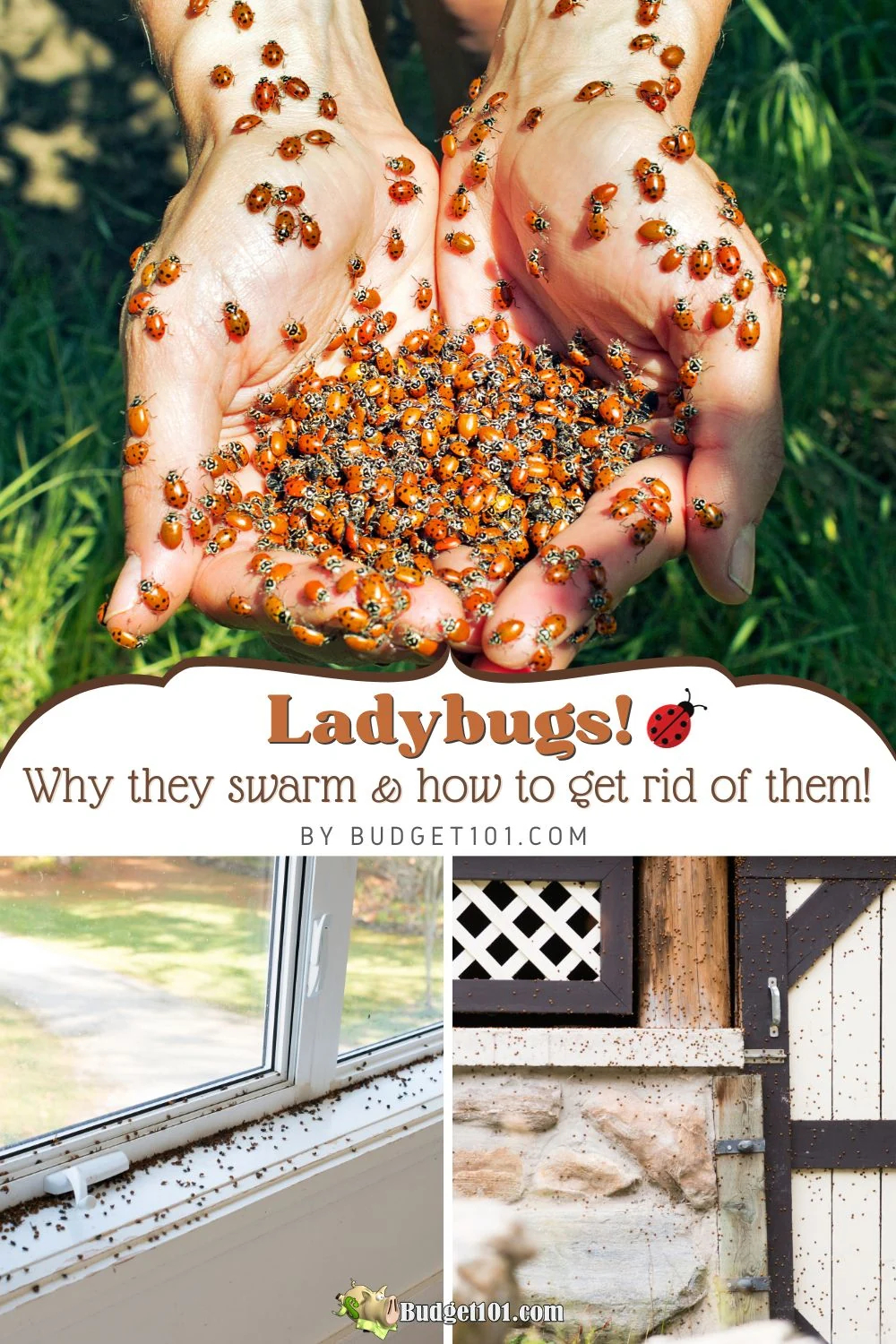
The Surprising Reason Why Ladybugs Choose Your House