Have you ever stared at a garbage disposal unit wondering why it won't budge? Or perhaps you've found yourself at the hardware store, clutching a wrench that's just too big or too small? You're not alone. The secret to successful disposal installation often lies in something as simple as choosing the right allen wrench size. It's one of those little details that can make all the difference between a smooth installation and a frustrating headache.
Installing or replacing a garbage disposal might seem like a straightforward DIY project, but it's filled with small but crucial details that can trip you up. One of the most common issues homeowners face is getting the correct allen wrench size for their disposal unit. This might sound like a minor concern, but it's actually fundamental to both successful installation and safe operation. Whether you're tackling a new installation or simply trying to tighten a loose part, understanding how to properly select and use allen wrenches can save you time, prevent damage, and keep you out of trouble.
Understanding Allen Wrench Basics
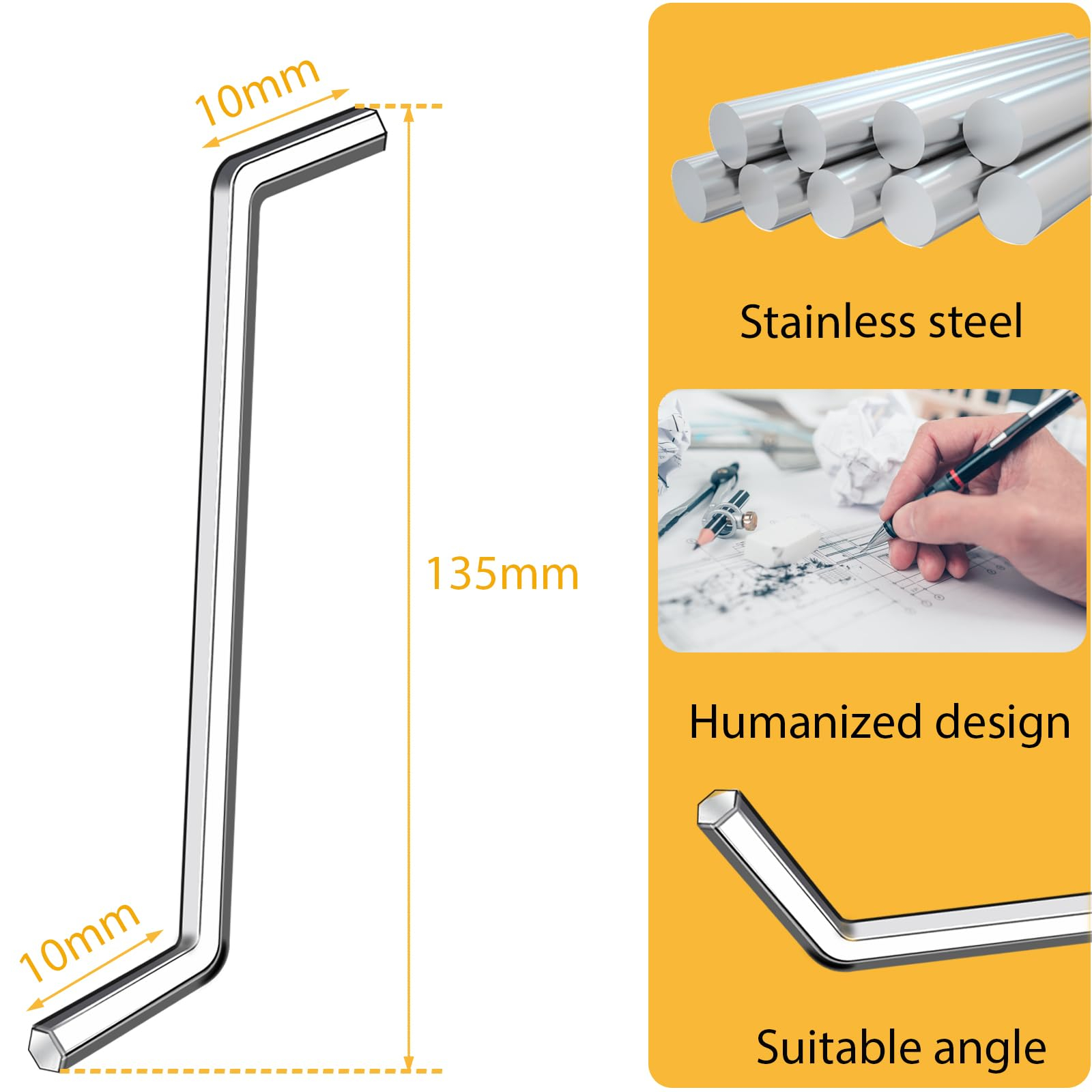
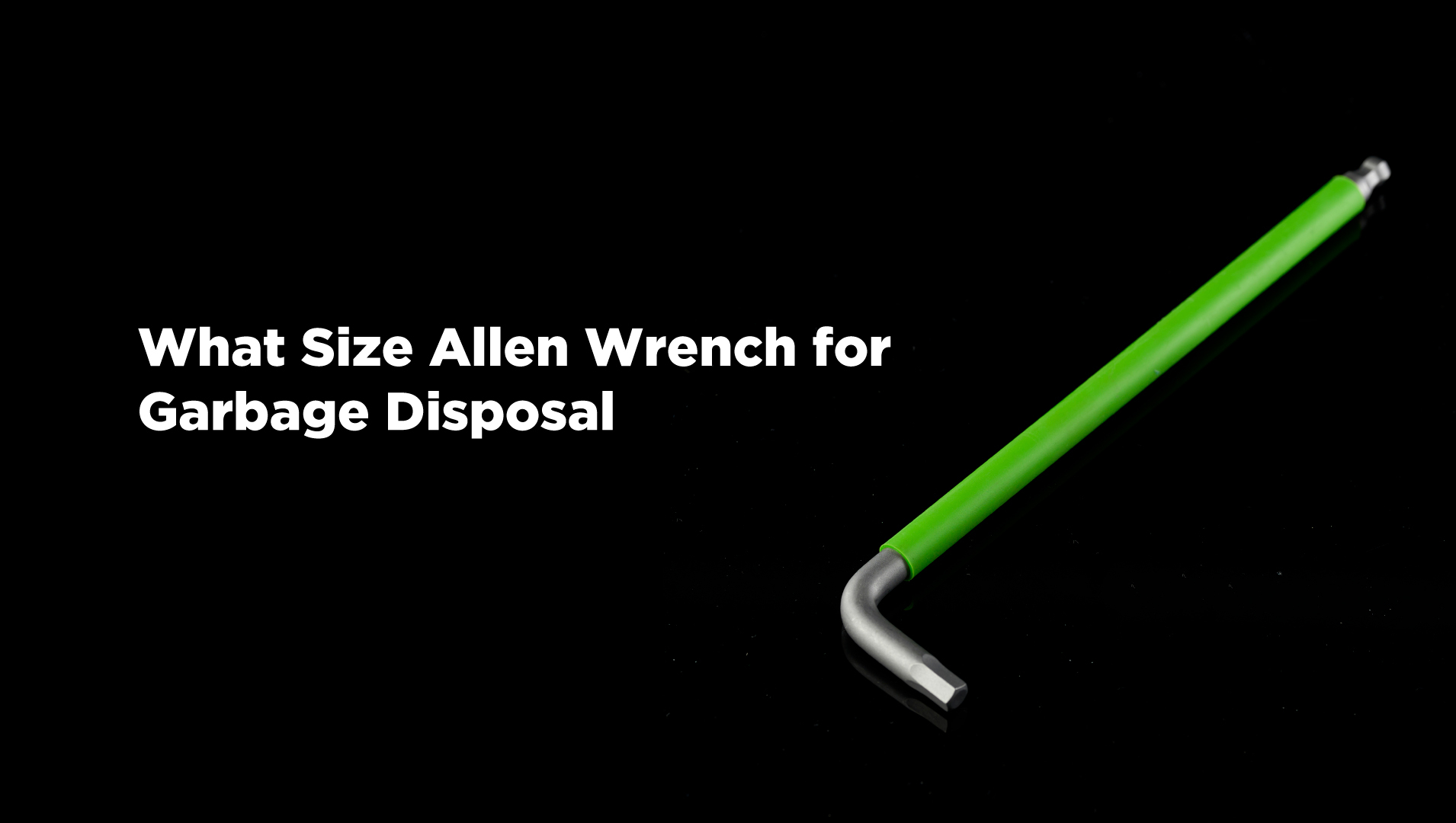
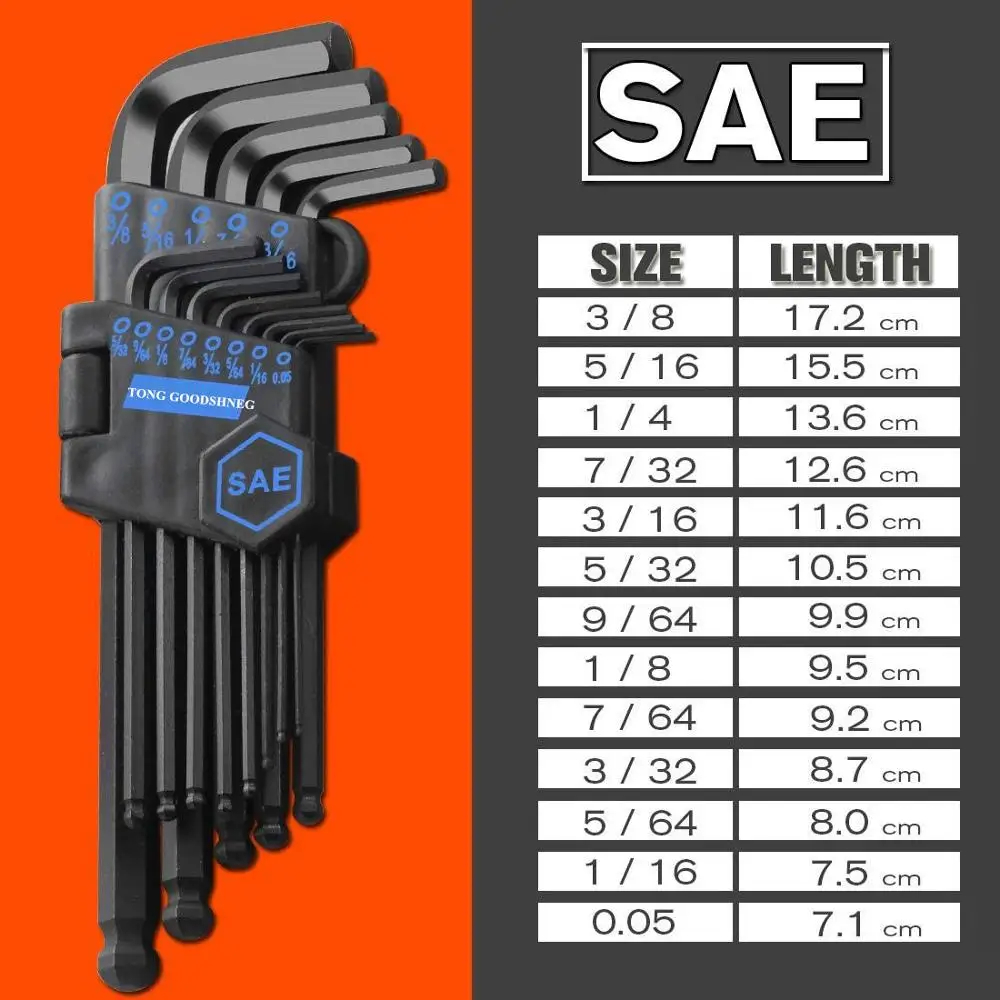
Allen wrenches, also known as hex keys or wrenches, are essential tools in many home projects. They feature a hexagonal shape that fits perfectly into hexagonal sockets or bolts. These tools come in various sizes, and when it comes to disposal installation, finding the right one can be tricky. The standard sizes range from tiny 1/16 inch up to 1 inch, though most household applications fall within a smaller spectrum. The key is matching the wrench to the specific bolt or screw you're working with. For instance, a 3/16 inch wrench won't fit a 1/4 inch socket, and vice versa. Think of it like trying to fit a square peg in a round hole - it just won't work. When you're dealing with disposal units, the manufacturer typically specifies the required size, but it's always wise to double-check before starting any work.
Common Allen Wrench Sizes Used in Disposal Units
Most garbage disposal installations require a few standard sizes. The most frequent sizes you'll encounter are 3/16 inch, 1/4 inch, and 5/16 inch. These sizes typically handle the mounting bolts that secure the disposal to your sink flange. However, some newer models may use different specifications. Let's break this down further:
• 3/16 inch: Often used for mounting screws and smaller assembly components • 1/4 inch: Commonly found on most standard disposal units for major mounting hardware • 5/16 inch: Increasingly popular in modern designs for enhanced stability
It's worth noting that some high-end disposals might require even larger sizes like 3/8 inch, especially for heavy-duty mounting applications. Always refer to your unit's manual if available, but if you're in a pinch, starting with a 1/4 inch wrench is usually a safe bet for most residential installations.
Identifying the Correct Size for Your Specific Model
Every disposal model has its unique requirements, and identifying the exact allen wrench size can save you from unnecessary frustration. Here are some methods to determine the right size:
• Check the user manual: If you have it handy, this is the most reliable method • Measure existing bolts: Take a close look at the bolts already installed • Try common sizes: Start with 1/4 inch and work your way up if needed • Look for manufacturer labels: Some units display recommended tool sizes directly on the housing
A helpful tip that many experienced installers swear by is to bring a small set of allen wrenches to your installation. This way, you can test each size until you find the perfect match. Remember, a slightly oversized wrench is generally better than a undersized one that could strip threads or damage the hardware. If you're unsure, it's always better to err on the side of caution and use a slightly larger size rather than risk damaging your disposal unit.
What Happens When You Use the Wrong Size
Using the incorrect allen wrench size can lead to several problems that extend far beyond simple inconvenience. When you try to use a wrench that's too small, you might find it doesn't fit properly at all, making it impossible to turn the fasteners. On the flip side, using a wrench that's too large can cause serious issues. The main problems include:
• Stripped threads: Over-tightening with a too-large wrench can damage the bolt heads or the surrounding metal • Incomplete tightening: Oversized wrenches may not engage properly with the fastener, leading to loose connections • Safety risks: Loosely secured disposals can vibrate excessively or even come loose during operation
Picture this: you're installing a disposal and think you're being careful, but you accidentally use a 5/16 inch wrench instead of the required 1/4 inch. You might feel like you're turning it tight enough, but the wrench slips or doesn't grip properly. What seems like a minor mistake can result in a wobbly installation that creates noise and potentially dangerous conditions. It's like trying to tighten a nut with a hammer - you might get somewhere, but you're definitely not doing it right.
Tools You Should Have on Hand
Having the right tools makes all the difference in any installation project. For disposal work specifically, consider keeping these essentials:
• Combination allen wrench set: A versatile set covering the most common sizes • Adjustable wrench: Useful for situations where exact sizing isn't critical • Flashlight: Essential for seeing inside tight spaces • Screwdriver set: For removing covers or panels that might be in the way • Safety glasses: Protects your eyes from debris during installation
Many professionals recommend investing in a quality allen wrench set that includes metric and standard measurements. These sets typically range from 1/16 inch to 1 inch, covering almost every residential application. While you might think you only need one or two sizes, having multiple options prevents the common scenario where you discover you're missing the right size halfway through the job. It's much better to be prepared than to have to run back to the store mid-installation.
Installation Tips and Best Practices
Once you've identified the correct allen wrench size, there are several best practices to follow for optimal results:
• Start slowly: Begin turning gently to ensure the wrench is properly seated • Apply steady pressure: Don't yank or jerk the wrench, which can cause slippage • Check alignment: Make sure all parts are lined up correctly before tightening • Don't over-tighten: Most disposals only need moderate torque to secure properly • Test the installation: Give it a gentle shake to verify it's securely mounted
One particularly helpful tip is to mark your wrenches with tape or labels indicating their sizes. This prevents confusion when you're working under time pressure or in dim lighting. Also, remember that some installations require you to remove the old disposal first. In these cases, you might find that the existing bolts are rusted or seized, requiring additional tools like penetrating oil or specialized removal tools. The right allen wrench size becomes even more important when dealing with stubborn hardware.
Choosing the right allen wrench size for disposal installation might seem like a small detail, but it's actually one of the most important factors in ensuring a successful outcome. Whether you're replacing an old unit or installing a new one, taking the time to properly identify and use the correct tool can save you hours of frustration and potential damage. Remember that while most residential disposals use standard sizes like 1/4 inch or 5/16 inch, it's always wise to confirm the exact specifications with your unit's documentation. The investment in proper tools and knowledge pays dividends in safety, performance, and peace of mind. Don't let a simple wrench become the reason for a messy installation - take a moment to get it right, and you'll be glad you did. After all, a properly installed disposal should work quietly and reliably for years to come, provided you've done the basics correctly.
Related Posts
What happens to dried ink when clothes go through dryer tumbling

How American Standard HVAC Systems Compare to Trane Brands
Breaking down spray foam insulation costs by type and coverage area

How to Effectively Eliminate Clover from Your Lawn Naturally

The Surprising Reason Why Ladybugs Choose Your House