Every kitchen and bathroom deserves a sink that looks good and works well. When it comes to ceramic vessel sinks, the choices can feel overwhelming. But fear not – we're here to guide you through picking one that truly fits your space and lifestyle.
Ceramic vessel sinks have become incredibly popular in recent years. They're not just functional – they're statement pieces too. Whether you're remodeling your kitchen or updating your bathroom, choosing the right ceramic vessel sink is key. It's not just about size or color, though those matter. You need to think about how it will fit into your overall design and daily routine. The right choice can transform your space, while the wrong one might leave you feeling frustrated or disappointed.
Understanding What Makes a Ceramic Vessel Sink Special
Let's start with the basics. A ceramic vessel sink sits above the countertop rather than being mounted into it. This design gives them their signature look and makes them easy to clean. The ceramic material itself brings a certain elegance that many people find appealing. Unlike stainless steel or glass sinks, ceramic sinks offer a timeless quality that doesn't go out of style quickly. They come in various shapes and sizes, making it possible to find something that matches your personal taste. Plus, they're relatively easy to maintain and keep looking fresh for years. The surface is smooth and non-porous, so it resists stains and odors better than some other materials. You'll also notice they tend to be quieter when water flows through them compared to metal alternatives. That gentle sound can make a big difference in your daily routine.
Size Matters – Measuring Your Space Correctly
Before shopping for any sink, measure everything carefully. Start with your cabinet opening. Most standard vessel sinks range between 16 and 24 inches in diameter. If you have a small space, consider a smaller sink. But if you want to accommodate multiple people or large items, go bigger. The depth matters too. Standard depths are usually between 4 and 6 inches. Deeper sinks hold more water and give you room for bigger dishes. However, they may take up more counter space. Consider how many people will use the sink daily. A single person might prefer a compact model, while a family might need something larger. Also, check if your existing faucet will work with the new sink. Some require special mounting hardware or different faucet types. Take notes and measurements before heading to the store.
Material and Finish Considerations
Ceramic sinks come in many finishes and textures. Some are glazed smooth like porcelain, others have a matte finish. There are also options with decorative elements like hand-painted designs or textured surfaces. These details can dramatically change how your sink looks. Think about your home's overall aesthetic. If you have a modern kitchen, a sleek white or neutral tone might work best. For a rustic or farmhouse style, consider earth tones or even a vintage-inspired pattern. The material also affects durability. High-quality ceramics are strong and resistant to scratches. However, they can chip if dropped on or hit hard. Look for sinks with reinforced edges or thicker walls. These features add longevity. Also, note that some glazes may fade over time if exposed to harsh cleaning chemicals. Read reviews to see what users say about long-term performance.
Style and Design Options to Explore
The beauty of ceramic vessel sinks lies in their versatility. You can find round, oval, square, or even custom-shaped models. Round sinks often look more traditional, while angular ones bring a contemporary vibe. Some sinks feature interesting curves or unusual proportions that make them stand out. Consider the shape of your vanity or kitchen island. A circular sink might complement a round counter top, while a rectangular sink could match a straight edge. Patterns and colors vary widely too. Classic white remains popular, but bold hues like navy blue or forest green are trending. Some manufacturers offer unique glazes that create interesting effects. You might see metallic accents or subtle textures that catch the light differently. Don't forget about the rim or lip of the sink. Some have wide, decorative edges while others are sleek and minimal. The rim can affect how water flows and how easy it is to clean.
Installation and Mounting Requirements
Installing a ceramic vessel sink isn't always straightforward. Most require you to cut a hole in your countertop to fit properly. This process needs precision and care. Measure twice, cut once – literally! Make sure your countertop material can support the weight of a full ceramic sink. Some countertops may need reinforcement. Check if the sink comes with all necessary mounting hardware. Sometimes you'll need to purchase additional brackets or supports. Professional installation might be worth it if you're unsure about cutting holes yourself. Many retailers offer installation services for an extra fee. Also, consider plumbing requirements. Some sinks need specific faucet configurations or drain setups. Make sure you understand what connections you'll need before buying. If you're replacing an old sink, note whether the old setup matches the new one. It's better to double-check than to end up with incompatible parts.
Maintenance and Longevity Tips
Caring for a ceramic vessel sink isn't complicated, but it does require attention. Regular cleaning with mild soap and warm water helps prevent buildup. Avoid harsh chemicals that might damage the glaze over time. For stubborn stains, try a paste made from baking soda and water. Gently scrub with a soft brush or sponge. Never use abrasive cleaners or scrubbers that could scratch the surface. Keep an eye on the faucet connection points. These areas can collect mineral deposits and need occasional cleaning. If you notice chips or cracks, address them early. Small issues can grow into bigger problems. Proper maintenance keeps your sink looking beautiful and functioning well for many years. Most ceramic sinks last decades with good care. Some even become heirloom pieces passed down through generations. Consider how much effort you're willing to put into upkeep when making your decision.
Choosing the right ceramic vessel sink is about balancing form and function. It's not just about finding something that looks pretty – you want something that fits your lifestyle and space. Take time to measure everything carefully and consider how you'll use the sink daily. Think about your home's style and what will complement it best. Don't overlook the importance of proper installation and ongoing care. With thoughtful planning, your ceramic vessel sink will become both a practical tool and a beautiful part of your space. Remember, the best sink is one that feels right for you and your family. Whether you prefer classic simplicity or bold design, there's a ceramic option that will suit your needs. The key is matching your vision with practical considerations. Happy sink hunting!
Related Posts
How Ceramic Vessel Sinks Enhance Bathroom Aesthetics and Functionality
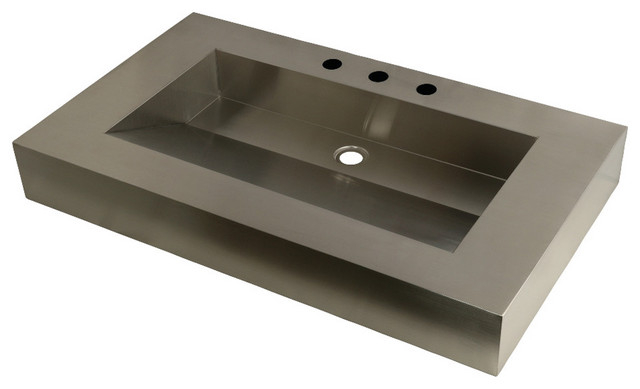
Design and Durability Analysis of the Kingston Brass GLTS37225 Brushed Basin
Choosing the Perfect Small Undermount Sink for Your Home Decor
Material Durability and Maintenance of Kingston Brass VPB24187W4 Ceramic Sink
Expert Insights on Choosing the Right Sink for Your Bathroom Renovation