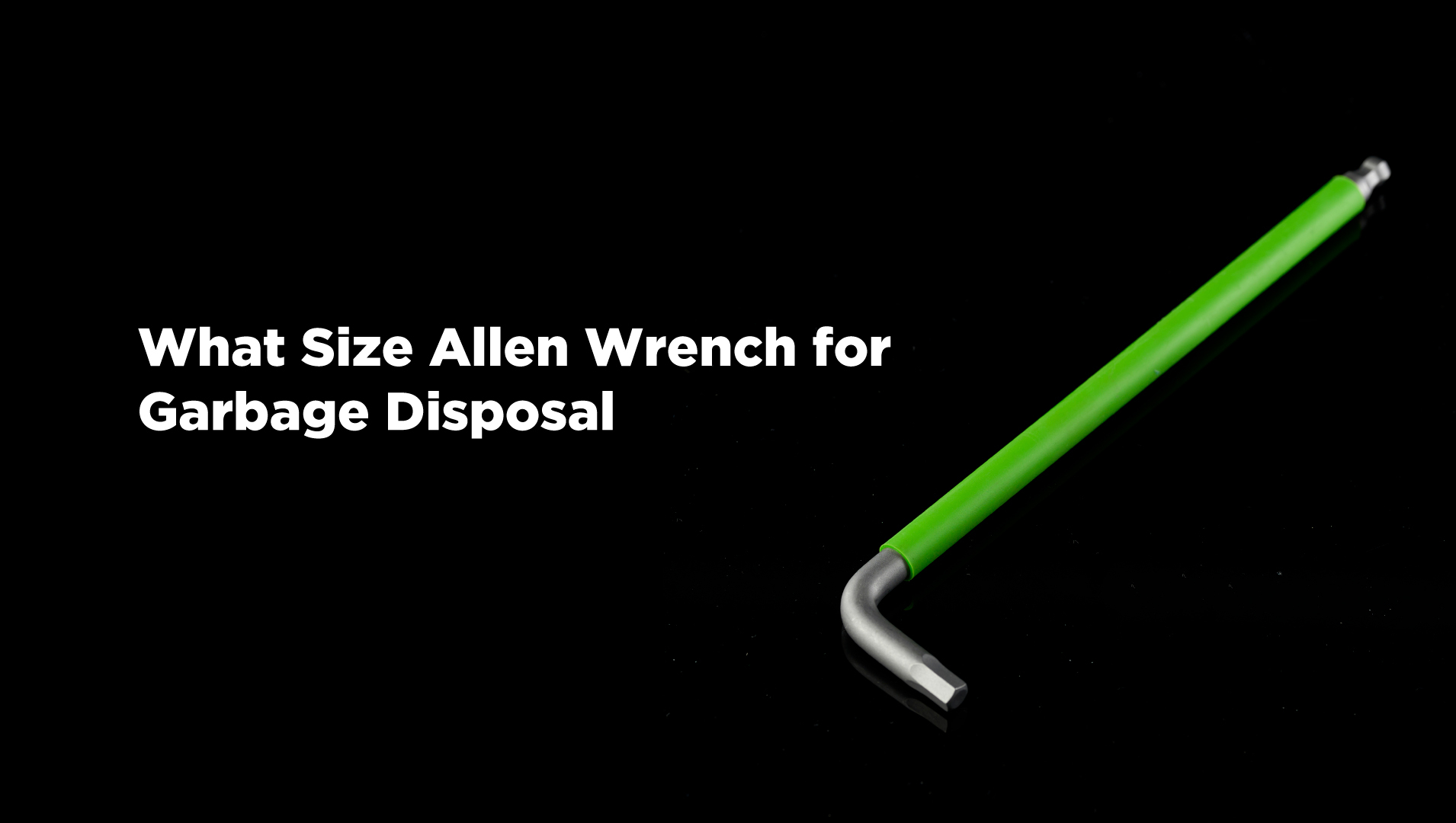
Whether you're fixing a bicycle, assembling furniture, or doing some home repairs, having the right Allen wrench can make all the difference. The correct size isn't just about fitting the bolt or screw - it's about avoiding damage and ensuring your work gets done properly.
Allen wrenches might seem simple, but they're actually incredibly important tools in our daily lives. These hexagonal keys come in various sizes and shapes, and picking the wrong one can lead to stripped screws, damaged equipment, or even injury. Think about it - have you ever tried to tighten a bolt only to find your wrench is too big or too small? That frustrating moment when everything just doesn't fit perfectly. It's more common than you might think, and it's usually because we haven't taken the time to properly identify the correct size.
Understanding Allen Wrench Sizes
Allen wrenches come in standard metric and imperial measurements. The most common sizes range from 1mm to 10mm in metric and 1/32" to 1/4" in imperial. The key is understanding that these measurements aren't always straightforward. For example, a 3mm Allen wrench isn't exactly 3mm across. It's actually measured across the flats of the hexagon. This means the measurement represents the distance between two parallel sides, not the overall width. When shopping for an Allen wrench set, look for one that includes both metric and imperial sizes. Many professionals recommend starting with a set that covers 2mm through 10mm for general household and automotive use.
Reading the Measurements
The measurement on an Allen wrench is typically printed directly on the shaft or the handle. You'll see numbers like 4mm, 5mm, or 6mm. Some manufacturers also use fractional measurements such as 1/4" or 3/8". It's crucial to double-check these measurements before purchasing. If you're working with something that's already assembled, you can often determine the correct size by measuring the bolt head itself. A good rule of thumb is to measure the distance between opposite sides of the hexagonal shape. Don't assume that a 5mm wrench will fit a 5mm bolt - there's usually a slight tolerance, and you want to be precise.
Different Types of Allen Wrenches
Not all Allen wrenches are created equal. There are several types you should know about:
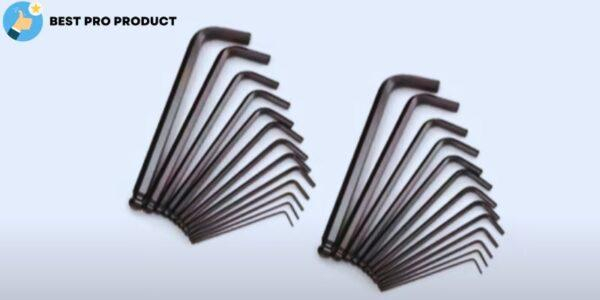
• Standard straight Allen wrenches - These are the most common and basic type. • Offset Allen wrenches - Useful when you have limited space to work with. • T-handle Allen wrenches - Provide better grip and leverage for stubborn bolts. • Combination Allen wrenches - Have both a flat edge and a hexagonal tip. • Torx wrenches - Sometimes confused with Allen wrenches but have a different shape entirely.
Each type serves a specific purpose. For instance, if you're trying to tighten a bolt in a tight corner, an offset wrench might be your best bet. When working on automotive parts, a T-handle provides much more torque than a regular straight wrench.
Common Mistakes to Avoid
Many people make the same errors when choosing Allen wrenches. Here are some typical missteps:
• Using a wrench that's too large - This can strip the screw head or damage the threads. It's like trying to open a bottle with a spoon instead of a proper bottle opener. • Using a wrench that's too small - While less damaging, it can still cause problems with proper tightening. • Not checking the socket size - Sometimes the hole in the bolt isn't the same as the wrench size. • Assuming all wrenches are the same - Different brands can have slightly different tolerances.
These mistakes can cost you time, money, and potentially safety issues. A quick moment of careful measurement can prevent hours of frustration later.
Tools for Finding the Right Size
There are several ways to determine the correct size without guesswork:
• Measuring with a ruler or caliper - The most reliable method for getting exact dimensions. • Comparing with existing tools - If you have other wrenches, compare them side by side. • Consulting manufacturer specifications - Check the product manual or website for exact measurements. • Using a digital micrometer - For the most precise measurements, especially in professional settings.
When you're in doubt, it's always better to measure twice than to guess once. This simple step can save you from costly mistakes and damaged equipment.
Practical Tips for Selection
Here are some practical strategies for choosing the right Allen wrench:
• Keep a quality set at home - Invest in a good set rather than buying cheap individual pieces. • Know your common sizes - Most households use 3mm, 4mm, 5mm, and 6mm wrenches regularly. • Consider your projects - If you do a lot of woodworking, you might need more smaller sizes. • Look for ergonomic handles - These reduce hand fatigue during extended use. • Check for durability - Stainless steel or high-quality alloy construction lasts longer.
Remember, the right tool makes all the difference. A well-chosen Allen wrench can turn a frustrating job into a smooth process. Sometimes the most expensive wrench isn't necessarily the best choice - it's the one that fits your specific needs.
When to Seek Professional Help
Sometimes, despite your best efforts, you might find yourself stuck. If you're dealing with specialized equipment or very tight spaces where standard wrenches won't work, it might be time to consult a professional. Automotive mechanics, appliance repair technicians, and industrial engineers often encounter situations that require specific tools beyond standard Allen wrench sets. Don't hesitate to ask for help when you're unsure about the correct size or when dealing with expensive equipment. It's better to pay for expertise than risk damaging something valuable.
Maintenance and Storage
Once you've found the right Allen wrenches for your needs, proper care is essential. Store them in a dedicated case or organizer to prevent damage and loss. Keep them clean and dry to avoid rust or corrosion. Regularly check for wear or damage to the hexagonal tips, as worn tools can slip and cause injury. A few minutes of maintenance each month can extend the life of your tools significantly. Consider investing in a magnetic storage tray to keep them organized and easily accessible.
Choosing the right Allen wrench isn't just about finding something that fits - it's about making your work safer, easier, and more efficient. Whether you're a seasoned DIYer or someone who just wants to fix things around the house, taking the time to understand your tools pays off in the long run. The investment in proper sizing and quality tools prevents headaches, saves money, and makes every project more enjoyable. Next time you reach for an Allen wrench, take a moment to verify that you've got the right one. It might seem like a small thing, but it can make a huge difference in your success with any project.
Related Posts
What happens to dried ink when clothes go through dryer tumbling

How American Standard HVAC Systems Compare to Trane Brands

Breaking down spray foam insulation costs by type and coverage area

How to Effectively Eliminate Clover from Your Lawn Naturally

The Surprising Reason Why Ladybugs Choose Your House