Glass isn't just pretty to look at anymore. Today's glass vessels are engineered with purpose, designed to handle everything from preserving food to enhancing our living spaces. These aren't your grandmother's jars and bottles. They're smart solutions that blend form and function in ways we never imagined.
When you think about glass containers, you might picture old-fashioned jam jars or those clear bottles that hold your favorite beverages. But contemporary glass vessels have undergone a complete transformation. They've moved far beyond basic storage to become sophisticated tools that influence how we live, work, and interact with our environment. Whether it's a sleek water bottle that keeps drinks cold for hours or a decorative vase that becomes a centerpiece in your home, these modern vessels serve multiple purposes. They're not just containers anymore – they're functional art pieces that seamlessly integrate into our daily routines.
The Science Behind Modern Glass Design
Contemporary glass vessels aren't just beautiful – they're built with scientific principles that enhance their functionality. The materials used today are far more advanced than traditional glass. Many modern vessels incorporate special coatings that prevent scratches, improve durability, and even regulate temperature. For instance, some high-end glass containers feature vacuum insulation similar to thermos bottles. This technology helps maintain the temperature of beverages for extended periods.
The manufacturing process has also evolved significantly. Precision techniques now allow manufacturers to create vessels with consistent thickness and flawless surfaces. This attention to detail means better performance across various applications. Some vessels can withstand extreme temperatures, while others offer enhanced clarity that makes contents more visible. The science behind these improvements isn't just about making things look good – it's about creating practical solutions for modern living.
What's particularly interesting is how engineers now consider factors like weight distribution, grip comfort, and even ergonomic design when creating these vessels. A well-designed glass container should feel right in your hand, not just look attractive. This blend of scientific advancement and thoughtful design creates products that serve their intended functions perfectly.
Smart Features That Go Beyond Basic Storage
Today's glass vessels often include features that were unimaginable just decades ago. Smart containers can monitor contents, track usage, and even communicate with your devices. Some drinking glasses now come with built-in sensors that measure hydration levels and send notifications to your smartphone. Others have integrated LED lights that change color based on temperature or time of day.
The concept of 'smart' glass has also gained traction. These vessels can adjust transparency, filter light, or even display information directly on their surfaces. Imagine a glass that changes its appearance based on the weather outside, or one that shows your daily schedule when placed on a desk. These aren't just novelty items – they represent a new category of functional objects that blend technology with traditional glass craftsmanship.
Many manufacturers are also focusing on sustainability. Some newer vessels incorporate recycled materials without compromising quality. Others are designed to be completely recyclable or even compostable. This approach addresses environmental concerns while maintaining the vessel's core functionality. The result is products that perform well and align with modern values around eco-conscious consumption.
Kitchen Innovation Through Glass Technology
In the kitchen, glass vessels have revolutionized how we store, prepare, and serve food. Modern storage containers now feature specialized designs that extend shelf life and preserve freshness. Some have micro-perforations that allow air circulation while preventing contamination. Others use specialized glass formulations that block harmful UV rays, protecting food from degradation.
Cooking vessels have also seen dramatic improvements. Glass cookware can now withstand oven temperatures up to 500 degrees Fahrenheit, making it suitable for baking, roasting, and even broiling. The transparency allows you to monitor cooking progress without opening the oven door. Many of these vessels are also dishwasher safe, making cleanup effortless.
The versatility extends to serving dishes too. Contemporary glass serving pieces can handle hot foods without warping or cracking. Some even feature innovative shapes that make presentation easier and more appealing. The non-reactive nature of glass means it won't alter flavors, ensuring that your carefully prepared meals taste exactly as intended. These improvements have made glass vessels indispensable in modern kitchens.
Beyond the Kitchen: Glass in Home and Office Spaces
Glass vessels have found their way into many areas of our lives beyond the kitchen. In homes, they serve as both functional items and decorative elements. Modern glass vases can hold arrangements that last weeks instead of days, thanks to improved water retention systems. Some even feature built-in humidifiers that keep flowers fresh longer.
Office environments benefit from glass storage solutions that organize supplies while maintaining a clean aesthetic. Transparent filing containers help quickly locate documents without having to open each box. Glass trays and organizers provide a polished look while offering practical storage options. The ability to see contents at a glance makes these vessels incredibly useful in busy professional settings.
Even personal care routines have been enhanced through glass innovations. Many skincare and beauty products now come in glass packaging that protects ingredients from light damage and maintains product integrity. These containers often feature easy-to-use dispensing mechanisms that make daily routines simpler. The premium feel of glass also adds a touch of sophistication to personal care routines.
Health and Safety Considerations in Modern Glass
Contemporary glass vessels prioritize health and safety in ways that previous generations couldn't match. Many modern containers are BPA-free and made from food-grade materials that won't leach harmful chemicals into contents. This is especially important for items that hold acidic foods or beverages that could react with less-safe materials.
Safety features also include breakage resistance improvements. Some vessels are made with tempered glass that shatters into small, harmless pieces rather than sharp shards. Others have rounded edges and smooth surfaces that reduce injury risks. These considerations are particularly important for households with children or elderly family members.
Temperature safety has also improved significantly. Modern vessels can safely handle both hot and cold extremes without thermal shock. This means you can pour boiling water into a glass container and then immediately place it in the refrigerator without worrying about cracking. Such advancements make glass vessels safer and more reliable for everyday use.
Sustainability and Environmental Impact
One of the most significant shifts in contemporary glass vessel design is the focus on sustainability. Glass is inherently recyclable, and modern manufacturers are taking advantage of this by using recycled content in their products. Some companies now produce vessels entirely from recycled glass, reducing waste and energy consumption.
The longevity of glass vessels contributes to their environmental benefits. Unlike plastic containers that may degrade over time, glass can be reused indefinitely without losing quality. This durability reduces overall consumption and waste generation. Many manufacturers are also designing for end-of-life considerations, ensuring that their products can be easily recycled after use.
Energy efficiency plays a role too. Some modern glass vessels are designed to minimize heat transfer, helping to reduce energy consumption in heating and cooling applications. The thermal properties of glass can actually contribute to better energy management in buildings and homes. These environmental considerations show how glass vessel design has evolved to support sustainable living practices.
Contemporary glass vessels represent more than just containers – they're sophisticated tools that enhance our daily experiences. From the science behind their construction to their practical applications in kitchens, offices, and homes, these modern vessels demonstrate how traditional materials can evolve with changing needs. The integration of smart technology, health considerations, and environmental consciousness shows that glass hasn't just survived – it's thrived in the modern era. As we continue to innovate, these vessels will likely become even more integrated into our lives, serving not just functional purposes but also contributing to healthier, more sustainable ways of living. The next time you pick up a glass container, remember that you're holding more than just a simple vessel – you're experiencing the culmination of decades of design innovation and engineering excellence.
Related Posts
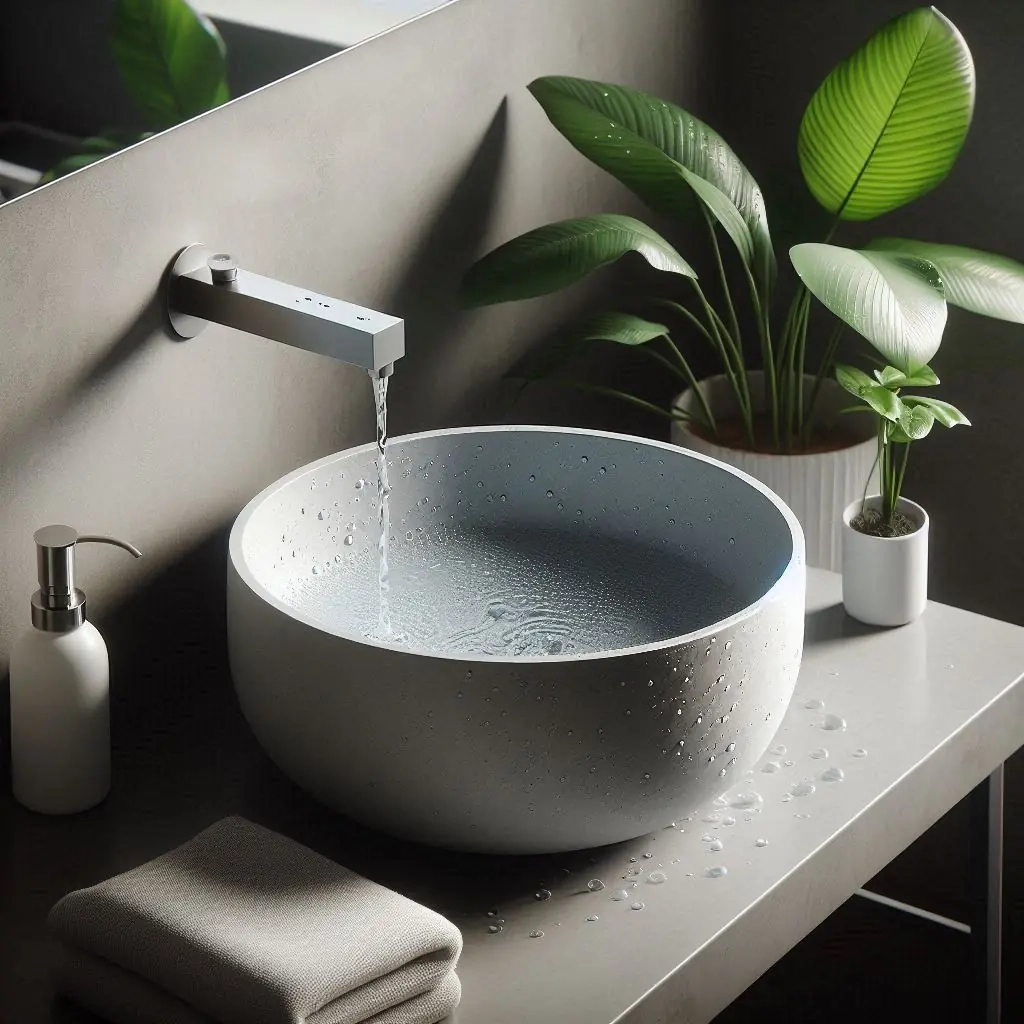
How Ceramic Vessel Sinks Enhance Bathroom Aesthetics and Functionality
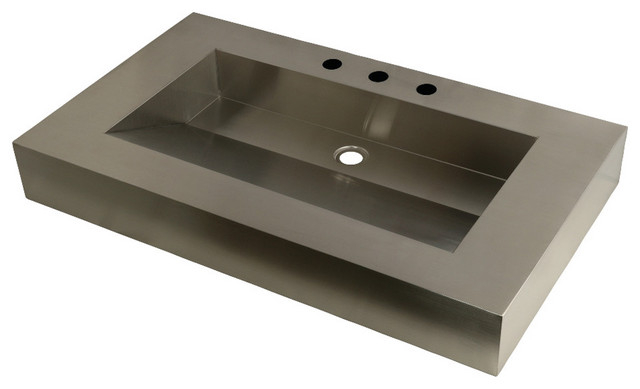
Design and Durability Analysis of the Kingston Brass GLTS37225 Brushed Basin
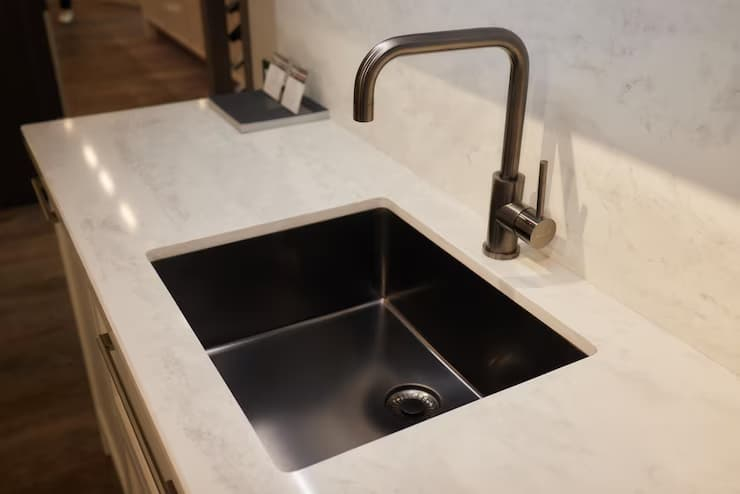
Choosing the Perfect Small Undermount Sink for Your Home Decor
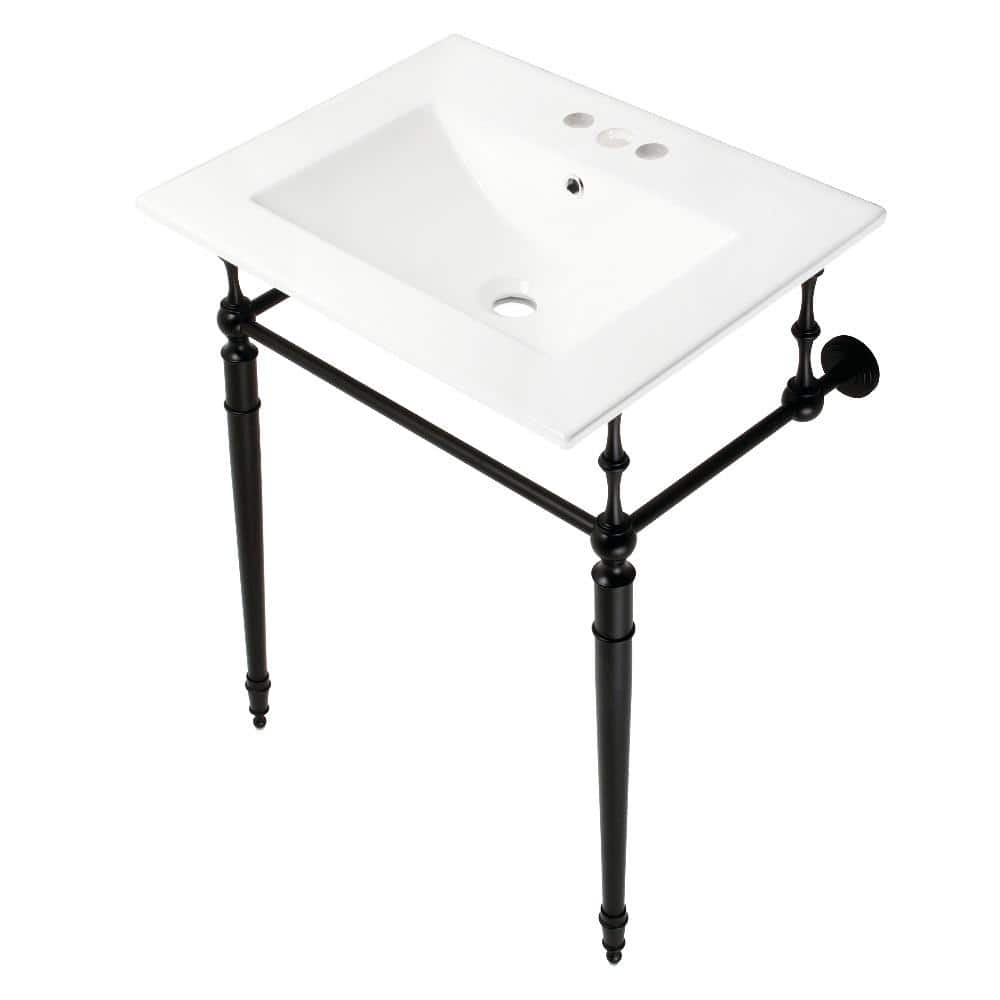
Material Durability and Maintenance of Kingston Brass VPB24187W4 Ceramic Sink
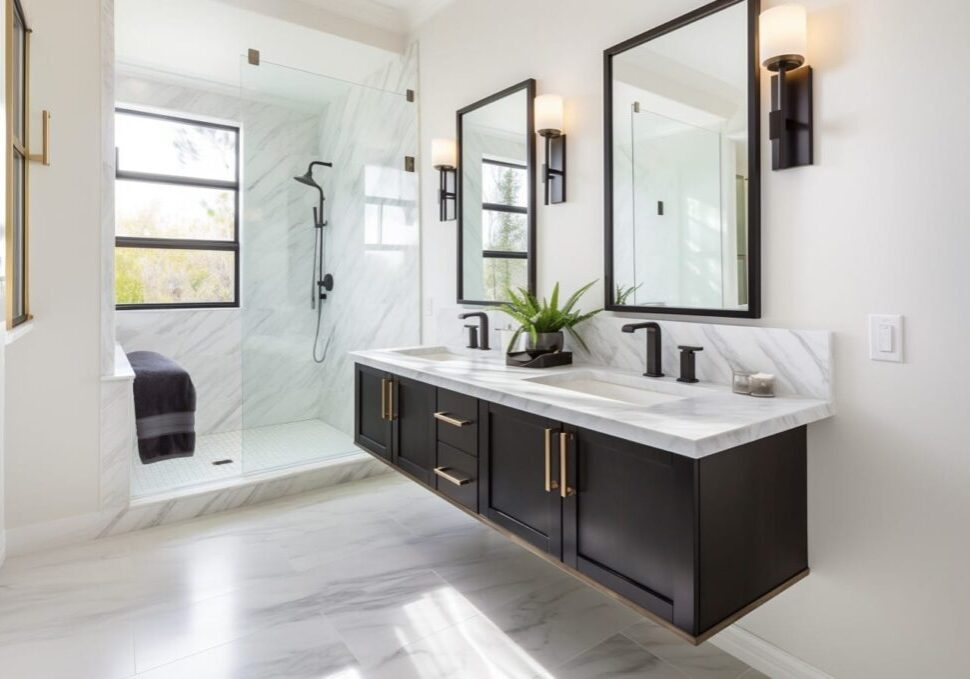
Expert Insights on Choosing the Right Sink for Your Bathroom Renovation