Every time you sit down to enjoy a cup of tea or share stories with friends around a coffee table, you're not just experiencing furniture – you're connecting with thousands of years of cultural storytelling. The Safavieh Persis wicker coffee table isn't just another piece of home decor; it's a bridge between ancient traditions and modern living. These tables carry within their woven frames the whispers of Persian artisans, the echoes of courtly elegance, and the enduring spirit of craftsmanship that has survived centuries of change.
When you first lay eyes on a Safavieh Persis wicker coffee table, something magical happens. The intricate weaving pattern draws you in, not just because of its visual appeal, but because there's something deeper at work here. These tables aren't merely functional objects; they're vessels of history, carrying forward the cultural DNA of Persia through generations of skilled hands. Each strand of wicker tells a story, each weave represents a tradition that spans millennia. The Persis collection, named after the ancient Persian province of Fars, brings together elements of Persian design philosophy with contemporary functionality, creating pieces that speak to both the heart and the home. What makes these tables particularly special isn't just their beauty, but the rich cultural heritage they embody and transmit.
Ancient Roots: Persian Wicker Weaving Traditions
The art of wicker weaving in Persia dates back over two thousand years, with archaeological evidence showing its presence in ancient palaces and royal residences. Persian weavers developed sophisticated techniques that transformed simple plant fibers into intricate patterns that served both aesthetic and practical purposes. The Persis region, with its ideal climate for growing the best wicker materials, became a hub for this craft. Traditional methods were passed down through families, with each generation adding their own subtle variations to established patterns. The weaving process itself was often considered sacred, with specific rituals and ceremonies surrounding the preparation of materials and the commencement of work. These traditions created a unique vocabulary of patterns and techniques that distinguished Persian wicker from similar crafts elsewhere in the world. The geometric motifs found in Persis designs reflect not just artistic preference, but also deep philosophical and spiritual beliefs about harmony, balance, and the interconnectedness of all things.
Design Philosophy: Beauty Meets Functionality
What sets Safavieh Persis wicker tables apart is how they seamlessly blend traditional aesthetics with modern practicality. The design philosophy behind these pieces reflects the Persian concept of 'kheimeh,' which means 'home' or 'dwelling place.' This philosophy emphasizes creating spaces that are both beautiful and comfortable, where every element contributes to the overall sense of well-being and belonging. The tables feature carefully calculated proportions that make them suitable for various room sizes while maintaining their visual impact. The weaving patterns aren't arbitrary; they follow mathematical principles that create visual rhythm and balance. When you examine the surface of a Persis table closely, you'll notice how the patterns create a sense of movement and flow, almost like watching water ripple across a calm pond. This attention to detail extends to the hardware used in construction, ensuring that the final product is not just visually pleasing but also durable and long-lasting.
Cultural Symbols: Hidden Meanings in Every Pattern
Persian wicker designs are far from simple decoration – they're repositories of cultural symbolism that have been refined over centuries. The geometric patterns found in Persis tables often represent fundamental concepts in Persian culture and cosmology. For example, certain spiral motifs may symbolize the cycle of life and death, while others represent the connection between earth and sky. The repetition of specific shapes creates a visual language that speaks to those familiar with Persian traditions, even if they don't consciously recognize the meanings. Many of these symbols have evolved over time, adapting to new contexts while retaining their essential significance. Some patterns incorporate elements that reference historical events or mythological narratives, serving as a form of visual storytelling. The way different colors are combined in the wicker also carries meaning, with certain combinations associated with particular seasons, emotions, or spiritual states.
Craftsmanship Excellence: The Artisan's Touch
Creating a Safavieh Persis wicker coffee table requires months of specialized training and countless hours of practice. Master craftspeople begin their apprenticeships at a young age, learning not just the technical skills but also the cultural context behind each technique. The selection of raw materials is crucial – only the finest reeds and vines are chosen, often sourced from specific regions known for producing high-quality wicker. The preparation process involves careful soaking, drying, and treating of materials to ensure consistency and durability. Each table is handcrafted by skilled artisans who possess an intuitive understanding of how different tensions and angles affect the final result. The weaving itself requires precise control and steady hands, with even the smallest deviation potentially affecting the entire pattern. Many craftsmen spend years perfecting their technique before they're ready to create pieces of the quality seen in Safavieh collections. The finishing touches, including sanding and polishing, are equally important in achieving the smooth, elegant surfaces that define these tables.
Modern Adaptations: Bridging Past and Present
While deeply rooted in tradition, the Safavieh Persis line demonstrates remarkable adaptability to contemporary lifestyles. Modern versions incorporate new materials and manufacturing processes without sacrificing the essential character of traditional designs. The company has successfully balanced preserving authentic techniques with meeting current market demands for durability and ease of maintenance. Contemporary customers appreciate how these tables can complement both traditional and modern interior styles, serving as focal points that enhance rather than compete with other design elements. The versatility of the Persis collection allows it to work in various settings – from formal living rooms to casual family spaces. This flexibility speaks to the universal appeal of well-crafted design that honors its origins while remaining relevant to today's consumers. The brand has also responded to environmental concerns by exploring sustainable sourcing practices and eco-friendly treatments for materials.
Global Impact: Cultural Exchange Through Design
The popularity of Safavieh Persis wicker tables has created a fascinating cultural exchange that transcends geographical boundaries. These pieces have found homes in countries far from Persia, where they're appreciated not just for their beauty but for the stories they carry. International collectors and designers have embraced the Persian aesthetic, incorporating these tables into global design movements. The influence of Persian wicker techniques can now be seen in contemporary furniture designs worldwide, demonstrating how traditional crafts can inspire innovation. Museums and cultural institutions have recognized the importance of preserving these design traditions, leading to documentation projects and educational programs. The international success of these tables has also provided economic opportunities for Persian artisans, helping to sustain traditional crafts in their homeland. This global appreciation has created a renewed interest in Persian design among younger generations, ensuring that these traditions will continue to evolve and thrive.
The Safavieh Persis wicker coffee table represents much more than furniture – it embodies centuries of Persian cultural heritage, artistic excellence, and human creativity. Every table tells a story of tradition, skill, and cultural identity that connects us to our ancestors while remaining relevant to contemporary life. These pieces remind us that great design doesn't happen overnight; it emerges from patient dedication, cultural wisdom, and the collective memory of generations of artisans. Whether you're placing it in your living room or displaying it in a gallery, a Persis table carries with it the weight of history and the promise of future generations. In a world increasingly dominated by mass production and fleeting trends, these tables stand as testaments to the enduring power of craftsmanship and cultural preservation. They invite us to slow down, appreciate the details, and recognize that the objects we surround ourselves with can be more than functional – they can be meaningful.


Related Posts

Practical guide to layering textures for a beautiful fall dinner
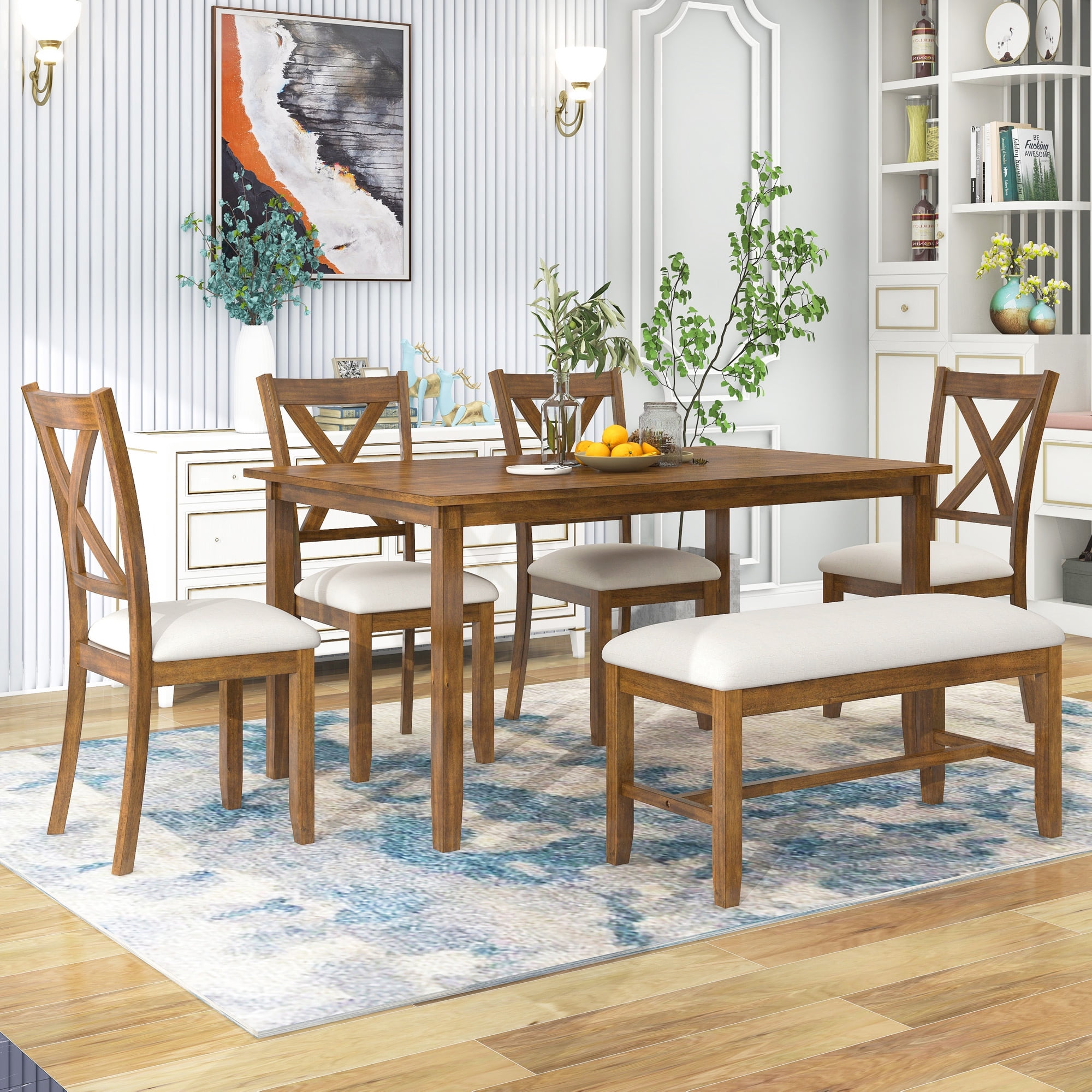
Why the Difference Between Dining Table and Chair Heights Matters More Than You Think

How vintage metal finishes enhance handcrafted mango wood coffee table designs

The Craftsmanship Behind Contemporary Coffee Table Designs

Understanding the Appeal of Whitman Rectangular Cocktail Table - White in Modern Interiors