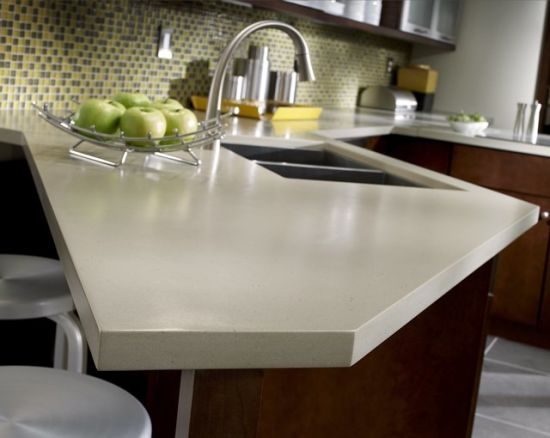
When it comes to kitchen renovations, few decisions are as important as choosing the perfect countertop material. Royal reinforced acrylic countertops have gained popularity for their durability, aesthetics, and versatility. But with so many options available, how do you pick the right one? Let's explore what makes these countertops special and how to make the best choice for your space.
Countertops are the unsung heroes of any kitchen. They bear the daily wear and tear of cooking, cleaning, and food preparation while also serving as the centerpiece of your culinary space. When it comes to modern materials, royal reinforced acrylic countertops stand out as a top choice for homeowners looking for both beauty and functionality. These countertops combine the visual appeal of natural stone with the practical benefits of synthetic materials. But before diving into the shopping experience, it's crucial to understand what makes these countertops unique and how to evaluate them properly. Whether you're planning a full kitchen remodel or just updating your island, understanding the ins and outs of royal reinforced acrylic will save you time, money, and headaches down the road.
What Makes Royal Reinforced Acrylic Countertops Special
Royal reinforced acrylic countertops aren't just another countertop option—they're engineered to deliver exceptional performance. These materials are created by combining high-quality acrylic resins with reinforcing materials like fiberglass or other fibers. This creates a surface that's incredibly strong yet maintains the elegant look of natural stone. Think of it like building a house with both steel and wood—the structure gets the strength of steel while keeping the warmth of wood. The result is a countertop that can handle heavy pots, sharp knives, and hot pans without showing damage. What really sets these countertops apart is their resistance to stains, scratches, and temperature changes. Unlike some materials that might discolor over time or crack under stress, royal reinforced acrylic maintains its appearance year after year. The manufacturing process ensures consistency in color and pattern, something that natural stone simply cannot guarantee. Plus, they offer a seamless look that eliminates those annoying joints found in many other countertop materials.
Key Features to Consider Before Purchase
Before making your final decision, take time to examine several critical features that determine how well a royal reinforced acrylic countertop will work for your needs. First, consider the thickness of the material. Most options range from 1.25 inches to 2 inches thick. Thicker countertops tend to be more durable and less prone to warping, but they also cost more and may require additional support. Next, look at the edge profiles available. Some manufacturers offer classic straight edges, while others provide rounded or decorative edges that can completely change your kitchen's aesthetic. The surface texture also matters significantly. Some countertops have a smooth finish that mimics natural stone, while others feature a more textured look that adds character. Another important factor is the color range. While many countertops come in neutral tones like white, gray, or beige, some brands offer bold options like deep blues or rich blacks. Finally, consider whether the manufacturer offers warranties. A good warranty typically covers defects in material and workmanship for several years, giving you peace of mind about your investment.
Comparing Different Types of Acrylic Materials
Not all acrylic countertops are created equal, and understanding the differences can help you make an informed choice. Standard acrylic countertops are made with basic resins and may lack the reinforcement that makes royal reinforced versions special. These basic options often show scratches more easily and can fade over time. Reinforced acrylic, on the other hand, includes fibers or other strengthening elements that significantly improve durability. Some manufacturers add fiberglass specifically for extra strength. Others incorporate mineral fillers that enhance the material's resistance to heat and chemicals. There's also a distinction between solid surface and laminated acrylic. Solid surface acrylics are uniform throughout, meaning chips or scratches can be sanded out and repaired easily. Laminated versions have a surface layer applied over a base material, which might be more prone to delamination over time. Additionally, some premium brands use specialized additives that provide antimicrobial properties, helping to keep your kitchen surfaces cleaner. Understanding these distinctions helps you choose based on your specific lifestyle and maintenance preferences.
Installation Considerations and Professional Help
Installing royal reinforced acrylic countertops requires careful attention to detail, and professional installation is often worth the investment. These countertops are heavy—typically weighing around 10 pounds per square foot—which means proper support is essential. Many installers recommend adding extra brackets or supports beneath the countertop, especially for overhangs. The cutting process also requires specialized tools, and improper cuts can lead to cracks or uneven edges. Professional installers understand how to handle these materials properly and can ensure that all seams are perfectly aligned and sealed. It's also important to note that some countertops require specific preparation of the cabinetry before installation. This might include adjusting cabinet heights or modifying existing hardware. Hiring a qualified installer also means they can address any unexpected issues that arise during the process. For example, if your cabinets aren't perfectly level, an experienced installer knows how to compensate for small variations. The time investment upfront pays off in the long run with a flawless finished product.
Maintenance and Long-Term Care Tips
Once installed, royal reinforced acrylic countertops require relatively simple maintenance compared to other materials. Regular cleaning with mild soap and water usually keeps them looking fresh. The non-porous nature of acrylic means that most spills won't penetrate the surface, making cleanup straightforward. However, there are some care practices that will extend the life of your countertop. Avoid placing extremely hot items directly on the surface, even though the material handles heat reasonably well. Always use trivets or hot pads when placing pots or pans on the counter. Be mindful of sharp objects that could potentially scratch the surface, although these countertops are quite resistant to normal household wear. For deeper cleaning, use non-abrasive cleaners and avoid harsh chemicals that might damage the finish. Some people find that applying a light coat of furniture wax every few months helps maintain the luster. Remember that while these countertops are tough, they're not indestructible. With proper care, they'll serve you well for decades, maintaining their beauty and functionality.
Budget Considerations and Value Assessment
When it comes to budgeting for royal reinforced acrylic countertops, prices vary considerably based on several factors. Basic options can start around $40 per square foot, while premium brands with unique designs or colors might cost $80 or more. The total cost depends heavily on the complexity of the design, the thickness chosen, and whether you want custom features like integrated sinks or unique edge profiles. It's also important to consider the total project costs, including installation fees, which typically range from $30 to $50 per square foot. Factor in any necessary cabinet modifications or additional support structures that might be required. Compare these costs against other countertop options like granite or quartz to get a full picture of value. Royal reinforced acrylic often provides excellent value because of its longevity and low maintenance requirements. While initial costs might seem higher than some alternatives, the long-term savings in repairs and replacements can make it a wise financial decision. Remember that the quality of the material affects the overall value, so don't compromise on essential features just to save a few dollars.
Choosing the right royal reinforced acrylic countertop for your home renovation is a decision that deserves careful thought and consideration. These countertops offer a unique combination of beauty, durability, and ease of maintenance that makes them an excellent choice for many homeowners. By understanding the different types of materials, installation requirements, and maintenance needs, you can make a confident decision that suits your lifestyle and budget. Whether you're drawn to the classic elegance of neutral tones or prefer the bold statement of dramatic colors, there's likely a royal reinforced acrylic option that fits your vision. Remember that while these countertops are built to last, proper installation and regular care are essential for maintaining their appearance and performance. Take the time to research thoroughly, consult with professionals, and choose a product that reflects both your personal style and your practical needs. With the right selection, your new countertops will become a source of pride and enjoyment for years to come.
Related Posts
How Ceramic Vessel Sinks Enhance Bathroom Aesthetics and Functionality
Design and Durability Analysis of the Kingston Brass GLTS37225 Brushed Basin
Choosing the Perfect Small Undermount Sink for Your Home Decor
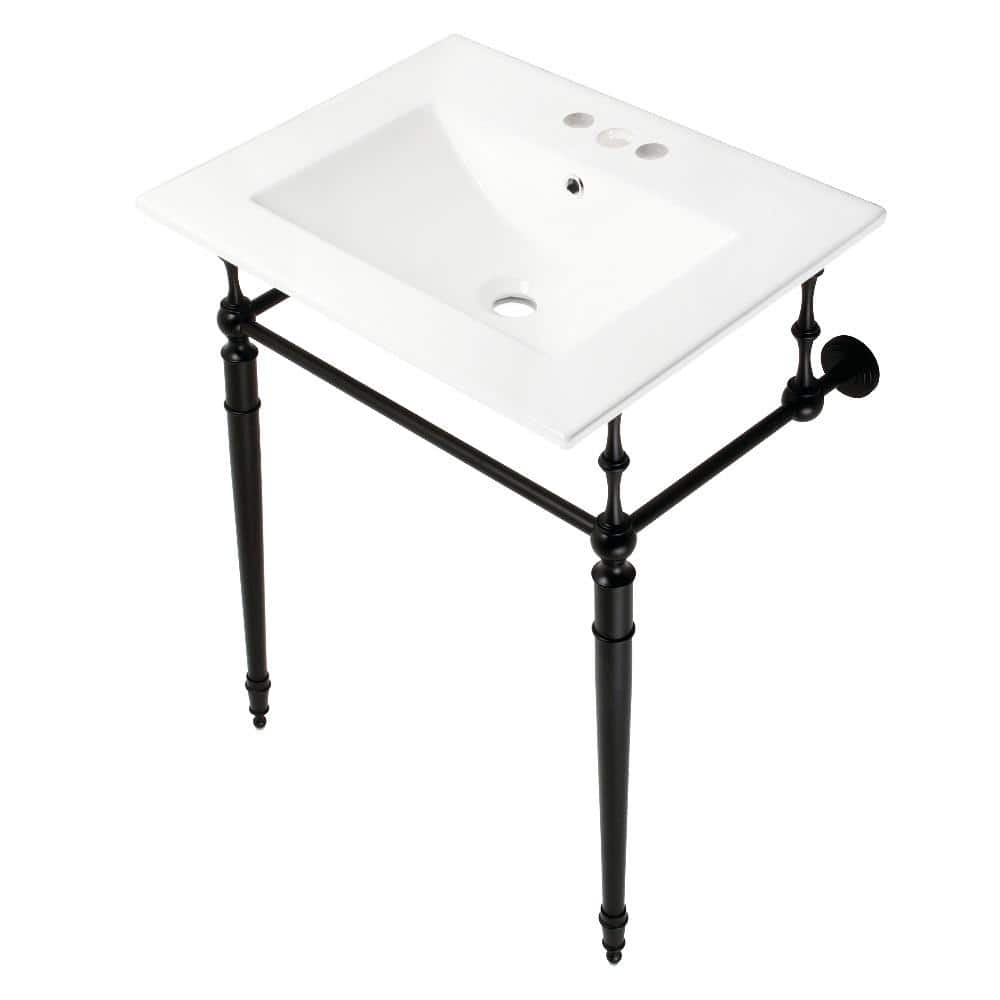
Material Durability and Maintenance of Kingston Brass VPB24187W4 Ceramic Sink
Expert Insights on Choosing the Right Sink for Your Bathroom Renovation