So, you've got a new ladder back chair, and it's sitting there in its box, a puzzle waiting to be solved. Don't let that overwhelm you. Assembling furniture can feel like a chore, but with a little guidance, it can actually be a satisfying experience. We're going to walk through this together, making sure you get that sturdy, beautiful chair ready for use without any fuss. Let's get started and transform that pile of parts into a functional piece of furniture.
There's a certain charm to a ladder back chair, isn't there? Its classic design can fit into so many spaces, from a cozy dining nook to a rustic living room. But before it can add that touch of style and comfort, it needs to be put together. Many people find furniture assembly a bit daunting, but honestly, it doesn't have to be. Think of it like a fun project, a chance to build something with your own hands. This guide is designed to take the mystery out of assembling your ladder back chair, breaking down the whole process into simple, manageable steps. We'll cover everything from unpacking to the final tighten, ensuring you have a strong and stable chair you can be proud of. Ready to build? Let's dive in.
Step 1: Unboxing and Inventory - The Foundation of Success
First things first, let's get everything out of the box. Take your time and lay all the pieces out on a clean, flat surface. A rug or a blanket can be a good idea to prevent scratches on both your floor and the chair parts. Now, find that instruction manual. It's your best friend in this process. Carefully check each part against the list in the manual. Are all the screws, bolts, washers, and wooden pieces accounted for? It’s super important to do this before you start screwing things together. Discovering a missing piece halfway through can be a real bummer, and it's much easier to sort out now. If anything seems off, reach out to the manufacturer right away. A quick inventory prevents future headaches, trust me.
Step 2: Gathering Your Tools - The Right Gear for the Job
Most ladder back chairs come with the basic tools you'll need, often an Allen wrench or a simple screwdriver. But sometimes, having a few extra tools can make the job smoother. A Phillips head screwdriver is usually a must. If the instructions mention it, a rubber mallet can be handy for gently tapping pieces into place, especially dowels. Don't go crazy with a regular hammer; you don't want to damage the wood. And a power drill with a low torque setting can speed things up, but be very careful not to overtighten screws, as this can strip the wood or the screw head. Having your tools ready before you begin means you won't be hunting for them later.
Step 3: Assembling the Frame - Building the Structure
This is where the chair really starts to take shape. Usually, you'll begin with the legs and the seat frame. Connect the front legs to the seat base, and then attach the back legs. Pay close attention to the orientation of each piece. Many parts are designed to fit only one way. Don't force anything. If two pieces don't seem to align, double-check the instructions and the shape of the components. Often, there are pre-drilled holes for screws or dowels. Insert dowels first, then align the corresponding holes, and then secure with screws or bolts. It's often best to hand-tighten screws initially. This allows for a bit of wiggle room to get everything perfectly aligned before you tighten them fully.
Step 4: Attaching the Backrest - The Signature Ladder Look
The ladder back itself is the defining feature, and attaching it can be quite straightforward. This usually involves connecting the vertical side rails of the backrest to the rear legs or the seat frame. Then, you'll add the horizontal slats that give it that 'ladder' appearance. Again, check the orientation of these slats. Some might have a slightly curved edge or a specific side that faces forward. Ensure they are seated correctly before you fasten them. This part of the assembly requires precision to ensure the backrest is stable and looks right. Take your time to get the spacing and alignment just so.
Step 5: Final Tightening and Inspection - Ensuring Stability
Once all the main components are in place, it's time for the final tighten. Go back to every screw and bolt you've installed and tighten them securely. Don't overtighten, but make sure they are snug. A wobbly chair is no good! Gently rock the chair to check for any instability. If you notice any looseness, identify which connection needs further tightening. Also, give the entire chair a good visual inspection. Are all the pieces flush? Does it look symmetrical? Are there any gaps that shouldn't be there? This is your chance to catch any minor issues before you start using the chair regularly.
Step 6: Adding Finishing Touches and Care
Some chairs come with plastic caps to cover screw heads, giving a cleaner look. If yours does, pop them into place. If you've assembled a wooden chair, you might want to consider applying a furniture polish or protector, especially if it's going to be in a high-traffic area or exposed to sunlight. This not only enhances its appearance but also helps preserve the wood. And there you have it! A fully assembled ladder back chair, ready for you to enjoy. Remember to periodically check the tightness of the screws, especially after the first few weeks of use, as wood can settle.
See? Assembling your ladder back chair wasn't so bad, was it? By following these steps, taking your time, and paying attention to the details, you've successfully built a functional and attractive piece of furniture. It’s a rewarding feeling to know you put it together yourself. Now, go ahead and place it in your favorite spot. Whether it's for extra seating, a decorative accent, or just a place to rest your feet, you've earned the right to enjoy it. Happy building, and more importantly, happy relaxing!


Related Posts

Kitchen Island vs Peninsula Compared for Flow Storage and Everyday Use
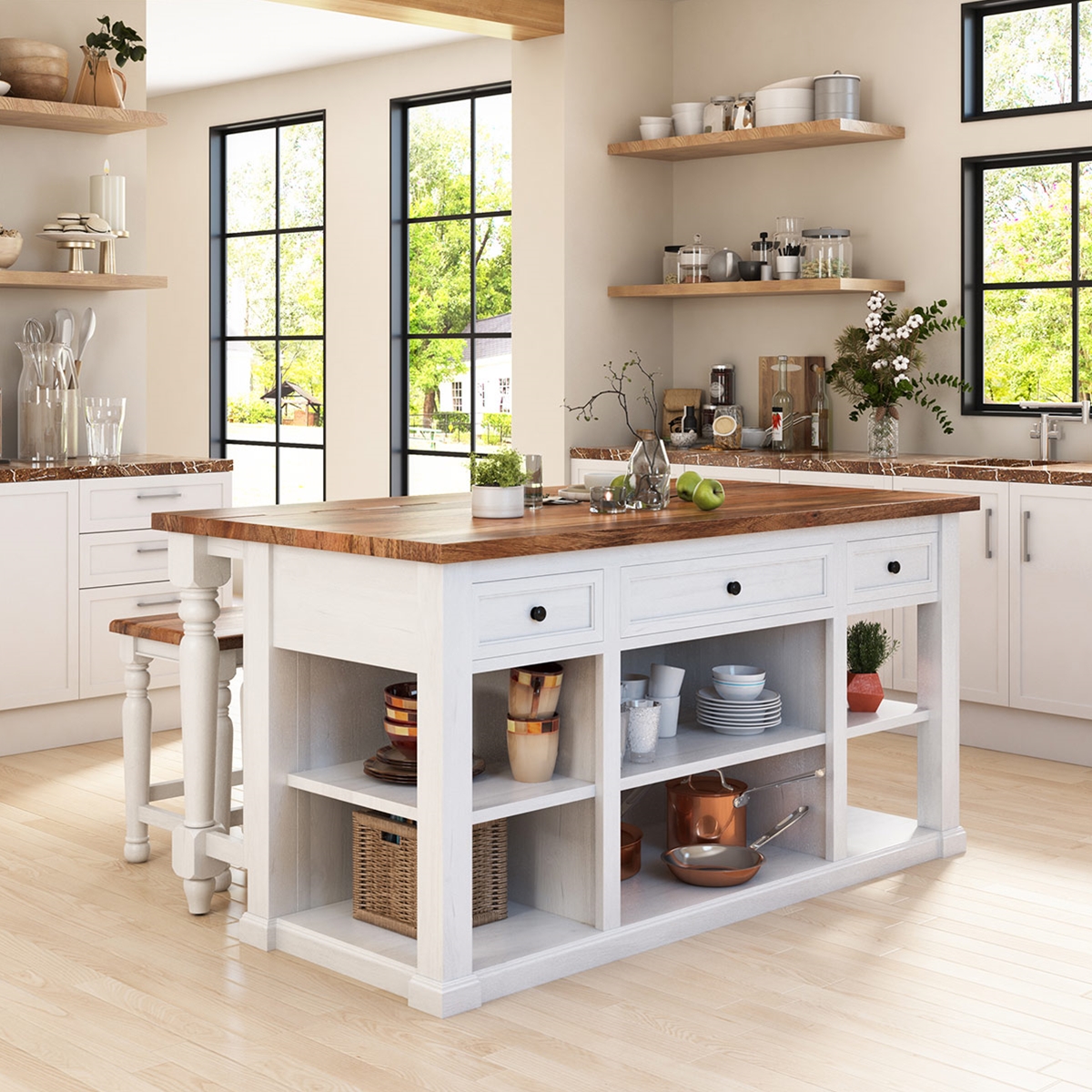
Smarter Ways to Plan a Functional Kitchen Island for Modern Living in 2026
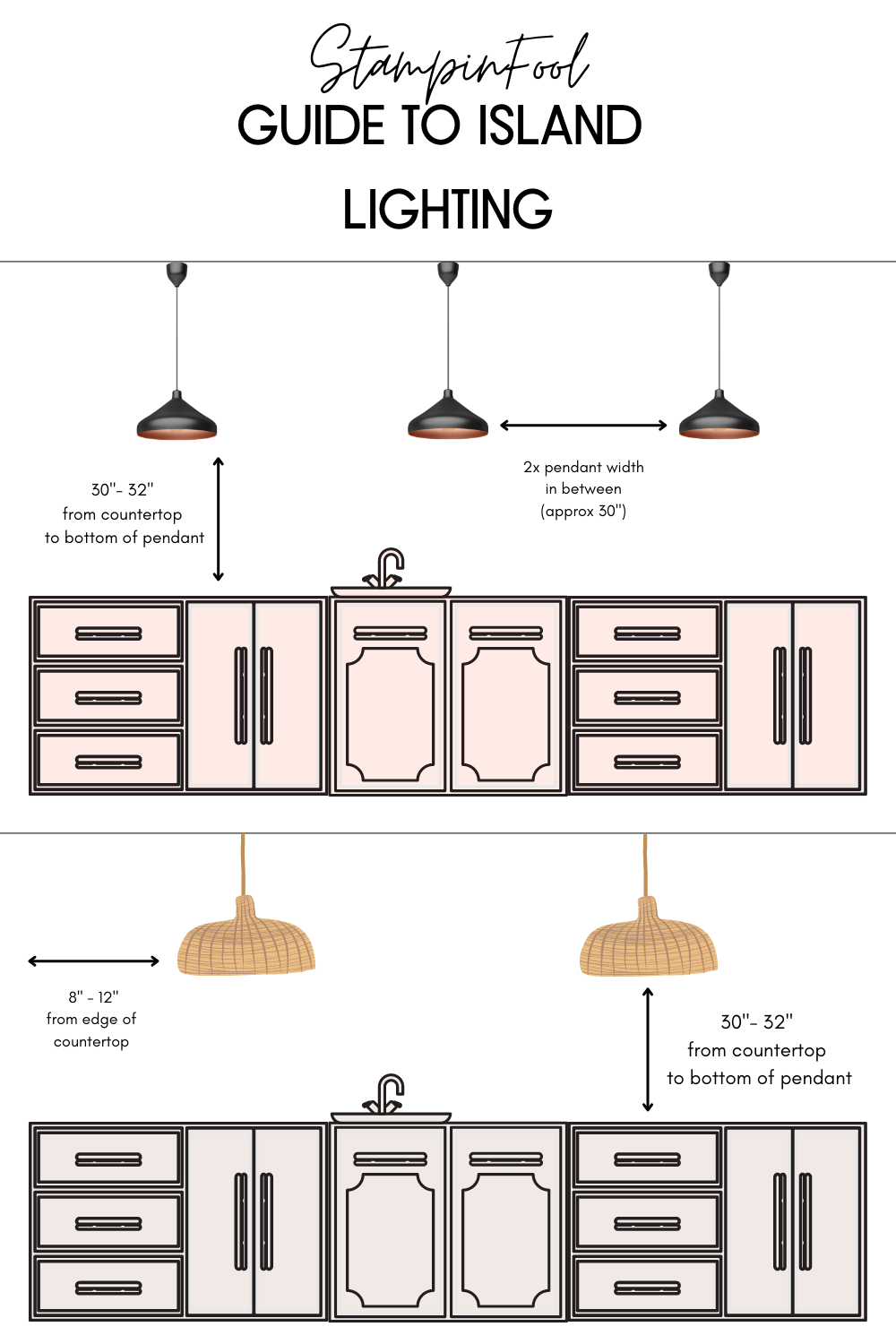
How to Layer Kitchen Island Lighting for Both Cooking and Gathering

Rethinking Your Kitchen Island Layout With Ideas Grounded in Real Everyday Use

The practical benefits of using 24x48 porcelain stone effect tiles in homes