Imagine walking into a cold house and feeling the warmth rush in like a gentle embrace. That's what forced air heating does for millions of homes across America. It's not just about turning on a switch and feeling cozy – it's about understanding how this remarkable technology works behind the scenes to keep us comfortable all winter long.
Forced air heating systems have been the backbone of residential comfort for decades. Whether you've lived in a cozy cottage or a sprawling suburban home, chances are you've experienced the steady flow of warm air that comes from vents scattered throughout your living spaces. These systems work tirelessly behind the scenes, often unnoticed until they're not working properly. But what exactly makes them tick? How do they transform cold air into that comforting warmth we all crave? Let's take a journey through the fascinating world of forced air heating technologies.
How Forced Air Heating Works
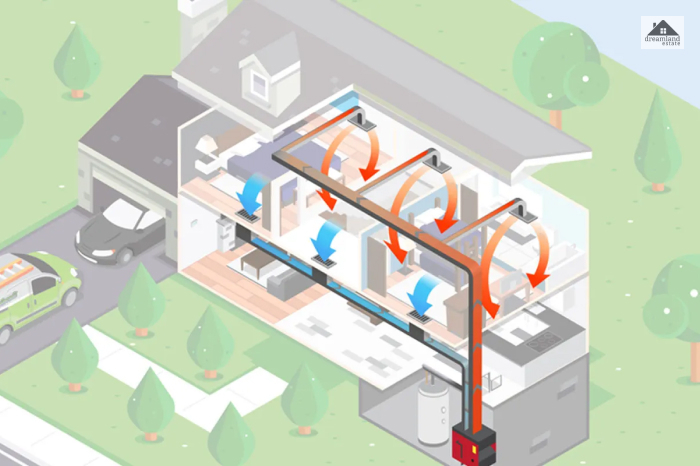
At its core, forced air heating is a simple concept wrapped in sophisticated engineering. Picture this: a furnace or heat pump draws in cool air from your home, heats it up using either gas flames or electric elements, then pushes that warmed air through a network of ducts. The system uses a blower fan to force air through these ducts, distributing it evenly throughout your living spaces via vents or registers.
Think of it like a giant straw that can move air in both directions. When you turn on your thermostat, it sends a signal to the furnace to start heating. The blower fan kicks in, creating pressure that pushes air through the system. This isn't just about moving air – it's about moving heated air efficiently and effectively to where it's needed most.
The beauty of this system lies in its ability to handle large volumes of air quickly. Unlike some heating methods that rely on radiant heat or convection alone, forced air systems can rapidly warm entire rooms. They're particularly effective because they don't just heat individual objects – they heat the air itself, which then naturally circulates through your space.
Types of Forced Air Systems
Not all forced air systems are created equal. Understanding the different types helps homeowners make informed decisions about installation and maintenance:
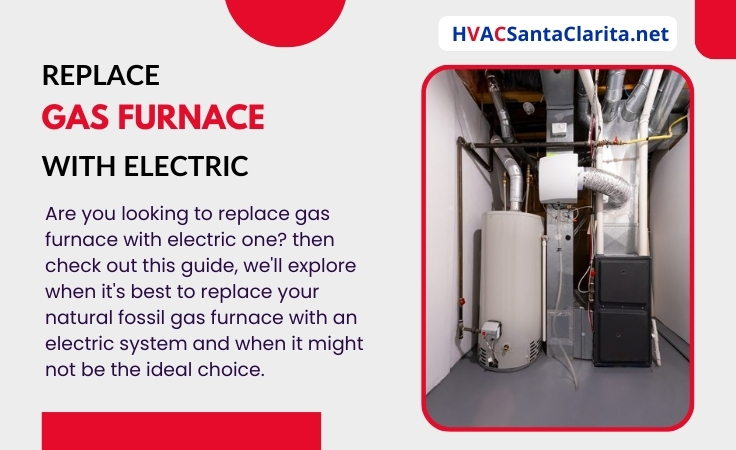
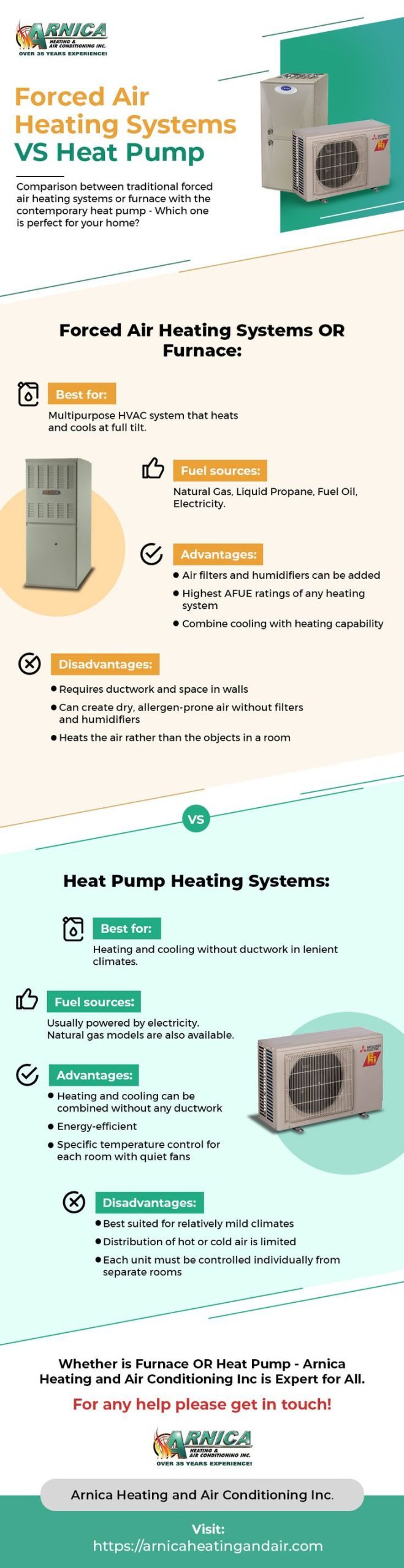
• Gas Furnaces: These use natural gas or propane to generate heat. They're typically very efficient and cost-effective to operate, especially in areas with low gas prices. A typical gas furnace can heat an entire home with minimal energy input.
• Electric Furnaces: These rely entirely on electricity to heat air. While they don't require fuel delivery, they can be expensive to run during peak heating seasons. However, they're excellent for smaller spaces or supplemental heating.
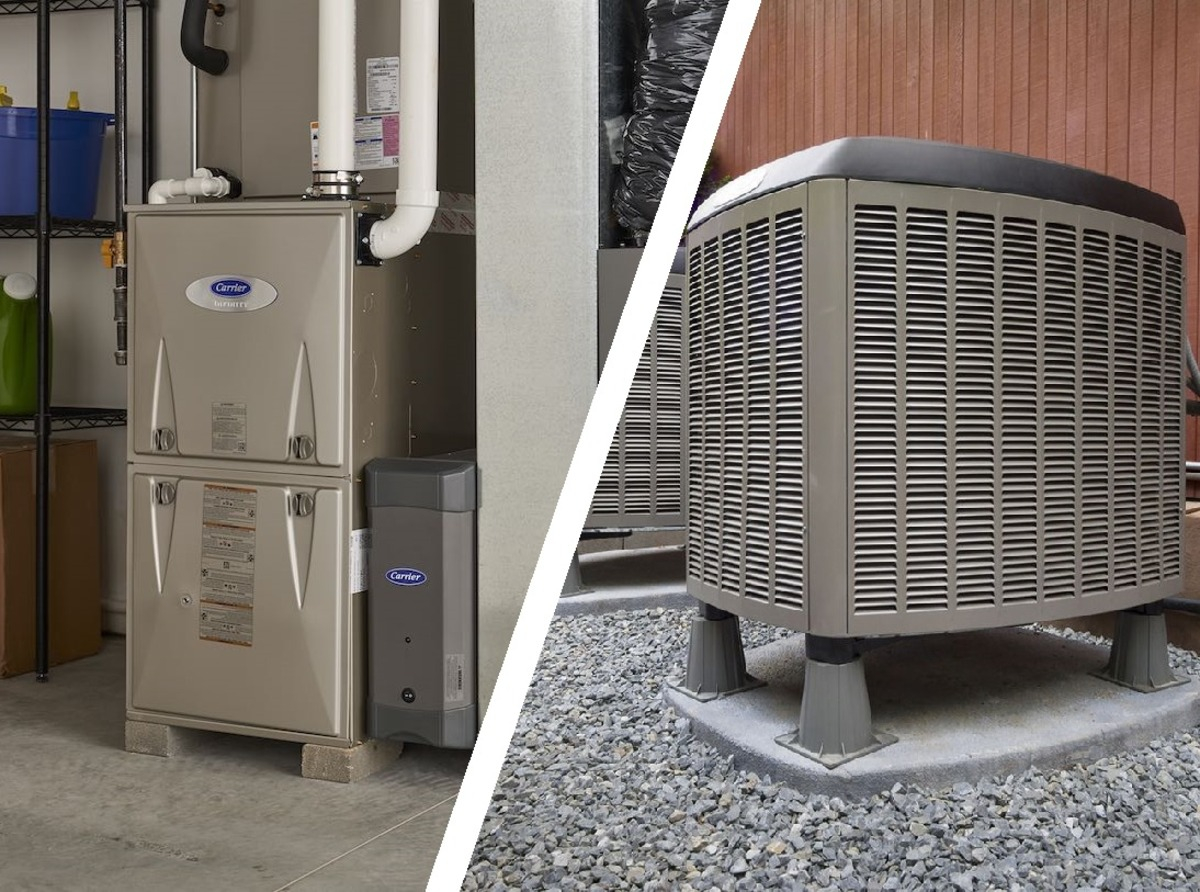
• Heat Pumps: These are incredibly versatile systems that can both heat and cool your home. In winter, they pull heat from outside air and move it indoors. During summer, they reverse the process. Heat pumps are energy-efficient and can provide year-round comfort.
• Dual Fuel Systems: Combining a furnace with a heat pump creates a hybrid approach. The system automatically switches between heating methods based on outdoor temperatures, optimizing efficiency and reducing costs.
Key Components Explained
Every forced air system relies on several essential parts working together seamlessly:
• Furnace/Heat Pump Unit: This is the heart of the operation. It contains the heat source and the blower motor that moves air through the system. Modern units are designed to be highly efficient, often reaching 90%+ AFUE ratings.
• Blower Motor: Think of this as the lungs of your heating system. It's responsible for pulling cool air in and pushing heated air out. The motor needs regular maintenance to ensure optimal performance.
• Ductwork: These are the pathways that carry air throughout your home. Properly sealed and insulated ducts are crucial for maintaining efficiency. Leaky ducts can waste 20-30% of your heating energy.
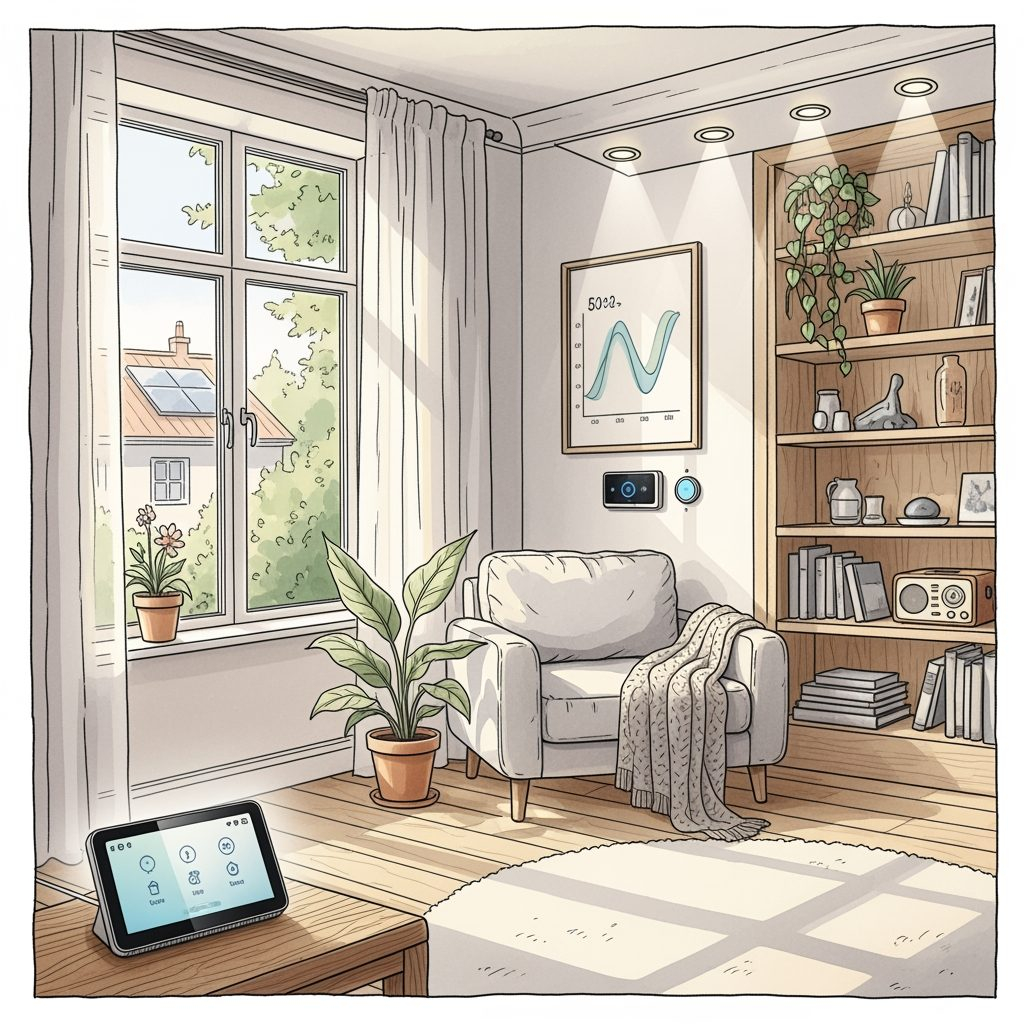
• Thermostat: This is your system's brain. It monitors temperature and signals when heating is needed. Smart thermostats can learn your preferences and adjust automatically.
• Air Filters: These protect your system from dust and debris while improving indoor air quality. Regular filter changes prevent system strain and maintain airflow.
Efficiency Considerations
Energy efficiency matters more than ever in today's world. Here's what to know about maximizing your system's performance:
Modern forced air systems vary significantly in efficiency ratings. The Annual Fuel Utilization Efficiency (AFUE) rating tells you how much of the fuel actually gets converted to heat. A system with 90% AFUE means 90 cents of every dollar spent on fuel becomes usable heat.
Several factors affect overall efficiency:
• System Age: Older systems may be 60-70% efficient, while modern units can reach 95%+.
• Maintenance: Regular tune-ups can improve efficiency by up to 15%.
• Duct Sealing: Properly sealed ducts prevent heat loss in the distribution system.
• Insulation: Well-insulated homes require less heating, reducing system workload.
• Proper Sizing: An oversized or undersized system will struggle to maintain comfort efficiently.
Common Problems and Solutions
Even the best systems experience issues over time. Recognizing common problems early can save you money and stress:
• No Heat: Often caused by power issues, blown fuses, or thermostat problems. Check your circuit breaker first.
• Uneven Heating: Could indicate duct leaks, poor insulation, or blocked vents. Professional inspection helps identify root causes.
• Strange Noises: Rattling, squealing, or grinding sounds might signal loose components or motor problems.
• Poor Air Quality: Dirty filters or inadequate ventilation lead to stuffy, uncomfortable air.
• High Energy Bills: Sudden increases often indicate system inefficiency or duct problems.
Regular maintenance prevents many of these issues. Most experts recommend annual service checks to keep systems running smoothly and efficiently.
Modern Innovations and Trends
Technology continues to revolutionize forced air heating systems. Today's innovations make these systems smarter, more efficient, and more user-friendly:
• Smart Thermostats: These devices learn your schedule and preferences, automatically adjusting temperatures to maximize comfort while minimizing energy use. Some models even integrate with smartphones for remote control.
• Variable-Speed Blowers: Unlike traditional single-speed motors, these adapt their speed based on heating needs. They're quieter and more efficient, providing consistent temperatures.
• Two-Stage Heating: These systems operate at lower capacity most of the time, switching to high output only when necessary. This provides better temperature control and reduced energy consumption.
• Zoning Systems: Multiple thermostats allow different areas of your home to be heated independently. This flexibility saves energy and improves comfort.
• Improved Duct Design: Modern materials and construction techniques make duct systems more airtight and energy-efficient than ever before.
Forced air heating systems represent one of the most reliable and widespread solutions for home comfort. From the ancient practice of burning wood to today's sophisticated electronic controls, heating technology has evolved dramatically. Understanding how these systems work empowers homeowners to make better choices about installation, maintenance, and energy usage. Whether you're considering a new system, troubleshooting current problems, or simply curious about how your home stays warm, knowing the fundamentals of forced air heating gives you a valuable edge. The next time you feel that familiar warmth flowing from your vents, remember that you're experiencing decades of engineering innovation working perfectly behind the scenes to keep your family comfortable all year round. The key is staying informed and maintaining your system properly – after all, a well-cared-for heating system can serve you for 15-20 years or more, making it one of your home's best long-term investments.
Related Posts
What happens to dried ink when clothes go through dryer tumbling

The hidden perks of installing solar heating systems in your property
How American Standard HVAC Systems Compare to Trane Brands
Breaking down spray foam insulation costs by type and coverage area

How to Effectively Eliminate Clover from Your Lawn Naturally