Is your memory foam mattress starting to feel less like a cloud and more like a lumpy old couch? You're not alone. Many folks have questions about how long their mattress should last, how to care for it properly, and what signs mean it's time for a replacement. This guide walks you through everything you need to know to get the most out of your sleep investment.
Memory foam mattresses have become a popular choice for many people around the world because they offer a unique blend of support and comfort. But like any product, they have a lifecycle. Understanding that lifecycle helps you take better care of your mattress and decide when it’s time to say goodbye. Whether you've had yours for a few months or several years, knowing how to care for it can make all the difference in how long it lasts and how well it performs.
So, let’s talk about what makes memory foam mattresses tick — and how you can keep yours in tip-top shape for as long as possible.
First Main Point
What Determines the Lifespan of a Memory Foam Mattress?
The average memory foam mattress lasts 8 to 12 years, though some high-quality ones can go even longer. Several factors play a role in how long your mattress will stay comfortable and supportive.
Quality matters. Higher-end models tend to use better materials and construction methods. They’re often made with viscoelastic foam that holds its shape better over time. Lower-cost options might compress faster and lose their contouring ability sooner.
Usage and weight. If you're a heavy sleeper or share the bed with someone who is, the mattress may wear down faster. Frequent use also adds to the stress on the material.
Care and maintenance. Regular cleaning and rotation can significantly boost a mattress’s life span. Also, using a good protector can prevent stains and spills from seeping in.
A study conducted in 2026 showed that mattresses that were rotated every six months lasted up to 20% longer than those that weren’t rotated at all. So, yes — a little effort goes a long way.
Second Main Point
Signs It's Time to Replace Your Memory Foam Mattress
Over time, your mattress will show signs that it's past its prime. Recognizing these warning signals early helps avoid poor sleep quality and potential back pain.
In 2026, over 70% of people surveyed said they changed their mattress within ten years, mostly due to discomfort or poor sleep quality.
Third Main Point
How to Extend the Life of Your Memory Foam Mattress
Taking care of your memory foam mattress isn’t rocket science — but it does require some routine attention. Here are ways to stretch its life and keep it feeling fresh.
Rotate it regularly: Every three to six months, flip or rotate your mattress to even out wear. This prevents one side from sagging faster than the other.
Use a mattress protector: These simple covers shield your mattress from sweat, spills, and allergens. Some are designed specifically for memory foam and are breathable too.
Keep it clean: Spot-clean stains immediately. For deeper cleaning, use mild soap and water. Never soak the mattress or use harsh chemicals.
Avoid jumping or sitting on the edges: While memory foam is durable, putting excessive pressure on the sides can cause premature wear.
Ensure proper ventilation: Keep your bedroom well-ventilated. Moisture trapped under the mattress can lead to mold growth and unpleasant odors.
Some experts suggest investing in a breathable mattress pad or a cooling cover, especially if you tend to sleep hot. That extra layer can reduce heat buildup and extend the life of the foam.
Fourth Main Point
Choosing the Right Memory Foam Mattress for Longevity
Not all memory foam mattresses are created equal. Making smart choices upfront can save you money and frustration later.
Look for certifications like CertiPUR-US, which ensures low emissions and safe materials. These standards help guarantee that your mattress won’t off-gas harmful chemicals.
Consider density ratings — the higher the density (typically measured in pounds per cubic foot), the more durable the foam. A mattress with a density of 4 to 5 pounds usually offers better longevity.
Check reviews from real users, not just marketing copy. Reviews from people who’ve owned their mattress for more than two years are particularly helpful. In 2026, many online reviewers emphasized the importance of choosing a mattress that feels right for your body type and sleeping style.
Also, pay attention to warranty terms. A good warranty often reflects the manufacturer’s confidence in their product. Most reputable brands offer warranties ranging from 10 to 20 years.
Fifth Main Point
Common Myths About Memory Foam Mattresses
There are plenty of myths floating around about memory foam, and some of them can mislead people into thinking they’re doing more harm than good.
Myth: Memory foam always smells bad. While some new mattresses do have an initial odor, most dissipate within a few days to weeks. It’s usually caused by off-gassing from manufacturing chemicals — not something to worry about long-term.
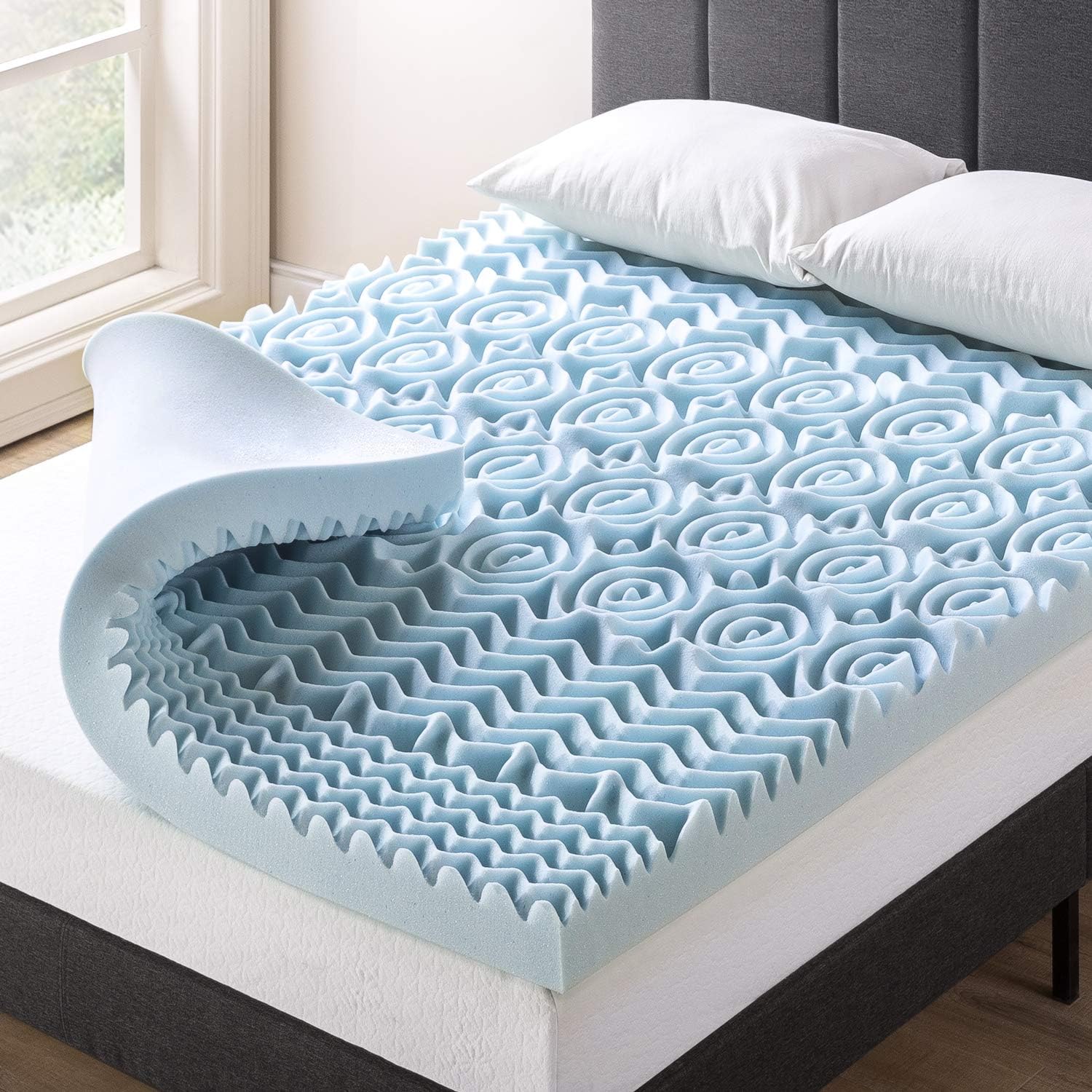
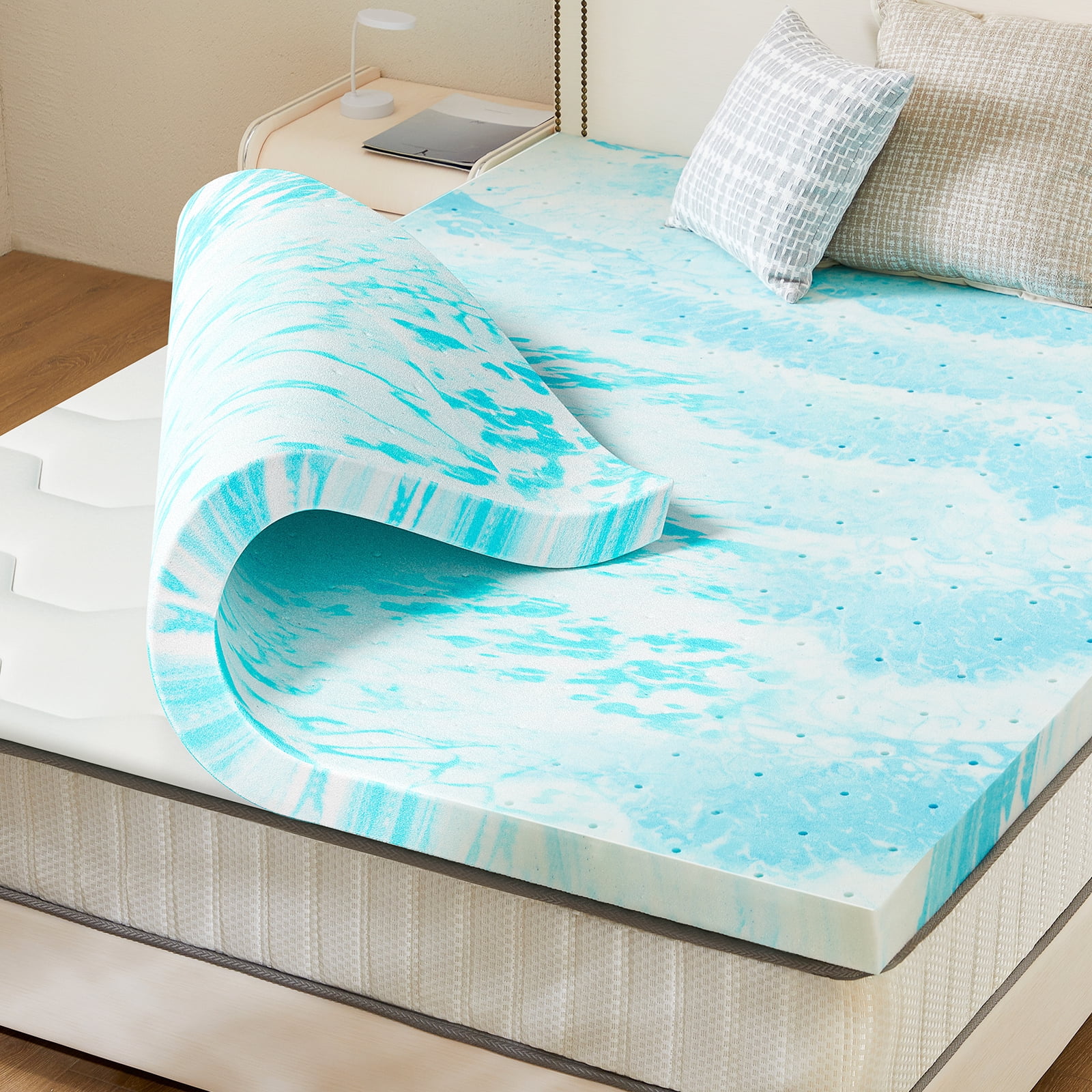
Myth: Memory foam is too hot. Modern versions often include cooling gels or breathable layers that regulate temperature. Some even feature open-cell foams that allow airflow.
Related Posts

Recent safety guidelines for loft beds in 2026 warrant close inspection
Matching ADA compliance with your bathroom design without cutting corners
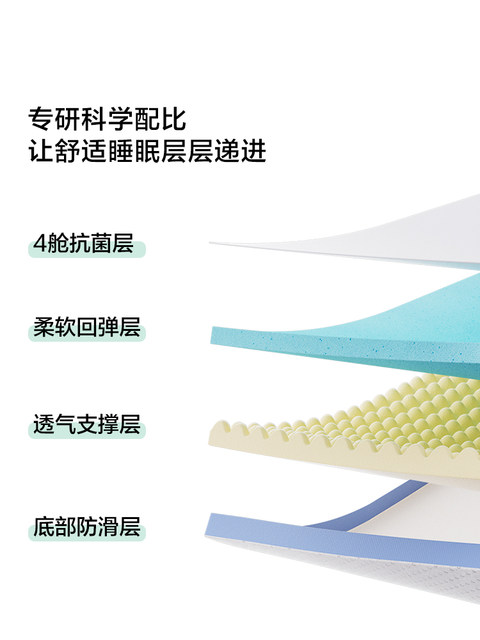
What actually happens to the inner layers after years of nightly use

Measuring your room accurately before bringing home a full platform bed with storage
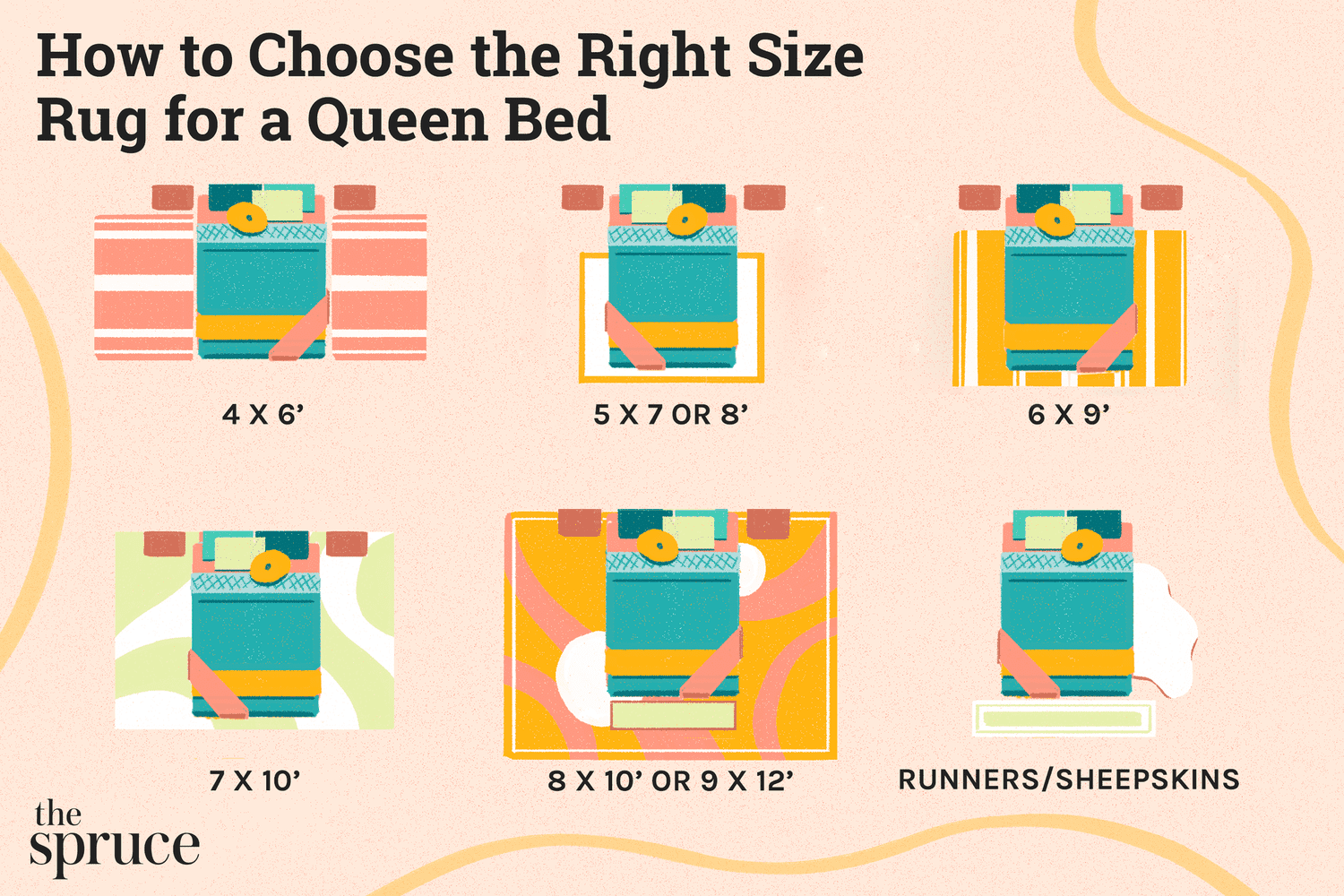
How to stop your bedroom rug from looking too small

What you need to know before cleaning a foam mattress for dogs
Myth: You shouldn’t move a memory foam mattress after it’s been used. This is false. Once broken in, memory foam can still be moved and rotated without damage — just like any other mattress.
Myth: It’s impossible to get rid of stains. With proper cleaning techniques, most stains can be removed. Just remember to act fast and use gentle methods.
These misconceptions can stop people from enjoying the benefits of memory foam — so it’s important to separate fact from fiction.
Sixth Main Point
Final Thoughts on Caring for Your Memory Foam Mattress
Your memory foam mattress is more than just a place to sleep — it’s a crucial part of your daily routine and overall health. Taking care of it properly means better sleep, fewer health issues, and more value for your money.
Remember, a healthy mattress is a happy sleeper. By rotating it, protecting it, and watching for signs of wear, you're ensuring it continues to support your body through the years. And when the time comes to replace it, choose wisely with quality and comfort in mind.
Whether you're new to memory foam or a longtime user, understanding how to care for your mattress gives you control over your sleep environment. It’s not just about the mattress itself — it’s about creating a space where rest feels effortless.
A memory foam mattress can give you years of solid sleep support if you treat it right. From regular maintenance to smart buying decisions, there are steps you can take now to make sure your investment pays off for a long time. Listen to your body, watch for changes, and don’t hesitate to replace it when necessary. After all, nothing beats a good night’s sleep.
