Imagine walking through a space where every surface tells a story of centuries-old craftsmanship. Light-vein Carrara cult stone isn't just another building material—it's a testament to human skill and dedication passed down through generations. These surfaces, with their distinctive white background and subtle gray veins, have graced homes and buildings worldwide for decades. But what makes them so special? It's not just about the stone itself, but the meticulous process that transforms raw quarry material into something truly extraordinary.
When you look at a beautifully finished light-vein Carrara stone surface, you're witnessing the culmination of countless hours of careful work. This isn't mass-produced material; it's crafted with attention to detail that you simply cannot find in standard commercial products. The journey from mountain to countertop involves multiple stages, each requiring specific skills and knowledge. From the initial extraction to the final polishing, every step matters. What might seem like a simple surface actually represents an entire industry built on tradition, precision, and artistic vision.
The Origin Story of Carrara Stone
Carrara stone comes from the Apuan Alps in Tuscany, Italy—a region renowned for its exceptional marble deposits. The geological conditions there created unique formations that result in the characteristic veining we see today. These veins form over millions of years through natural processes involving pressure, heat, and mineral deposits. The lighter areas represent pure calcium carbonate, while the darker veins come from various minerals mixed during formation. Understanding this origin helps explain why each piece varies slightly in pattern and color. Some stones may have very fine veining, others more pronounced lines. The quality depends heavily on the specific quarry location and the time period when extraction occurred. Many artisans prefer stones from certain quarries because they've developed a consistent feel and appearance over decades of working with them.
Extraction Techniques That Preserve Quality
Extracting Carrara stone requires both precision and respect for the material's integrity. Traditional methods involve using diamond wire saws that cut with minimal vibration and damage to the surrounding rock. These techniques ensure that large blocks remain intact and undamaged during removal. The process begins with careful planning to determine the best angles and locations for extraction. Workers must consider factors like natural fracture lines, which can make cutting easier and safer. Some quarries still use hand tools for delicate areas, particularly when working near architectural features or special design elements. Modern equipment has improved efficiency, but many craftspeople still rely on older methods for certain applications. The key is maintaining the stone's structural integrity while maximizing usable material. Sometimes, a single block can produce multiple different surfaces depending on how it's cut and processed.
The Cutting Process: From Block to Slab
Once extracted, the raw blocks go through several cutting operations before becoming usable slabs. This stage is crucial because it determines how the final product will look and perform. Large industrial saws with diamond blades carefully slice the blocks into manageable pieces. The cutting must be precise enough to maintain the stone's natural beauty while ensuring uniform thickness. Different cuts yield different results—some emphasize the veining more than others. For light-vein Carrara specifically, workers often choose cuts that highlight the subtle patterns rather than dramatic contrasts. The thickness of each slab affects both its strength and its visual appeal. Thicker slabs offer more durability but may appear heavier, while thinner options provide better flexibility for installation. Many artisans spend considerable time examining each block before deciding on the optimal cutting approach.
Surface Finishing and Polishing Mastery
This is where the magic really happens. The finishing process transforms raw stone into polished perfection. It starts with rough grinding using progressively finer abrasives, moving from coarse to fine grits. Each step removes scratches left by previous processes while gradually improving the surface smoothness. The polishing phase requires patience and skill—the right pressure, speed, and technique can make all the difference. Some craftsmen use traditional hand polishing methods, especially for smaller pieces or custom work. Others rely on mechanical polishers that can cover larger areas efficiently. The final polish brings out the stone's natural luster, revealing the beautiful veining beneath. Different levels of polish can create varying effects, from matte finishes that hide minor imperfections to high-gloss surfaces that showcase every detail. Quality control is essential during this phase since any flaws become much more visible after polishing.
Quality Control and Inspection Standards
Every piece of finished Carrara stone undergoes thorough inspection before leaving the workshop. This step ensures that customers receive products meeting established standards. Inspectors check for cracks, chips, or other defects that might affect performance. They also evaluate the consistency of veining patterns and overall appearance. Some stones may have minor variations that are considered normal, while others might be rejected if they fall outside acceptable ranges. The inspection process includes checking measurements to ensure proper dimensions and flatness. Surface quality is assessed under various lighting conditions to catch any inconsistencies. Many workshops keep detailed records of their inspections, helping maintain quality control across batches. Customers often appreciate knowing that their purchase has been thoroughly vetted and meets professional standards. Some artisanal shops even provide certificates of authenticity or quality assurance for premium pieces.
Artisanal vs. Industrial Production Methods
There's a significant difference between artisanal and industrial approaches to Carrara stone production. Artisanal methods prioritize individual attention to each piece, resulting in unique characteristics that industrial processes struggle to replicate. While machines can produce consistent results quickly, they often miss the subtle nuances that make artisanal work special. Hand-finishing allows craftsmen to adjust their techniques based on the specific qualities of each stone piece. This personal touch means that no two surfaces are exactly alike, which many customers find appealing. Industrial production focuses more on volume and cost-effectiveness rather than individual character. However, some modern facilities combine both approaches, using machinery for basic processing and skilled hands for finishing touches. The best results often come from blending traditional techniques with contemporary technology. Customers who invest in artisanal Carrara stone typically expect and appreciate the extra care and attention that goes into each piece.
Light-vein Carrara cult stone surfaces represent more than just materials—they embody centuries of accumulated wisdom and craftsmanship. Every surface tells a story of careful selection, precise cutting, and skilled finishing. When you choose Carrara stone, you're not just buying a product; you're investing in a tradition that values quality over quantity. The journey from quarry to installation involves numerous decisions that affect the final outcome. Whether you're designing a kitchen, bathroom, or commercial space, understanding this process helps you appreciate what you're getting. The investment in artisanal Carrara stone pays dividends not just in beauty but in longevity and character. These surfaces age gracefully, developing patinas that enhance their natural appeal over time. For those seeking something beyond ordinary materials, light-vein Carrara offers an elegant solution that combines timeless aesthetics with proven durability. The craftsmanship involved makes each piece a true work of art in its own right.





Related Posts

How Ceramic Vessel Sinks Enhance Bathroom Aesthetics and Functionality
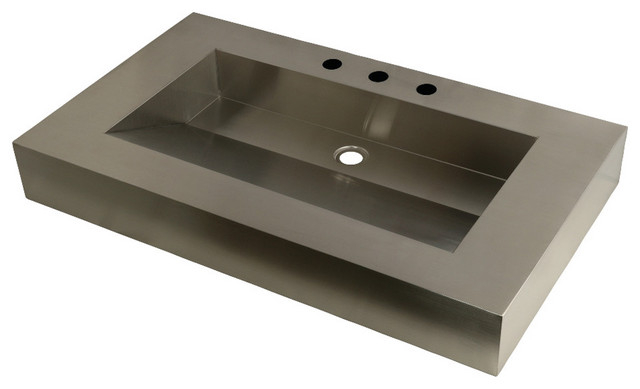
Design and Durability Analysis of the Kingston Brass GLTS37225 Brushed Basin
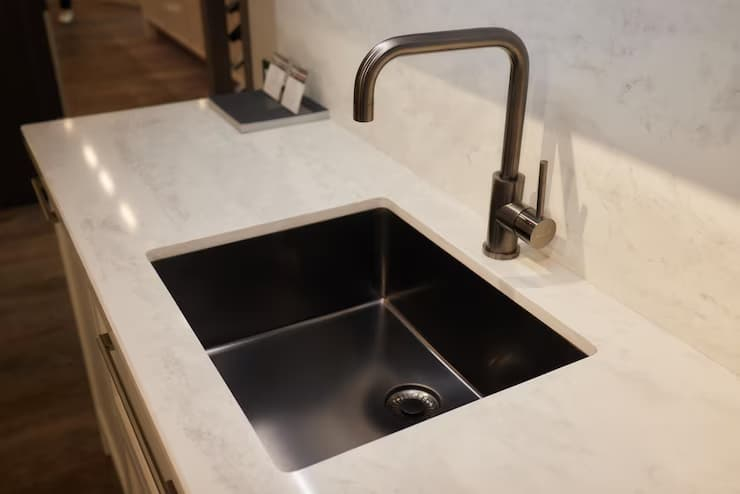
Choosing the Perfect Small Undermount Sink for Your Home Decor
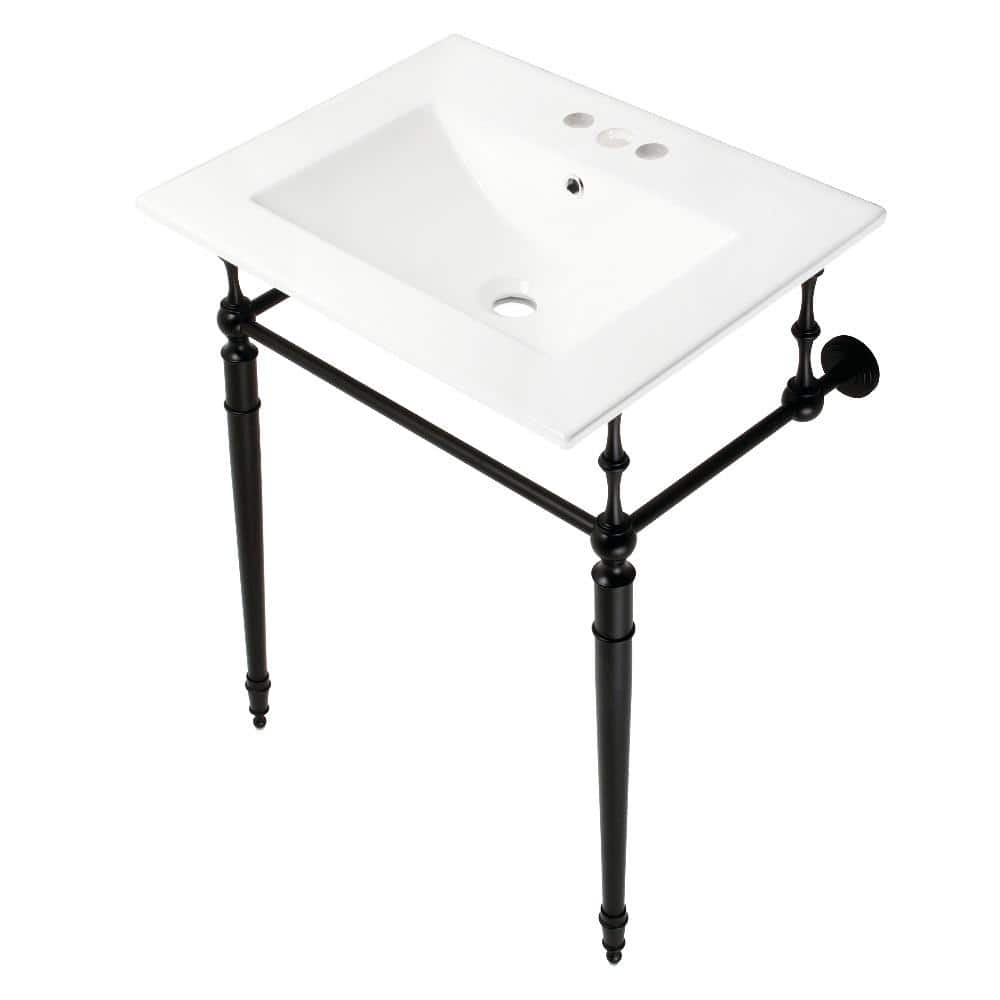
Material Durability and Maintenance of Kingston Brass VPB24187W4 Ceramic Sink

Expert Insights on Choosing the Right Sink for Your Bathroom Renovation