Imagine stepping into a room where every element whispers tranquility, where clutter fades away, and where each object serves a purpose beyond mere decoration. This isn't just a dream – it's achievable through mindful home decor that draws from ancient Zen philosophy. The secret lies not in having more things, but in choosing fewer items with greater intention.
In our fast-paced world, our homes have become more than just places to rest – they're sanctuaries for our minds and souls. The concept of mindful home decor takes inspiration from Zen Buddhism, emphasizing simplicity, intentionality, and the power of presence. It's about creating spaces that support well-being rather than overwhelming us with visual noise. Picture a room where you can breathe deeply, where every corner invites contemplation, and where the act of being present becomes effortless. This isn't about achieving perfection or following rigid rules. Instead, it's about cultivating awareness in how we choose to live and decorate our environments. When we approach our homes with mindfulness, we transform them from mere physical spaces into extensions of our inner peace.
Understanding Zen Principles in Design
Zen philosophy centers around the idea of finding profound meaning in simple moments. In home decor, this translates to choosing elements that enhance rather than distract from our sense of calm. The core tenets include:
• Simplicity over complexity - Less furniture, fewer decorations, more breathing room • Natural materials - Wood, stone, bamboo, and cotton that connect us to earth • Intentional placement - Every item has a reason for being there • Balance and harmony - Visual equilibrium between elements
Think about how a single, beautifully crafted ceramic bowl can hold more meaning than several flashy decorations. The Zen approach asks us to question whether each item truly contributes to our well-being or simply adds visual clutter. Consider the Japanese concept of 'ma' – the space between things that creates meaning and allows for reflection. This isn't about emptiness for its own sake, but about creating intentional breathing room for the mind and spirit.
Embracing Minimalism with Purpose
Minimalism in Zen design isn't about deprivation; it's about intentionality. Start by asking yourself: does this item serve a function? Does it bring joy? Does it contribute to the peaceful atmosphere you desire?
Key principles include:
• Quality over quantity - Invest in fewer, better-made pieces • Neutral color palettes - Soft whites, warm beiges, muted earth tones • Open floor plans - Remove barriers that create visual congestion • Functional beauty - Items that look good and work well
A classic example might be replacing a cluttered bookshelf with just three carefully chosen books, each representing something meaningful to you. Or consider a small area rug that serves both practical and aesthetic purposes, rather than multiple decorative elements that compete for attention. The goal is to create visual space that allows the eye to rest and the mind to settle.
Natural Elements That Ground Us
Nature plays a vital role in Zen-inspired spaces. Natural materials not only provide visual warmth but also connect us to the earth and our fundamental needs for stability and comfort.
Incorporate these elements thoughtfully:
• Wood textures - Bamboo flooring, wooden furniture, or natural wood accents • Stone and ceramic - For countertops, planters, or decorative objects • Plants and flowers - Real greenery that requires care and attention • Natural fibers - Cotton, linen, and jute for textiles
Consider how a simple potted plant can transform a stark corner into a focal point of life and growth. The gentle rustle of leaves or the soft fragrance of flowers creates sensory experiences that draw us back to the present moment. These elements don't need to be expensive – a small succulent or a woven basket can provide the same grounding effect as more elaborate pieces. What matters most is the connection they create to something larger than ourselves.
Creating Sacred Spaces Within Your Home
Every home benefits from designated areas that invite calm and reflection. These sacred spots don't require special equipment or expensive items – they just need intentionality.
Examples of meaningful spaces:
• Meditation corner - A quiet area with comfortable seating • Reading nook - A cozy spot surrounded by books and soft light • Journaling station - A dedicated table with writing supplies • Mindfulness altar - A small space for meaningful objects
The key is making these areas distinct enough to signal to your mind that it's time for intentional presence. You might use a simple cushion, a candle, or a few stones to mark the beginning of your mindful practice. These spaces don't have to be large – even a small corner with a chair and a small table can serve as your personal retreat. The beauty lies in their simplicity and the way they invite you to slow down and be present with whatever you're doing.
Lighting That Supports Mindful Living
Lighting shapes our entire experience of a space. In Zen-inspired homes, lighting choices are deliberate and supportive of different moods and activities.
Consider these approaches:
• Layered lighting - Combining ambient, task, and accent lighting • Natural light maximization - Using mirrors and open layouts to let daylight in • Warm, soft bulbs - Avoid harsh fluorescent lighting • Dimmer switches - For adjusting light levels throughout the day
A well-designed lighting scheme can make the difference between a space that feels energizing and one that feels stressful. Think about how morning light streaming through a window can set a positive tone for your day, while softer evening light helps transition into relaxation mode. The right lighting can make even a small room feel spacious and welcoming. Sometimes, the most powerful change comes from simply adjusting the brightness or switching out harsh overhead lights for warm, diffused sources.
Mindful Storage Solutions
How we organize our belongings reflects our relationship with clutter and order. Zen storage philosophy focuses on making everything easily accessible while maintaining visual simplicity.
Effective storage strategies:
• Hidden storage - Keeping items out of sight when not in use • Clear containers - Making contents visible and easy to find • Vertical organization - Maximizing wall space to reduce floor clutter • Regular decluttering - Removing items that no longer serve a purpose
The challenge often lies in finding the right balance between functionality and aesthetics. Consider using baskets or bins to store seasonal items, keeping your main living areas clean and uncluttered. A well-organized space supports a clear mind. When everything has its place, you can focus on what matters most instead of hunting for misplaced items. This approach also makes cleaning easier and creates a sense of control over your environment.
Transforming your living space into a mindful environment isn't about following strict rules or spending thousands on designer pieces. It's about developing a deeper relationship with the objects around you and recognizing how they influence your daily experience. The journey begins with small, intentional changes – perhaps removing one decorative item that doesn't serve you, adding a plant that brings life to a corner, or simply taking a moment to appreciate the natural light filtering through your windows. Remember, the goal isn't perfection but progress. Each thoughtful decision you make contributes to a space that supports your well-being and reflects your values. Your home can become more than just a place you live – it can be a sanctuary where you regularly reconnect with yourself and find peace amidst the chaos of everyday life. The Zen approach reminds us that sometimes the most profound changes happen in the simplest moments, when we take time to notice what truly matters.


Related Posts
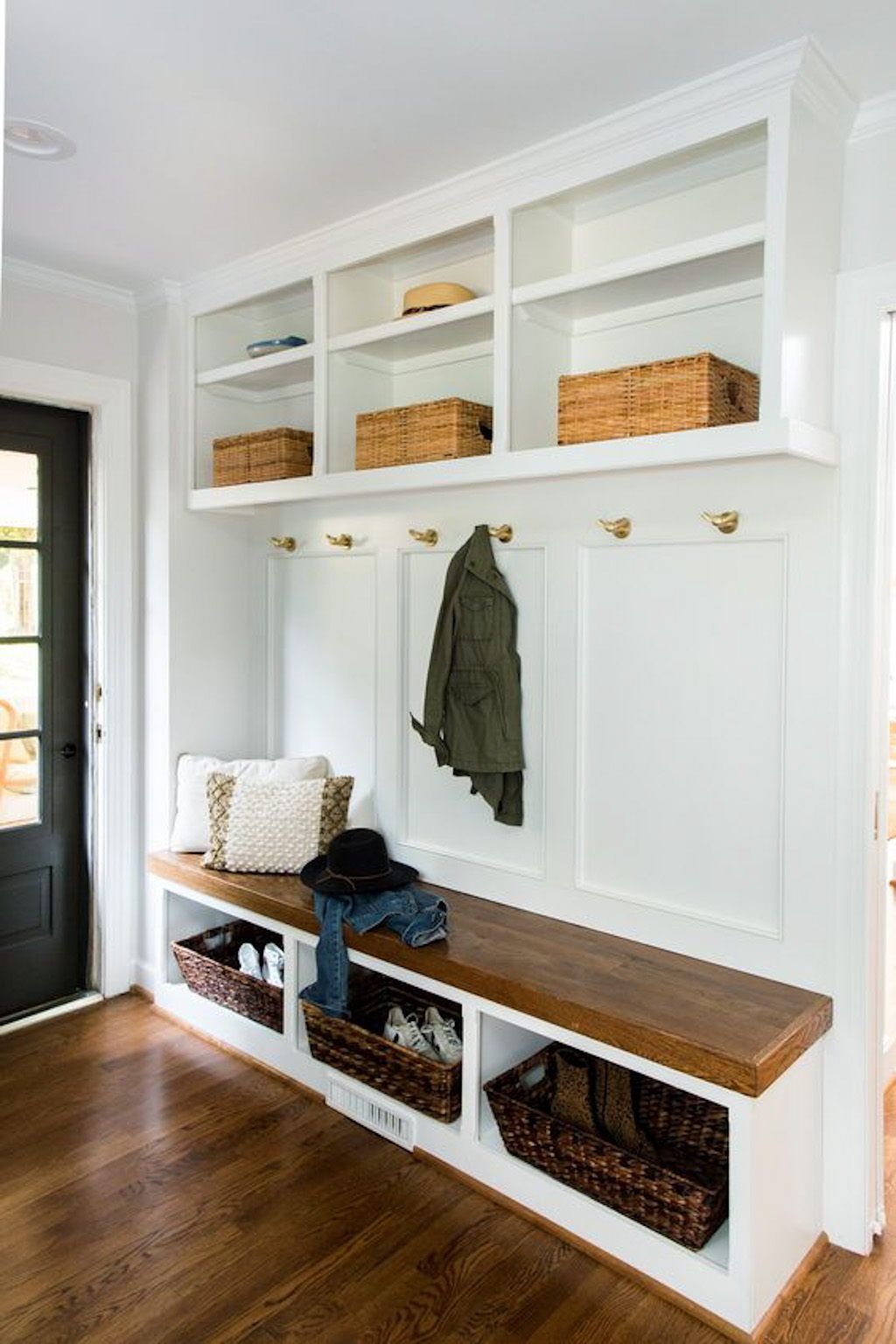
Small Space Solutions for a Mudroom Storage and Bench Without Clutter

Mudroom Storage Ideas That Keep a Busy Entryway Tidy
Eco-Friendly Solutions for Common Garden Pests
Winter Glow: How Designer-Led Lighting Transforms Cold Spaces into Cozy Retreats

Transform Your Space with These Rug Layering Techniques