Picture this: you're enjoying a peaceful evening when suddenly, tiny flying creatures start buzzing around your face. Those aren't just regular flies – they're gnats. These little pests can appear out of nowhere and turn your home into an unwelcome gnat infestation. But don't panic. With the right knowledge, you can identify where they're coming from and take action before they become a major problem.
Gnats might seem like a minor annoyance, but they can quickly become a significant pest problem if left unchecked. These small flying insects often appear in kitchens, bathrooms, and even bedrooms, creating an irritating swarm that's hard to ignore. What makes gnats particularly tricky is their ability to reproduce rapidly and hide in unexpected places. Understanding their behavior and identifying their sources is the first step toward reclaiming your home from these tiny invaders. Whether you've noticed them swarming around your sink, hovering over potted plants, or appearing during dinner time, there's usually a reason behind their presence.
Common Types of Gnats You'll Encounter
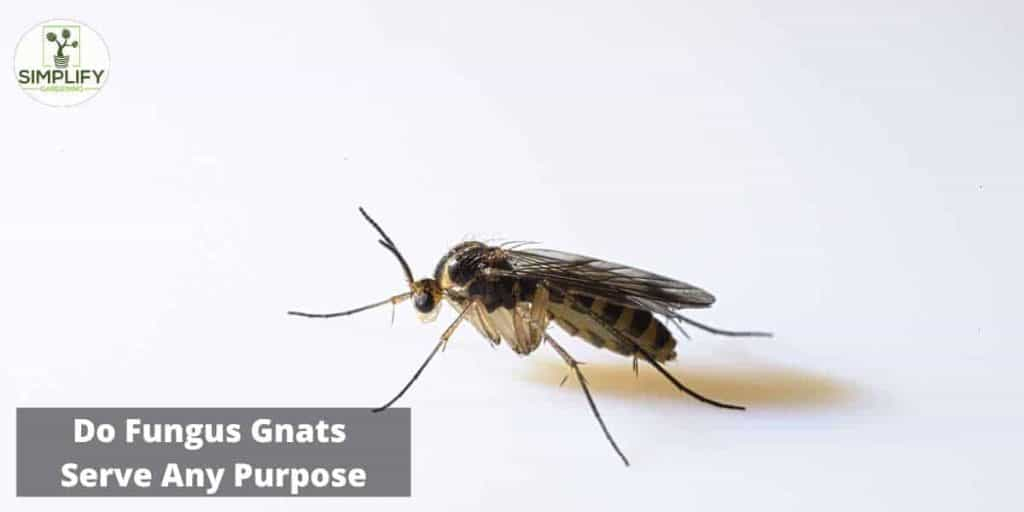
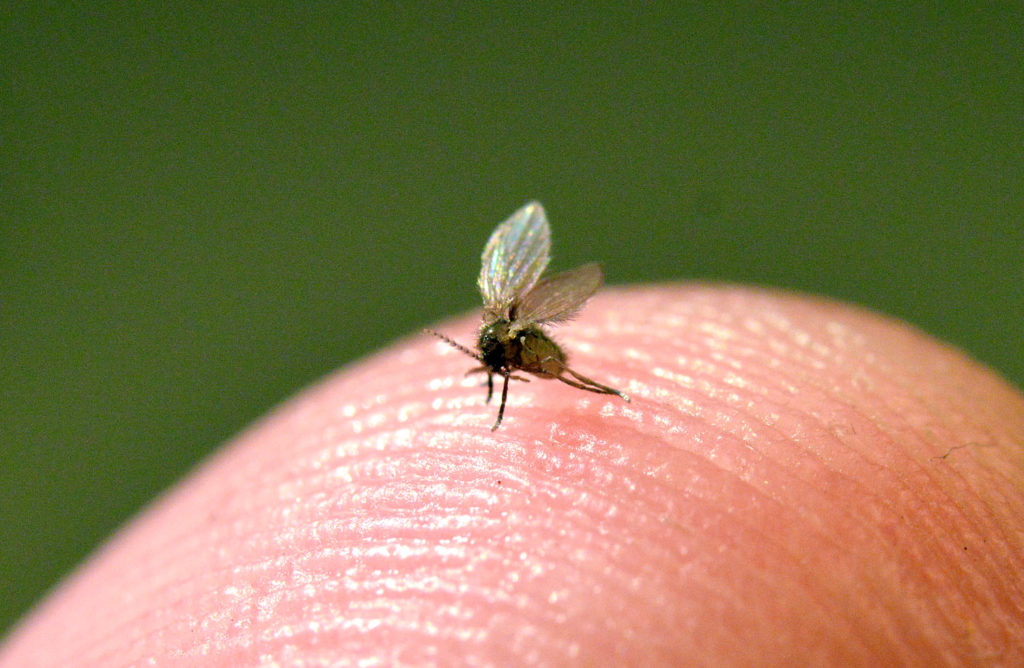
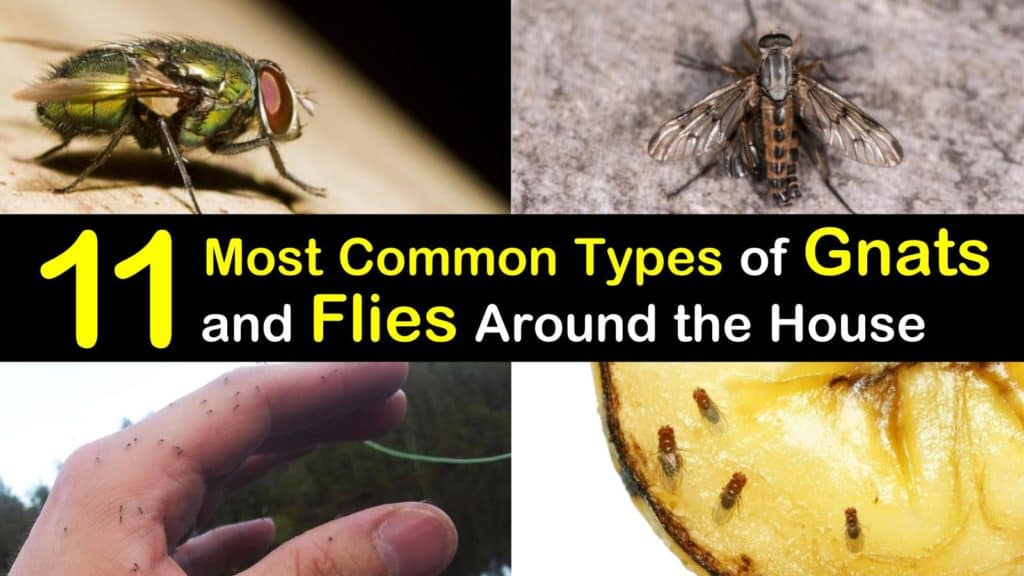
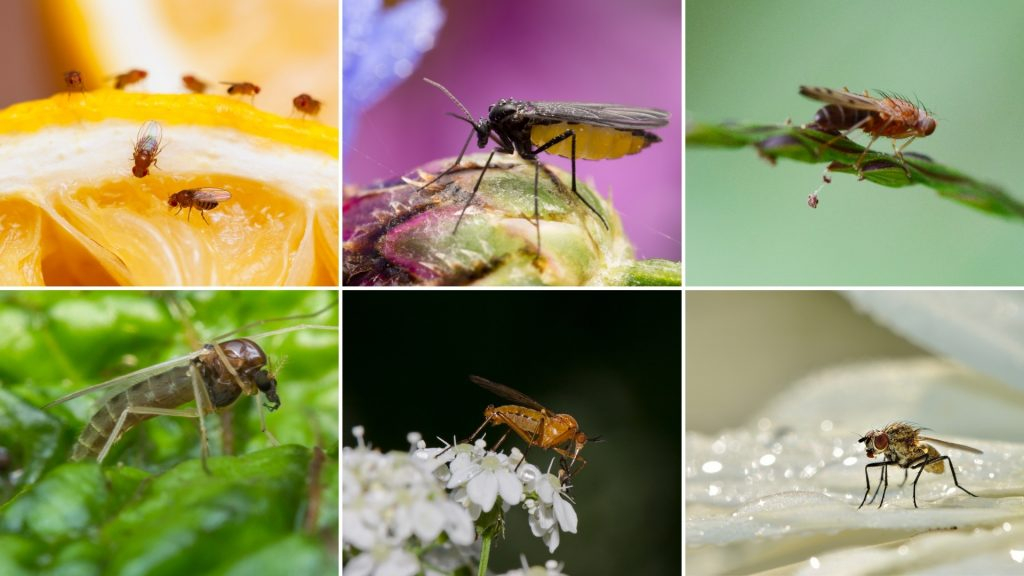
Not all gnats are created equal, and knowing what you're dealing with can save you a lot of trouble. The most common types include fungus gnats, fruit flies, drain flies, and shore flies. Fungus gnats prefer moist soil and are often found near houseplants. Fruit flies love sweet smells and tend to hang around overripe fruits and sugary drinks. Drain flies are attracted to drains and can be found near sinks and bathtubs. Shore flies are drawn to areas with standing water. Each type requires different approaches for elimination, so recognizing the culprit helps determine the best strategy. For instance, if you see tiny black gnats flying around your plant pots, you're likely dealing with fungus gnats rather than fruit flies.
Identifying the Hidden Sources of Your Gnat Problem
The key to solving any gnat issue lies in finding their source. Often, these pests are hiding in places you wouldn't expect. Look for standing water in drains, moist soil in potted plants, overripe fruits and vegetables, and damp areas under sinks. Check your garbage disposal, refrigerator, and any containers that hold liquid. Even small puddles or wet spots can attract gnats. A thorough inspection of your home's damp corners and moisture-prone areas is essential. Sometimes, gnats are drawn to the organic matter in your drains, especially if they're slow-moving or backed up. If you notice gnats consistently appearing near your bathroom sink, it could be a sign of a clogged drain or stagnant water.
The Role of Moisture in Gnat Infestations
Moisture is the primary ingredient in gnat breeding. These insects thrive in humid environments and require water to complete their life cycle. Even small amounts of standing water can become a breeding ground for thousands of gnats within days. Think about it – your kitchen sink, bathroom drain, or even a small puddle outside can serve as a gnat nursery. If you have a humidifier running constantly, or if your home tends to stay damp, you're providing the perfect environment for these pests. The good news is that controlling moisture levels can significantly reduce gnat populations. Consider using a dehumidifier or improving ventilation in problem areas. A simple check of your bathroom exhaust fan or kitchen vents can make a big difference.
Plant Care Mistakes That Attract Gnats
If you're a plant lover, you know how rewarding it can be to care for greenery. Unfortunately, overwatering and poor drainage can create the perfect conditions for gnats to flourish. When plant soil stays too wet, it creates an ideal habitat for fungus gnats. These tiny pests lay their eggs in the soil, and the larvae feed on organic matter and plant roots. Signs of gnat infestation in plants include small black flies hovering above soil, white or grayish larvae in the soil, and wilting or yellowing leaves. It's easy to think you're helping your plants by watering them frequently, but too much water actually harms them and invites pests. Regularly checking soil moisture and allowing it to dry between waterings can prevent most plant-related gnat problems.
Drain Fly Solutions That Actually Work
Drain flies are notorious for being particularly difficult to eliminate. These gnats often appear near sinks, showers, and toilets because they're attracted to the organic matter that builds up in drains. They don't just fly around – they're actually living in the pipes and drain traps. To combat drain flies effectively, you need to address the root cause rather than just trying to kill the adults. Start by cleaning your drains thoroughly with a mixture of baking soda and vinegar, followed by hot water. Consider using a drain snake to remove buildup in harder-to-reach areas. If you continue to see drain flies after cleaning, there might be a deeper plumbing issue. Sometimes, drain flies indicate a problem with your plumbing vent system or a blockage that needs professional attention.
Prevention Strategies for Long-Term Gnat-Free Living
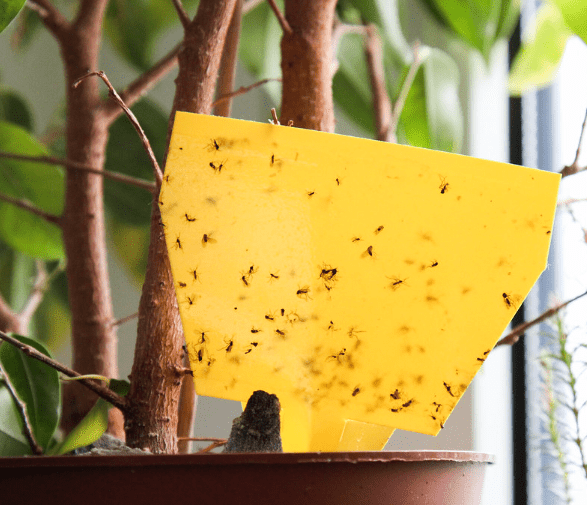
Once you've eliminated existing gnats, prevention becomes crucial for keeping them away permanently. This means maintaining proper hygiene and moisture control throughout your home. Regularly clean drains and dispose of organic waste properly. Keep areas around sinks and tubs dry and well-ventilated. Store fruits and vegetables in the refrigerator rather than leaving them out on counters. Clean up spills immediately, and don't let standing water accumulate anywhere in your home. Consider placing sticky traps in problem areas as a monitoring tool. These traps can help you identify new gnat activity early, before it becomes a full-blown infestation. Creating a routine maintenance schedule that includes checking for moisture issues and cleaning drains regularly will help keep gnats at bay.
Dealing with gnats might feel overwhelming at first, but understanding their behavior and sources gives you the power to take control. Remember, these pests are often telling you something about your home environment – whether it's excess moisture, poor drainage, or overwatered plants. By systematically checking for the sources and addressing them directly, you can eliminate current infestations and prevent future ones. The key is to approach the problem methodically, starting with identification and moving toward elimination. Don't give up if one solution doesn't work immediately – gnats can be persistent, but with patience and the right strategies, you'll find yourself gnat-free. Your home deserves to be comfortable and pest-free, and with these techniques, you're well on your way to achieving that goal. The next time you see those tiny flying pests, you'll know exactly what to look for and how to fix it.
Related Posts
What happens to dried ink when clothes go through dryer tumbling

How American Standard HVAC Systems Compare to Trane Brands
Breaking down spray foam insulation costs by type and coverage area
How to Effectively Eliminate Clover from Your Lawn Naturally
The Surprising Reason Why Ladybugs Choose Your House