Have you ever wondered how volcanic rock transforms into the smooth, elegant surfaces we see in kitchens and bathrooms today? The journey from fiery eruption to polished perfection involves some truly remarkable material science. What starts as molten lava becomes a work of art through careful engineering and understanding of stone properties.
When you step into a modern kitchen or bathroom featuring honed lava stone surfaces, you're experiencing something quite extraordinary. These surfaces aren't just beautiful—they're the result of sophisticated material science that transforms raw volcanic rock into something both functional and stunning. But what exactly happens during this transformation? Why does honed lava stone have its particular characteristics? The answers lie in the fascinating world of material science and how different surface treatments affect stone properties.
The Birth of Lava Stone
Lava stone begins its life as magma deep beneath the Earth's surface. When volcanoes erupt, this superheated liquid rock rushes to the surface, cooling rapidly and forming what we call igneous rock. The unique properties of this stone come from its composition and formation process.
The mineral content varies greatly depending on the volcano's location and type. Most lava stones are rich in silica, which gives them their distinctive hardness and durability. Think about it—this rock formed under intense heat and pressure, then cooled quickly, creating a structure that's incredibly strong yet surprisingly smooth when properly treated.
The cooling rate affects crystal formation. Fast cooling creates smaller crystals, while slower cooling produces larger ones. This difference in crystal size impacts how the stone will look after honing. Imagine if you could see inside a piece of lava stone—it would be like looking at tiny frozen fireworks, each one representing a different mineral crystal.
Understanding the Honing Process
Honing isn't just about making things smooth—it's a carefully controlled process that changes how light reflects off the surface and how the stone interacts with its environment. When stone gets honed, it goes through multiple stages of abrasion and polishing.
The first stage involves removing the rough exterior layer. This might seem simple, but it requires precise control over the abrasive materials used. Different grit sizes are applied systematically, moving from coarse to fine. It's like gradually sanding a wooden table, except with industrial equipment and specialized materials.
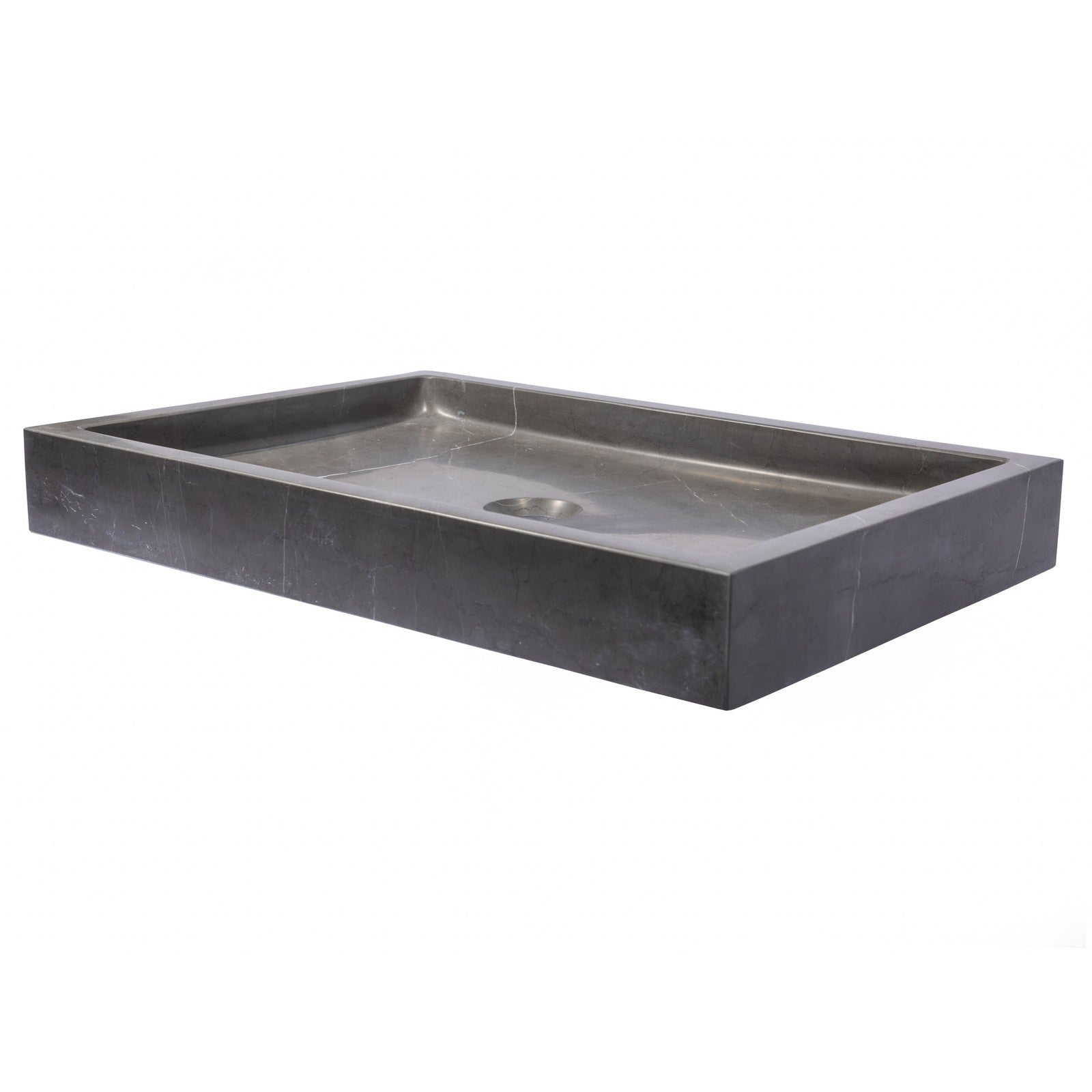
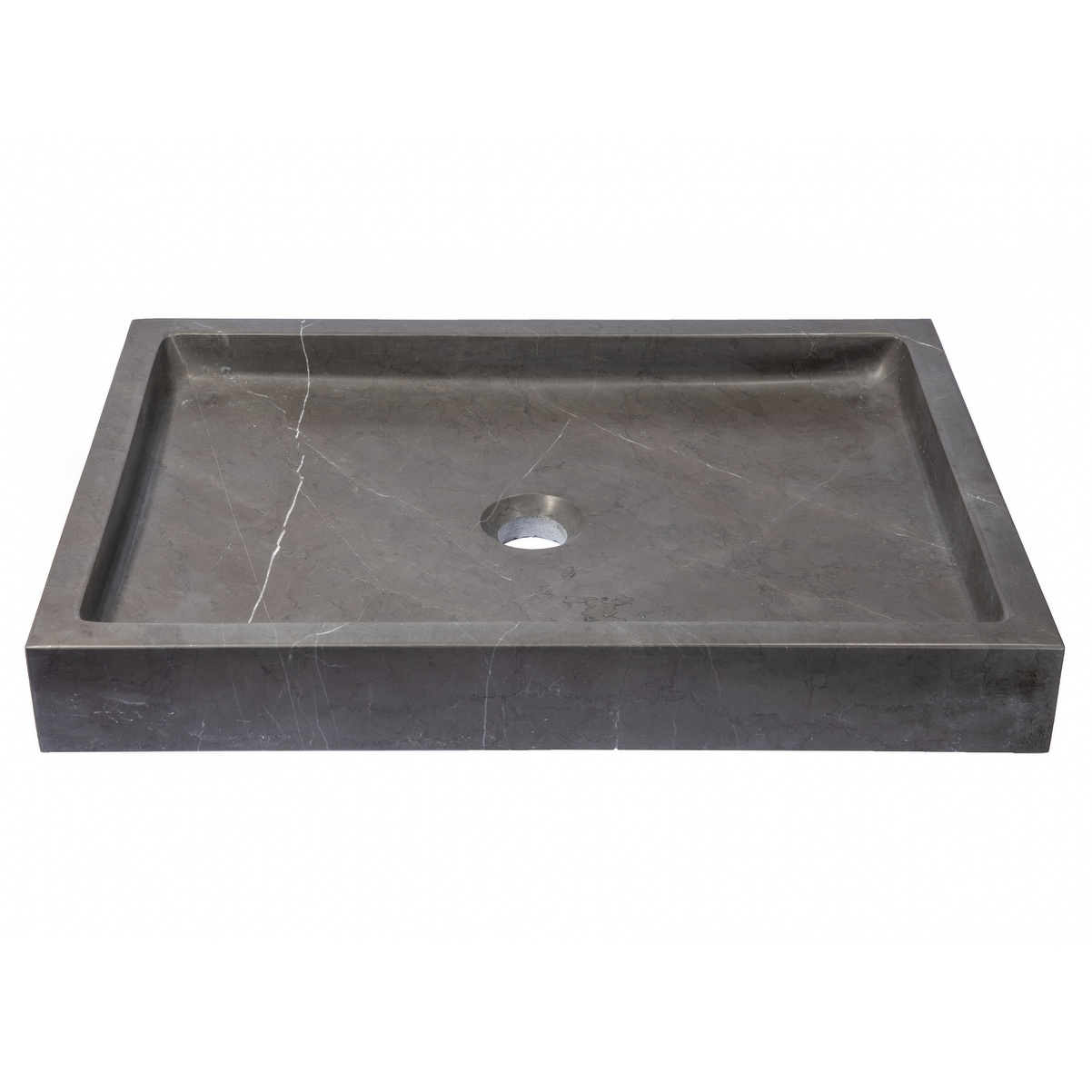
What happens during honing changes the surface texture dramatically. The original rough, porous surface becomes much smoother. But here's where it gets interesting—the surface still maintains its natural character while gaining that characteristic matte finish. You might notice that honed lava stone feels slightly different to the touch compared to its glossy counterparts.
The process also affects water absorption rates. A well-honed surface has fewer pores, making it less likely to stain or absorb liquids. This is particularly important for kitchen countertops where spills happen regularly. The honing process essentially seals the stone's surface at a microscopic level, creating a barrier against stains.
Surface Properties and Performance
Honed lava stone surfaces possess several unique properties that make them ideal for various applications:
• Low light reflection: Unlike polished stone, honed surfaces reflect light differently, creating a softer appearance that many find more appealing • Natural texture retention: The honing process preserves the stone's natural character rather than masking it • Stain resistance: Properly honed surfaces resist most common household stains • Heat tolerance: Lava stone naturally handles heat well, though direct contact should still be avoided
These properties come together to create surfaces that are both aesthetically pleasing and highly functional. The low reflectivity means they won't create harsh glare in bright rooms, while the natural texture provides good grip for items placed on them.
Consider how a honed lava stone countertop might look in different lighting conditions. In morning light, it appears warm and inviting. At night, it takes on a more subdued appearance that doesn't compete with artificial lighting. This adaptability makes it popular in spaces where lighting changes throughout the day.
Chemical Composition Matters
The chemical makeup of lava stone directly influences its behavior during honing and its final properties. Most lava stones contain significant amounts of silica, aluminum, iron, and magnesium compounds.
Silica is crucial because it provides hardness and durability. Higher silica content typically results in stronger, more wear-resistant surfaces. Iron compounds often give the stone its characteristic colors—from deep blacks to rich browns and even reds.
The presence of certain minerals affects how easily the stone can be honed. Some compositions require special attention during processing to avoid cracking or uneven wear. It's like trying to carve a piece of wood—some types are naturally easier to work with than others.
Understanding these chemical differences helps manufacturers determine the best approach for each batch of stone. For instance, a lava stone with high iron content might need different treatment parameters than one with more silica. The variations in composition mean that no two batches of lava stone are exactly alike, which adds to their appeal.
Maintenance and Longevity
One of the biggest advantages of honed lava stone is its longevity. When properly maintained, these surfaces can last decades with minimal issues. The key lies in understanding how the honing process affects maintenance needs.
Regular cleaning is straightforward—just use mild soap and water. The honed surface doesn't trap dirt as readily as unprocessed stone, making daily maintenance easy. However, periodic resealing may be necessary to maintain optimal protection.
The sealing process works by filling the stone's microscopic pores. This creates a protective barrier that prevents stains while maintaining the stone's natural appearance. Many people wonder if they need to reapply sealers regularly. The answer depends on usage and the specific stone type, but most honed lava stone surfaces benefit from resealing every few years.
Think about how a well-maintained honed lava stone surface ages. Rather than showing signs of wear quickly, it develops a patina that many find attractive. The surface may darken slightly over time, but this usually enhances rather than detracts from its beauty.
Choosing the Right Honed Lava Stone
Not all honed lava stone is created equal. Several factors influence the quality and performance of these surfaces:
• Origin matters: Different volcanic regions produce stones with distinct characteristics • Porosity levels: Lower porosity generally means better stain resistance • Color consistency: Some stones have more uniform coloration than others • Processing quality: Professional honing ensures consistent results
When selecting honed lava stone, consider how it will be used. High-traffic areas might benefit from stones with higher durability ratings. Kitchen countertops often prefer stones with lower porosity to resist food stains.
The texture of the finished surface also plays a role. Some people prefer a more pronounced natural texture, while others want a smoother feel. The honing process allows for customization within certain limits. It's worth noting that the stone's natural characteristics will always remain visible, even after extensive honing.
One common misconception is that all lava stone looks the same after honing. In reality, the natural variations in mineral content and formation create subtle differences that make each piece unique. This individuality is part of what makes honed lava stone so appealing to designers and homeowners alike.
The material science behind honed lava stone surfaces reveals a fascinating blend of natural processes and human craftsmanship. From the moment volcanic rock forms deep underground to its final polish in a factory, each step contributes to the unique properties we see today. What makes these surfaces truly special isn't just their beauty, but how they've been engineered to combine strength, durability, and aesthetic appeal.
Whether you're considering honed lava stone for a new project or simply curious about why these surfaces are so popular, understanding the science behind them adds depth to your appreciation. The careful balance between preserving natural characteristics while achieving desired surface properties shows how far we've come in working with natural materials. The next time you run your hand across a honed lava stone surface, remember that you're feeling the result of millions of years of geological history combined with modern engineering skills. It's a testament to how nature and human ingenuity can create something truly extraordinary together.
Related Posts
How Ceramic Vessel Sinks Enhance Bathroom Aesthetics and Functionality
Design and Durability Analysis of the Kingston Brass GLTS37225 Brushed Basin
Choosing the Perfect Small Undermount Sink for Your Home Decor
Material Durability and Maintenance of Kingston Brass VPB24187W4 Ceramic Sink
Expert Insights on Choosing the Right Sink for Your Bathroom Renovation