There's something undeniably elegant about a well-curated monochrome living room. The interplay of black, white, and various shades of gray creates a sophisticated atmosphere that feels both timeless and contemporary. Whether you're starting from scratch or looking to refresh your existing space, this guide will walk you through everything you need to know to achieve that perfect balance.
Monochrome interiors have been capturing hearts for decades, and for good reason. These spaces offer a sense of calm, clarity, and visual harmony that's hard to match. But creating the perfect monochrome living room isn't just about having lots of black and white furniture. It requires thoughtful consideration of textures, lighting, and subtle variations that keep the space interesting rather than stark. The key lies in understanding how different tones work together and how to incorporate elements that add warmth and character to what could otherwise feel cold or clinical.
Understanding Monochrome Color Theory
Before diving into design choices, it's important to grasp the basics of monochrome color theory. This isn't simply about using black and white – it's about working with a range of grays that create depth and dimension. Think of grays as a spectrum rather than a single hue. Light gray can make a space feel airy and open, while darker grays add drama and sophistication. Consider how you want your room to feel – do you prefer a bright, breezy atmosphere or a cozy, intimate setting? The answer often lies in choosing the right gray undertones for your walls and furniture.
The secret weapon in monochrome design is the strategic use of different gray tones. A room that only uses pure black and white can feel harsh and uninviting. Instead, try incorporating a variety of grays – from warm cream to cool graphite. These subtle differences create visual interest and prevent the space from feeling flat or one-dimensional. The trick is to choose no more than three primary gray tones to maintain cohesion while still allowing for variation.
Essential Furniture Pieces for Monochrome Harmony
When building your monochrome collection, focus on pieces that complement rather than compete with each other. Start with the basics – a sofa in a neutral gray, perhaps with clean lines and minimal ornamentation. Look for fabrics that have subtle texture or slight variations in tone to avoid that perfectly uniform look that can feel sterile. The key is finding pieces that work well together without requiring matching accessories.
Consider the proportions of your furniture carefully. In a monochrome space, every piece needs to have purpose and visual weight. A large, simple chair might anchor a corner beautifully, while a sleek console table can define a hallway or entryway. Don't forget about storage solutions – a bookshelf in a matching gray tone can provide both function and aesthetic continuity. The most successful monochrome rooms often feature pieces that vary in scale and texture rather than just color.
Quality over quantity really applies here. Invest in fewer pieces that you truly love rather than filling your space with many items that don't quite work together. A well-chosen armchair in a rich charcoal gray can be more impactful than several smaller pieces that all look similar.
Adding Texture and Visual Interest
One of the biggest challenges in monochrome design is avoiding a space that looks too flat or boring. This is where texture becomes your best friend. Natural materials like wood, linen, and wool can add warmth and visual complexity to an otherwise neutral palette. A wooden coffee table with a light finish can provide contrast against dark gray walls, while a linen throw in a soft cream can soften the edges of a stark black chair.
Think beyond just fabric and wood. Consider incorporating materials like metal, glass, or stone in subtle ways. A brass lamp base can add a touch of luxury, while a marble accent table brings an element of sophistication. These materials don't need to be the focal point – they just need to exist in the space to create layers of interest. The goal is to make the room feel lived-in rather than perfectly planned.
Don't overlook the importance of pattern, even if it's subtle. A geometric rug with small-scale patterns can add visual intrigue without overwhelming the monochrome theme. Textured wallpaper in a soft gray can create depth in a wall that might otherwise seem plain. These small details make a big difference in how the space feels to inhabit.
Lighting That Enhances Monochrome Beauty
Lighting plays a crucial role in how your monochrome space appears and feels. Natural light can make or break a monochrome room, so consider how sunlight enters the space and how you might control it. South-facing windows might need light-filtering curtains to prevent harsh shadows, while north-facing rooms might benefit from additional ambient lighting to create warmth.
Artificial lighting should be layered to create different moods throughout the day. A combination of overhead lighting, floor lamps, and table lamps allows you to adjust the atmosphere based on your needs. Dimmer switches are particularly valuable in monochrome spaces because they let you fine-tune the mood. A bright, well-lit room can feel energizing, while softer lighting creates a more intimate environment.
Consider the color temperature of your bulbs. Warmer tones (around 2700K) can make a monochrome space feel cozier and more inviting, while cooler tones (4000K+) can make it feel more modern and crisp. You might want to experiment with different combinations to see what works best for your particular space. The right lighting can transform a room from merely functional to truly beautiful.
Shopping Smart for Monochrome Success
When it comes to shopping for monochrome pieces, patience and planning are essential. Start by establishing your budget and identifying the pieces you absolutely must have. Then, take time to research brands and stores that specialize in minimalist or neutral design. Many retailers now offer curated collections specifically designed for monochrome spaces.
Don't feel pressured to buy everything at once. Building a monochrome collection is a gradual process that allows you to refine your taste and ensure each piece truly fits your space. Consider starting with one major investment piece – perhaps a statement sofa or a beautiful dining table – and then adding smaller elements over time. This approach prevents overspending and gives you time to evaluate whether each addition works in your space.
Keep an eye out for sales and seasonal discounts, especially during major shopping seasons. Many stores offer significant markdowns on items that haven't sold quickly. Also, consider secondhand options – vintage finds can often provide unique pieces that are difficult to find in new form. These treasures can add character and personality to your monochrome space without breaking the bank.
Practical Tips for Maintaining Your Monochrome Space
Once you've created your perfect monochrome living room, maintaining its beauty requires some attention to detail. Regular cleaning is essential since any dirt or dust shows up more prominently on light surfaces. Vacuum upholstered furniture weekly and spot-clean stains immediately to prevent them from setting in. For hard surfaces, a simple wipe-down with appropriate cleaners should suffice.
Rotate your accessories seasonally to keep the space feeling fresh. Swap out throw pillows, blankets, and decorative objects based on the time of year or your changing moods. This practice keeps the room feeling dynamic and alive rather than static and stale. Small changes like switching out a few candles or rearranging your artwork can completely transform the atmosphere.
Consider how your space will age over time. Monochrome rooms can easily become dated if you don't plan ahead. Choose pieces that will remain stylish for years to come rather than following fleeting trends. Quality materials and classic silhouettes tend to age better than trendy designs that might look dated in just a few years.
Creating the perfect monochrome living room is both an art and a science. It requires understanding color relationships, appreciating the importance of texture and lighting, and making thoughtful purchasing decisions. The result is a space that feels both serene and sophisticated – a true sanctuary where you can relax and enjoy the simple pleasures of home. Remember that perfection isn't the goal; the goal is creating a space that reflects your personal style and makes you happy every time you enter it. With careful planning and attention to detail, your monochrome living room can become the heart of your home, a place where comfort meets elegance and where every element works harmoniously to create something truly special.


Related Posts
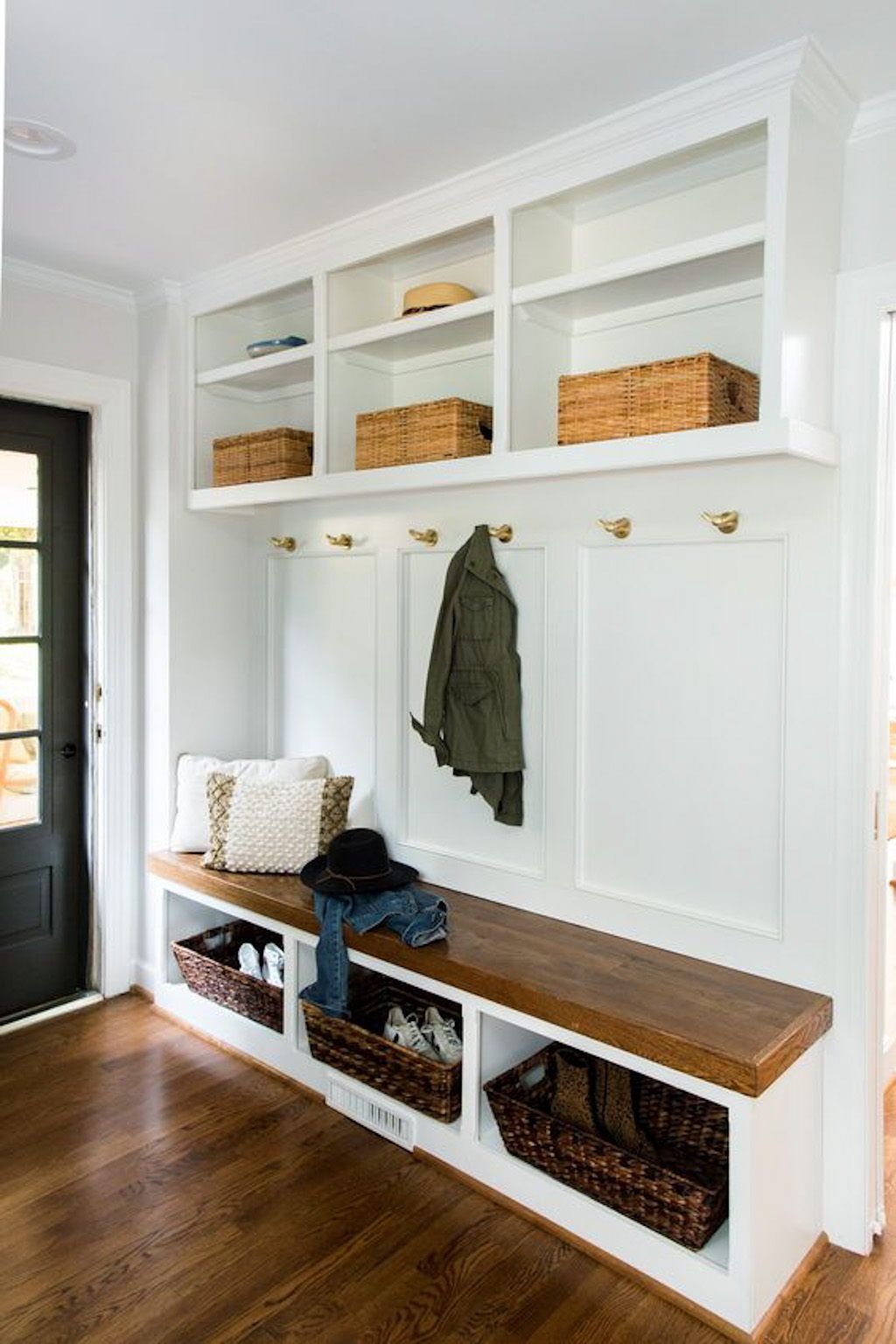
Small Space Solutions for a Mudroom Storage and Bench Without Clutter
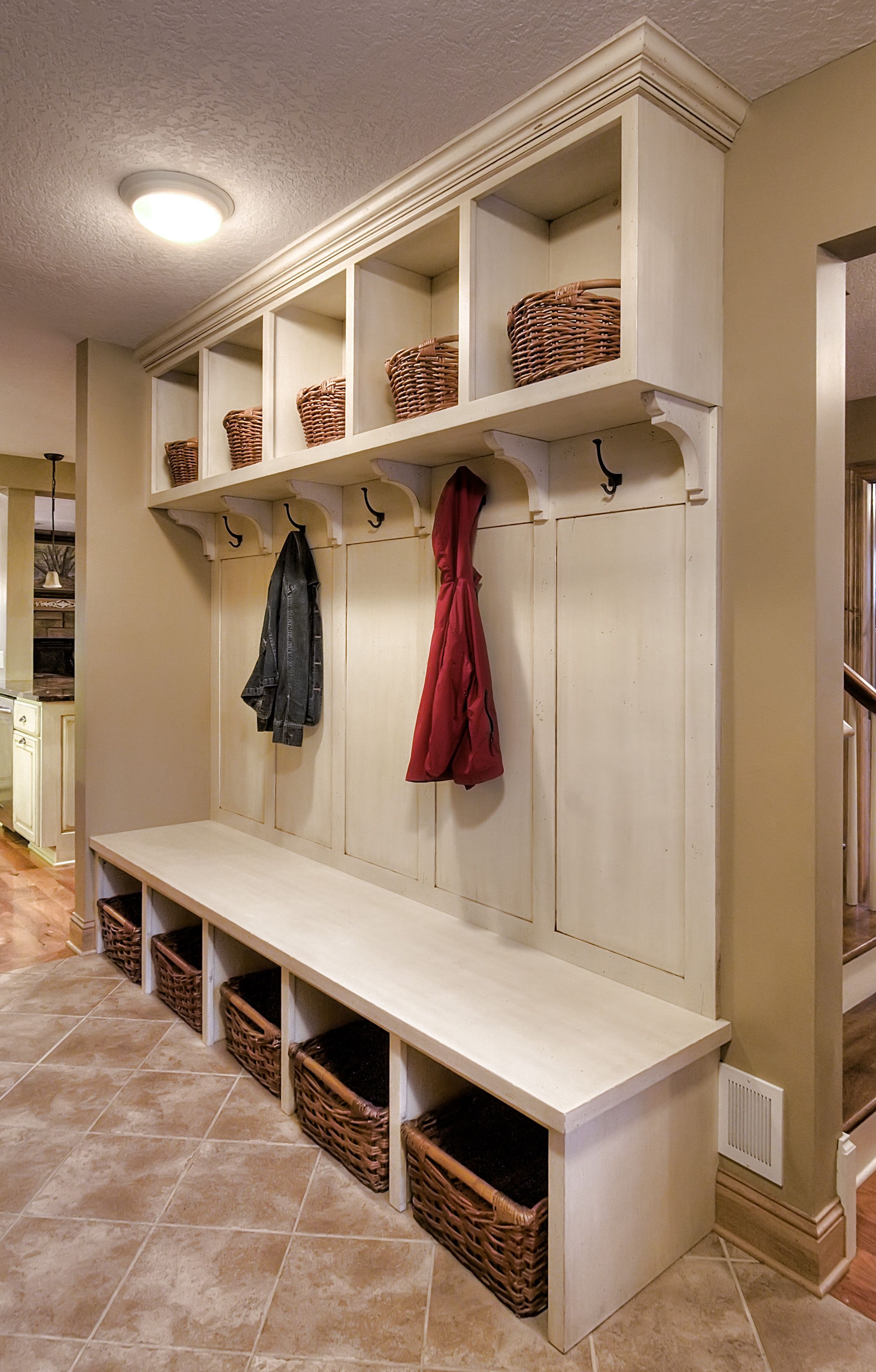
Mudroom Storage Ideas That Keep a Busy Entryway Tidy
Eco-Friendly Solutions for Common Garden Pests
Winter Glow: How Designer-Led Lighting Transforms Cold Spaces into Cozy Retreats

Transform Your Space with These Rug Layering Techniques