
Imagine walking into a room where every surface tells a story. Not just any story—but one that speaks directly to your senses, your memories, and your soul. That's the magic of textural storytelling in interior design. It's not just about aesthetics anymore. It's about creating environments that feel alive, that breathe with personality, and that respond to our deepest human needs for comfort, connection, and meaning.
We've all been in rooms that feel flat, lifeless, or somehow... wrong. Maybe it's the way light hits a wall, or how a chair feels when you sit in it. But often, it's something much subtler—the absence of texture. What if we could design spaces that don't just look good, but feel right? What if every surface, every material, every tactile experience could become part of a larger narrative? That's exactly what textural storytelling does. It transforms the way we interact with our homes, making each room a chapter in our personal story. Think about the last time you touched something soft and warm, or felt the coolness of stone beneath your fingers. These moments matter, because they're how our brains connect to places. Designers who master textural storytelling understand that the physical experience of a space is just as important as its visual appeal.
Understanding the Foundation of Textural Language
Before diving into the practical aspects, it helps to understand what makes texture so powerful. Texture isn't just about what things feel like—it's about how those feelings connect to our memories, emotions, and experiences. When we touch something rough, we might think of childhood playgrounds. When we feel silk, we might remember a summer evening. In design terms, texture becomes a vocabulary. We use it to communicate mood, function, and even personality. Consider how a velvet sofa invites you to sink in, while a leather chair suggests sophistication and authority. The interplay between different textures creates layers of meaning that go far beyond simple decoration. Each material choice becomes a decision about what story we want to tell about ourselves and our lives. The key is understanding that texture works on multiple levels simultaneously—visually, physically, and emotionally.
The Five Essential Textural Categories
Every successful textural narrative relies on five core categories that work together to create depth and interest. First, there's smoothness—think of polished wood or silk fabrics that invite gentle contact. Then there's roughness, which brings grounding and authenticity, like exposed brick or burlap. Soft textures provide comfort and warmth, whether it's plush carpet or cozy throw blankets. Hard surfaces offer structure and clarity, such as glass or metal fixtures. Finally, there's the category of organic textures, which connect us to nature through materials like bamboo, stone, or woven fibers. These five elements don't work in isolation—they're meant to complement each other. A room with only smooth surfaces might feel sterile, while one with too many rough textures could feel chaotic. The art lies in balancing these elements to create harmony rather than conflict.
Creating Emotional Journeys Through Material Choices
One of the most beautiful aspects of textural storytelling is how it can guide people through emotional experiences within a space. Imagine entering a living room where the floor is covered in thick, soft wool that immediately makes you want to take off your shoes. The walls feature a textured wallpaper that catches the light differently throughout the day. A coffee table made of reclaimed wood provides both visual interest and tactile contrast. As you move through this room, each surface offers a new sensory experience that builds upon the previous one. This isn't just about making things look nice—it's about crafting a journey that makes people feel something. The right combination of textures can evoke memories, create calm, or even inspire creativity. It's like composing a symphony where each material is a different instrument contributing to a greater whole.
Practical Applications in Different Room Types
Textural storytelling isn't limited to grand designs—it works beautifully in small spaces too. In bedrooms, consider layering different textures to create a sense of sanctuary. A linen duvet might be paired with a knitted throw, while the walls feature a subtle textured paint that catches light softly. Kitchens benefit from tactile variety too—smooth granite countertops contrast nicely with rough-hewn wooden cabinets, while a woven basket adds organic warmth. Bathrooms can use texture to create both visual and sensory interest, from smooth tiles to textured towels and rough stone accents. Even home offices can embrace textural storytelling with a smooth desk surface, a textured chair, and perhaps some natural fiber accessories. The key is matching texture choices to the intended function of each space. A busy kitchen needs durable, easy-to-clean surfaces, while a quiet reading nook might prioritize comfort and softness.
Balancing Contrast Without Creating Chaos
This is where many designers struggle—and where the real mastery comes in. Too much contrast can overwhelm, while too little creates blandness. The secret lies in understanding scale and proportion. A large area of smooth fabric can be balanced by a small textured accent, or vice versa. Consider how different sizes of texture can work together. A large rug with a subtle pattern might be balanced by a small textured pillow. The goal isn't to have everything different, but to create interesting relationships between similar and contrasting elements. Sometimes, the most effective approach is using variations of the same texture in different weights or finishes. A room filled with various shades of the same material—say, different textures of linen—can create sophisticated unity while still offering visual and tactile interest. Remember, it's not about quantity but quality of interaction between materials.
Technology and Modern Textural Innovation
Today's designers have access to incredible new materials that push the boundaries of traditional textural storytelling. Smart textiles that change properties based on temperature or light, sustainable materials that offer unique textures while being environmentally conscious, and digital printing techniques that allow for complex surface patterns. These innovations don't replace the fundamental principles of good textural design—they enhance them. They give designers more tools to create deeper, more nuanced experiences. For instance, a modern living room might feature a wall with digitally printed textures that shift subtly as you move around the space. Or perhaps a dining table with a surface that changes from smooth to slightly textured depending on the season. These advances remind us that textural storytelling continues to evolve, always staying true to its core purpose: connecting people to their spaces on a deeply human level.
Textural storytelling in interior design isn't just about making spaces look pretty—it's about creating environments that truly serve us. It's about recognizing that our homes aren't just buildings we live in, but places where we form memories, build relationships, and express who we are. Every choice of material, every consideration of how things will feel under our hands, every moment of sensory engagement contributes to a larger narrative. Whether you're designing a single room or an entire home, remember that the best textural stories are those that feel natural, intuitive, and deeply personal. They don't shout their message—they whisper it through careful attention to detail. And that's what makes them truly powerful. So next time you walk into a room, pay attention to how it feels. What textures catch your eye? Which surfaces invite touch? What story is being told through the materials? The answers might surprise you—and they'll help you create spaces that don't just exist, but truly live.


Related Posts
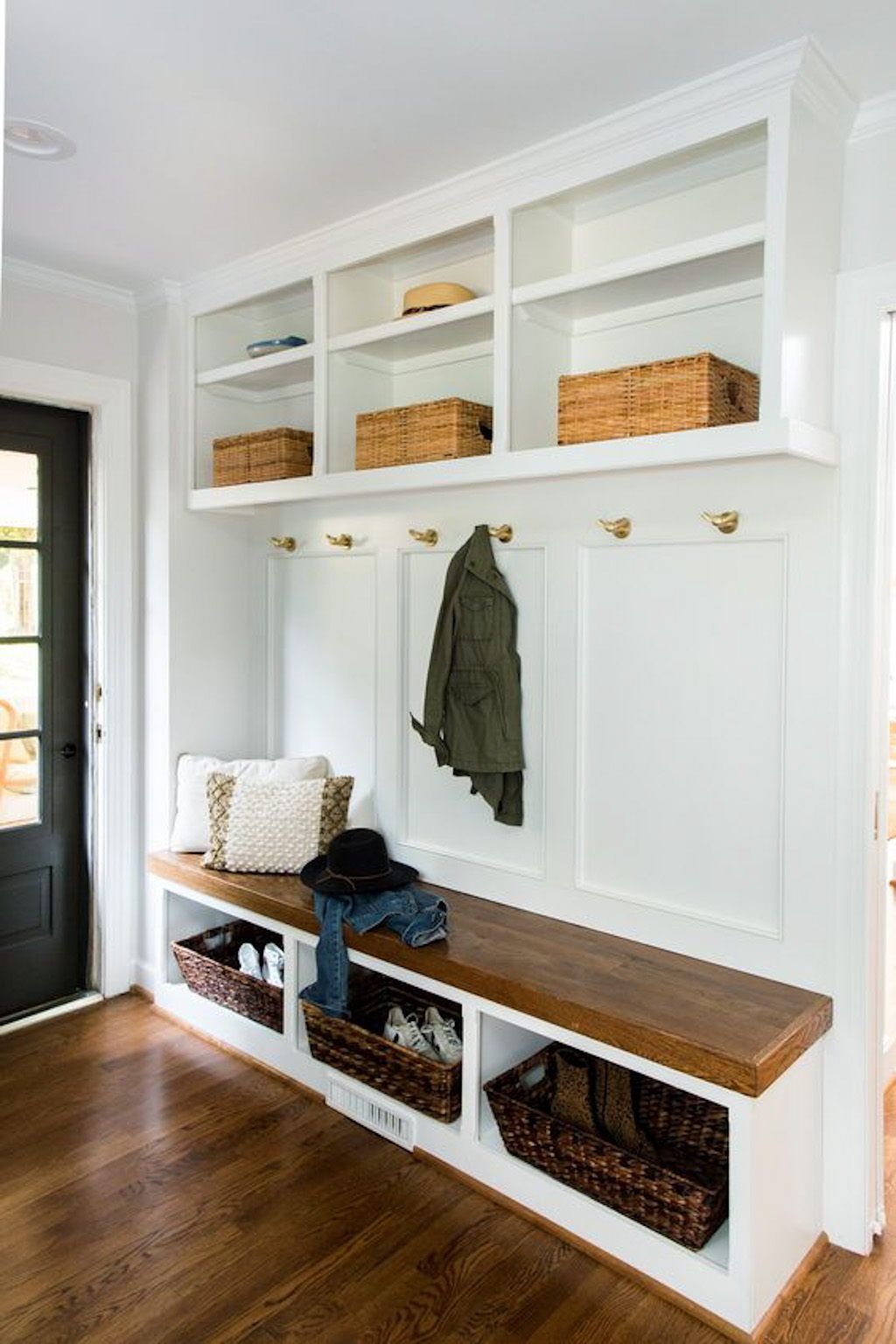
Small Space Solutions for a Mudroom Storage and Bench Without Clutter
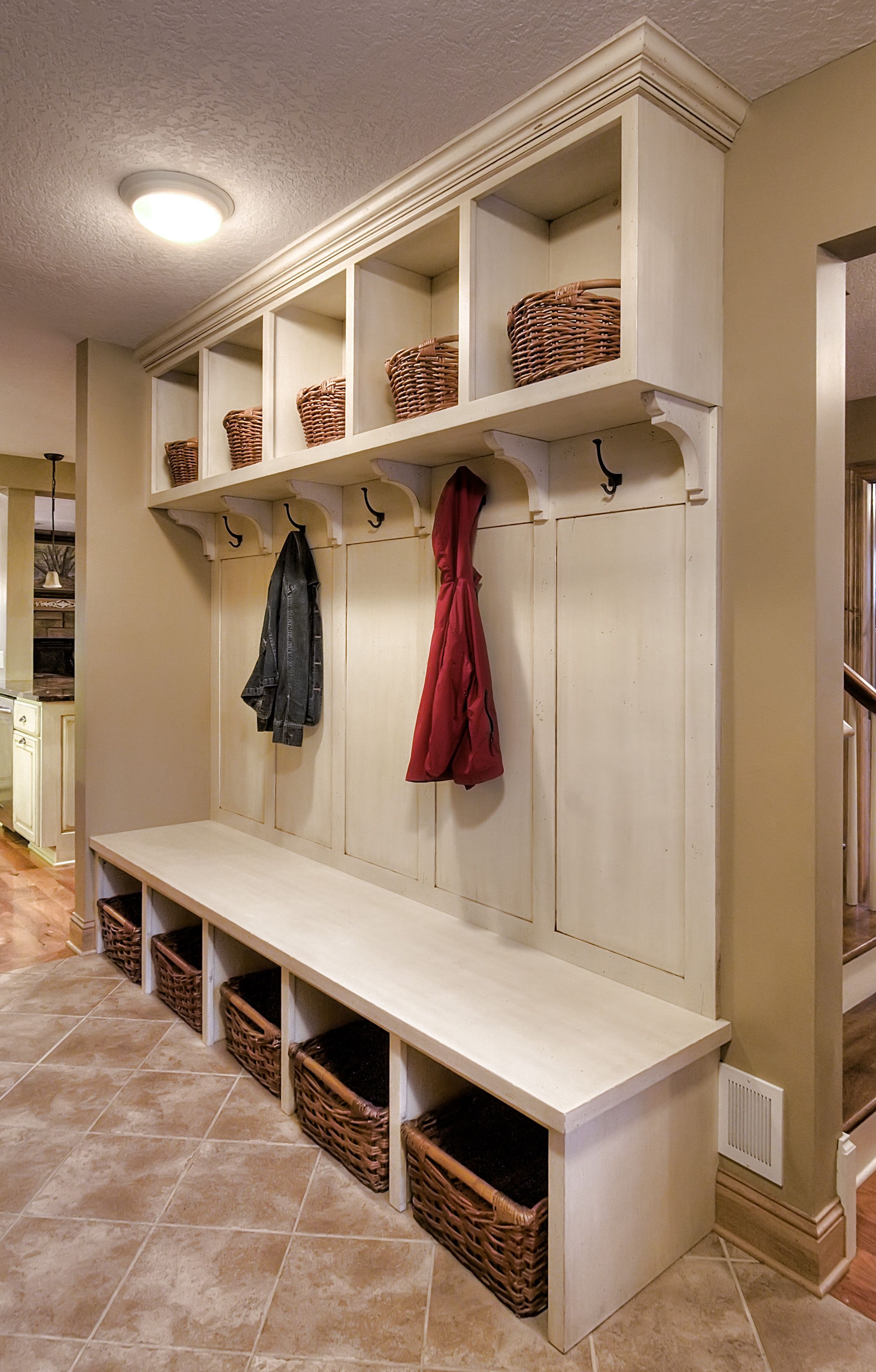
Mudroom Storage Ideas That Keep a Busy Entryway Tidy
Eco-Friendly Solutions for Common Garden Pests
Winter Glow: How Designer-Led Lighting Transforms Cold Spaces into Cozy Retreats

Transform Your Space with These Rug Layering Techniques

