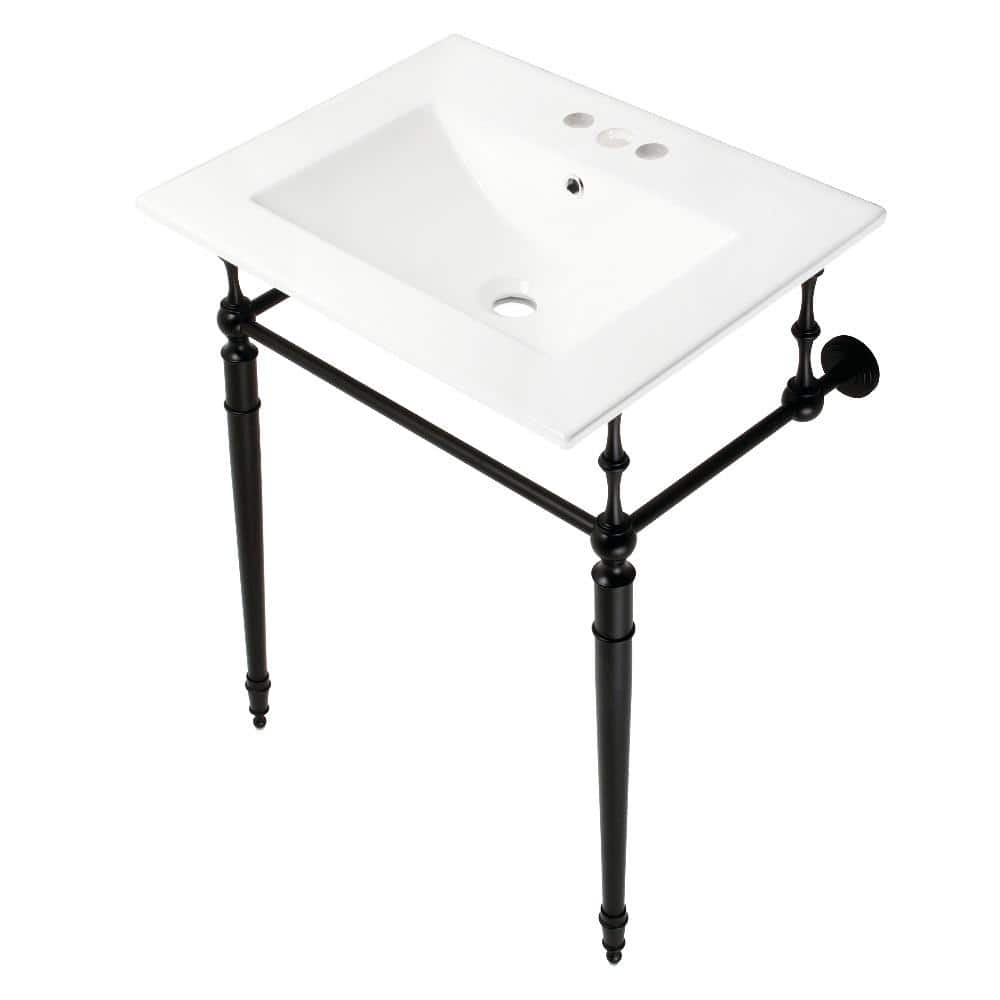
Picture this: You're standing in a bathroom where every fixture whispers stories of ancient civilizations. The tub curves like a Roman bath, the sink echoes with Greek elegance, and the toilet sits with the refined dignity of medieval craftsmanship. This isn't just coincidence - it's the enduring influence of traditional ceramics shaping how we design our daily sanctuaries.
When we think about bathroom fixtures today, we often picture sleek modern designs made from glass, metal, or plastic. But if you look closer, you'll notice something fascinating happening. Many of these contemporary creations carry the subtle fingerprints of ancient clay artisans. Traditional ceramics have been quietly influencing bathroom design for centuries, weaving their timeless aesthetic into our daily routines. From the graceful curves of vintage bathtubs to the precise proportions of modern sinks, the legacy of ceramic craftsmanship continues to define how we experience our bathrooms. It's a beautiful example of how the past doesn't disappear - it transforms and adapts, finding new life in unexpected places.
The Timeless Appeal of Ceramic Forms
Traditional ceramics brought something special to bathroom design: natural beauty that comes from working with earth itself. These ancient craftspeople understood how shape could influence function and emotion. They learned that curved lines were gentler on the eye than sharp angles, and that smooth surfaces invited touch rather than repelled it.
Think about your favorite bathroom fixtures. Chances are they incorporate gentle curves or flowing lines that feel familiar because they've been part of human design for millennia. The classic pedestal sink design, for instance, draws directly from ancient pottery techniques. Those elegant curves that rise from the base to the bowl aren't just pretty - they reflect centuries of understanding about how water flows and how people interact with their surroundings.
Modern designers still rely on these principles. When you see a contemporary bathtub with soft edges or a shower enclosure that mimics the gentle swell of ancient clay vessels, you're witnessing this connection. The ancient wisdom of ceramic makers lives on in our daily rituals.
Color Stories from Ancient Kilns
Ceramic artists throughout history understood that color wasn't just decoration - it was communication. They knew that blue could evoke calmness, while white suggested purity and cleanliness. These lessons have found their way into modern bathroom aesthetics in ways both obvious and subtle.
Consider the popularity of white porcelain fixtures. This choice isn't arbitrary - it's rooted in centuries of ceramic tradition where white represented cleanliness, simplicity, and spiritual purity. Ancient Chinese porcelain influenced European bathroom design for hundreds of years, creating a visual language that speaks to our deepest associations with hygiene and refinement.
Today's designers still tap into this collective memory. They might choose muted blues that echo the deep hues of ancient pottery, or warm terracotta tones that remind us of the earth itself. These colors don't just decorate - they set the mood for our bathroom experiences. They create a sense of continuity with the past while meeting the needs of modern living.
The influence extends beyond just the main colors too. Even the glaze finishes on modern fixtures often mimic the subtle sheens and textures of traditional ceramics. These surface treatments add depth and character that simple metals or plastics simply cannot match.
Functionality Through Form
One of the most important lessons traditional ceramics taught us is that beauty and practicality don't have to be separate. In fact, they work best when they're woven together.
Ancient potters had to solve real problems: how to hold water without leaking, how to make vessels that were easy to clean, and how to create forms that felt comfortable in hand. These practical concerns shaped their designs in ways that still matter today. When you look at a well-designed bathroom fixture, you'll often see solutions that mirror these ancient approaches.
Take the way a modern faucet handles water flow. Many of them follow the same principles that guided ancient potter's spouts - directing water precisely where it's needed, controlling pressure, and ensuring that no water gets wasted. The spout angle, the handle placement, even the way the water emerges all reflect centuries of understanding about fluid dynamics and user interaction.
This practical approach also shows up in the way ceramic influences the overall layout of bathrooms. Traditional ceramics taught us that space matters, and that every element should serve a purpose. Modern bathroom designers who study these principles often create more efficient spaces that feel less cluttered and more harmonious.
Cultural Threads Weave Through Design
Every culture has its own ceramic traditions, and each one brings unique perspectives to bathroom design. The Japanese concept of 'ma' - the space between things - finds expression in minimalist bathroom fixtures that emphasize negative space and quiet elegance. Meanwhile, Mediterranean ceramic traditions bring warmth and earthiness, with bold patterns and rich colors that celebrate life and community.
These cultural influences show up in surprising ways. A modern bathroom might feature a fixture inspired by Persian tile work, or a sink design that reflects the geometric precision of Islamic ceramic art. These aren't just decorative choices - they're expressions of how different cultures have approached the fundamental human need for cleanliness and comfort.
Even the materials themselves tell stories. When designers choose to use natural elements like stone or wood alongside ceramic fixtures, they're continuing ancient traditions that saw beauty in combining different materials to create something greater than the sum of its parts. This blending of materials creates depth and interest that purely synthetic designs struggle to achieve.
Craftsmanship That Transcends Time
Traditional ceramic techniques have helped shape how we think about quality and durability in bathroom fixtures. Ancient potters developed methods for creating strong, lasting pieces that could withstand daily use. They learned that good construction meant not just using quality materials, but understanding how those materials would behave over time.
Modern manufacturers often employ these same principles when creating bathroom fixtures. They focus on solid construction, proper glazing techniques, and attention to detail that ensures longevity. The difference between a cheap fixture that breaks after a few years and a high-quality one that lasts decades often comes down to these fundamental principles.
There's also something deeply satisfying about fixtures that show signs of careful craftsmanship. Whether it's the slight imperfection in a glaze that makes it unique, or the way a ceramic piece feels in your hand, these qualities remind us that we're using objects made with care and skill. This connection to craftsmanship gives modern bathrooms a warmth and personality that mass-produced alternatives often lack.
The emphasis on handmade quality also ties back to the human need for meaning in our possessions. When a fixture carries the marks of skilled hands, it becomes more than just a functional object - it becomes part of the story of your home.
Modern Innovations Built on Ancient Foundations
The relationship between traditional ceramics and modern bathroom design isn't one-sided. While we draw inspiration from the past, we're also pushing boundaries and creating new possibilities. Contemporary designers take ancient ceramic principles and combine them with modern technology to create fixtures that are both beautiful and highly functional.
Digital modeling allows designers to experiment with forms that would have been impossible to create by hand in ancient times. Yet they still rely on the fundamental understanding of how shapes interact with water, how surfaces feel to the touch, and how people move through space. These core insights from traditional ceramics provide the foundation for innovation.
Consider how smart bathroom fixtures integrate with modern technology while maintaining the elegant proportions and tactile qualities that make ceramic so appealing. The touchscreen controls might be new, but the way they're positioned and the materials used still follow principles established by centuries of ceramic craftsmanship.
This blend of old and new creates something special - fixtures that feel both familiar and fresh. They honor the past while serving the present, offering us bathrooms that are both functional and emotionally resonant. The challenge for modern designers is to find the right balance between innovation and tradition, ensuring that the essential qualities of ceramic design remain intact even as technology changes.
The influence of traditional ceramics on modern bathroom fixture design goes far deeper than simple aesthetics. It represents a continuous dialogue between past and present, where ancient wisdom informs contemporary needs. Every curve, color choice, and functional element in today's bathroom fixtures carries the weight of centuries of ceramic tradition.
This connection reminds us that great design isn't about following trends or chasing novelty. It's about understanding what makes spaces truly livable and beautiful. Traditional ceramics taught us that form and function should work together, that beauty should be grounded in practicality, and that the materials we choose matter profoundly.
As you look around your bathroom, consider the invisible threads connecting your modern fixtures to ancient clay artisans. The next time you enjoy a relaxing bath or brush your teeth in a beautifully designed sink, remember that you're participating in a tradition that spans thousands of years. This isn't just about making your home look nice - it's about creating spaces that honor both our past and our future. The ceramic legacy continues to shape how we experience one of our most personal spaces, reminding us that some things endure because they get it right.
Related Posts
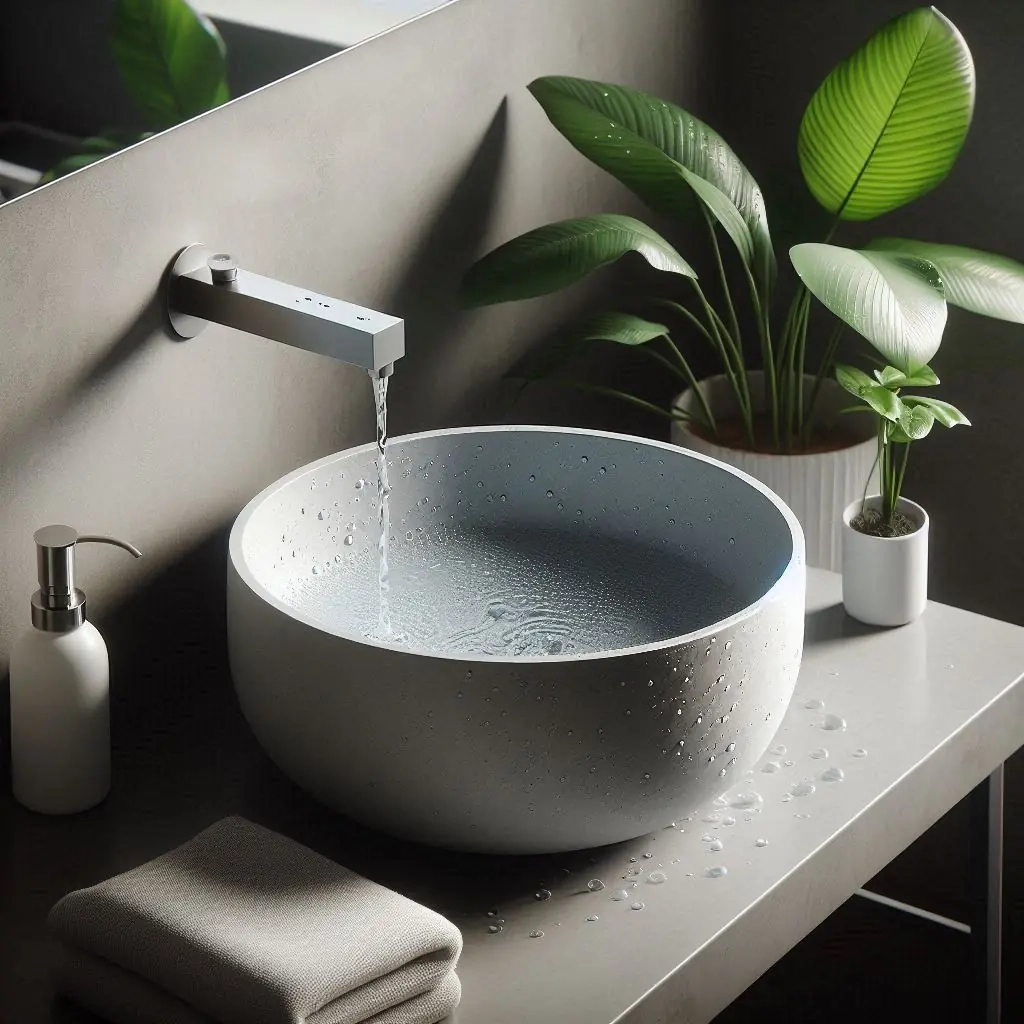
How Ceramic Vessel Sinks Enhance Bathroom Aesthetics and Functionality
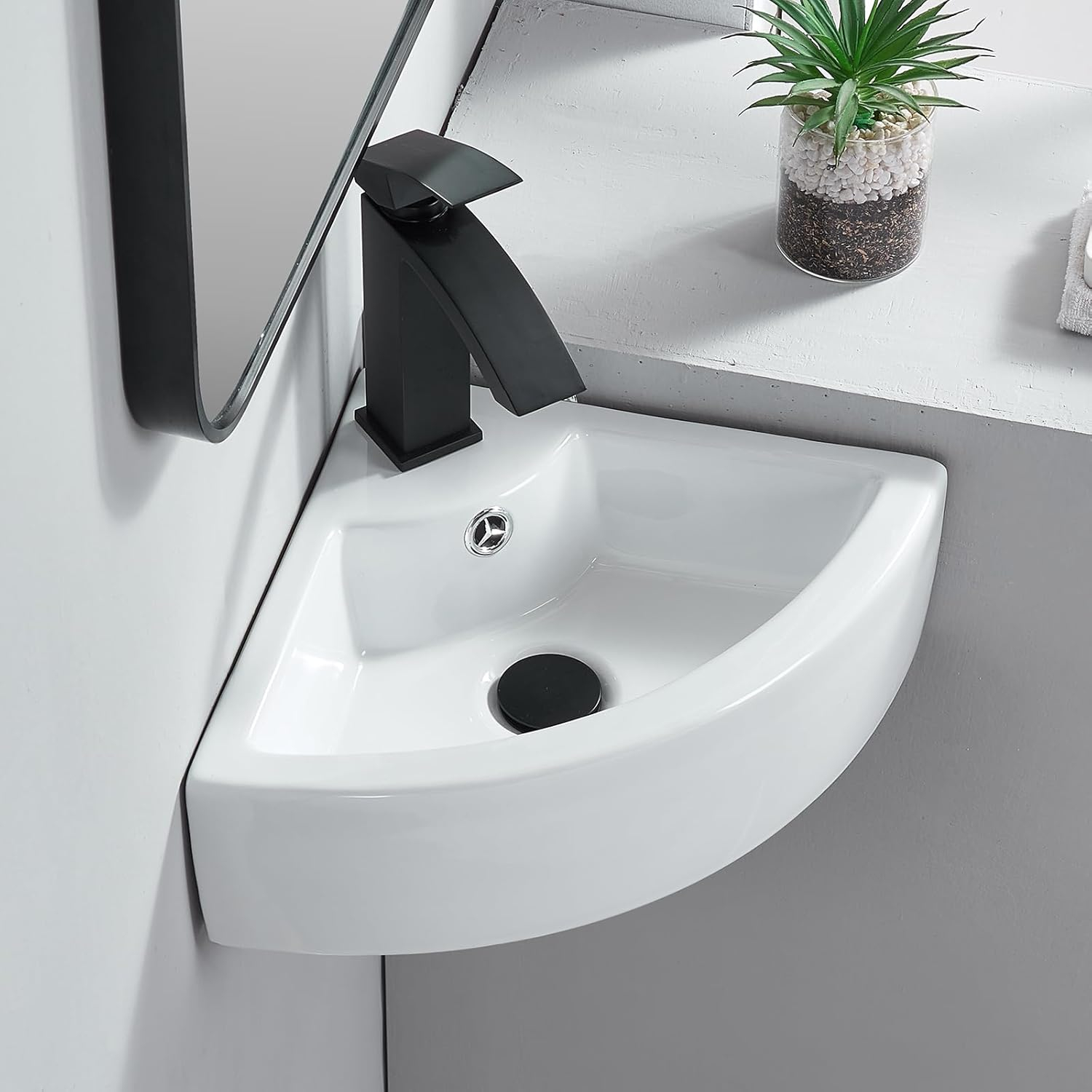
How to Choose the Right Wall Mounted Corner Sink for Your Bathroom Space
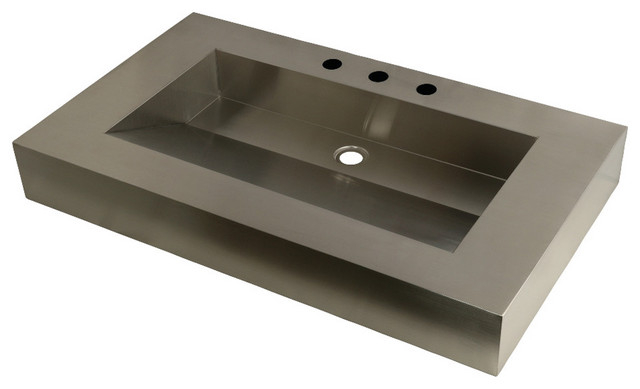
Design and Durability Analysis of the Kingston Brass GLTS37225 Brushed Basin
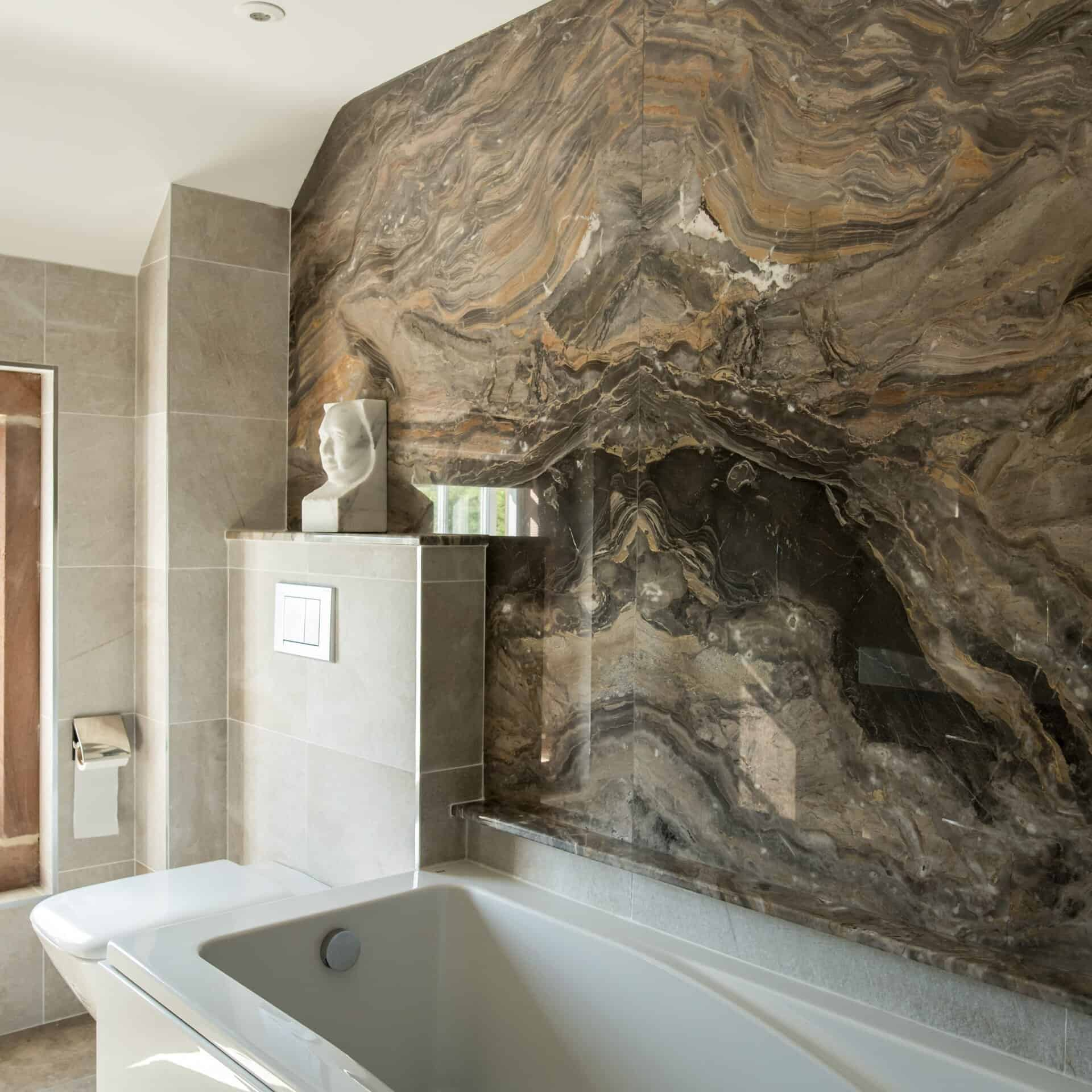
Transforming Your Bathroom with Textured Stone Surfaces
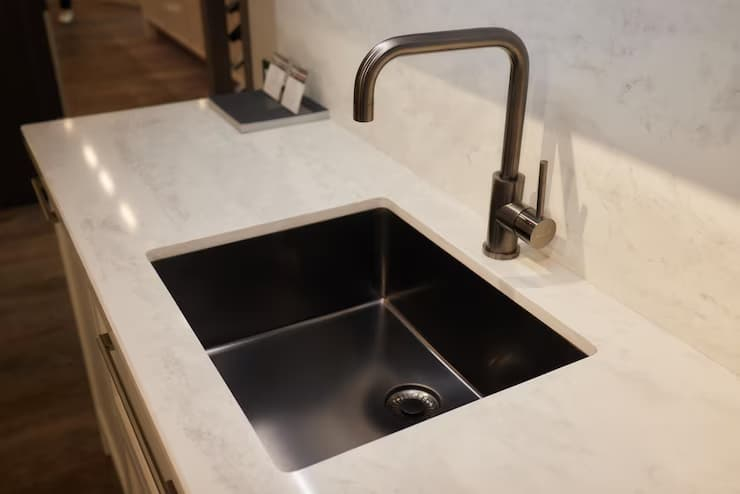
Choosing the Perfect Small Undermount Sink for Your Home Decor