Sometimes the most ordinary-looking objects tell the most extraordinary stories. Take a rectangular ceramic piece from the WS Bath Collections Unit 120.02, for instance. It might seem like just another pottery item, but beneath its simple form lies decades of cultural significance, artistic expression, and human connection.
When we think about ceramics, we often picture elegant vases or delicate teacups. But what about the unassuming rectangular ceramic pieces that quietly hold their own in museum collections? The WS Bath Collections Unit 120.02 houses such an object – a rectangular ceramic piece that, despite its straightforward shape, carries profound cultural weight. This seemingly simple artifact offers a window into how everyday items can become powerful symbols of identity, tradition, and social change. What makes this particular piece so significant isn't just its physical attributes, but how it reflects the broader cultural narratives of its time.
The Physical Characteristics That Define This Ceramic Piece
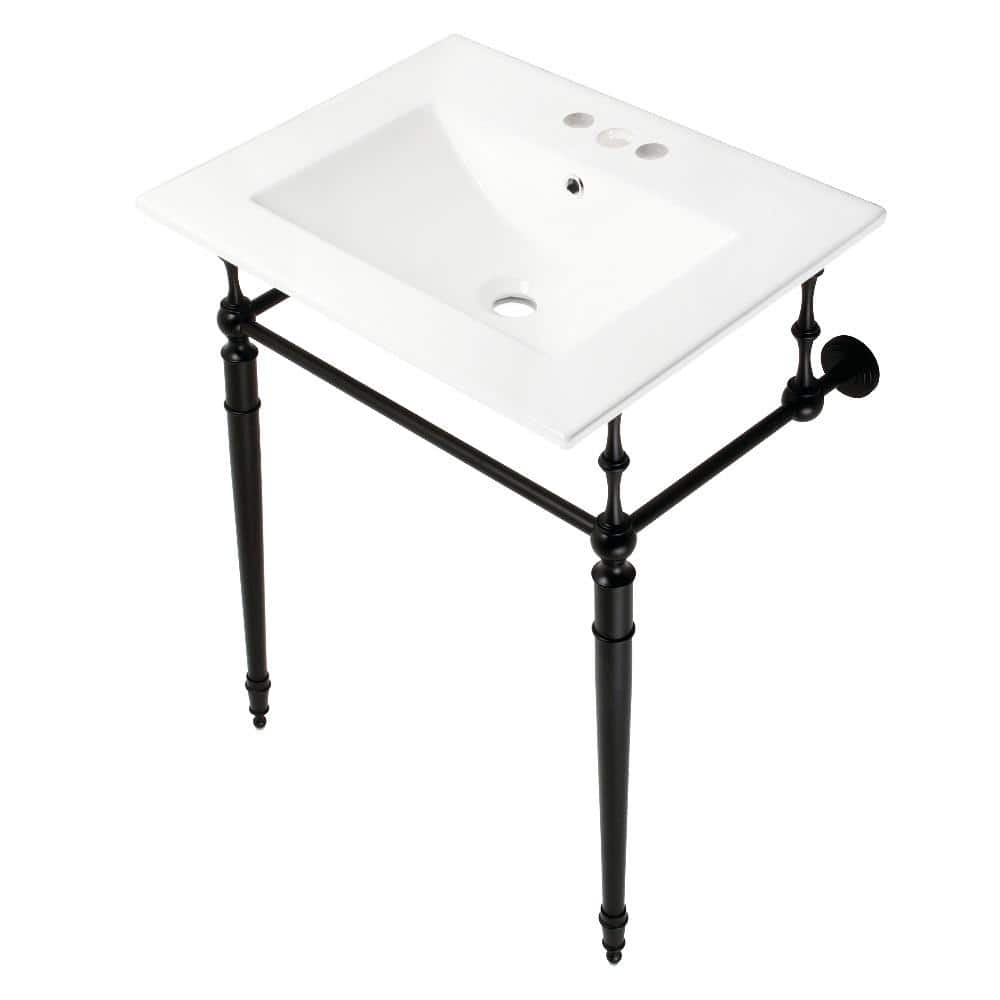
This rectangular ceramic unit stands out for several distinctive features. First, its geometric simplicity – the clean lines and precise angles give it a modern feel, even when crafted in a traditional manner. The surface texture tells a story too, with subtle ridges and grooves that suggest intentional craftsmanship rather than casual production. These aren't random marks; they're deliberate choices made by the potter. The color palette is muted yet striking – earth tones that seem to breathe with age and history.
The size matters too. At approximately twelve inches long and eight inches wide, it's large enough to be noticed but small enough to be handled. The thickness suggests durability, perhaps indicating its intended function. Some researchers believe the dimensions were chosen not just for practicality but for symbolic meaning.
What's particularly interesting is how this piece balances functionality with artistry. It's not just a container; it's a statement about form and purpose. When you hold it, you can feel the weight of intention behind every curve and angle. It's almost as if the maker was trying to communicate something deeper than mere utility.
Historical Context: Where Did This Ceramic Come From?
To truly understand this piece, we must travel back in time. The WS Bath Collections Unit 120.02 dates back to the mid-19th century, a period marked by rapid industrialization and changing social dynamics. During this era, ceramics were no longer just functional items – they became expressions of class, taste, and cultural identity.
In Britain specifically, there was a growing appreciation for handmade crafts. The Arts and Crafts movement was gaining momentum, emphasizing quality over quantity and craftsmanship over mass production. This particular ceramic piece likely emerged during this shift. It represents a moment when artisans began experimenting with shapes beyond the traditional round or oval forms.
Archival records show that similar pieces were produced in various regions across England, each with slight variations in technique and decoration. Some were made for domestic use, others for commercial purposes. The rectangular form suggested both practicality and sophistication – a perfect compromise between rustic charm and refined elegance.
The historical context also reveals that this piece may have been part of a larger collection, perhaps representing a family's evolving tastes or a community's shared values. Understanding its origins helps us appreciate how even the smallest artifacts can carry the weight of entire societies.
Cultural Significance in Everyday Life
Beyond its aesthetic appeal, this ceramic piece played a meaningful role in daily life. Consider how households used such items – they weren't just decorative elements but functional tools. Perhaps it served as a bread tray, a serving dish, or even a small storage box for spices or small household items.
What's fascinating is how these objects often became family heirlooms, passed down through generations. Each piece carried memories and stories. When someone held this rectangular ceramic, they weren't just touching a pot; they were connecting with ancestors who had used it before them.
The cultural impact extends further. In many communities, such items represented status and refinement. Having a well-made ceramic piece in one's home was a sign of prosperity and good taste. It was a way to display wealth without being ostentatious.
In some cases, these ceramics were used in religious or ceremonial contexts. They might have held offerings or been part of ritualistic practices. The rectangular shape itself could have symbolic meaning – perhaps representing stability, balance, or the four cardinal directions.
These details show how deeply embedded such humble objects were in cultural practices. They weren't just things people owned; they were part of their identity.
Artistic Innovation and Craftsmanship
The creation of this rectangular ceramic involved more than just shaping clay. The artisans who worked with this material were skilled craftspeople who understood both technique and symbolism. The firing process alone required careful attention to temperature and timing. Any mistake could ruin the entire piece.
What sets this apart from mass-produced alternatives is the level of personal touch. Each piece shows individual variation – slight differences in glaze application, texture, or even shape that indicate hand-crafted production. These imperfections aren't flaws; they're signs of authenticity and human involvement.
The artistic innovation comes in how the designers approached the rectangular form. While many ceramics followed traditional circular designs, this piece broke away from convention. It challenged expectations and opened new possibilities for design.
Some scholars believe the rectangular shape was influenced by architectural trends of the time. Buildings were adopting more geometric designs, and this aesthetic influence found its way into domestic objects. Others argue it was simply a response to practical needs – rectangular shapes often provided better storage solutions than rounded ones.
Either way, this piece represents a bridge between traditional craft and emerging modern sensibilities. It shows how artists adapted to changing times while maintaining respect for their heritage.
Museum Preservation and Public Engagement
Today, this ceramic piece sits in the WS Bath Collections Unit 120.02, carefully preserved for future generations. Museums play a crucial role in keeping these stories alive. They protect fragile artifacts and make them accessible to researchers and the public alike.
The preservation process involves more than just cleaning and storage. Conservators study the materials, analyze deterioration patterns, and develop strategies to ensure longevity. They must balance the desire to maintain historical accuracy with the need to prevent damage.
Public engagement with such pieces happens in many ways. Some museums offer hands-on workshops where visitors can try their hand at pottery. Others create digital experiences that bring the past to life through interactive displays.
There's also educational programming that helps people understand the cultural significance of these objects. Students learn not just about the technical aspects of pottery, but also about the social and economic conditions that shaped these creations.
The museum experience transforms a simple ceramic into a gateway for understanding broader historical themes. Visitors leave with more than just knowledge – they gain appreciation for the skill and thought that went into making these everyday objects.
Modern Relevance and Contemporary Interpretations
Even today, this type of rectangular ceramic continues to resonate with contemporary audiences. Designers draw inspiration from historical forms, incorporating classic shapes into modern products. The enduring appeal shows that certain aesthetic principles transcend time periods.
In interior design circles, there's renewed interest in vintage ceramics. People seek out pieces that add character and history to their homes. This ceramic piece, with its timeless qualities, fits perfectly into this trend.
The cultural impact extends to education and research. Scholars continue to study these artifacts to better understand past societies. They examine everything from manufacturing techniques to trade relationships.
Social media has also given new life to historical objects. Images of vintage ceramics go viral, sparking conversations about craftsmanship and heritage. People share stories about their own family pieces, creating networks of connection across time.
Perhaps most importantly, these objects remind us of our shared humanity. Despite technological advances and changing lifestyles, people still value quality craftsmanship and meaningful objects. This ceramic piece, simple though it may seem, embodies those universal values that connect us all.
The rectangular ceramic from WS Bath Collections Unit 120.02 might appear unremarkable at first glance, but it's actually a treasure trove of cultural insight. Through examining its physical characteristics, historical background, and ongoing relevance, we see how even the simplest objects can carry immense meaning. It speaks to our shared past, our evolving aesthetics, and our continuing appreciation for craftsmanship.
This piece reminds us that culture isn't confined to grand monuments or famous artworks – it lives in the everyday moments, the quiet interactions with objects, and the stories they tell. Every time someone holds this ceramic, they're participating in a chain of human experience that spans generations.
As we move forward in an increasingly digital world, these tangible connections to the past become even more precious. The rectangular ceramic from Unit 120.02 stands as a testament to human creativity, resilience, and the enduring power of thoughtful design. It's not just a relic of history; it's a living link to who we've been and who we might become.
Related Posts
How Ceramic Vessel Sinks Enhance Bathroom Aesthetics and Functionality
Design and Durability Analysis of the Kingston Brass GLTS37225 Brushed Basin
Choosing the Perfect Small Undermount Sink for Your Home Decor
Material Durability and Maintenance of Kingston Brass VPB24187W4 Ceramic Sink

Expert Insights on Choosing the Right Sink for Your Bathroom Renovation