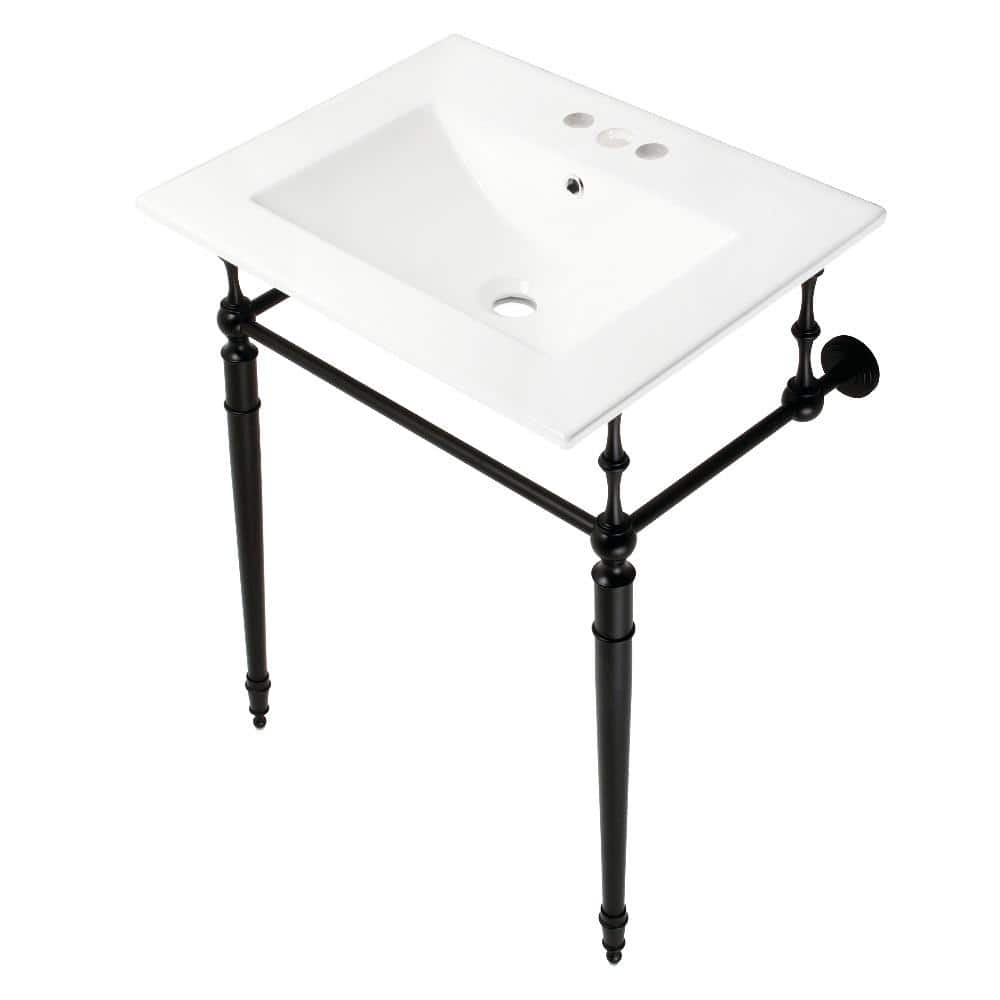
Your kitchen or bathroom faucet is one of the most used fixtures in your home. For those lucky enough to have a Nameeks CeraStyle 079600-U three hole faucet, you've got a quality piece that deserves proper attention. This guide will walk you through everything you need to know to keep it looking and functioning like new.
Faucets are often taken for granted until they start dripping or malfunctioning. If you've invested in a Nameeks CeraStyle 079600-U three hole faucet, you've chosen a product that combines style with durability. But even the best faucets need care and attention to maintain their performance. Think of it like taking care of a favorite pair of shoes – regular cleaning and gentle handling keep them looking great and performing well. This isn't just about keeping things pretty; it's about extending the life of your investment and preventing costly repairs.
Understanding Your Faucet's Design
Before we dive into care routines, let's look at what makes your Nameeks CeraStyle 079600-U special. This three-hole faucet design features a classic look that works well in traditional and modern kitchens. The three-hole configuration allows for flexibility in installation and provides room for a decorative handle or spout. Understanding how each component works helps you know what to watch for during routine checks. The ceramic disc valves inside are typically what give these faucets their longevity, but they still need protection from hard water buildup and debris. When you see mineral deposits forming, it's usually a sign that your faucet needs some TLC.
Daily Maintenance Routine
Simple daily habits can make a big difference in faucet longevity. Wipe down the faucet after each use with a soft cloth to remove fingerprints and water spots. Pay special attention to the handles and spout area where soap residue can build up. A quick rinse with clean water every few days prevents soap scum from setting in. You might notice some minor issues early if you stick to this schedule. For example, if you see the handle getting stiff, it might be time to check for mineral buildup. Many people overlook this step, but it's one of the easiest ways to prevent bigger problems later on.
Deep Cleaning Procedures
Every two weeks, give your faucet a deeper clean using mild soap and warm water. Use a soft brush or toothbrush to get into crevices around the handles and spout. For stubborn stains, a mixture of baking soda and water can work wonders. Apply it gently and let it sit for a few minutes before rinsing thoroughly. Some people prefer using white vinegar for its natural cleaning properties. Just remember to dry everything completely afterward. If you live in an area with hard water, consider doing this cleaning more frequently. You'll notice the difference in how your faucet looks and feels when it's properly cleaned.
Addressing Common Issues
Minor problems shouldn't be ignored. If you notice dripping, it could be a worn-out washer or O-ring. These small parts are easy to replace and can save you from bigger headaches. Handle stiffness might indicate the need for lubrication or cleaning. Sometimes, simply turning off the water supply and letting it sit for a while can resolve temporary sticking issues. If you hear squeaking sounds, it's usually a sign that moving parts need lubrication. Don't wait too long to address these issues – they tend to get worse over time. Many homeowners find that fixing small problems quickly saves them money in the long run.
Preventing Mineral Buildup
Hard water is probably your faucet's biggest enemy. The minerals in hard water leave behind deposits that can clog aerators and affect performance. Regular descaling with vinegar solutions helps keep things running smoothly. Pour white vinegar into a bag, secure it around the aerator, and let it soak for several hours. Then unscrew and rinse thoroughly. Some people use citric acid-based cleaners specifically designed for this purpose. It's worth noting that frequent use of your faucet helps prevent mineral buildup by keeping water flowing through the system regularly. If you notice the water flow becoming restricted, it's time to tackle buildup.
Protecting Finish and Appearance
The appearance of your faucet matters, especially since it's often one of the first things people notice in a kitchen or bathroom. Avoid harsh chemicals that can damage the finish. Instead, use gentle cleaners recommended by the manufacturer. For chrome finishes, a simple wipe-down with a soft cloth and mild soap works best. If you have a brushed nickel finish, avoid abrasive cleaners that can scratch the surface. Consider using a soft cloth to buff the surface occasionally, which helps maintain shine. Some people swear by specialized faucet polishes, but always test them first on a hidden area. The goal is to keep the visual appeal intact while maintaining functionality.
Taking care of your Nameeks CeraStyle 079600-U three hole faucet doesn't require professional help or expensive products. With some simple daily habits and periodic deep cleaning, you can ensure your faucet continues to perform beautifully for years. Remember, prevention is always better than cure. Regular attention to small issues prevents them from becoming major problems. Your faucet is an investment in your home's functionality and appearance. By following these care tips, you're not just maintaining a fixture – you're preserving something that enhances your daily routine. The effort you put in now pays dividends in reliability and aesthetics down the road.
Related Posts

How Ceramic Vessel Sinks Enhance Bathroom Aesthetics and Functionality
How to Choose the Right Wall Mounted Corner Sink for Your Bathroom Space
Design and Durability Analysis of the Kingston Brass GLTS37225 Brushed Basin

Transforming Your Bathroom with Textured Stone Surfaces
Choosing the Perfect Small Undermount Sink for Your Home Decor