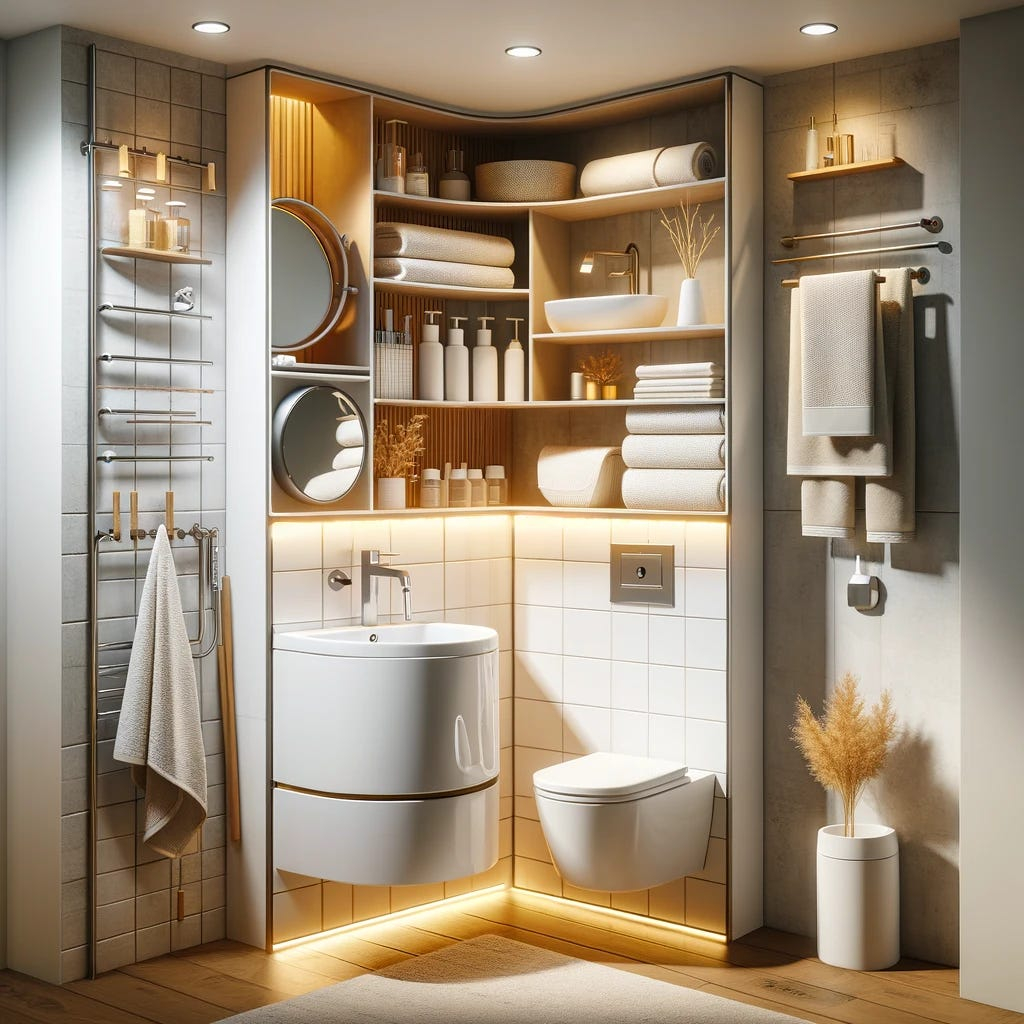
Every bathroom tells a story. Some whisper quiet elegance while others roar with bold sophistication. The secret lies not just in the fixtures, but in the careful selection of vanity units and countertops that form the heart of your sanctuary.
Think about the last time you stepped into a bathroom that made you feel truly pampered. Was it the way light danced off polished surfaces? Or perhaps it was the seamless blend of form and function that made every moment feel intentional? These experiences often come down to two crucial elements: the vanity unit and the countertop. They're more than just pieces of furniture – they're the foundation upon which luxury bathroom design is built. When chosen thoughtfully, these elements can elevate a simple space into something extraordinary, creating a daily ritual of indulgence.
Understanding the Foundation
The vanity unit isn't just about storage and surface area. It's the backbone of your bathroom's functionality and aesthetic. Consider how you move through your morning routine. Do you prefer to prep your makeup while standing? Or do you like to sit and take your time with skincare? The height of your vanity matters enormously. Standard heights range from 32 to 36 inches, but custom options allow for personalized comfort. Think about the practical needs of everyone who will use the space. A family bathroom might require lower vanities for children, while a master suite could benefit from taller, more sculptural designs. The material choice adds another layer of complexity. Solid wood offers warmth and character, while quartz provides durability and low maintenance. Each option brings different qualities to the overall experience.
Countertop Materials and Their Character
Countertops are the canvas where your daily rituals unfold. Natural stone like marble, granite, or limestone creates an air of timeless sophistication. Marble brings veining that's unique to each slab, offering individuality that no manufactured surface can replicate. Granite provides strength and durability with its distinctive patterns. However, these materials require regular sealing and maintenance. Quartz, on the other hand, offers consistent appearance with minimal upkeep. It comes in countless colors and patterns, making it versatile for various design styles. But it lacks the organic beauty of natural stone. For those seeking something completely different, materials like soapstone or concrete offer modern alternatives. Soapstone develops a beautiful patina over time, while concrete allows for endless customization through casting techniques. The choice becomes personal based on lifestyle, budget, and desired aesthetic.
Design Integration and Flow
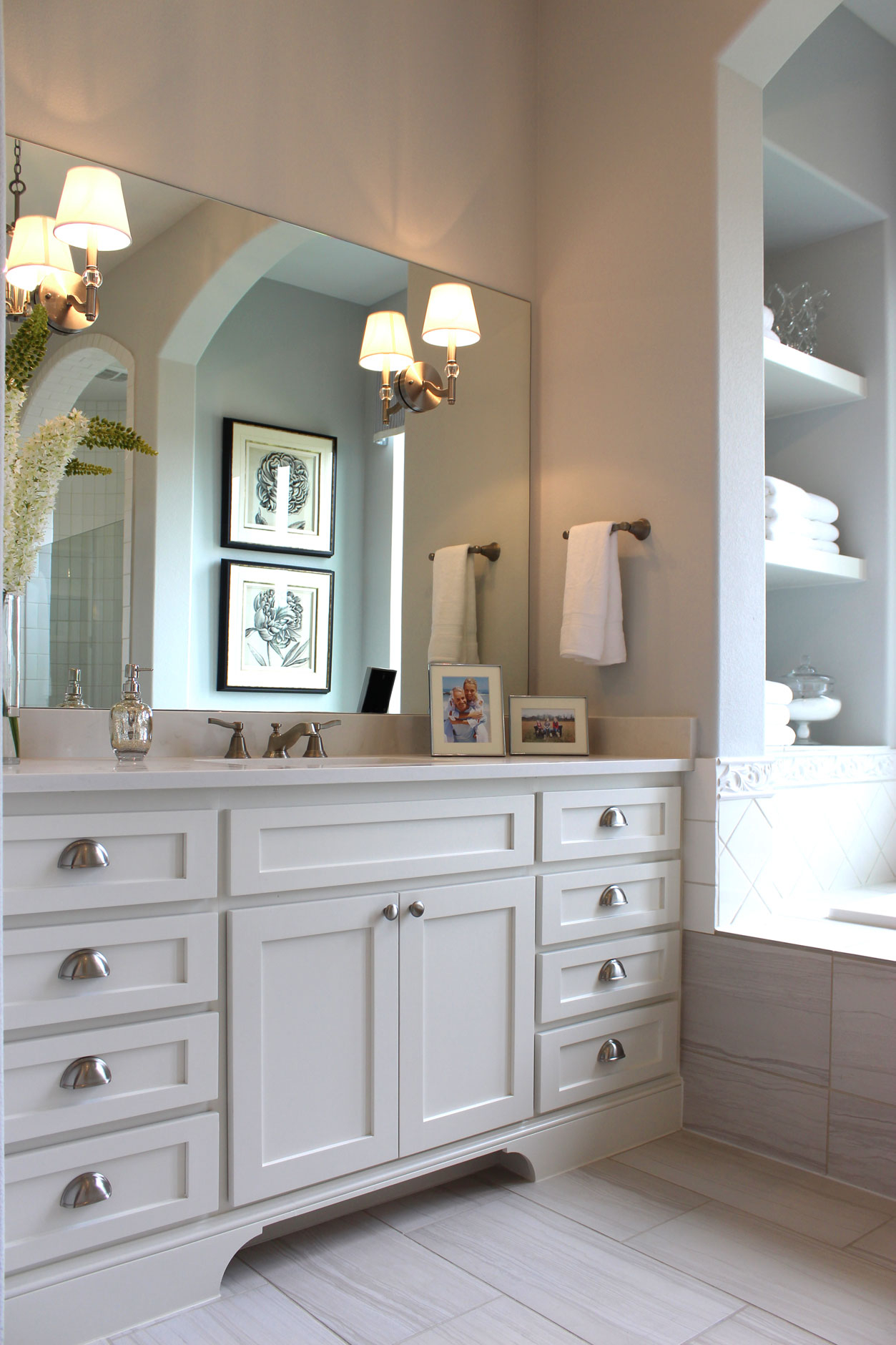
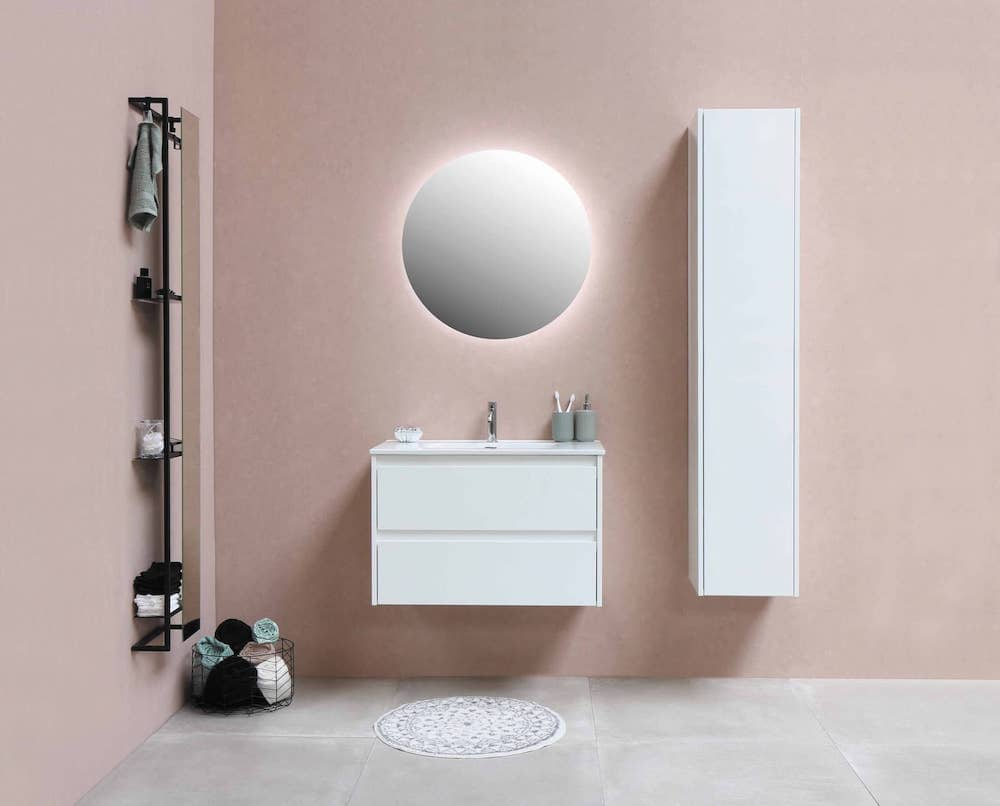
A luxury bathroom feels cohesive rather than assembled. The vanity and countertop must work together harmoniously. This means considering proportions carefully. A large vanity with a small countertop creates imbalance, just as a narrow vanity paired with oversized countertops can feel awkward. The relationship between the sink basin and surrounding counter space is critical. Deep vanities often accommodate larger sinks, but they also require careful planning for adequate clearance around the basin. Consider how lighting interacts with the materials. Light-colored countertops can make a small bathroom appear larger, while dark tones add drama and sophistication. The edge profiles matter too – straight edges convey clean modernity, while curved edges suggest softness and flow. These details combine to create visual harmony.
Practical Considerations Beyond Aesthetics
Luxury isn't just about looking good – it's about functioning well too. Storage solutions within vanities should reflect real-world needs. Think about how much space you actually need for daily essentials. A vanity with deep drawers might seem appealing, but if you rarely use them, they become cluttered dead space. Consider integrated features like medicine cabinets, towel racks, and lighting. The material choices also affect practical aspects. Stainless steel resists water damage better than many woods, while ceramic tiles offer easy cleaning for high-use areas. Maintenance requirements vary significantly. Some materials need professional cleaning, while others respond to simple household products. Factor in your lifestyle when making these decisions. If you entertain frequently, durability might outweigh aesthetics.
Color Psychology and Emotional Impact
Colors have power beyond their visual appeal. In bathroom spaces, they influence mood and atmosphere. Cool tones like white, gray, and blue create a sense of calm and cleanliness. They're particularly effective in smaller spaces where you want to enhance the feeling of openness. Warm tones such as beige, cream, or soft browns bring comfort and relaxation. They're ideal for master bathrooms where you want to feel nurtured after a long day. Bold colors can make dramatic statements but require careful handling. Darker shades create intimacy and drama, though they may make small spaces feel smaller. Lighter tones reflect light, making rooms appear larger and brighter. The interplay between vanity and countertop colors also affects the overall perception of the space. Matching them creates unity, while contrasting colors adds visual interest.
Budget Realities and Value Considerations
Luxury doesn't always mean expensive. Sometimes it means choosing wisely within your budget constraints. High-end materials like natural stone can cost thousands of dollars per square foot, but there are affordable alternatives that still deliver quality. Engineered quartz offers many benefits of natural stone at more reasonable prices. For budget-conscious projects, consider using premium materials selectively – perhaps on the vanity top while using more economical options elsewhere. Quality installation often costs more than materials themselves. Skilled craftsmanship ensures proper fitting and longevity. Research local artisans who specialize in bathroom installations. Sometimes a small investment in professional work pays dividends in years of satisfaction. Consider the long-term costs too – some materials require more frequent replacement or special treatments.
Creating a luxury bathroom through thoughtful vanity and countertop selection requires balancing multiple factors. From understanding how materials behave to considering your daily routines, each decision shapes the final result. The best luxury spaces feel both beautiful and functional, serving your needs while elevating your everyday moments. Whether you're starting fresh or renovating existing space, remember that the vanity and countertop are the foundation. They set the tone for everything else that follows. Take time to explore options, consider your lifestyle, and trust your instincts. After all, your bathroom should feel like a personal retreat where you can truly relax and recharge.
Related Posts
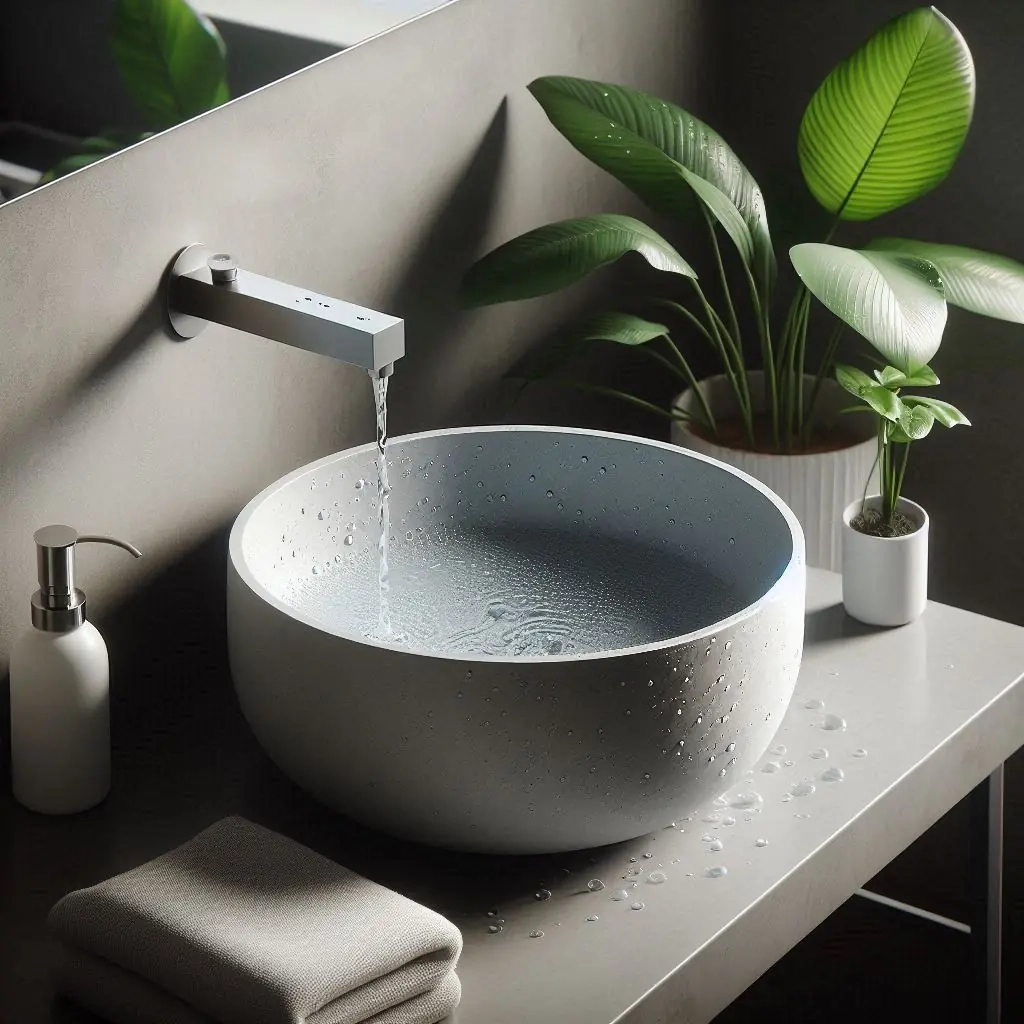
How Ceramic Vessel Sinks Enhance Bathroom Aesthetics and Functionality
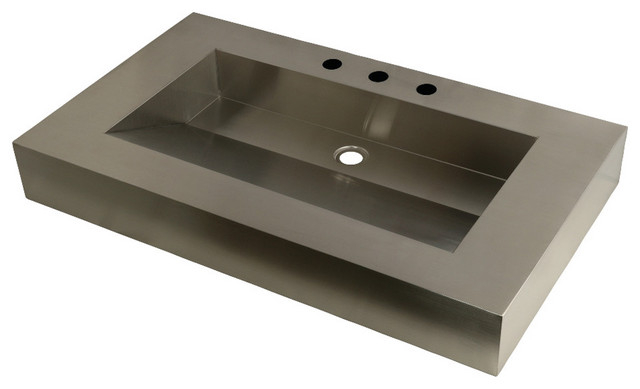
Design and Durability Analysis of the Kingston Brass GLTS37225 Brushed Basin
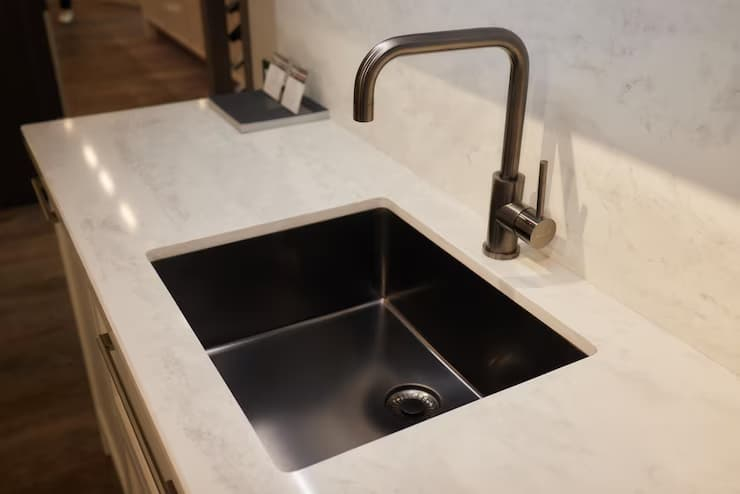
Choosing the Perfect Small Undermount Sink for Your Home Decor
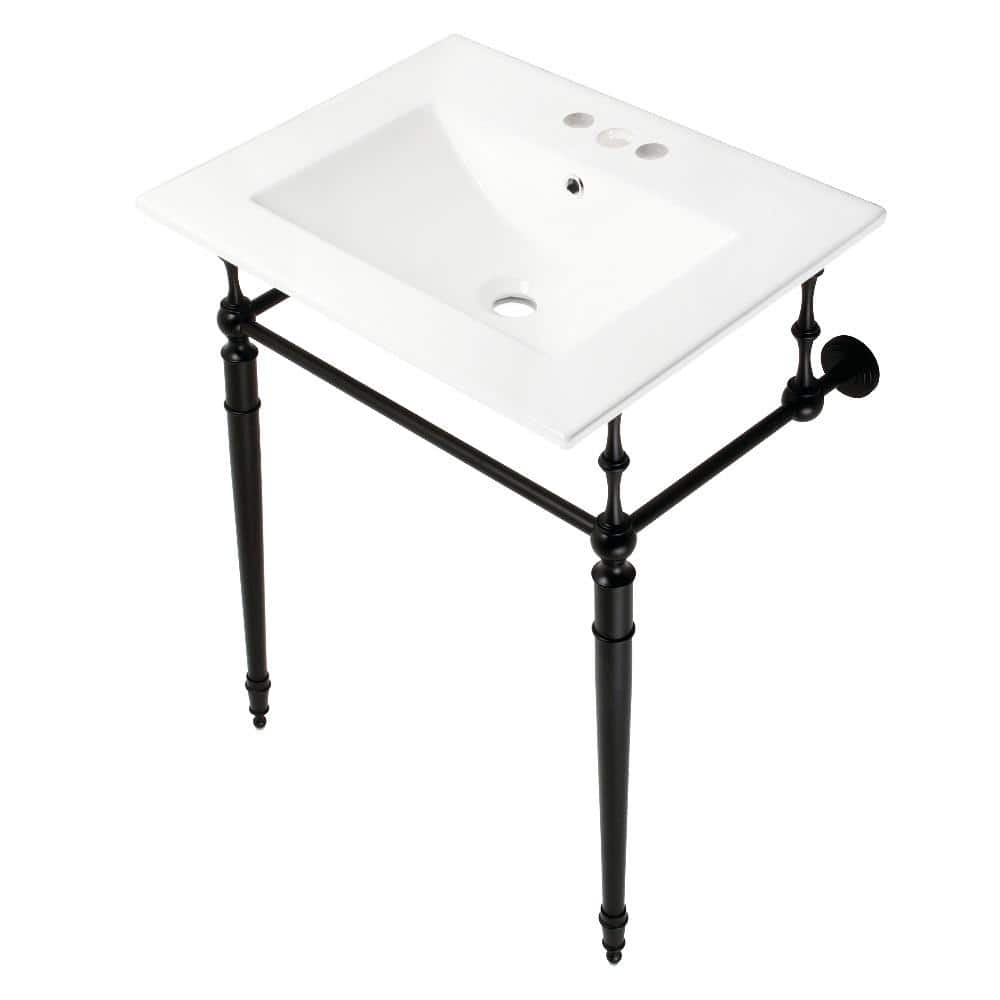
Material Durability and Maintenance of Kingston Brass VPB24187W4 Ceramic Sink
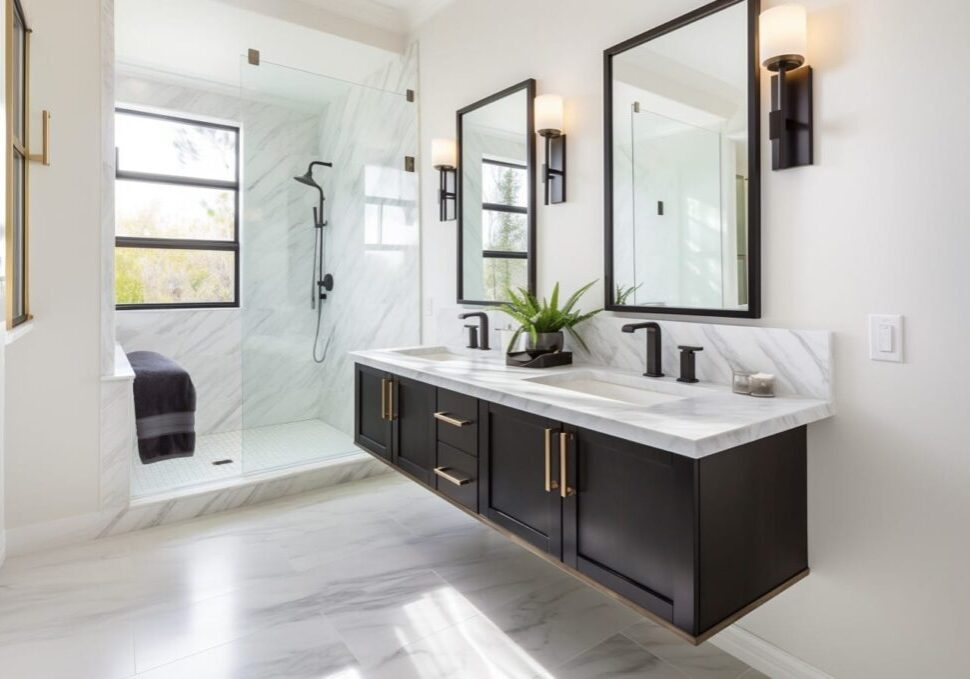
Expert Insights on Choosing the Right Sink for Your Bathroom Renovation