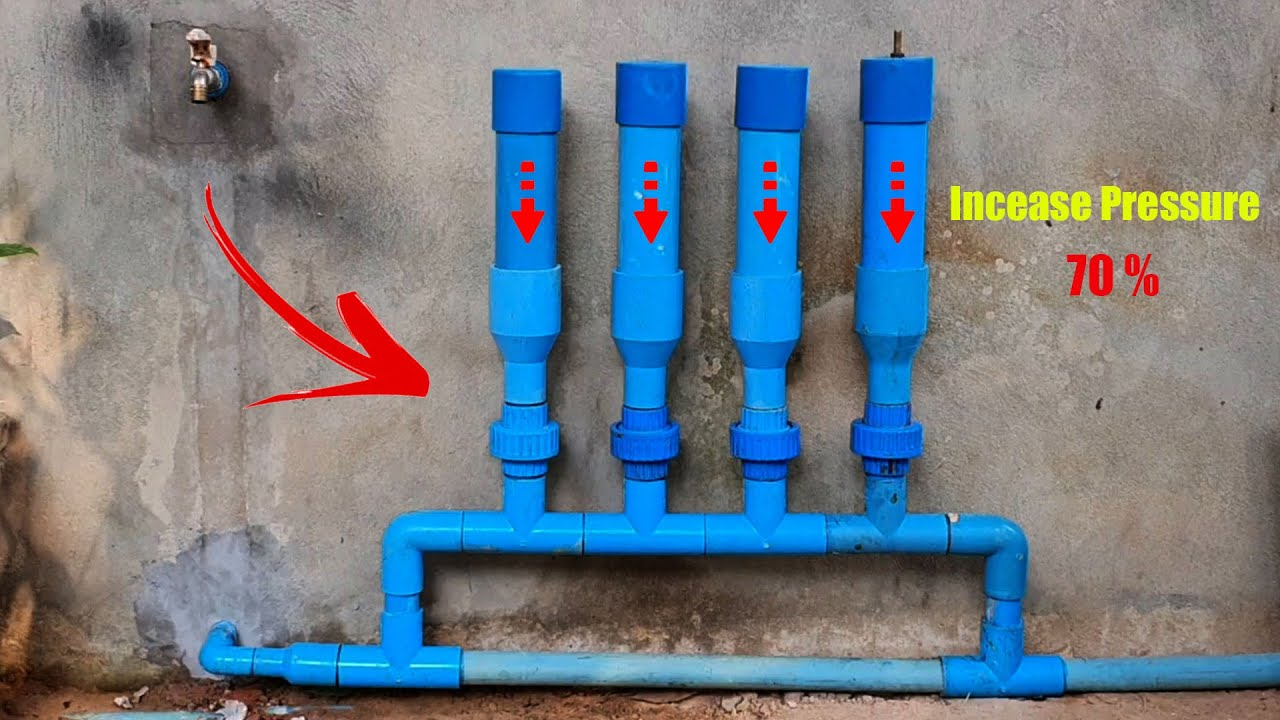
Think about your morning routine. You turn on the faucet, and there's that satisfying stream of water. But what if that stream was weak, barely enough to fill a cup? It's not just annoying—it can be frustrating when your daily tasks depend on reliable water pressure. Enter water pressure boosters, the unsung heroes of home plumbing systems. But here's the thing: even the most powerful booster pump won't do its job properly if you've got the wrong pipes. Choosing the right piping isn't just about picking something that fits—it's about creating a system that works seamlessly together.
When it comes to home water pressure issues, many homeowners jump straight to installing a pressure booster pump without considering the critical role of piping. This oversight can lead to poor performance, frequent repairs, and even complete system failure. The truth is, your water pressure booster is only as good as the piping that feeds it and carries it to your fixtures. Think of it like trying to pour water through a straw that's too small or made of the wrong material. Sure, you might get some water out, but it won't be efficient or reliable. This guide will walk you through everything you need to know about selecting proper piping for residential water pressure boosters, from material selection to sizing considerations. Whether you're planning a new installation or upgrading an existing system, understanding these fundamentals will save you time, money, and headaches down the road.
Understanding Water Pressure Booster Systems
Before diving into piping specifics, it helps to grasp how these systems work. A water pressure booster essentially takes incoming water from your main supply and increases its pressure before sending it through your home's plumbing. These systems are particularly helpful when you have low water pressure due to factors like elevation changes, long pipe runs, or multiple fixtures being used simultaneously. The key insight is that while the booster does the heavy lifting, it relies entirely on proper piping to deliver that increased pressure effectively. When you think about it, it's like having a powerful engine in a car but using worn-out tires—the performance suffers regardless of how good the engine is. Water pressure boosters are typically installed either at the main water line entry point or at strategic locations within the home where pressure drops occur. They work best when they can rely on consistent, unobstructed flow through quality piping materials. This is why the piping choices directly impact system efficiency and lifespan.
Material Selection for Maximum Performance
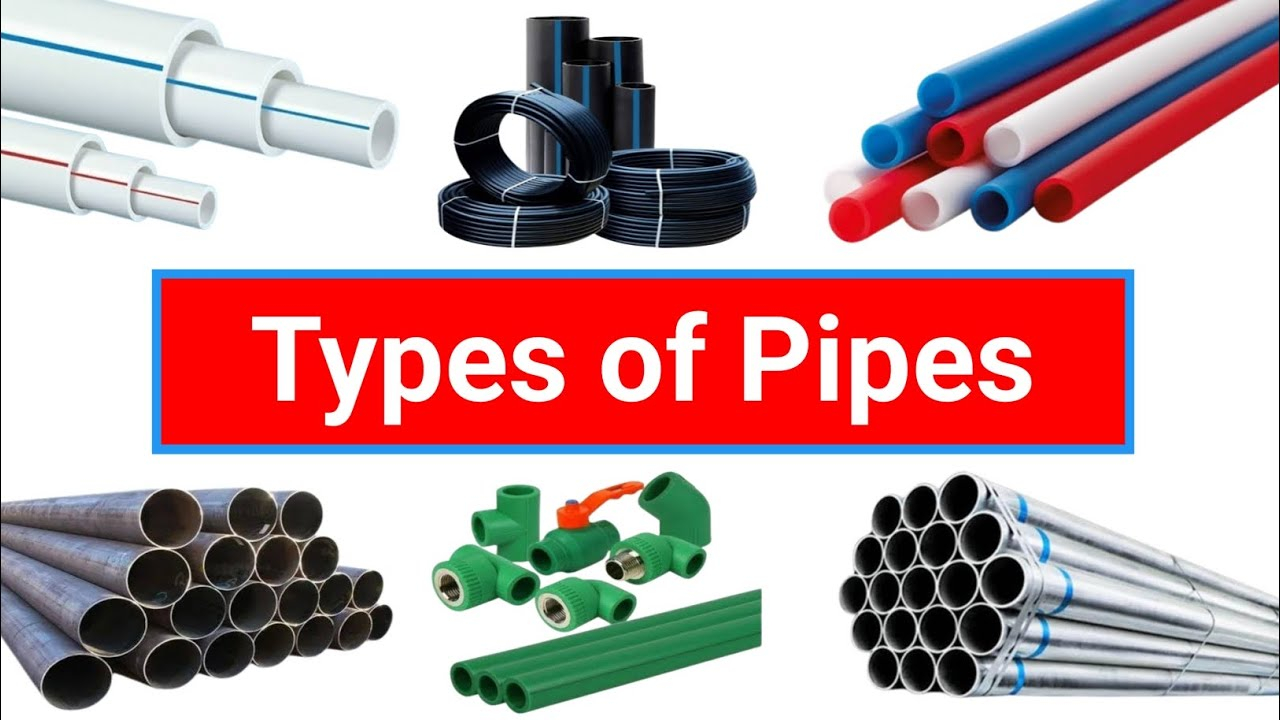
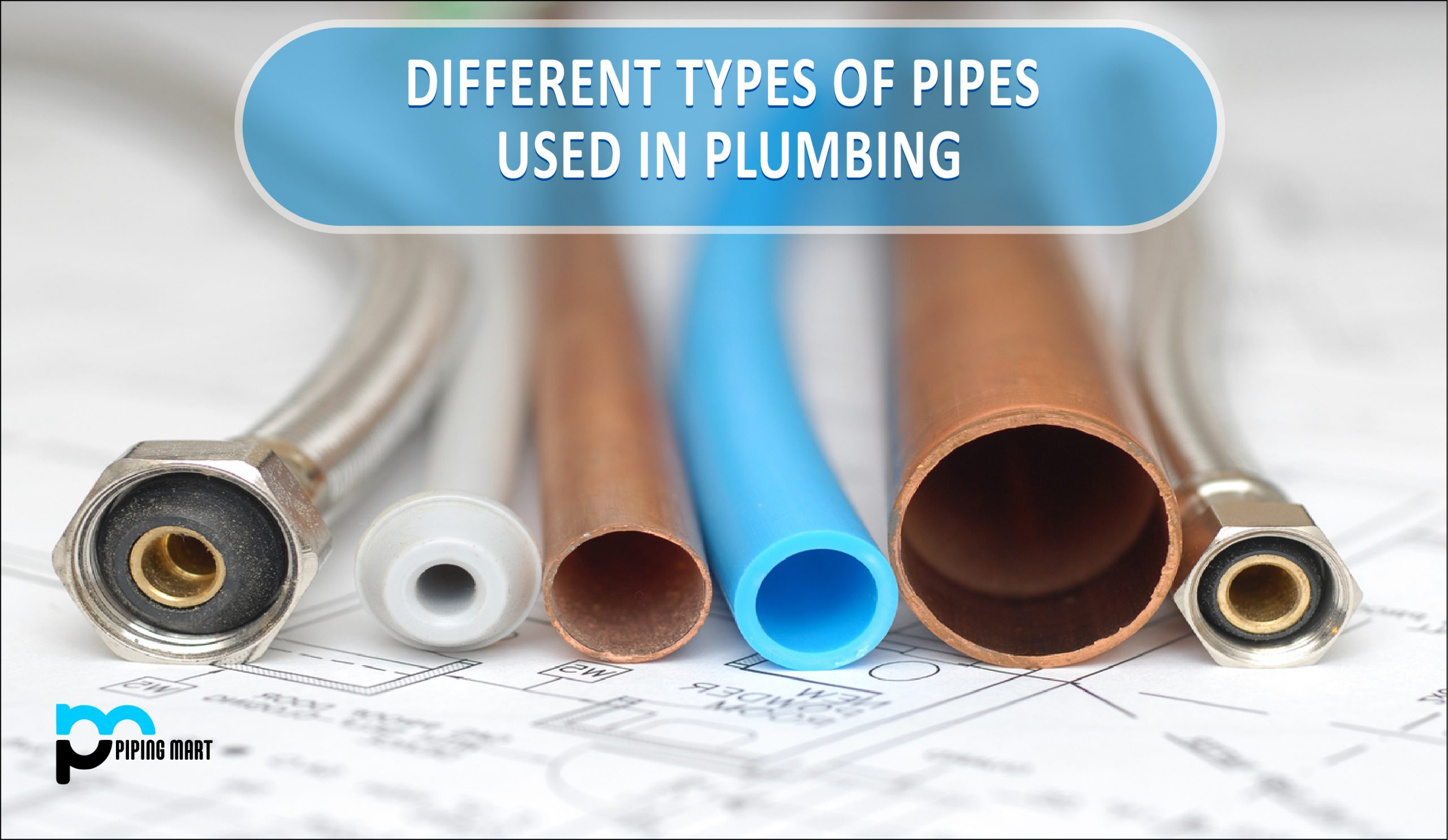
Choosing the right piping material makes all the difference in your booster system's effectiveness. Let's talk about the main contenders:
• PVC (Polyvinyl Chloride): This is often the go-to choice for many installations because it's affordable and easy to work with. However, it's not ideal for high-pressure applications and can become brittle over time.
• PEX (Cross-linked Polyethylene): This flexible tubing has gained popularity for residential use due to its resistance to freezing and ability to handle temperature changes well. It's also easier to install than rigid materials.
• Copper: A tried-and-true classic that offers excellent durability and reliability. Copper pipes resist corrosion and can handle both high and low temperatures effectively.
• CPVC (Chlorinated Polyvinyl Chloride): Similar to PVC but designed for hot water applications, making it suitable for booster systems that may encounter higher temperatures.
Each material has its strengths and weaknesses. For instance, copper provides the longest-lasting solution but requires professional installation. PEX offers flexibility and ease of installation but may not be allowed in all jurisdictions. The key is matching the material to your specific needs, local codes, and expected conditions. Consider factors like water temperature, pressure requirements, and local building regulations when making your decision.
Sizing Matters: Pipe Diameter Considerations
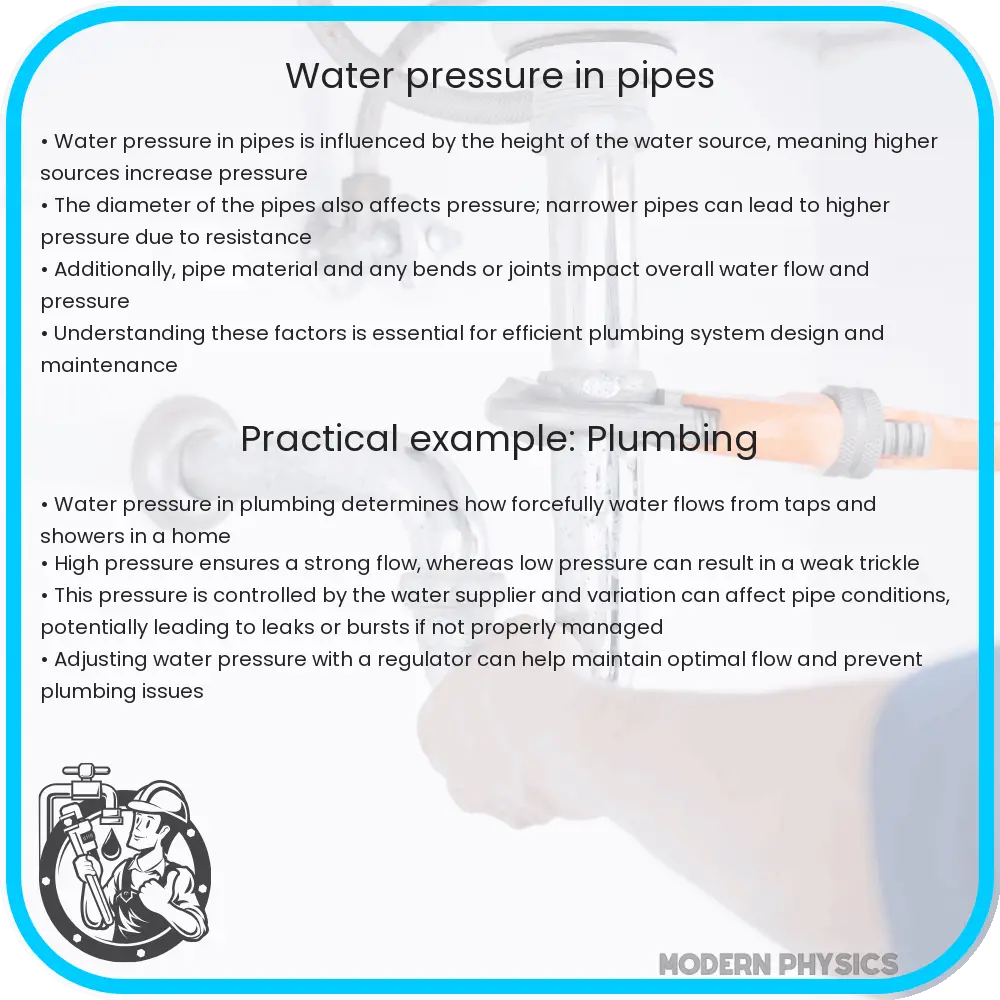
One of the most common mistakes people make is assuming bigger is always better when it comes to pipe sizing. Wrong! The diameter of your piping affects everything from water flow rate to system pressure. Too small and you'll create bottlenecks that reduce efficiency. Too large and you waste money and potentially create problems with water hammer.
Here's how to approach pipe sizing:
• Match the booster capacity: Your piping should complement the output of your pressure booster. If you have a 3-gallon per minute system, don't use 1/4-inch pipe throughout.
• Consider total flow requirements: Calculate how much water your fixtures will need simultaneously. A typical bathroom might require 1.5 gallons per minute, while a kitchen sink could need 2.5 gallons per minute.
• Account for pipe length: Longer runs require larger diameters to prevent pressure loss.
• Factor in future expansion: Plan ahead for additional fixtures or appliances that might be added later.
A good rule of thumb is to size your main supply lines at least one size larger than what's required for individual fixtures to maintain adequate pressure throughout your home. Remember, a well-sized system will provide consistent pressure even when multiple fixtures are running at once.
Installation Best Practices for Longevity
Even the best materials and sizing won't matter if you don't install them correctly. Here are essential installation practices:
• Proper support: All piping must be adequately supported to prevent sagging or stress on connections.
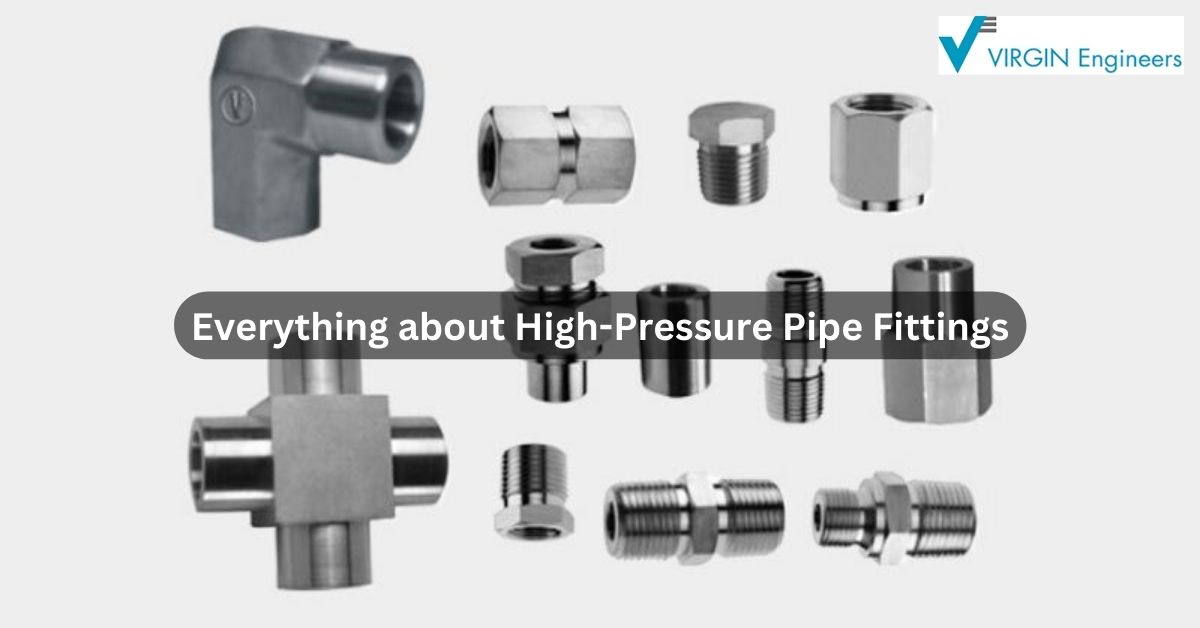
• Correct fittings: Use appropriate fittings for each material type. Mixing incompatible materials can cause leaks.
• Proper sealing: Ensure all connections are sealed properly to prevent leaks. This includes using thread sealants or appropriate joining methods.
• Pressure testing: Always test your completed system before putting it into service to catch any potential issues early.
• Follow local codes: Building codes vary by location and may specify exact requirements for pressure booster installations.
• Professional consultation: When in doubt, consult with a licensed plumber. They can assess your specific situation and recommend the best approach based on your home's unique characteristics. Many people underestimate how much time and expertise goes into proper installation, but it's one of the most important steps for ensuring your system works reliably for years to come.
Common Mistakes to Avoid
Learning from others' experiences can save you from costly errors:
• Ignoring pressure drop calculations: This is a frequent mistake where homeowners assume their existing plumbing will handle increased pressure without considering the impact on flow rates.
• Using incompatible materials: Combining different piping types incorrectly can lead to failures.
• Underestimating system capacity: Many people buy a booster system that's too small for their needs.
• Skipping proper maintenance: Regular checks and cleaning can extend system life significantly.
• Not accounting for local conditions: Climate, water chemistry, and soil conditions all affect piping performance.
• Poor installation techniques: Rushing through installation often leads to leaks and premature failures.
• Neglecting to plan for future needs: What works today might not work tomorrow as your home evolves.
These mistakes aren't just about cost—they're about safety and reliability. A poorly installed system can lead to water damage, mold growth, or even health hazards from contaminated water. Think of your plumbing system as a relationship: it needs attention, care, and the right foundation to thrive.
Maintenance and Monitoring Strategies
Once you've installed your properly sized and correctly piped booster system, ongoing care is essential. Here's what to watch for:
• Regular pressure checks: Monitor your system pressure regularly to ensure it stays within normal ranges.
• Listen for unusual sounds: Water hammer, whistling, or hissing noises can indicate problems.
• Check for leaks: Inspect connections and pipe surfaces periodically for signs of moisture or damage.
• Monitor flow rates: Notice if fixtures aren't performing as they used to.
• Keep records: Document system performance and any maintenance performed.
• Schedule professional inspections: Have a qualified technician check your system annually.
• Replace worn components promptly: Don't wait until something fails to address wear.
Think of maintenance like taking care of a car. Regular tune-ups prevent major breakdowns and keep everything running smoothly. Your water pressure booster system deserves the same level of attention. Early detection of issues can prevent expensive emergency repairs and extend the life of your entire system.
Selecting proper piping for residential water pressure boosters isn't just about following a checklist—it's about understanding how every component interacts to create a reliable, efficient system. From choosing the right materials and sizing your pipes appropriately to following installation best practices and committing to regular maintenance, each step plays a crucial role in your system's success. The investment you make in proper piping today will pay dividends in reduced maintenance costs, improved performance, and peace of mind for years to come. Remember, a pressure booster system is only as strong as its weakest link, and that link is often the piping. Don't let the details slip through the cracks. Take the time to make informed decisions, follow proper procedures, and consider consulting with professionals when needed. Your home's water system—and your daily comfort—will thank you for it. Whether you're tackling a new installation or upgrading an existing setup, keeping these principles in mind will help you avoid common pitfalls and build a system that delivers reliable performance when you need it most.
Related Posts
What happens to dried ink when clothes go through dryer tumbling

How American Standard HVAC Systems Compare to Trane Brands
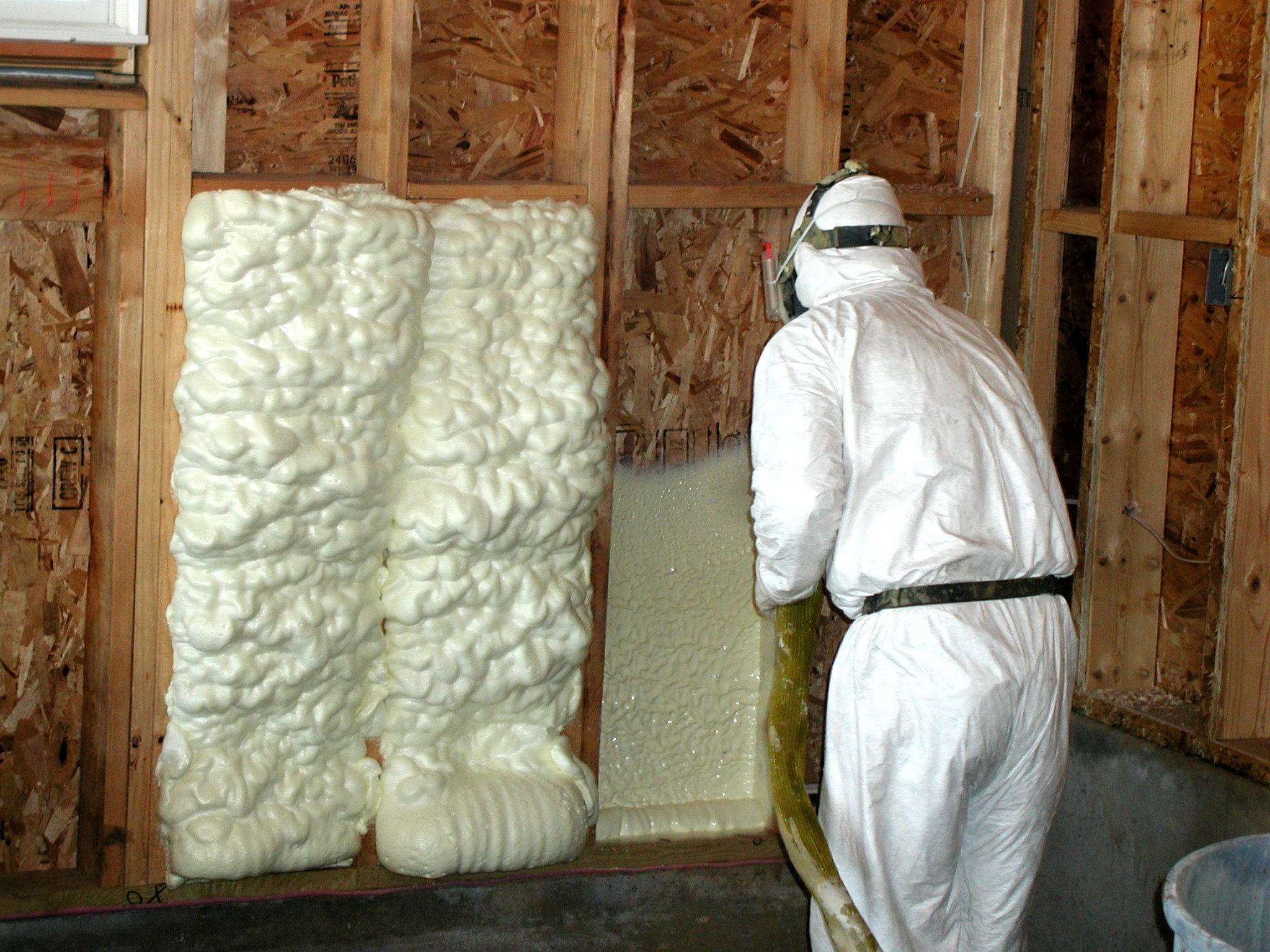
Breaking down spray foam insulation costs by type and coverage area

How to Effectively Eliminate Clover from Your Lawn Naturally

The Surprising Reason Why Ladybugs Choose Your House