Whether you're planning a fresh coat of paint in your living room or tackling a small bathroom, understanding how room size impacts painting expenses is crucial. This guide breaks down everything you need to know about comparing interior painting costs across different spaces.
Let's face it - painting your home can seem like a straightforward DIY project, but when you start looking at actual costs, things get more complicated. The price tag isn't just about paint quality or the number of coats you need. It's heavily influenced by the space you're working with. Imagine you have two rooms that look similar but one is 12 feet by 12 feet while another is 8 feet by 10 feet. Do they really cost the same to paint? The answer might surprise you. Understanding how room dimensions affect pricing helps you plan better and avoid those nasty surprises when the bill arrives.
The Basics of Room-Sized Painting Costs
When you think about painting a room, you probably picture a painter rolling on some paint. But there's more to it than meets the eye. The size of your room directly affects several factors that impact total costs. A larger room means more wall surface area to cover, which naturally increases material needs and labor time. Think about it this way - if you're painting a bedroom that's 12 feet by 15 feet versus a closet that's 6 feet by 6 feet, you're not just painting a different amount of wall space. You're potentially dealing with different ceiling heights, more trim work, and varying levels of complexity. The math isn't always simple because every room has its quirks. Some rooms have awkward angles, others have built-in furniture that requires extra prep work. These elements can add significantly to your overall painting expenses.
Small Rooms: Budget-Friendly Painting
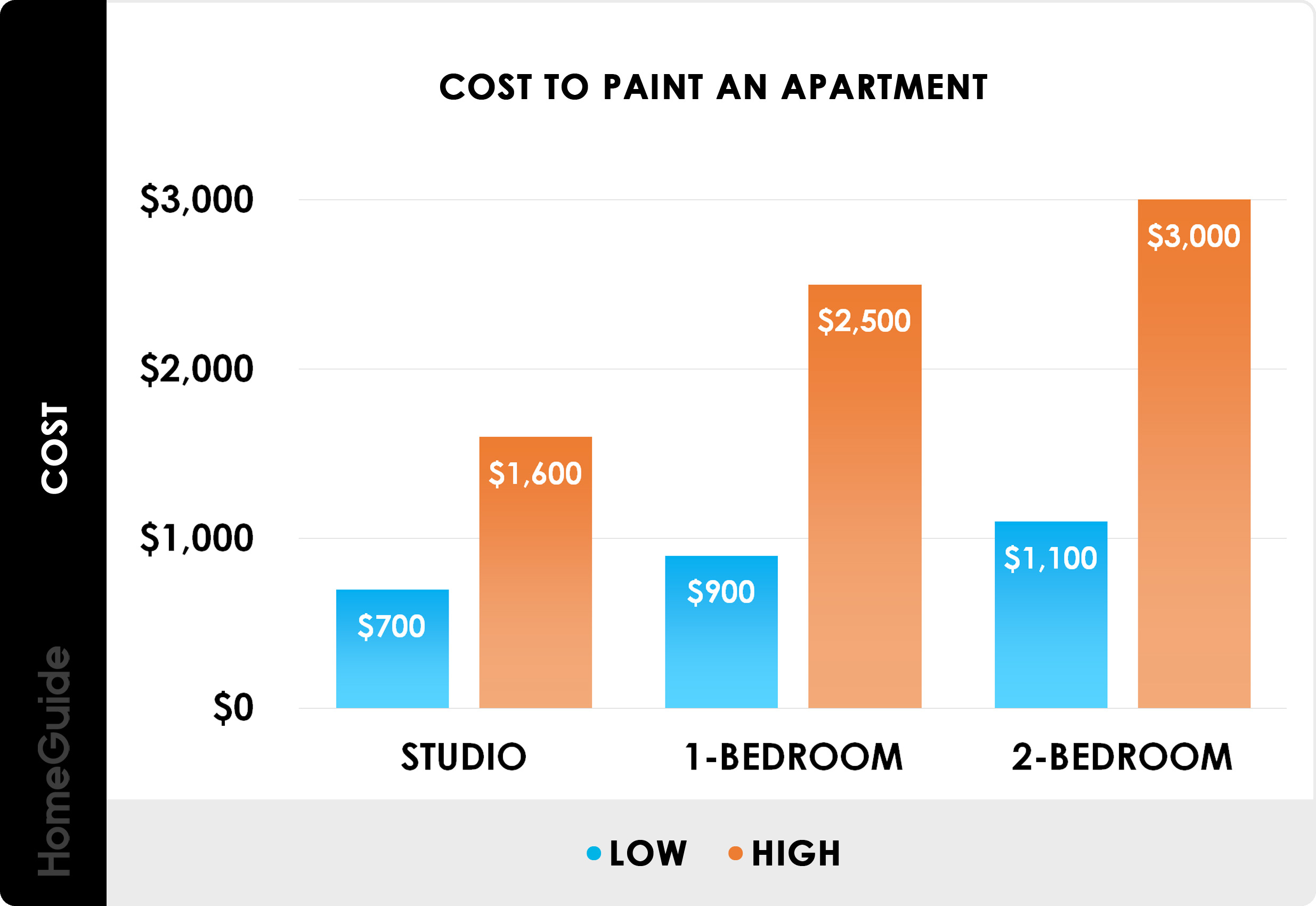
Smaller spaces tend to be more economical to paint. A typical 8x8 foot room usually costs between $200-$400 for a basic paint job. That's a pretty reasonable price tag for most homeowners. Why are smaller rooms cheaper? They require less paint, less time, and often less preparation work. Picture a tiny powder room with only two walls needing attention - you're talking about a quick job that won't break your budget. However, don't assume all small rooms are simple. Sometimes, a small room with high ceilings or intricate moldings can actually cost more than a larger, straightforward space. The key is understanding what makes each room unique. Small rooms often offer great value because they're efficient to paint. They're perfect for first-time painters or those on a tight budget. The savings compound quickly when you're dealing with a few hundred dollars instead of a couple thousand.
Medium Rooms: Finding the Sweet Spot
Medium-sized rooms, typically ranging from 12x12 to 15x15 feet, represent the sweet spot in terms of painting economics. These spaces generally fall in the $400-$800 range for a standard paint job. They're big enough to justify a bit more investment but small enough to remain manageable. Think of a living room that's 12 feet by 15 feet - it's spacious enough to feel comfortable but not so large that it becomes overwhelming to tackle. Medium rooms often provide the best balance between cost and value. They typically have standard ceiling heights and aren't too tricky to work around. The labor time is reasonable, and you can usually get good results without spending a fortune. These rooms are ideal for those wanting to refresh their space without major financial commitment. They're also where many people see the biggest return on their investment in terms of visual improvement.
Large Rooms: The Cost Factor
Large rooms change the game completely. When you're looking at spaces that measure 15x20 feet or bigger, you're entering a different pricing category entirely. Expect to pay anywhere from $800-$2,000 for a complete interior paint job in these areas. The math is simple: more square footage equals more materials and more labor hours. But it's not just about numbers. Large rooms often present additional challenges. Higher ceilings mean more time for scaffolding or ladders. More walls equal more potential for mistakes and touch-ups. These spaces also tend to have more trim work and architectural details that need careful attention. A dining room that's 15 feet by 20 feet will take longer than a bedroom that's 12 feet by 12 feet, even though both might look similar from outside. The increased complexity of large spaces makes them more expensive to paint properly.
Special Considerations That Impact Pricing
Beyond basic room size, several factors can dramatically alter your painting costs. Ceiling height matters enormously. Standard 8-foot ceilings are straightforward, but 9-foot or 10-foot ceilings require more time and sometimes special equipment. High ceilings also mean more surface area to cover, which adds to material costs. Another important factor is the condition of existing walls. If you're painting over old, peeling paint or dealing with water damage, expect to pay extra for prep work. Some rooms have unusual features like built-in shelving or unique architectural elements that require additional attention. For instance, a family room with crown molding will cost more than a simple rectangular space. The presence of windows and doors also affects pricing since they need careful masking and protection. These variables can easily add 10-20% to your final bill, depending on the room's complexity.
What You Can Do to Save Money
There are several ways to keep your painting costs down without sacrificing quality. First, do some prep work yourself. Washing walls, filling holes, and removing old fixtures can save you hundreds of dollars. Second, consider timing your project strategically. Many painters offer seasonal discounts, especially during winter months when demand is lower. Third, compare quotes from multiple contractors. Get at least three estimates to ensure you're getting fair pricing. Fourth, choose your paint wisely. Higher-quality paints may cost more upfront but often require fewer coats, saving you money in the long run. Finally, don't overlook the power of negotiation. Many painters are willing to adjust prices based on your timeline or willingness to work together. Sometimes, a little communication can lead to significant savings.
Understanding how room size affects interior painting costs gives you the power to make smarter decisions about your home improvement projects. Whether you're working with a tiny bathroom or a sprawling living space, knowing what to expect helps you plan better and stay within budget. Remember that painting isn't just about covering walls - it's about creating the right atmosphere for your life. Small rooms offer affordability and simplicity, while larger spaces provide grandeur and impact. The key is matching your room's characteristics with realistic expectations about costs. With this knowledge, you'll be better equipped to navigate your next painting project confidently, whether you're doing it yourself or hiring professionals. The right approach can turn what seems like a simple task into a rewarding experience that enhances your home beautifully.

Related Posts
What happens to dried ink when clothes go through dryer tumbling

How American Standard HVAC Systems Compare to Trane Brands
Breaking down spray foam insulation costs by type and coverage area

How to Effectively Eliminate Clover from Your Lawn Naturally

The Surprising Reason Why Ladybugs Choose Your House