
What if your home could breathe, feel alive, and bring calm to your daily routine? What if the secret wasn't in adding more things, but in removing the unnecessary? Nature has been designing the perfect spaces for millions of years, and its lessons can help us create homes that truly serve us.
Think about your most peaceful moments. Chances are, they happened somewhere surrounded by natural elements. A quiet forest clearing, a gentle stream, or even just a sunny spot on a windowsill. These places remind us that beauty often comes from simplicity. When we apply this principle to our homes, something magical happens. We don't need walls covered in clutter or rooms filled with unnecessary items to feel at peace. Sometimes, less truly is more when it comes to creating a space that feels like a refuge.
The Science Behind Natural Simplicity
Research shows that our brains actually respond better to simple, natural environments. Studies indicate that people experience lower stress levels and improved focus when surrounded by natural elements. This isn't just about looking pretty - it's about how our minds process information. When we see fewer visual distractions, our brains can relax and function more efficiently. Think about walking through a forest versus a busy shopping mall. The forest doesn't bombard your senses with bright colors, loud sounds, or endless choices. It offers a sense of calm that helps us think clearly and feel centered. Our homes can offer the same benefit when we design them with this understanding.
Embracing Natural Materials and Textures
The foundation of nature-inspired minimalism lies in using materials that feel organic and authentic. Wood, stone, linen, cotton, and bamboo all carry the essence of the natural world. These aren't just fancy decorations - they're functional elements that connect us to earth and sky. Consider a wooden dining table that shows natural grain patterns, or a stone accent wall that adds warmth to a room. These materials age gracefully and develop character over time. They don't need constant updating or replacement. Instead, they become part of the story of your home. Natural textures also provide tactile comfort. A soft wool throw, a smooth river rock, or a rough-hewn wooden chair - these details engage our sense of touch and create deeper connections with our space.
Color Palettes That Reflect Nature
Nature's color schemes tend to be earthy, muted, and harmonious. Greens from fresh leaves, browns from soil and bark, soft beiges from sand and stone - these colors work together naturally. They don't compete with each other but rather create a sense of unity and balance. Try incorporating shades of sage, olive, terracotta, and warm gray into your home. These colors don't fade quickly and they don't require frequent updates. They simply exist in harmony with each other. Think about how a garden changes with seasons - it doesn't need dramatic color shifts to remain beautiful. Your home can have the same timeless quality. Avoid harsh contrasts and opt instead for gradual transitions between colors. This creates a feeling of continuity and peace.
Creating Space for Breath and Flow
One of the most important aspects of natural design is the concept of negative space. This isn't empty space - it's intentional breathing room that allows the eye to rest and the mind to wander. When we remove unnecessary items from a room, we're not just clearing clutter - we're creating opportunities for light to move freely, for air to circulate, and for our thoughts to settle. A simple chair in the middle of a room, with plenty of open floor space around it, invites both movement and stillness. It's a space that can adapt to different moods and needs. Consider how a mountain landscape looks vast and peaceful because of the space between peaks. Your home can have that same feeling of spaciousness and calm.
The Role of Plants in Minimalist Design
Plants are perhaps the most powerful tool in bringing nature indoors. They don't just add color or texture - they actively improve air quality and create a sense of life in your space. But here's the key: choose plants that fit your lifestyle. If you're often away from home, select low-maintenance options like snake plants or ZZ plants. If you love tending to your garden, go for more demanding varieties. The point isn't to have many plants, but to have the right ones. A single statement plant, like a tall fiddle leaf fig or a dramatic monstera, can anchor a room beautifully. Plants also bring seasonal changes - new growth in spring, flowering in summer, autumn colors in fall. They keep your space feeling fresh and alive without requiring constant rearrangement.
Practical Tips for Implementing Nature-Inspired Minimalism
Start small. You don't need to redesign your entire home overnight. Begin with one room or even one area of a room. Remove three items that don't serve you, then add one natural element. Maybe it's a small potted plant, a woven basket, or a piece of driftwood. Notice how this change affects your mood and energy levels. Another approach is to focus on one material type. Choose wood for everything in a particular area. Or use only natural fibers for textiles. This creates cohesion and reinforces the connection to nature. Finally, remember that this isn't about perfection. Your home doesn't need to look like a magazine photo. It just needs to feel comfortable and supportive of your well-being. Even small steps toward natural simplicity can make a big difference.
The journey toward a nature-inspired minimalist home isn't about following rules or trends. It's about creating a space that supports your wellbeing and reflects your values. When we embrace the wisdom of natural design, we discover that less truly can be more. Our homes become more than just places where we live - they become sanctuaries where we can recharge, reflect, and grow. The beauty of this approach lies in its simplicity. It asks us to slow down, observe what brings us joy, and let go of what doesn't. In doing so, we create living spaces that feel alive and truly nourishing.


Related Posts
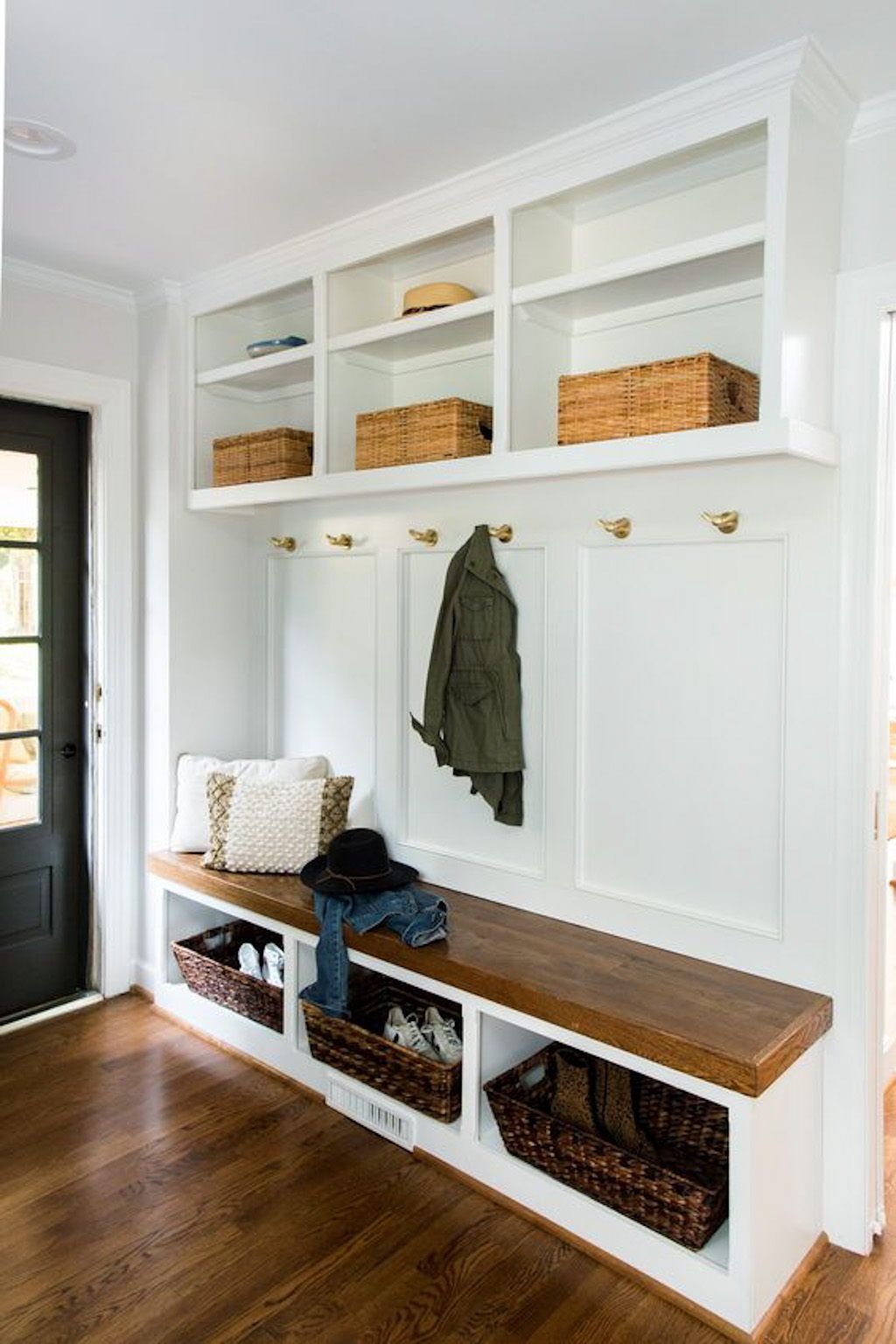
Small Space Solutions for a Mudroom Storage and Bench Without Clutter
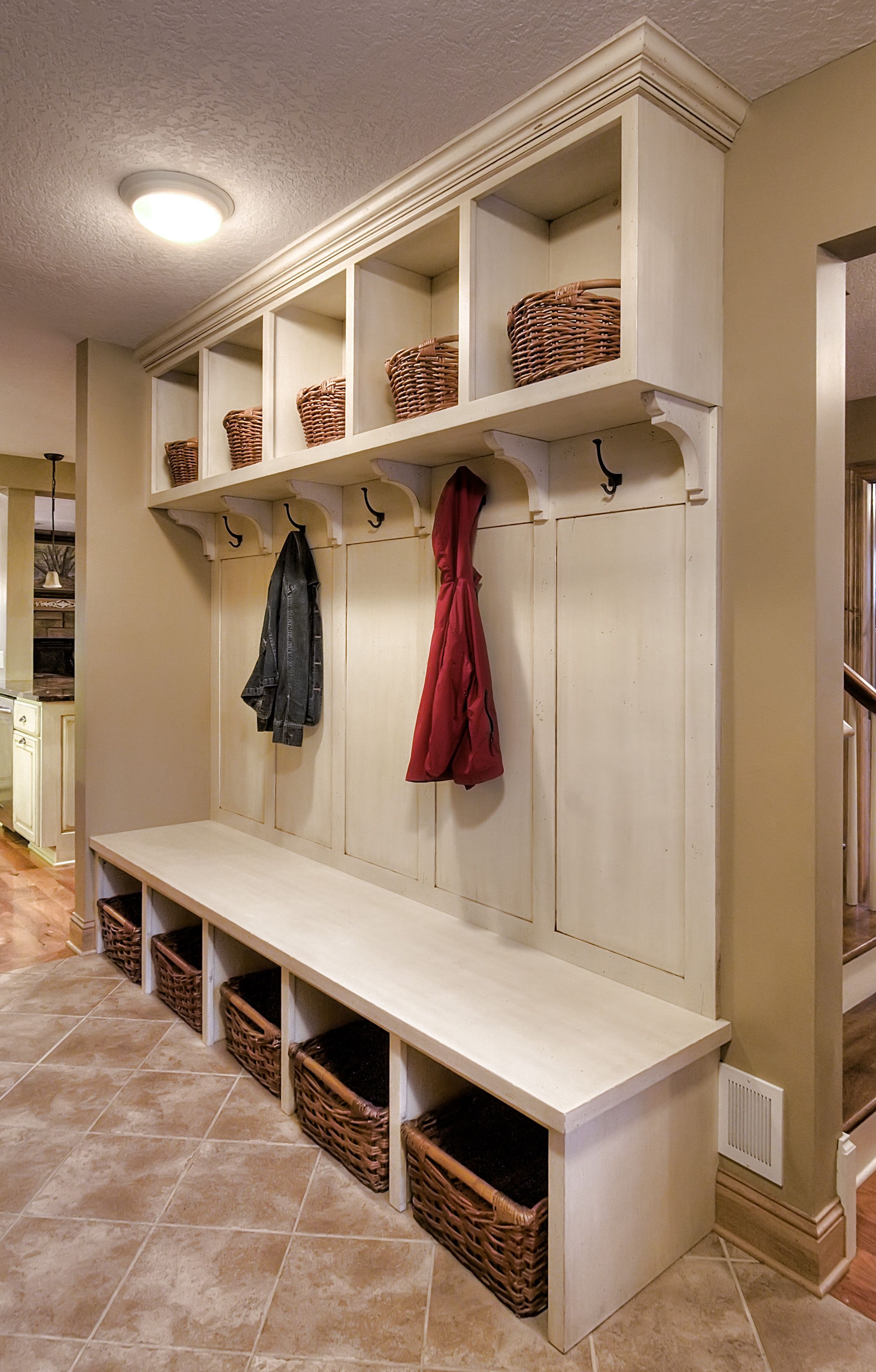
Mudroom Storage Ideas That Keep a Busy Entryway Tidy
Eco-Friendly Solutions for Common Garden Pests
Winter Glow: How Designer-Led Lighting Transforms Cold Spaces into Cozy Retreats

Transform Your Space with These Rug Layering Techniques

