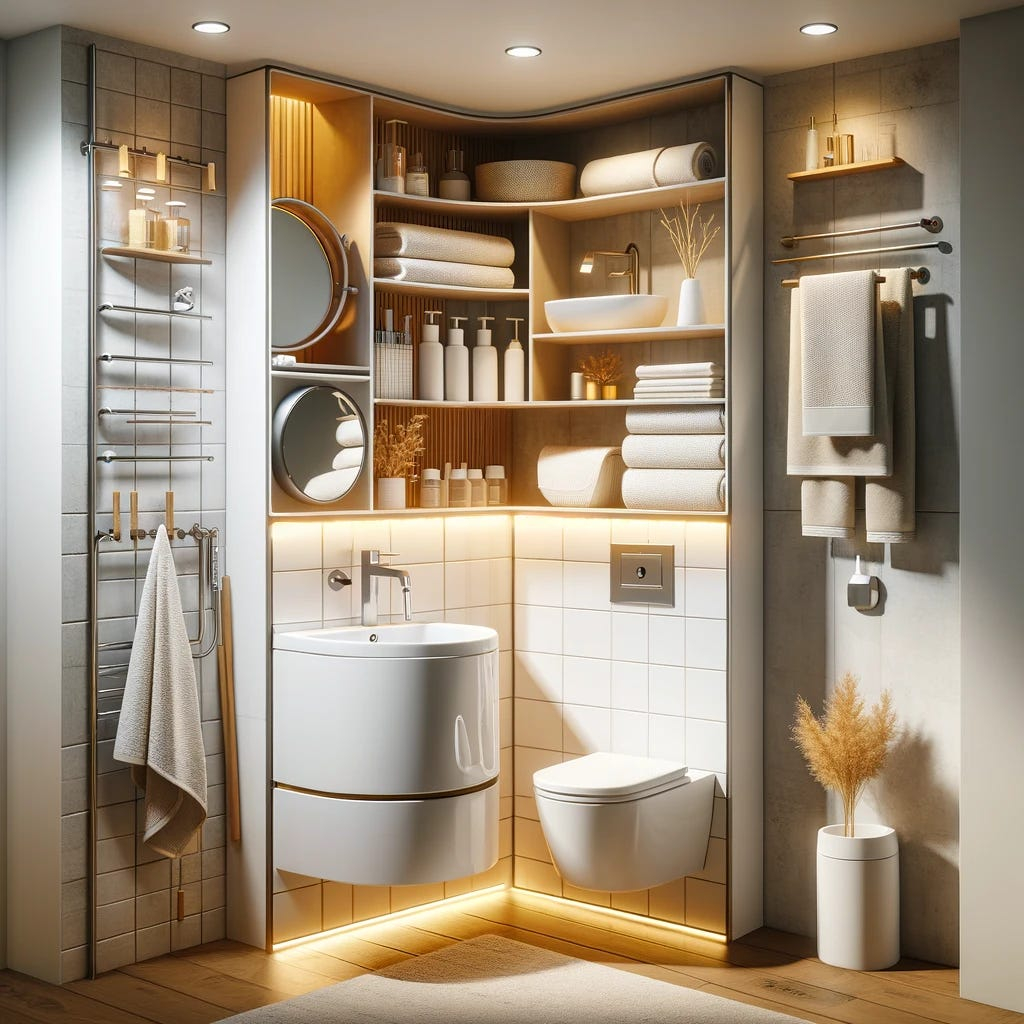
Small bathrooms don't have to mean sacrificing style or function. With clever design choices, even the tiniest spaces can become elegant retreats. Freestanding vanities have emerged as game-changers for homeowners looking to optimize their limited square footage. These versatile pieces offer more than just storage—they're statement makers that can completely change how a space feels and functions.
When it comes to small bathroom design, every inch counts. That's where freestanding vanities shine—offering a fresh approach to space utilization that many homeowners never considered before. Unlike traditional wall-mounted options, these standalone pieces provide flexibility, style, and smart storage solutions that work perfectly in compact environments. The beauty of freestanding vanities lies in their ability to define space while maintaining an open, airy feel. They're not just fixtures anymore; they've become essential design elements that can make or break a bathroom's overall aesthetic. Whether you're working with a powder room that's barely six feet wide or a master bath that's been squeezed into a corner, these vanity designs offer creative solutions that respect both your spatial limitations and your personal style preferences.
The Rise of Minimalist Design in Compact Spaces
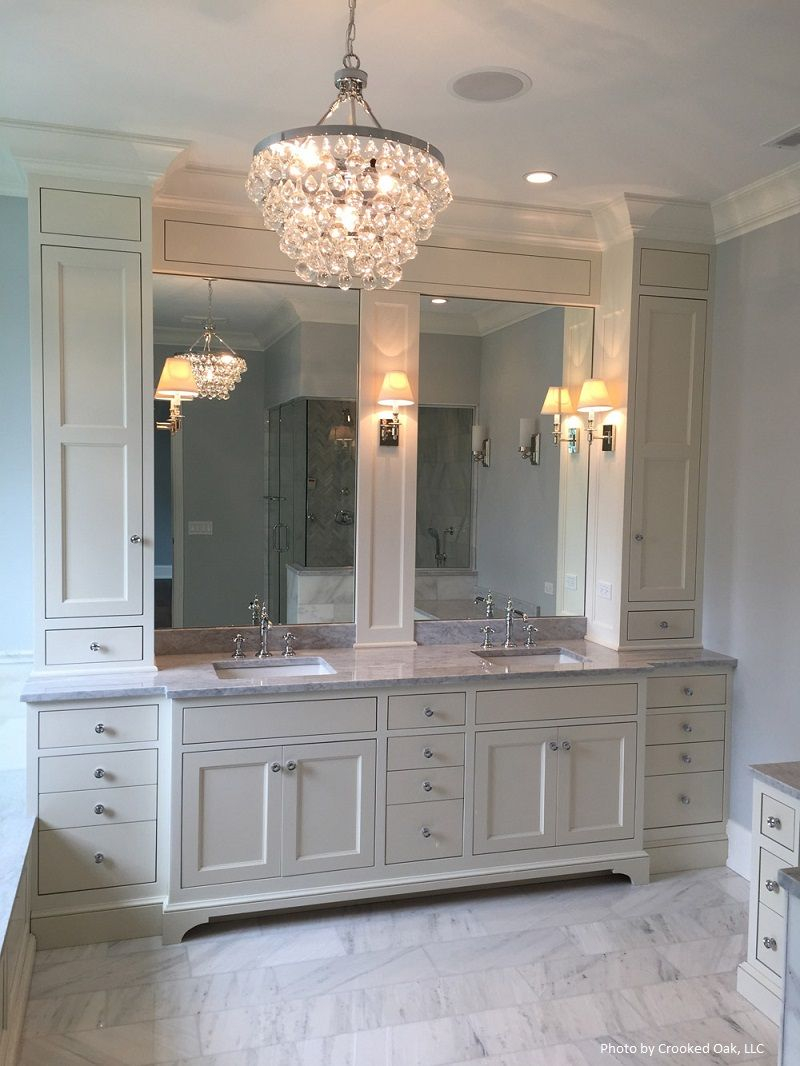
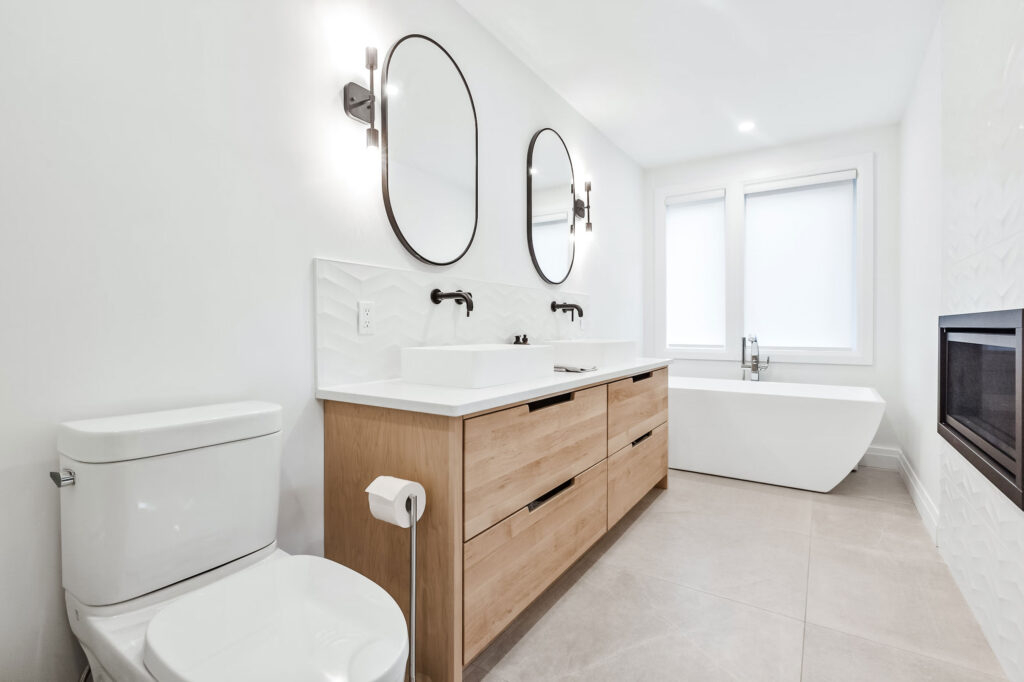
Minimalism has become the gold standard for small bathroom design, and freestanding vanities perfectly embody this philosophy. Clean lines, simple shapes, and uncluttered surfaces create an illusion of spaciousness that's hard to achieve with busier designs. These vanities often feature sleek profiles that don't overwhelm the room, allowing light to bounce around freely and making walls appear farther apart. Think of how a simple white vanity with clean edges can instantly transform a cramped space into something that feels larger and more serene. The key is choosing pieces that serve multiple purposes without adding visual weight. A minimalist vanity might have hidden storage compartments that keep daily essentials out of sight, creating that coveted 'everything has its place' feeling. Many designers now favor vanities with floating tops that seem to hover above the floor, giving the illusion of more height and openness.
Multi-Purpose Storage Solutions
One of the biggest advantages of freestanding vanities in small spaces is their ability to double as storage units while serving as the primary vanity surface. Modern designs incorporate various storage elements that work together seamlessly. For example, some vanities feature drawers that slide out smoothly and reveal organized compartments for towels, toiletries, and cleaning supplies. Others include cabinets with adjustable shelves that can accommodate everything from tall bottles to small travel-sized items. Consider how a vanity with built-in shelving can hold books, plants, or decorative objects while keeping them within easy reach. Some innovative models even include pull-out trays or hidden compartments beneath the sink that maximize vertical space. The secret to successful multi-purpose storage lies in choosing pieces that match your lifestyle and daily routines. If you're someone who loves to display beautiful bottles and jars, look for vanities with open shelving. If you prefer a cleaner look, opt for closed storage solutions that keep everything tucked away.
Lighting Integration and Visual Enhancement
Good lighting makes all the difference in small spaces, and modern freestanding vanities often come with integrated lighting solutions that enhance both functionality and ambiance. LED strips underneath the vanity top or within the cabinet areas can create soft, ambient lighting that reduces shadows and makes the space feel brighter. Some designs feature under-cabinet lighting that illuminates the sink area while adding a touch of sophistication. The strategic placement of lights can also visually expand a small bathroom. Backlit vanities, for instance, create a dramatic effect that draws attention upward and makes ceilings appear higher. When selecting lighting, consider how it will complement your existing fixtures and whether it provides enough illumination for daily tasks like makeup application or grooming. The right lighting setup can turn a dim, cramped corner into a bright, welcoming space that feels much larger than its actual dimensions.
Material Innovation and Durability
Today's freestanding vanities offer incredible variety in materials, each bringing unique benefits to small bathroom environments. Solid surface materials like quartz and granite provide durability while maintaining a sleek appearance that works well in tight spaces. These materials resist stains and scratches, making them ideal for busy households where accidents happen. Wood finishes, especially those with moisture-resistant treatments, bring warmth and character to smaller bathrooms. However, they require proper maintenance to prevent warping or water damage. Glass and metal combinations add a contemporary edge that works particularly well in modern bathrooms. These materials reflect light, helping to create an illusion of more space. The choice of material should align with your lifestyle and maintenance preferences. A high-traffic bathroom might benefit from more durable materials, while a guest bathroom could showcase more delicate finishes. Always consider how different materials will age over time and whether they'll continue to suit your space as it evolves.
Color Psychology and Visual Impact
The colors you choose for your freestanding vanity can dramatically affect how large or small your bathroom feels. Light colors like whites, creams, and soft grays create a sense of openness and airiness that's perfect for small spaces. These shades reflect light naturally, making walls appear farther apart and ceilings higher. Darker tones, when used strategically, can create focal points and add depth to otherwise flat spaces. For instance, a deep navy vanity against light walls can anchor the room and provide visual interest without overwhelming it. Metallic accents in brushed brass, matte black, or chrome can add sophistication while maintaining a streamlined look. The key is balancing bold statements with neutral backgrounds to avoid making a small space feel claustrophobic. Consider how colors interact with your existing bathroom elements like tiles, fixtures, and flooring. Sometimes a single accent color in the vanity can tie together an entire design scheme, creating harmony and cohesion that makes the space feel more intentional and well-thought-out.
Smart Technology Integration
Modern freestanding vanities are incorporating smart technology features that enhance convenience and user experience. Touchless faucets, automatic lighting controls, and even built-in charging stations represent the future of bathroom design. These innovations don't just look cool—they actually solve real problems in small spaces. For example, motion sensors for lighting can eliminate the need for switches in hard-to-reach areas, while touchless faucets reduce the risk of water splashes and make cleanup easier. Some vanities now include digital displays that show temperature, humidity levels, or even weather information. Smart mirrors with built-in lighting and defogging capabilities are becoming increasingly popular, especially in smaller bathrooms where every square inch matters. The challenge is choosing technology that enhances rather than complicates your space. Look for features that integrate seamlessly with your existing setup and don't require extensive installation work. The best smart vanities are those that improve daily routines without adding visual clutter or requiring constant maintenance.
Freestanding bathroom vanities have evolved far beyond simple functional pieces. They're now essential design components that can transform cramped spaces into elegant, functional areas that meet modern living needs. The key to success lies in understanding how to balance form and function, choosing materials and colors that enhance your specific space, and selecting features that support your lifestyle. Whether you're working with a tiny powder room or a compact master bath, these vanity trends offer solutions that respect your space limitations while celebrating your personal style. Remember that the most successful bathroom designs are those that feel comfortable and practical, not just visually appealing. Take time to consider how each element works together to create a cohesive environment that makes you feel good every day. With thoughtful selection and proper planning, your freestanding vanity can become the heart of a bathroom that truly works for you.
Related Posts
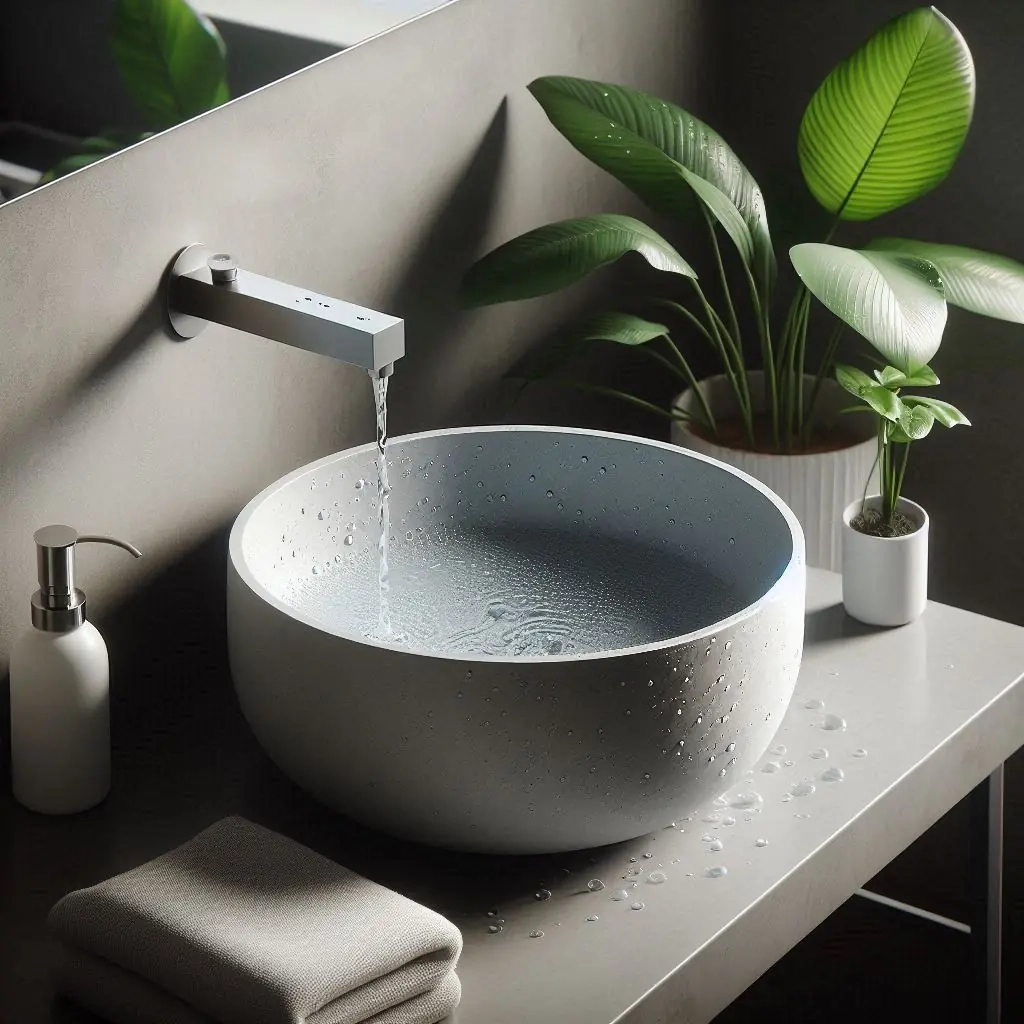
How Ceramic Vessel Sinks Enhance Bathroom Aesthetics and Functionality
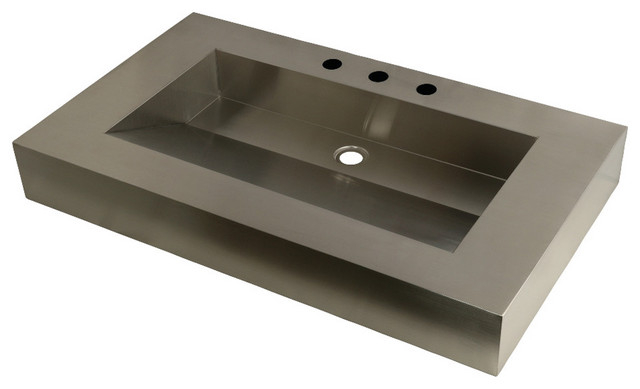
Design and Durability Analysis of the Kingston Brass GLTS37225 Brushed Basin
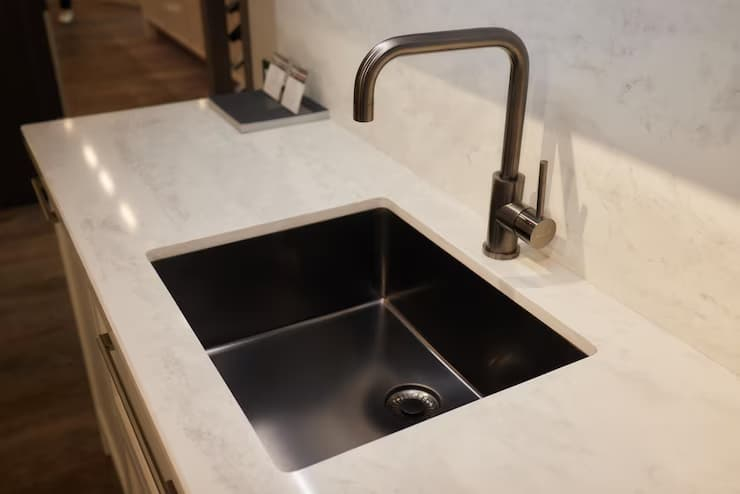
Choosing the Perfect Small Undermount Sink for Your Home Decor
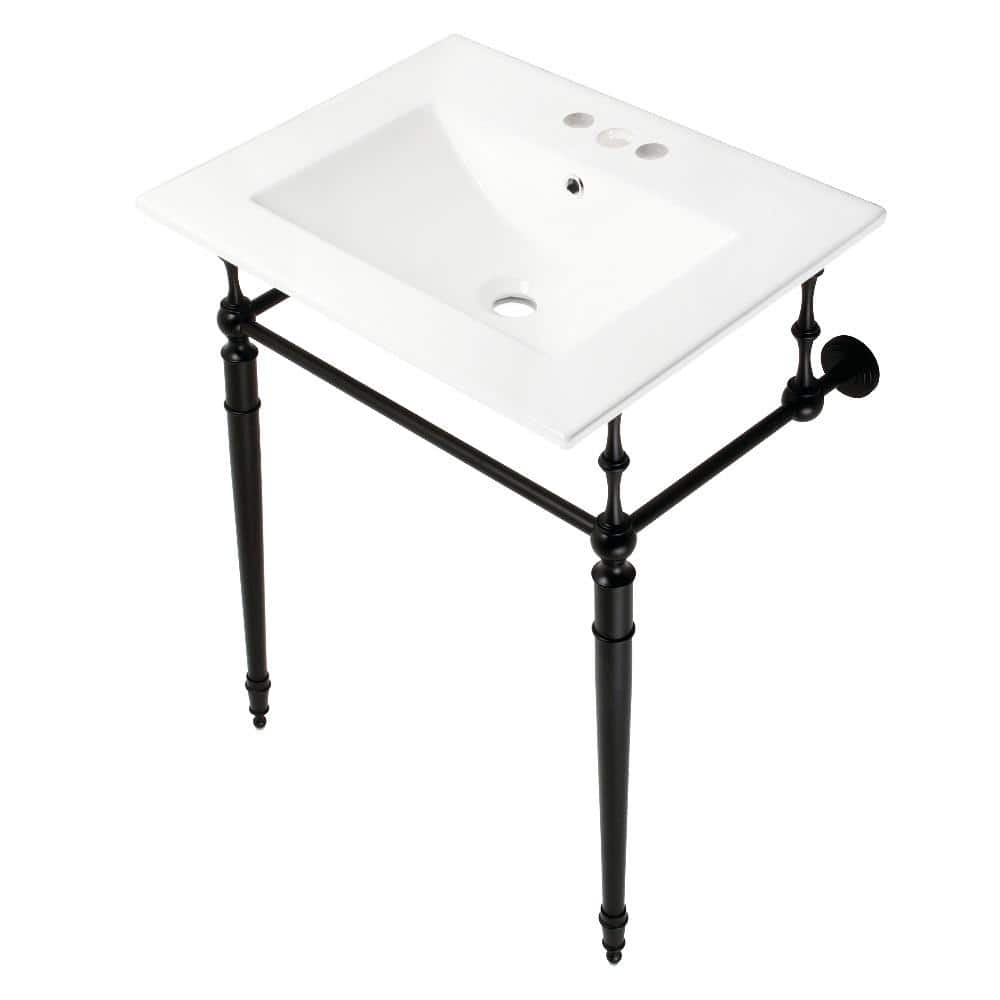
Material Durability and Maintenance of Kingston Brass VPB24187W4 Ceramic Sink
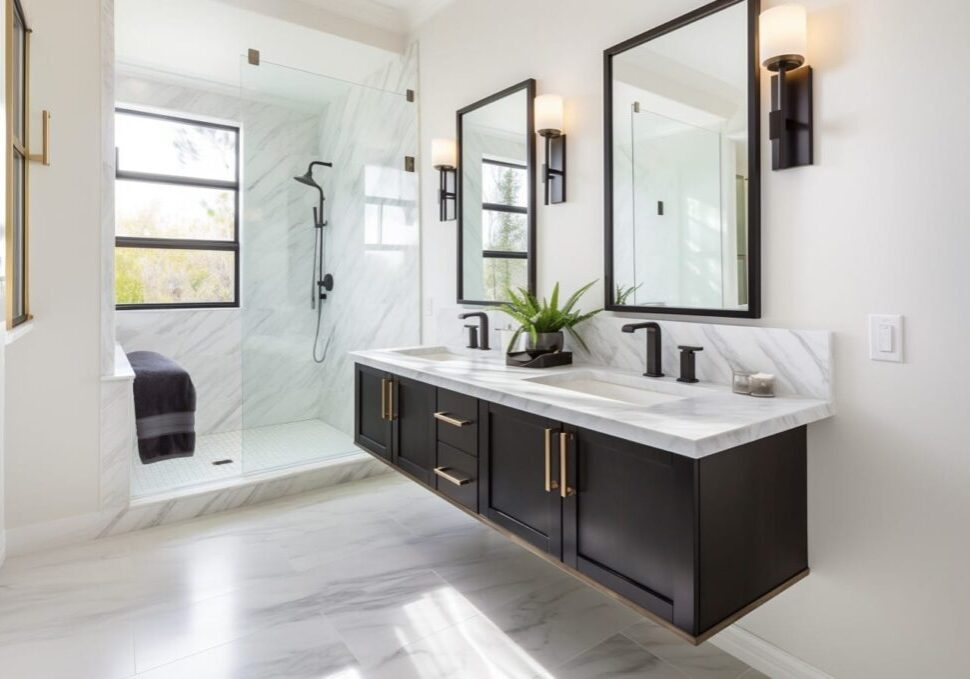
Expert Insights on Choosing the Right Sink for Your Bathroom Renovation