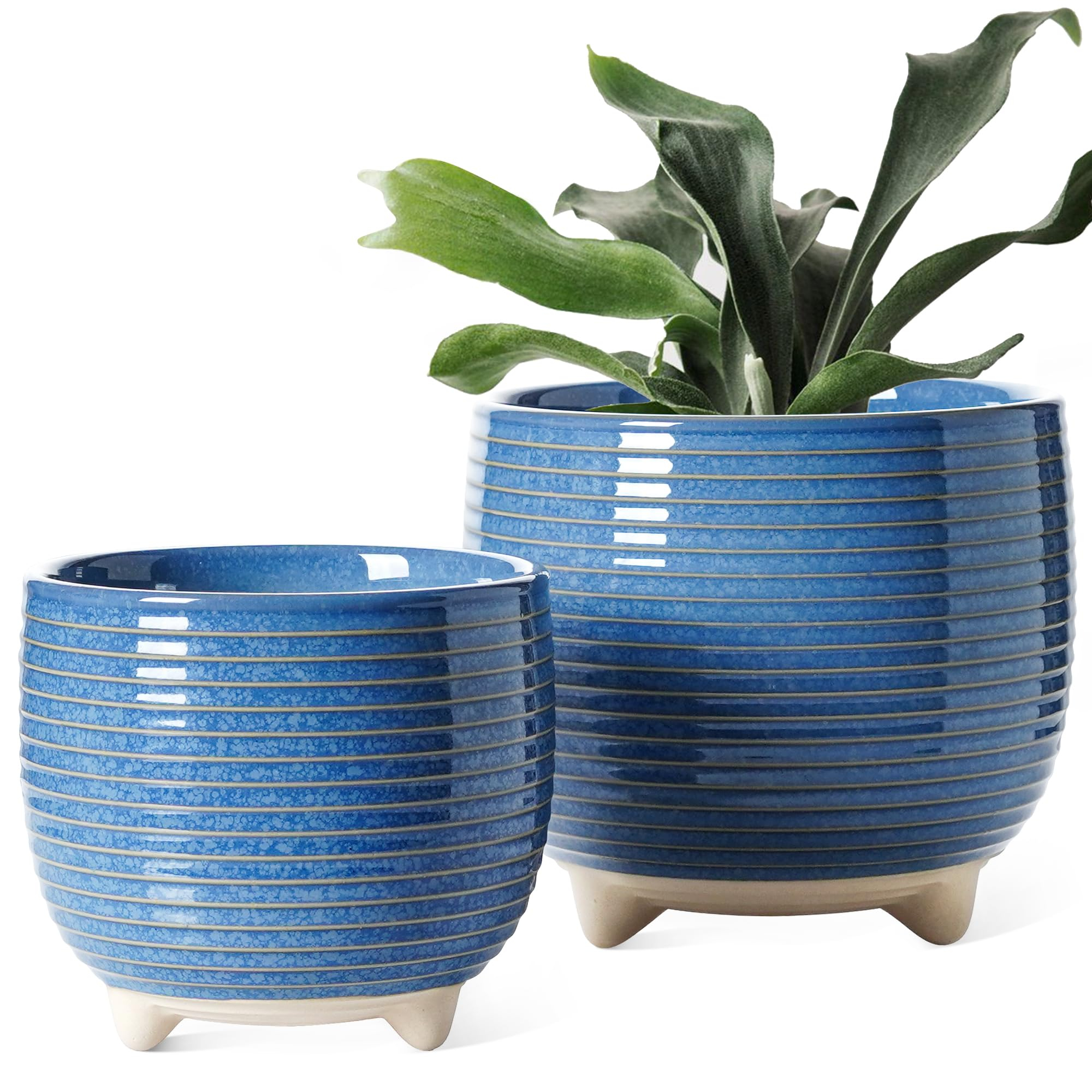
There's something deeply satisfying about watching plants thrive in beautifully crafted ceramic containers. Whether you're sprucing up a patio, creating a small garden oasis, or simply wanting to bring some greenery into your outdoor area, the right planter makes all the difference. But with so many options available, how do you know which ceramic planter is truly right for your space? Let's explore what matters most when selecting these charming outdoor companions.
Ceramic planters have been gracing gardens and patios for centuries, offering both practicality and aesthetic appeal. They're more than just vessels for plants—they're statements of style, markers of care, and reflections of personal taste. The challenge lies in choosing one that works well with your outdoor environment, suits your plants' needs, and complements your overall design vision. This isn't just about picking something pretty. It's about finding a harmonious balance between form and function that will serve you well for years to come. So let's dive into what really matters when shopping for those outdoor ceramic gems.
Understanding Ceramic Materials and Their Outdoor Performance
Not all ceramics are created equal, especially when it comes to handling outdoor conditions. Clay-based ceramics, like terracotta, are popular choices due to their natural look and breathability. However, they require more attention in harsh weather. Stoneware and porcelain offer superior durability and weather resistance. These materials are fired at higher temperatures, making them less prone to cracking or fading under sun and rain. Consider the climate in your area when making your selection. If you live in a region with freezing winters, you'll want to prioritize frost-resistant ceramics. For sunny climates, UV stability becomes crucial. Some manufacturers now offer glazed ceramics specifically designed for outdoor use, providing protection against weathering while maintaining visual appeal. Think about the long-term investment you're making—quality ceramics can last decades with proper care.
Size Matters: Determining the Right Dimensions for Your Plants
Choosing the correct size is one of the most important decisions you'll make. A pot that's too small restricts root growth and causes stress for your plants. Too large, and you risk waterlogging and root rot. Start by measuring your plant's current root system and add about 2 inches for growth. Consider mature plant size as well. A small succulent might need a 6-inch pot, while a full-grown tomato plant requires at least 18 inches in diameter. Height matters too—taller pots provide better drainage and can accommodate deeper-rooted plants. For container gardens, think about the total space needed. A collection of smaller pots can create visual interest and allow for different plant types. Remember that larger pots generally hold more soil and moisture, making them easier to manage in dry conditions. When in doubt, go slightly larger rather than smaller. You can always move plants to smaller containers later if needed.
Drainage: The Often Overlooked Essential Feature
Proper drainage is absolutely vital for healthy plants, and it's often the first thing people forget when buying planters. Without adequate drainage holes, water sits at the bottom of pots and creates soggy conditions that lead to root rot. Most ceramic planters come with drainage holes already drilled, but it's worth double-checking before purchasing. If a planter lacks holes, you can add them yourself, though this requires careful drilling to avoid cracking. Some clever gardeners use saucers underneath pots to catch excess water, which helps prevent soil from becoming oversaturated. The placement of drainage holes also matters—ideally, they should be evenly distributed around the bottom of the pot. For decorative pots without visible drainage, consider adding a layer of gravel or broken pottery pieces at the base to improve water flow. Remember, healthy roots are the foundation of happy plants.
Design Elements That Enhance Your Outdoor Space
The visual impact of your ceramic planters goes beyond just holding plants. They're part of your outdoor design story. Color plays a major role—neutral tones like beige, terracotta, and soft greys blend effortlessly with most landscapes. Bright colors can make a bold statement but may clash with existing decor. Patterns and textures add depth and character. Glazed finishes create smooth surfaces that are easy to clean and maintain. Unfinished or rustic ceramic pieces offer a natural, earthy feel that complements traditional or cottage-style gardens. Consider the style of your home and outdoor area when choosing designs. Modern minimalist spaces might benefit from simple geometric shapes, while more ornate settings could showcase elaborate hand-painted patterns. The shape itself matters too—round pots often feel more welcoming, while square or rectangular ones provide structure. Don't overlook the importance of scale and proportion in relation to your space. A large, dramatic pot might overwhelm a small patio, while a tiny planter could get lost among bigger elements.
Climate Considerations and Weather Resistance
Your local weather conditions should heavily influence your ceramic selection. In areas with frequent freeze-thaw cycles, choose materials that can withstand temperature fluctuations without cracking. Porcelain and stoneware tend to handle these conditions better than terracotta. If you experience intense summer heat, look for ceramics with light-colored finishes that reflect sunlight and prevent overheating of the soil. Darker colors absorb heat and can damage delicate roots. In humid climates, ensure your ceramics have good airflow to prevent mold growth. Some ceramic pieces are specifically engineered for certain environments, such as coastal areas where salt exposure is a concern. These typically feature special coatings or materials that resist corrosion. Check if the manufacturer specifies weather resistance ratings. Many high-quality outdoor ceramics are rated for various climate zones, helping you make informed decisions based on your location. Remember that even the best ceramics need protection during extreme weather events.
Maintenance and Longevity: What to Expect Over Time
Ceramic planters require some upkeep to remain beautiful and functional over time. Regular cleaning prevents buildup of algae, moss, or mineral deposits that can stain surfaces. Most outdoor ceramics can be cleaned with mild soap and water, though some delicate glazes might require gentler treatment. Seasonal maintenance includes checking for cracks or chips that might develop over time, especially in colder climates. Applying protective treatments periodically can extend the life of your planters. Some gardeners apply sealants or waterproof coatings to help preserve color and prevent water absorption. Repairs are often possible for minor damage, though extensive cracks usually mean replacement is necessary. The lifespan of ceramic planters varies significantly based on quality and care. Well-made pieces can last decades, while lower-quality options may show signs of wear within a few seasons. Consider the long-term costs and effort involved in maintaining your choice. Investing in quality early often saves headaches later.
Selecting the perfect ceramic planter for your outdoor space is both an art and a science. It combines practical considerations like drainage and climate resistance with aesthetic preferences and personal style. The right choice creates a foundation for thriving plants while enhancing your outdoor environment. Remember that the process isn't about perfection—it's about finding the right balance for your specific situation. Take time to evaluate your plants' needs, your space's requirements, and your personal taste. Don't rush the decision, and don't be afraid to ask questions when shopping. A little research and thoughtful consideration will pay off in the beauty and health of your outdoor garden for years to come. After all, the best planter is one that makes you smile every time you see it, while keeping your plants happy and thriving.

Related Posts
How Ceramic Vessel Sinks Enhance Bathroom Aesthetics and Functionality
How to Choose the Right Wall Mounted Corner Sink for Your Bathroom Space
Design and Durability Analysis of the Kingston Brass GLTS37225 Brushed Basin
Transforming Your Bathroom with Textured Stone Surfaces
Choosing the Perfect Small Undermount Sink for Your Home Decor