Picture this: you're standing in a laundry room that's barely big enough for a washing machine and dryer. The walls are close, the ceiling feels low, and there's no room to spare. But what if I told you that with smart vertical stacking solutions, you could transform this cramped space into a powerhouse of efficiency? It's not just about fitting more stuff in a smaller area – it's about creating a system that works seamlessly with your daily routine.
In today's world of smaller living spaces, many of us find ourselves wrestling with tiny laundry areas that seem to hold all our clothes and no room for anything else. Whether you're dealing with a studio apartment, a converted garage, or simply a hallway with a washing machine and dryer, the challenge remains the same: how do we get everything done efficiently while keeping the space organized? The answer lies in thinking vertically. Vertical stacking isn't just a trend – it's a necessity for anyone who wants to make the most of their limited laundry space. This approach isn't about cramming everything in; it's about creating systems that work with your life, not against it. From clever storage solutions to smart appliance placement, we'll explore how to turn those tight quarters into a well-oiled laundry machine.
Understanding the Vertical Stacking Concept
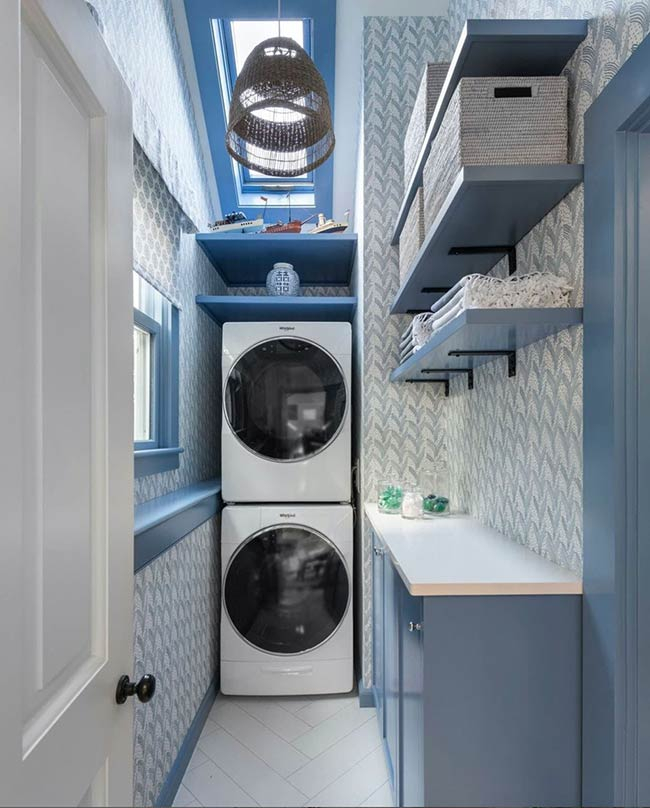
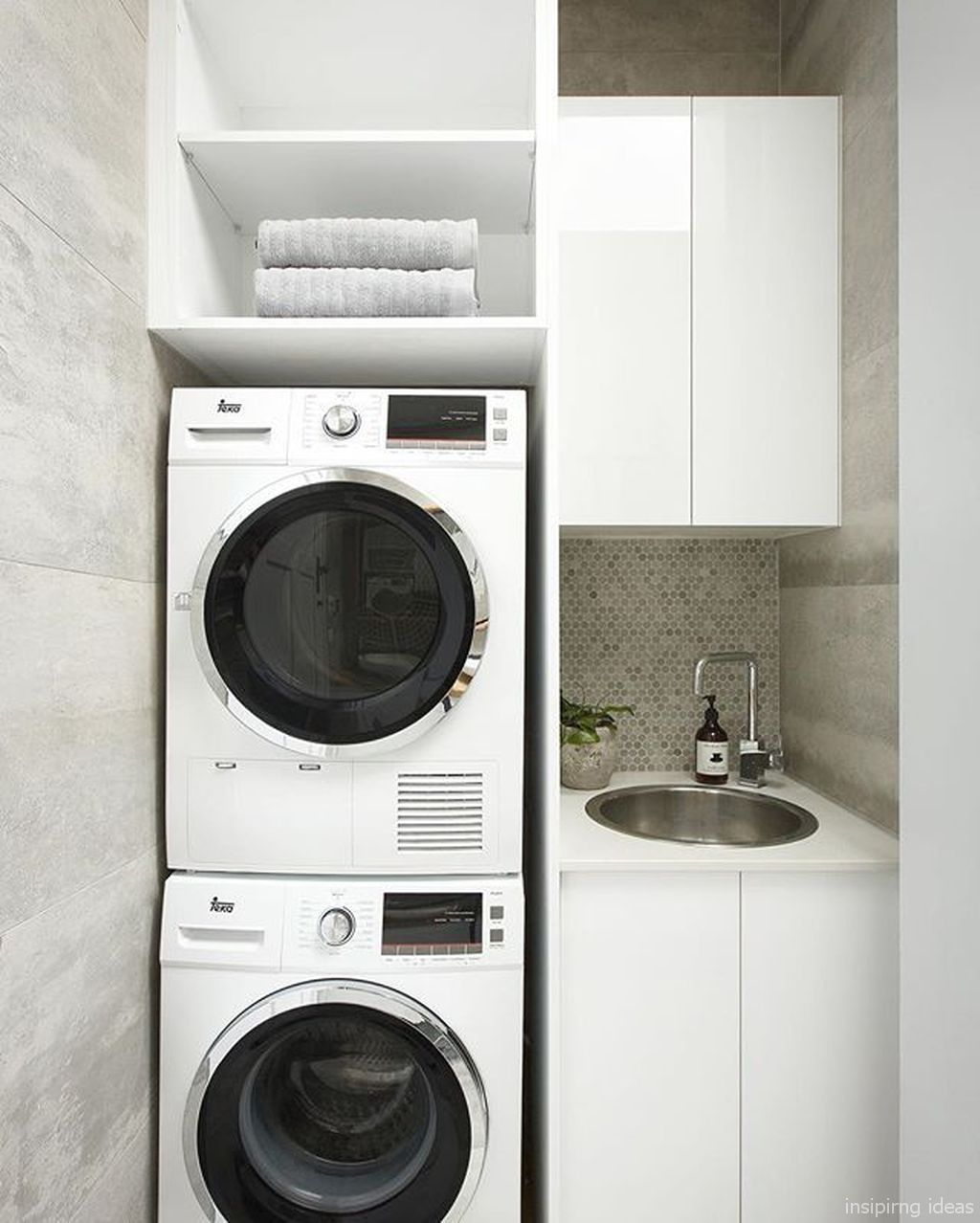
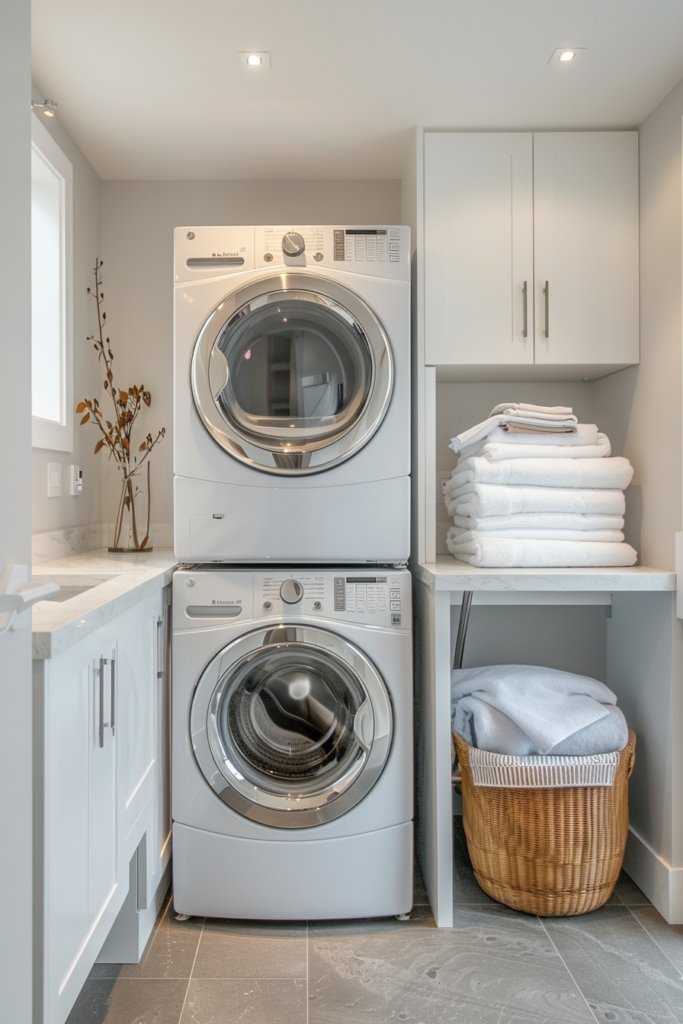
Vertical stacking is more than just putting things on top of each other. It's a strategic approach to organizing your laundry space by maximizing upward space rather than horizontal space. Think about it this way: when you have a narrow, deep laundry room, the traditional approach might involve placing your washer and dryer side by side. But what if you could stack them vertically? That's exactly what vertical stacking does – it transforms your layout from a flat, two-dimensional problem into a three-dimensional solution. The concept works on several levels. First, it saves floor space. Second, it creates better access to items. Third, it allows for more efficient workflow. Imagine having your washing machine on the bottom and dryer stacked above it, with shelves above both appliances for storing detergent, fabric softener, and other supplies. You're not just stacking things – you're creating zones within your space.
Essential Vertical Stacking Components
Creating effective vertical stacking requires understanding what components work best together. Let's break this down into manageable pieces:
• Stackable appliances: Not all machines are created equal. Some washers and dryers are specifically designed to stack, while others require special brackets or mounting systems. When shopping for appliances, look for models that are certified for stacking. These typically come with built-in support structures that make installation much easier.
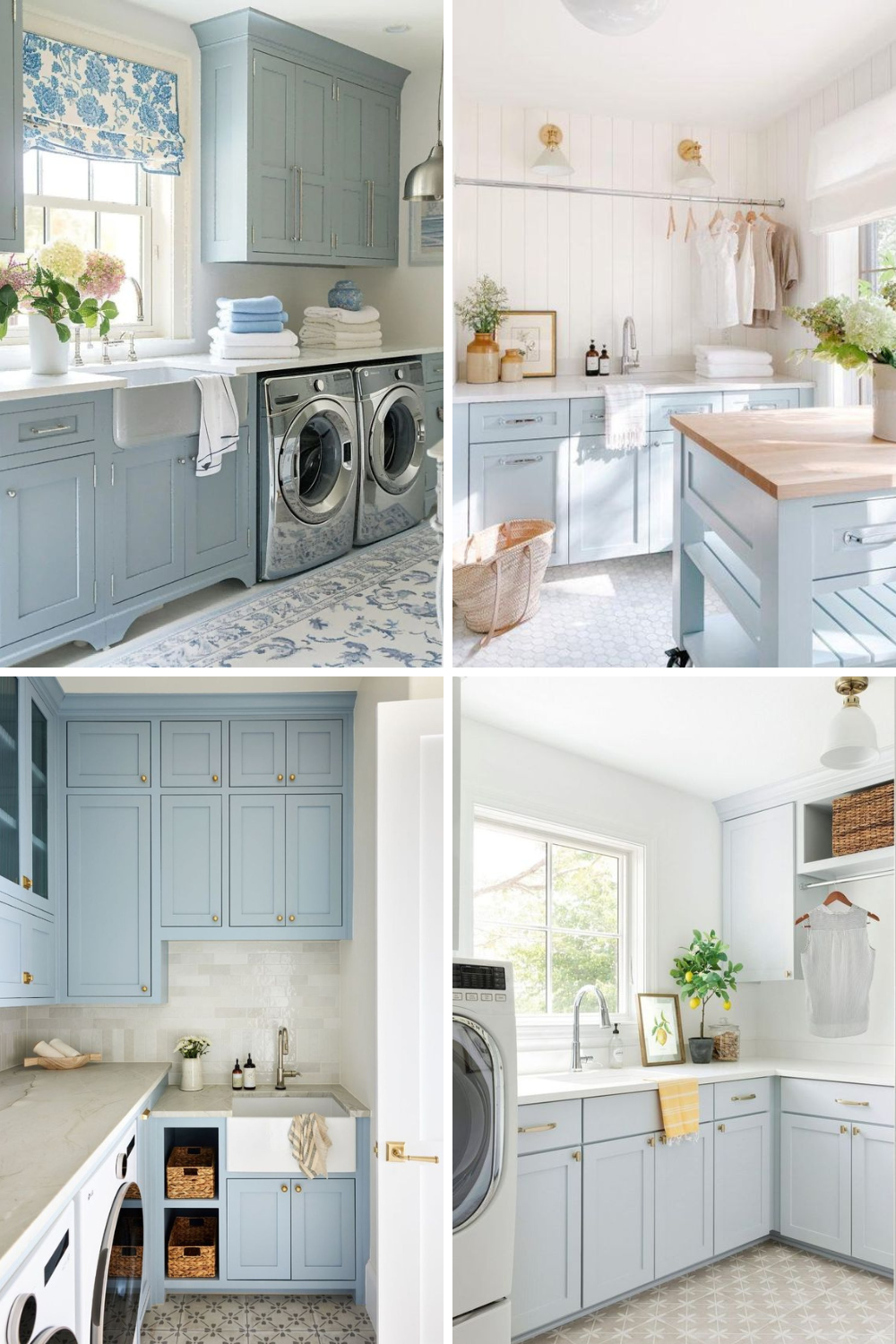
• Storage solutions: Vertical shelving units, baskets, and cubbies are crucial for making the most of your upper space. Consider installing adjustable shelves that can accommodate different sized items. A typical setup might include:
- Top shelf for frequently used items like detergents and fabric softeners
- Middle shelf for less-accessible items like seasonal clothing or extra towels
- Bottom shelf for larger items like cleaning supplies or heavy-duty detergents
• Wall-mounted storage: Beyond the immediate appliance area, consider installing wall hooks, pegboards, or mounted racks for items like hangers, laundry bags, and cleaning tools. These solutions keep your floor space clear and make items easy to reach.
Practical Layout Design Principles
Designing your vertical stacking layout starts with understanding how you actually use your laundry space. Here's what to consider:
The workflow matters. Where do you start? Do you load the washer first, then move to the dryer? Or do you prefer to do everything at once? The answer determines where you place your appliances. If you're someone who likes to load everything at once, consider positioning your washer and dryer in a way that allows you to see both at once. This prevents you from having to open the dryer door to check on clothes while the washer is still running.
Proximity is key. Items you use regularly should be easily accessible. Place frequently used supplies like detergent, fabric softener, and dryer sheets within arm's reach. Less-used items can go higher up or in the back. Think about the path you take when doing laundry – where do you go from one step to the next?
Safety considerations are essential too. When stacking appliances, ensure they're properly secured. Check that the weight distribution is even, and that the base unit can support the additional weight. A wobbly stack is dangerous and defeats the purpose of your investment. Many manufacturers provide specific instructions for proper stacking, and it's worth following them carefully.
Smart Storage Solutions for Maximum Efficiency
Effective storage in a vertical laundry setup requires creativity and practicality. Here are some approaches that really work:
• Multi-functional storage: Look for solutions that serve multiple purposes. For example, a basket that can hold clothes while also serving as a step to reach higher shelves. Or a shelf that doubles as a drying rack for delicate items.
• Modular organization: Use modular storage units that can be reconfigured as your needs change. This flexibility is especially important in small spaces where every inch counts. Consider units with removable dividers that let you adjust the internal configuration.
• Labeling systems: In a vertical setup, it's easy to lose track of what's where. Implement a labeling system that makes finding items quick and simple. Use color-coded labels or simple written notes to identify contents.
• Seasonal rotation: Take advantage of vertical storage to rotate seasonal items. Store off-season clothes in the upper shelves, and bring them down when needed. This keeps your frequently used items accessible while maintaining organization.
Safety and Stability Considerations
When it comes to vertical stacking, safety shouldn't be an afterthought. Here's what you need to know:
First, always check the weight limits of your appliances and storage units. Overloading can cause serious problems, including instability and potential collapse. Many modern appliances have specific weight ratings for stacking, and these numbers aren't just suggestions – they're safety requirements.
Second, proper installation is crucial. Whether you're stacking a washer and dryer or adding shelves, follow manufacturer instructions carefully. Some setups require professional installation, especially if you're working with older appliances that weren't designed for stacking.
Third, consider the stability factors. A tall stack of appliances can be prone to tipping, especially during operation. Make sure all units are properly secured to the wall or floor. Some installations require additional bracing or mounting hardware that may not be included in standard packages.
Finally, think about accessibility. While vertical stacking maximizes space, it shouldn't compromise safety or convenience. Ensure that emergency shut-offs are easily reachable, and that you can safely access all parts of your stacked system.
Real-Life Examples and Success Stories
Let's look at how people have successfully transformed their small laundry areas. One family in a downtown apartment installed a vertical stacking system that includes a stacked washer-dryer combo with a full-height cabinet above. They use the cabinet for storing seasonal clothing, linens, and cleaning supplies. The result? Their laundry area now feels spacious despite being only 6 feet wide. Another example comes from a couple who converted a narrow hallway into a functional laundry zone by installing a vertical stack of appliances with integrated storage cabinets on both sides. They added pull-out drawers for easy access to frequently used items and found that their new system reduced laundry time by nearly 30 percent.
These success stories show that vertical stacking isn't just about fitting more stuff in a smaller space. It's about creating a system that fits your lifestyle perfectly. The key is to start with what you need, plan ahead for how you'll use the space, and choose solutions that work with your habits rather than against them. Sometimes, the best vertical stacking solution isn't the most expensive one – it's the one that solves your actual problems.
Vertical stacking in compact laundry areas represents more than just a design trend – it's a practical solution that transforms small spaces into highly functional zones. By understanding the principles behind vertical stacking, choosing appropriate components, and implementing thoughtful storage solutions, anyone can create a laundry area that maximizes efficiency without sacrificing safety or convenience. The key is to start with your specific needs and work backward from there. What items do you use most often? How do you currently organize your laundry process? Answering these questions will guide your vertical stacking decisions. Remember, the goal isn't to cram everything into a tiny space. It's to create a system that makes your daily laundry routine smoother and more enjoyable. With careful planning and smart choices, even the smallest laundry area can become a model of efficiency and organization. The investment in proper vertical stacking pays dividends not just in space savings, but in the peace of mind that comes from knowing your laundry area works as it should.

Related Posts
 Furniture
 How to Apply Blue Prince Star Treatment to Your Laundry Room
 Furniture
 Designing the Perfect Small Laundry Room Without Sacrificing Functionality
 Furniture
 Building a seamless workflow in your laundry room with proper sink design
 Furniture
 Designing Laundry Storage That Fits Every Household Need
 Furniture
 Common Mistakes Homeowners Make When Selecting a Laundry Room Sink
 Furniture