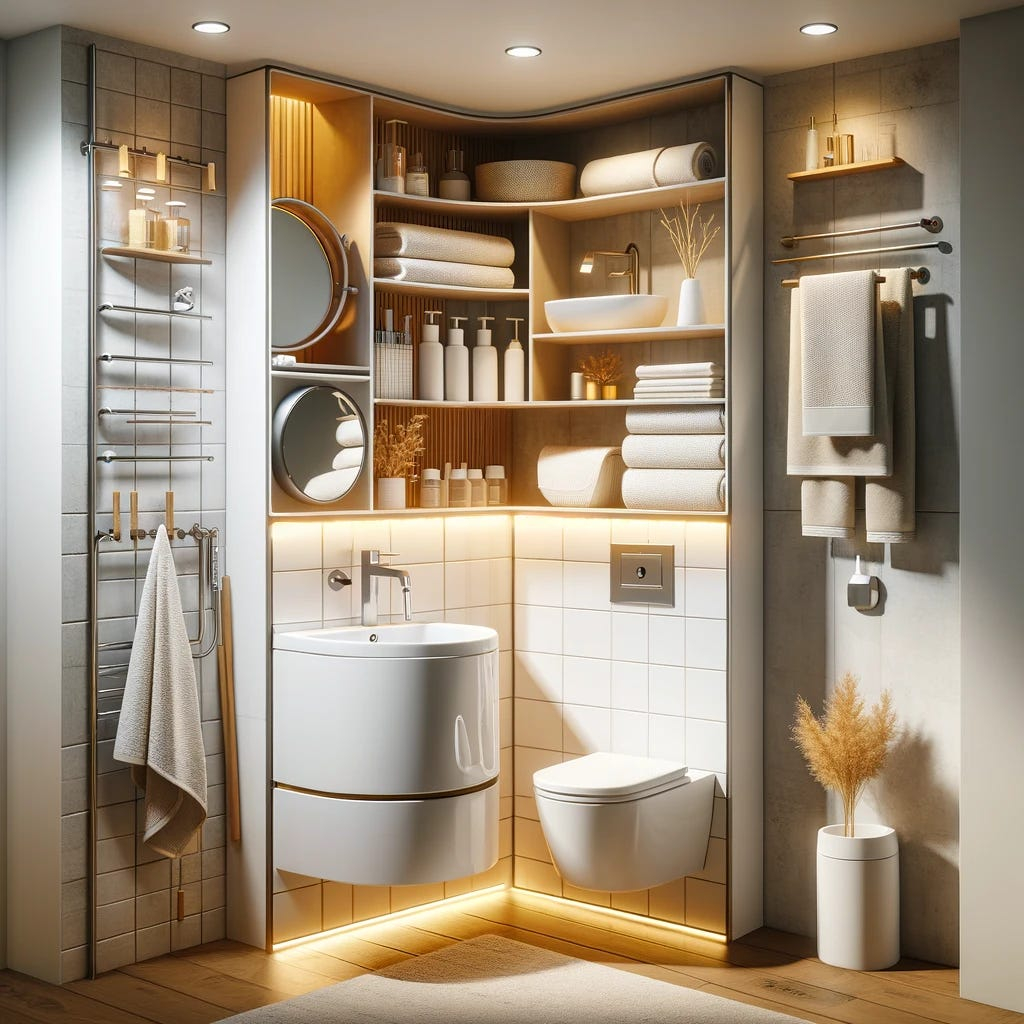
Imagine walking into a bathroom where every fixture seems to whisper secrets of nature's palette. From the deep forest greens that echo ancient woodlands to the soft blush pinks that remind us of morning skies, naturally varied color tones in bathroom fixtures are more than just aesthetics—they're emotional experiences. These hues don't simply decorate a room; they tell stories, evoke feelings, and create connections between the spaces we inhabit and the natural world around us.
Bathrooms have long been considered functional spaces, but what if we could transform them into sanctuaries of color and calm? The answer lies in embracing the rich, naturally varied color tones found in modern bathroom fixtures. These aren't just random shades thrown together—they represent centuries of human appreciation for nature's subtle beauty. Whether you're drawn to the earthy browns that remind you of soil and bark, or the cool blues that mirror distant oceans, each hue carries its own story and purpose. The versatility of these colors extends far beyond simple decoration; they influence mood, affect perception, and ultimately change how we experience our daily routines. Think about it—when was the last time you stepped into a bathroom and felt truly at peace? Often, it's because the colors worked with your senses rather than against them.
Understanding Natural Color Psychology
Colors in our environment don't just catch our eye—they speak directly to our emotions and subconscious minds. When we look at bathroom fixtures with naturally varied tones, we're actually engaging with deeply rooted psychological responses. Green tones, for instance, are associated with growth and renewal, which makes them perfect for spaces where we want to feel refreshed and revitalized. The way a subtle sage fixture catches light can instantly make a small bathroom feel more expansive. Blue hues create a sense of tranquility and calm, making them ideal for relaxation. But it's not just about the obvious associations—natural variations add complexity that keeps our brains engaged. A fixture with multiple undertones might shift from warm amber in one light to cool gray in another, creating a dynamic visual experience that never feels static. This complexity is what makes natural color variations so compelling—they offer depth and surprise. Consider how a single fixture can make your entire bathroom feel like a different room depending on the time of day or season. The psychology behind these choices isn't just academic—it's practical and deeply personal.
The Art of Color Harmony in Bathrooms
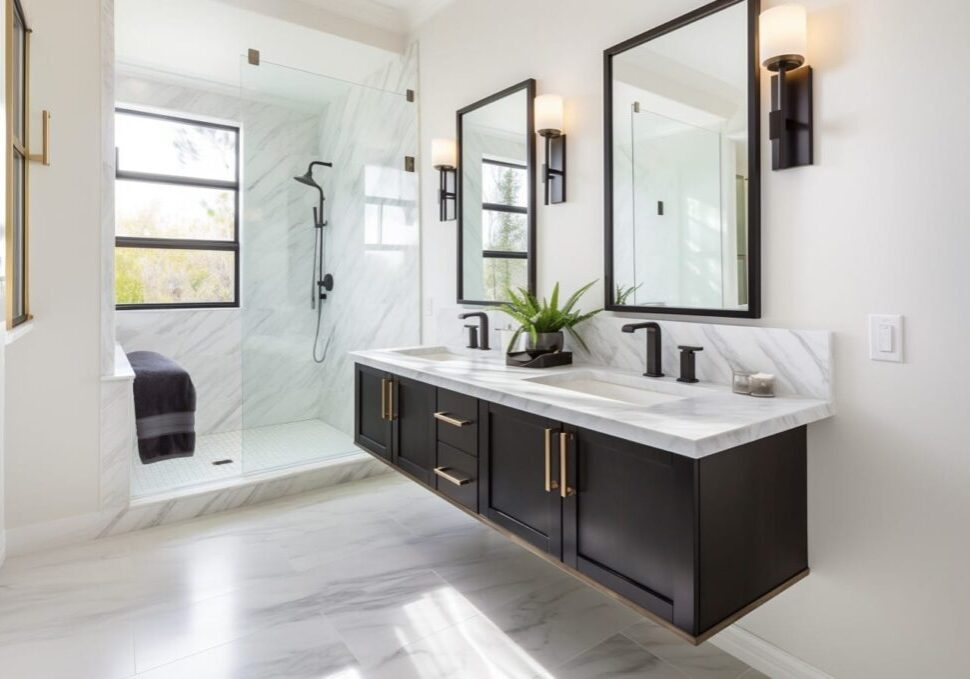
Creating a cohesive look in your bathroom requires understanding how different tones work together. Natural variations make this process both easier and more exciting. When selecting fixtures, think about how they'll interact with existing elements in your space. A bathroom with warm wood tones might benefit from fixtures with golden undertones, while cooler stone elements might call for blues and grays. The key is balance—not every fixture needs to match perfectly, but they should complement each other. One effective approach is to choose a dominant color family and then introduce accent pieces with contrasting but related tones. For example, if you've chosen matte black fixtures, consider adding a single brass or copper element to create visual interest without overwhelming the space. The beauty of natural color variations is that they often contain multiple harmonious tones within themselves. A single fixture might incorporate several different hues that work together seamlessly. This means you can create sophisticated looks even when working with limited budgets or space constraints. The art lies not in matching everything exactly, but in creating relationships between colors that feel intentional and thoughtful.
Practical Applications and Real-World Examples
Let's talk about how these concepts translate into actual bathroom designs. Picture a modern bathroom with white tiles and natural wood vanities. Adding fixtures with warm bronze finishes creates a welcoming atmosphere that feels both contemporary and grounded. The bronze tones provide warmth that balances the coolness of the white surfaces. In contrast, a bathroom with dark wood accents might benefit from fixtures with cool silver or gunmetal tones that echo the existing palette. These examples show how naturally varied colors can enhance rather than compete with existing design elements. Consider a bathroom that uses both ceramic and metal fixtures. The ceramic pieces might feature soft beige tones that blend with the walls, while the metal elements bring in deeper, more dramatic colors. The result is a layered look that feels rich and intentional. Some homeowners find success with fixtures that intentionally clash with their surroundings—like choosing a bright coral faucet in a neutral-toned bathroom. This unexpected pop can become the focal point that makes the entire space memorable. The key is understanding that natural variations often provide enough flexibility to accommodate various design philosophies, whether traditional, modern, or eclectic.
Material Matters: How Different Materials Affect Color Perception
Not all materials react to color the same way, and understanding these differences is crucial for achieving desired effects. Porcelain fixtures tend to reflect light differently than metal or stone pieces, which affects how colors appear. A blue porcelain sink might look completely different under natural versus artificial lighting conditions. The texture of materials also plays a role—smooth surfaces tend to show color more clearly, while textured finishes can mute or alter hues in interesting ways. Consider a brushed nickel fixture versus a polished chrome one. Both might appear similar at first glance, but the brushed finish adds subtle variations that make the color seem more complex and nuanced. Stone materials like marble or granite naturally contain variations in their coloration, which means they can either complement or challenge the uniformity of fixture colors. These interactions create unique opportunities for designers and homeowners alike. The interplay between material textures and color variations allows for endless creative possibilities. A bathroom with natural stone countertops might benefit from fixtures that incorporate similar mineral tones, creating a unified, organic feel. However, contrasting materials can also be powerful—using a smooth, glossy fixture against rough, textured surfaces creates visual tension that can be very appealing.
Seasonal and Lifestyle Considerations
Natural color tones in bathroom fixtures don't just stay static—they evolve with our changing seasons and lifestyles. During winter months, warmer tones like deep reds, oranges, and browns can make spaces feel cozier and more inviting. These hues work particularly well in bathrooms that receive less natural light during darker months. Conversely, spring and summer might call for cooler tones like blues, greens, and soft pastels that create a refreshing, airy feeling. The versatility comes from choosing fixtures that can adapt to these shifts without requiring complete renovations. Some people prefer to change their bathroom fixtures seasonally, using different colored pieces to reflect the changing mood of the year. Others find that certain natural color variations work well year-round, offering consistent comfort regardless of the weather outside. Lifestyle factors also influence color choices. Families with children might gravitate toward more neutral or muted tones that hide water spots and wear better over time. People who entertain frequently might prefer vibrant, eye-catching colors that make their bathrooms feel special and memorable. The important thing is recognizing that color preferences are personal and can change over time. What matters most is choosing colors that make you feel good every time you step into your bathroom.
Maintenance and Longevity Factors
When selecting bathroom fixtures with natural color variations, it's essential to consider how these colors will hold up over time. Some tones age beautifully, developing rich patinas that add character, while others might fade or change unexpectedly. Brass and bronze fixtures, for example, develop beautiful oxidation patterns that many people find attractive, but they require regular maintenance to keep them looking their best. Stainless steel and chrome finishes tend to maintain their appearance longer but may show water spots more easily. The key is understanding the maintenance requirements of different color and material combinations. Some natural variations are more forgiving than others—certain earth tones might hide scratches and minor damage better than bright, saturated colors. Consider how often you'll need to clean and maintain your fixtures. Darker colors generally show less water marks and soap scum, making them practical choices for busy households. Lighter tones might be more prone to showing wear but can create a fresh, clean look when properly maintained. Many homeowners find that investing in higher-quality fixtures pays off in the long run, as they're less likely to need replacement or extensive restoration work. The durability of natural color variations varies significantly based on materials used and environmental factors like humidity and temperature changes.
The world of naturally varied color tones in bathroom fixtures opens up possibilities that go far beyond simple decoration. These hues don't just fill a space—they infuse it with personality, emotion, and character. From the calming effect of blues to the energizing presence of warm browns, each shade tells a story and creates a unique atmosphere. The true magic happens when we understand that these colors work not just on our eyes, but on our entire sensory experience. Choosing the right combination of natural tones can transform a mundane bathroom into a place of comfort and inspiration. It's not about following rigid rules or trendy color schemes—it's about finding what resonates with you personally. Whether you're designing a new bathroom or updating an existing one, remember that natural color variations offer flexibility, longevity, and endless creative potential. The key is to experiment thoughtfully, consider how colors will change over time, and choose pieces that will continue to delight you for years to come. After all, your bathroom should be a reflection of your unique taste and lifestyle, not just another functional space in your home.
Related Posts
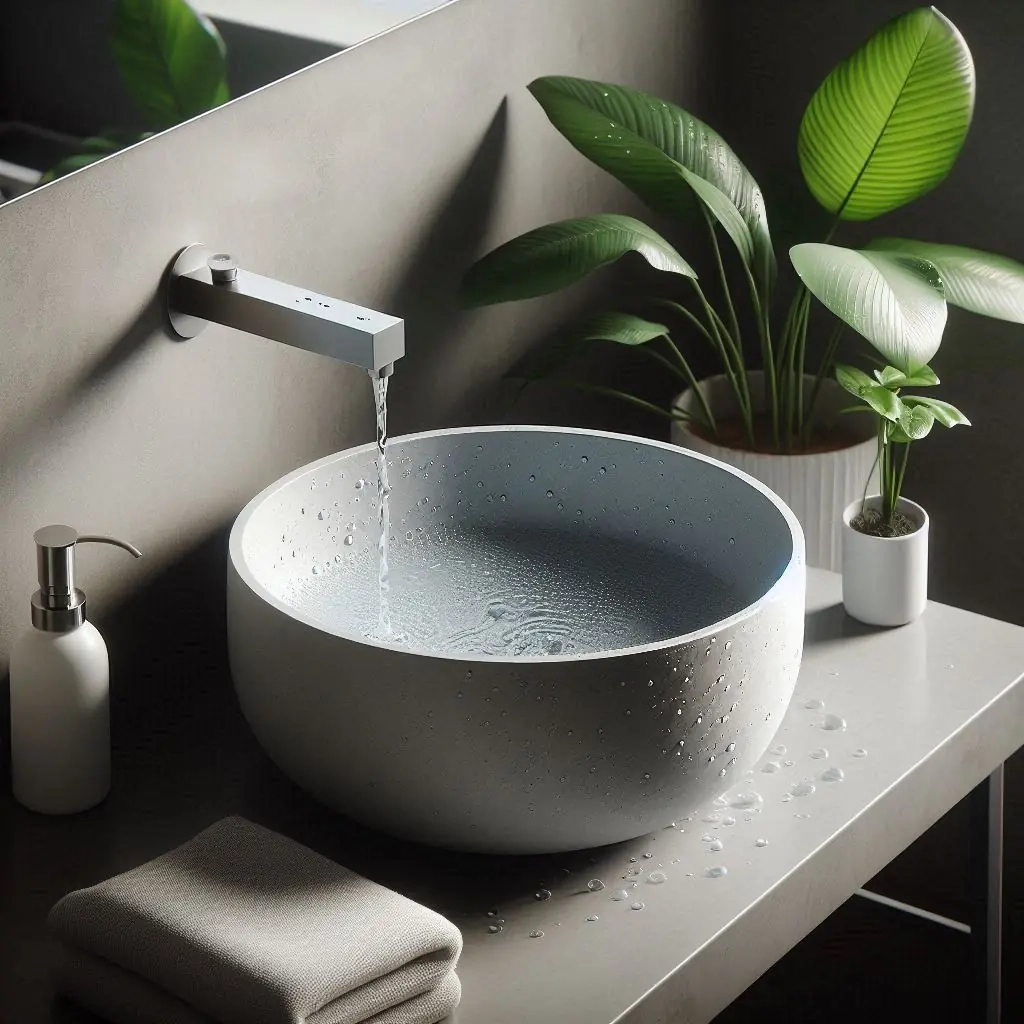
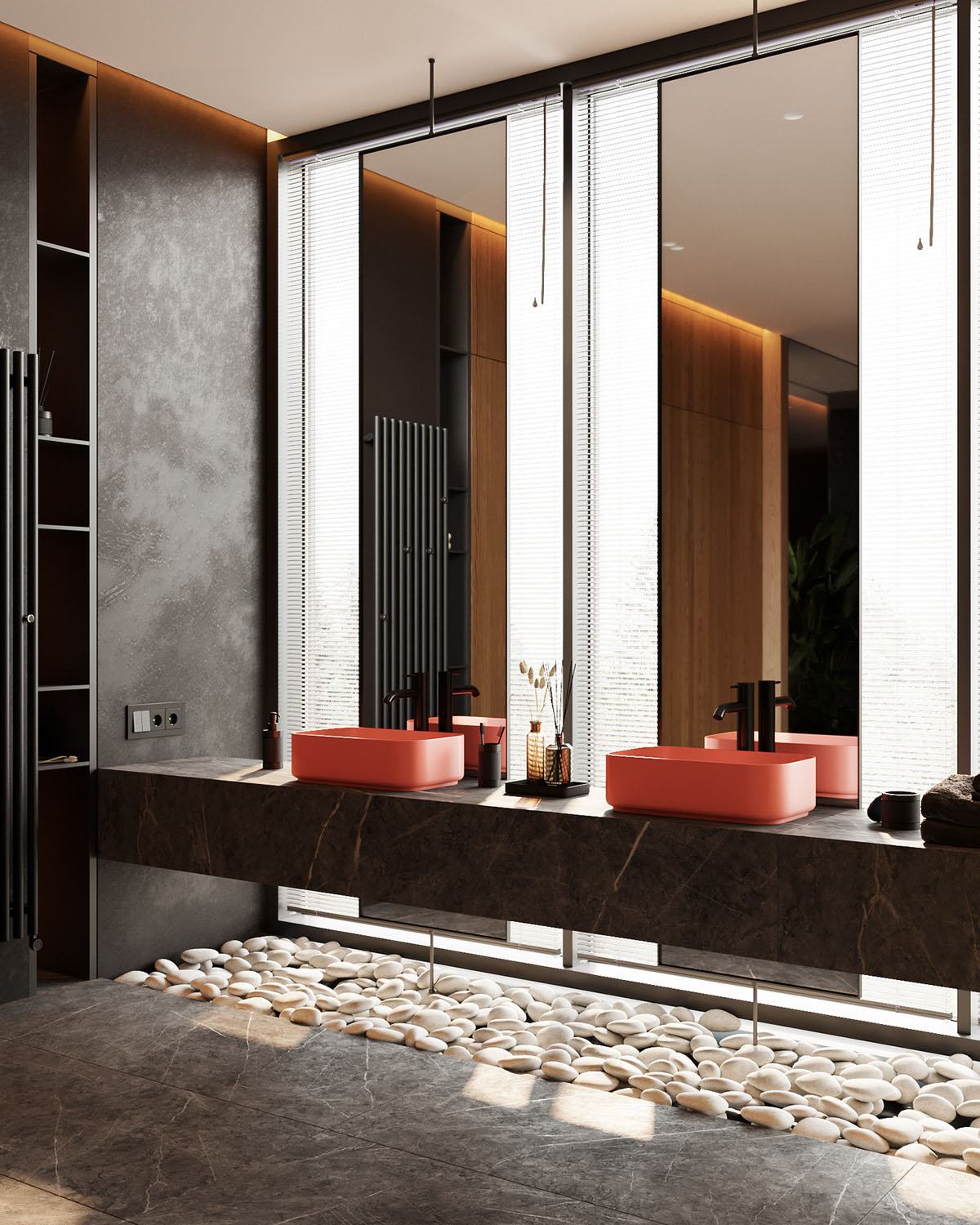
How Ceramic Vessel Sinks Enhance Bathroom Aesthetics and Functionality

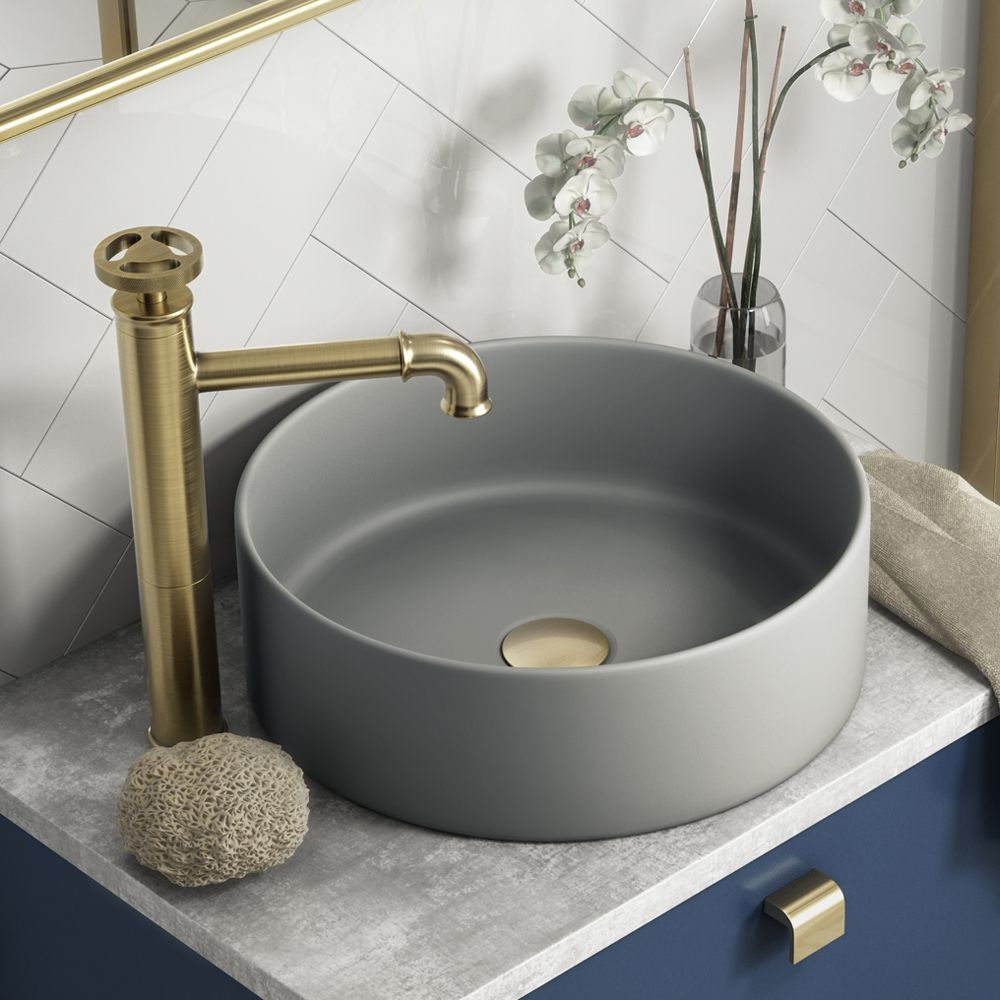
Design and Durability Analysis of the Kingston Brass GLTS37225 Brushed Basin
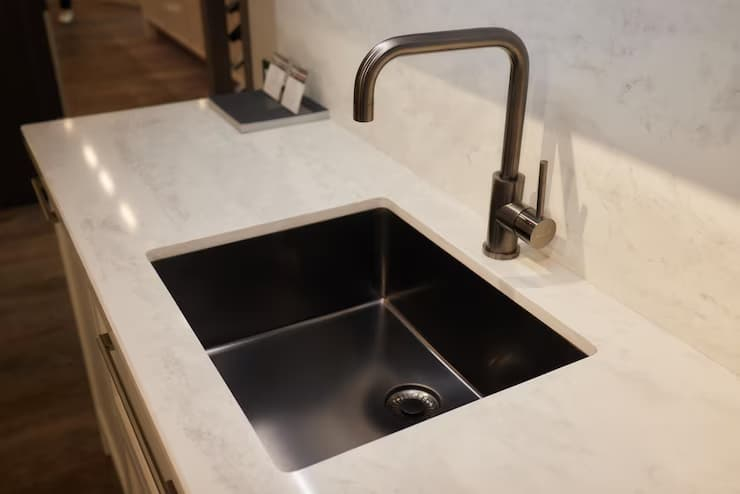
Choosing the Perfect Small Undermount Sink for Your Home Decor
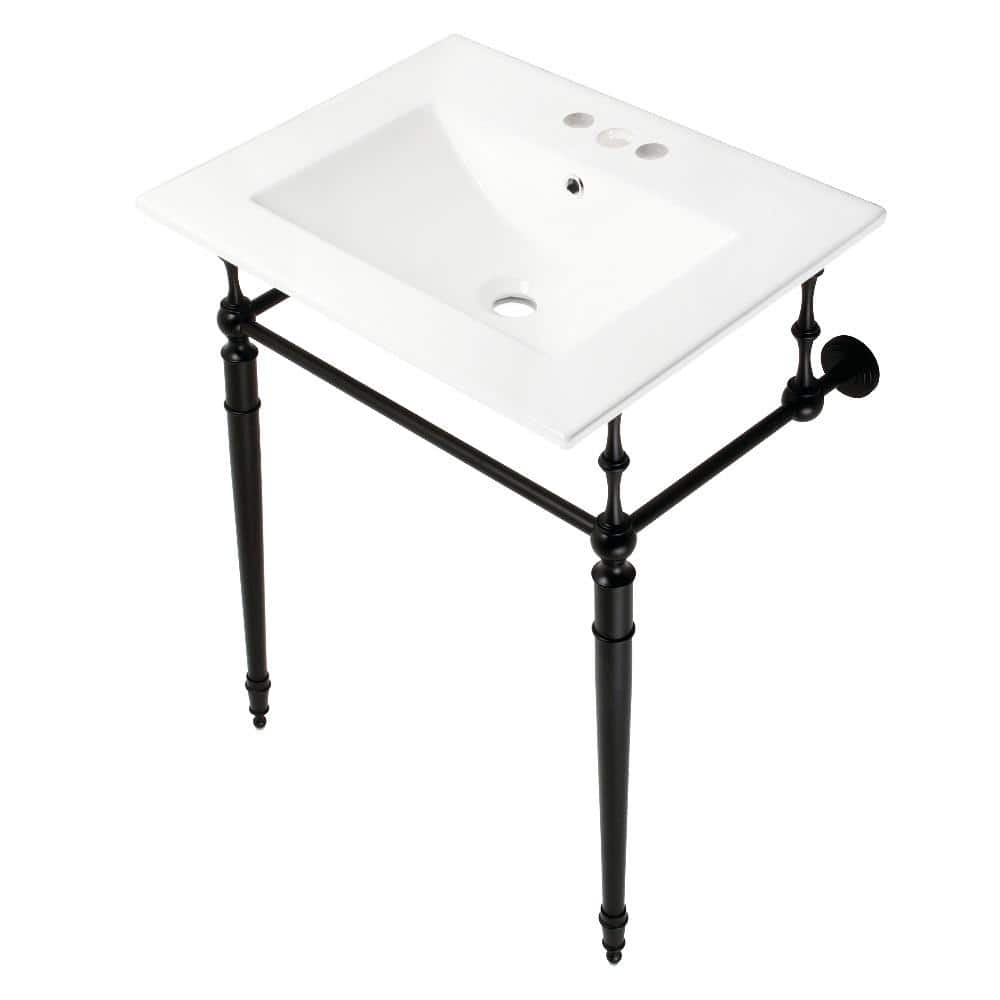
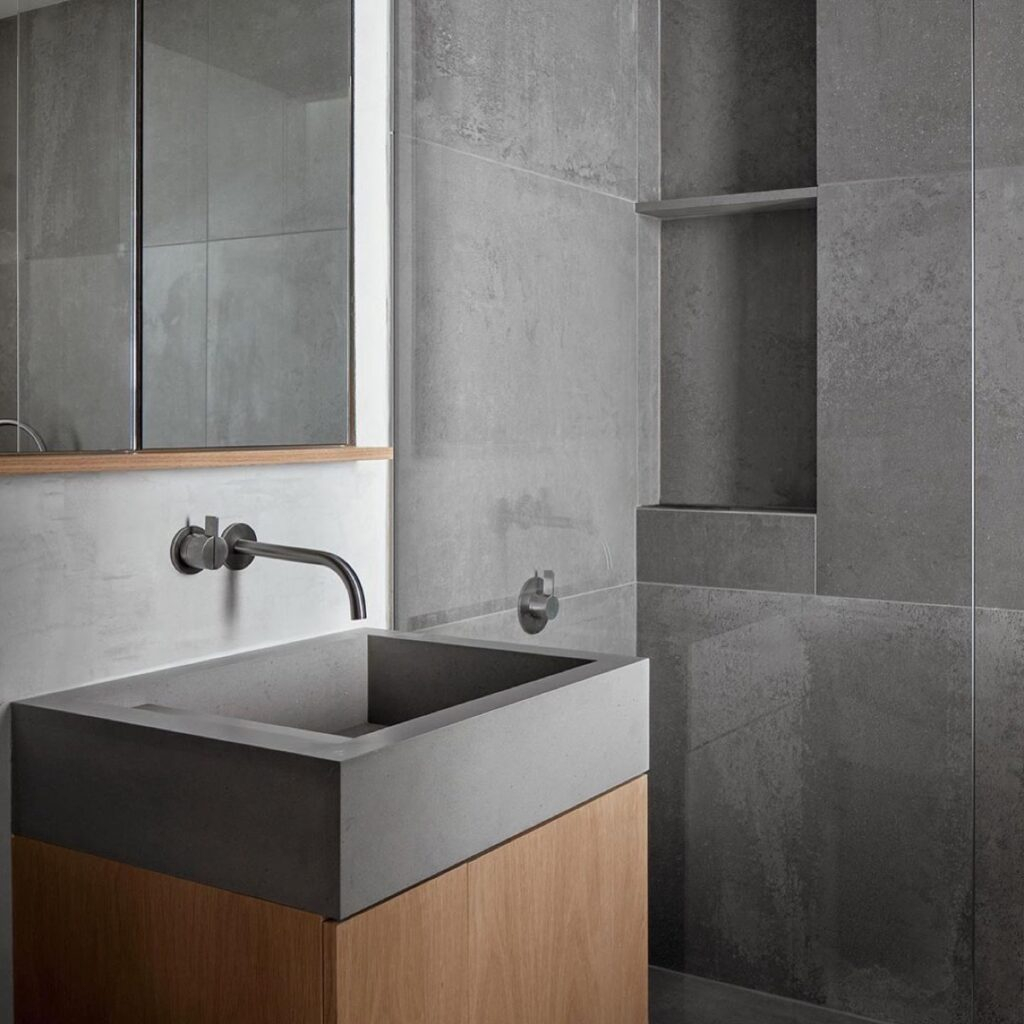
Material Durability and Maintenance of Kingston Brass VPB24187W4 Ceramic Sink
Expert Insights on Choosing the Right Sink for Your Bathroom Renovation