Porcelain mosaics have the remarkable ability to transform ordinary spaces into extraordinary visual experiences. Whether you're designing a bathroom, kitchen backsplash, or outdoor patio, these tiny tiles can create stunning effects that captivate and inspire. The secret lies not just in the material itself, but in understanding how to manipulate color, texture, pattern, and light to create truly impactful designs.
Imagine walking into a room where every surface tells a story through carefully placed porcelain pieces. These tiny marvels, when arranged with intention and skill, can become the centerpiece that defines an entire space. Porcelain mosaic design isn't just about decoration – it's about creating emotional connections through visual elements that dance with light and shadow. What makes porcelain mosaics particularly special is their versatility and durability combined with an almost infinite range of artistic possibilities. From subtle elegance to bold statements, these designs can adapt to any aesthetic while maintaining their structural integrity and visual appeal over time.
Understanding Porcelain Mosaic Fundamentals
Porcelain mosaics are crafted from fine clay and fired at extremely high temperatures, making them incredibly durable and resistant to moisture, stains, and fading. This foundation gives designers freedom to experiment with complex patterns and bold colors without worrying about degradation over time. The material's smooth surface reflects light differently than other materials, creating dynamic visual effects that change throughout the day.
The size variations available are extensive – from tiny tesserae less than half an inch to larger pieces up to several inches. This range allows for both detailed work and bold geometric statements. Think about how different sizes can create various visual impacts: small pieces can form intricate patterns that seem to shimmer, while larger tiles can create clean, modern lines that make a strong statement.
Consider how a bathroom might look with a traditional mosaic pattern versus one that uses oversized tiles in a contemporary geometric style. The difference isn't just in appearance – it's in how the space feels and how people interact with it. The fundamental choice between small, detailed work versus large, bold statements becomes a powerful tool for communicating your design intent.
Color Psychology and Emotional Impact
Colors in porcelain mosaic design carry deep psychological weight that goes far beyond simple aesthetics. Warm tones like terracotta, amber, and burnt orange create cozy, inviting atmospheres that make people feel comfortable and relaxed. These colors naturally draw the eye inward, making them excellent choices for intimate spaces like bedrooms or dining areas.
Cool colors such as blues, greens, and grays have a completely different effect. They tend to make spaces feel larger and more open, which is why they're often used in kitchens and bathrooms where you want to create a sense of spaciousness. Blue mosaics, for instance, can make a small bathroom feel like a serene retreat.
The contrast between warm and cool tones creates visual tension that keeps viewers engaged. A design that balances warm golds with cool blues can feel energizing and dynamic, while a monochromatic scheme might create a calming, meditative atmosphere. The key is understanding how different color combinations affect the mood of a space and using that knowledge to guide your design choices.
For example, consider a kitchen backsplash that uses warm terracotta tiles mixed with cool slate grays. The result is a design that feels both grounded and fresh, creating a perfect balance for a functional yet visually appealing workspace.
Pattern Complexity and Visual Flow
The complexity of patterns in porcelain mosaics determines how the eye moves through a design and what kind of visual experience it creates. Simple repeating patterns create a sense of order and harmony, while more complex arrangements can lead the viewer's eye in unexpected directions.
Consider how a straight line of identical tiles creates a feeling of stability and predictability, whereas a diagonal pattern introduces movement and energy. Zigzag designs can make a narrow space feel wider, while circular motifs can draw attention to a focal point.
Layered patterns add depth and dimensionality that make surfaces appear to move and breathe. When you place a simple geometric pattern behind a more complex one, the interplay creates visual richness that changes depending on the viewing angle and lighting conditions.
Think about a tiled floor that starts with a basic grid pattern but gradually introduces more complex shapes as it moves toward the center. This approach creates a journey for the viewer's eye, making the space feel alive and dynamic rather than static and flat.
The key to successful pattern design isn't just technical skill – it's understanding how the human eye processes visual information and using that knowledge to create designs that engage and delight.
Lighting Integration for Maximum Impact
Lighting transforms porcelain mosaic designs from static elements into living, breathing components of a space. Natural light changes throughout the day, casting different shadows and highlighting different aspects of a mosaic surface. Artificial lighting can amplify or soften these effects, creating entirely different moods and visual experiences.
Backlighting creates dramatic silhouettes and highlights the edges of individual tiles, making them appear to glow from within. This technique works especially well with translucent or semi-translucent porcelain pieces.
Underlighting can make a mosaic floor appear to float above the surface, creating an ethereal quality that's particularly effective in bathrooms or entryways. The light source can be hidden beneath the tiles or integrated into the surrounding structure, adding an element of surprise to the design.
Consider how a bathroom with a mosaic accent wall looks dramatically different under morning sunlight versus evening incandescent lighting. The same tiles can tell completely different visual stories depending on how light interacts with them. This variability means that good mosaic design must account for multiple lighting scenarios.
The challenge lies in balancing these different lighting effects to ensure that the design remains compelling regardless of when someone enters the space or what time of day it is.
Texture and Surface Variation Techniques
While porcelain mosaics might seem uniform at first glance, skilled designers use various surface treatments to create tactile and visual interest. Some tiles feature smooth, polished surfaces that reflect light beautifully, while others have textured finishes that catch and scatter light in different ways.
Rougher textures can add warmth and organic feel to a design, especially when used alongside smoother tiles. This contrast creates visual complexity without overwhelming the overall composition. Imagine a kitchen backsplash that combines glossy white tiles with matte black ones – the interplay between smooth and rough surfaces adds depth that makes the design feel more substantial.
Some porcelain mosaics incorporate metallic accents or iridescent finishes that shift color based on viewing angle and lighting conditions. These elements add a layer of sophistication that can elevate even simple designs into something extraordinary.
Surface variation also affects how the tiles interact with light. Smooth surfaces create sharp reflections, while textured ones scatter light more diffusely. Understanding these properties helps designers create more dynamic compositions that respond to their environment.
A particularly effective technique involves mixing different tile finishes within the same design. For instance, combining matte and glossy tiles in a geometric pattern can create interesting visual contrasts that change as people move through the space.
Practical Applications and Design Considerations
Porcelain mosaics excel in various applications, each requiring specific design considerations. In bathrooms, the water-resistant nature of porcelain makes it ideal for wet environments, while the non-porous surface prevents mold and mildew growth. The small size of many mosaic tiles allows for detailed decorative work that can transform a simple shower wall into a work of art.
Kitchen backsplashes benefit from porcelain's durability and ease of cleaning. The material resists staining from cooking oils and acidic foods, making it practical for busy culinary spaces. Designers often use mosaic patterns to highlight areas like around a stove or sink, creating focal points that make the kitchen feel more intentional and stylish.
Outdoor applications require careful consideration of weather resistance and slip resistance. Porcelain mosaics designed for exterior use are typically rated for freeze-thaw cycles and UV exposure, ensuring they maintain their appearance and safety over time. Patio floors, pool surrounds, and outdoor walls all benefit from the durability and visual impact that porcelain mosaics provide.
When planning any mosaic project, consider the maintenance requirements, traffic patterns, and environmental factors. A beautiful design that's impractical for its intended use will ultimately fail to create lasting visual impact. The best designs balance aesthetic goals with functional needs, ensuring that beauty and utility work together harmoniously.
Creating stunning visual impact with porcelain mosaic design requires understanding more than just the material itself – it demands a deep appreciation for how color, pattern, light, and texture work together to influence human perception and emotion. The true magic happens when these elements align perfectly, creating designs that not only look beautiful but also enhance the way people experience their spaces. Whether you're a seasoned designer or someone looking to add a touch of artistic flair to their home, porcelain mosaics offer endless opportunities for creative expression. The key is to start with a clear vision, understand the fundamental principles, and allow yourself the freedom to experiment and adapt until you find the perfect balance of form and function. Remember that great design isn't about following rules – it's about understanding how to bend them to serve your creative vision while respecting the practical realities of everyday life. The most memorable mosaic installations are those that make people pause, notice, and feel something when they encounter them. That's the ultimate goal – to create visual experiences that linger in memory long after the initial look.


Related Posts

Kitchen Island vs Peninsula Compared for Flow Storage and Everyday Use
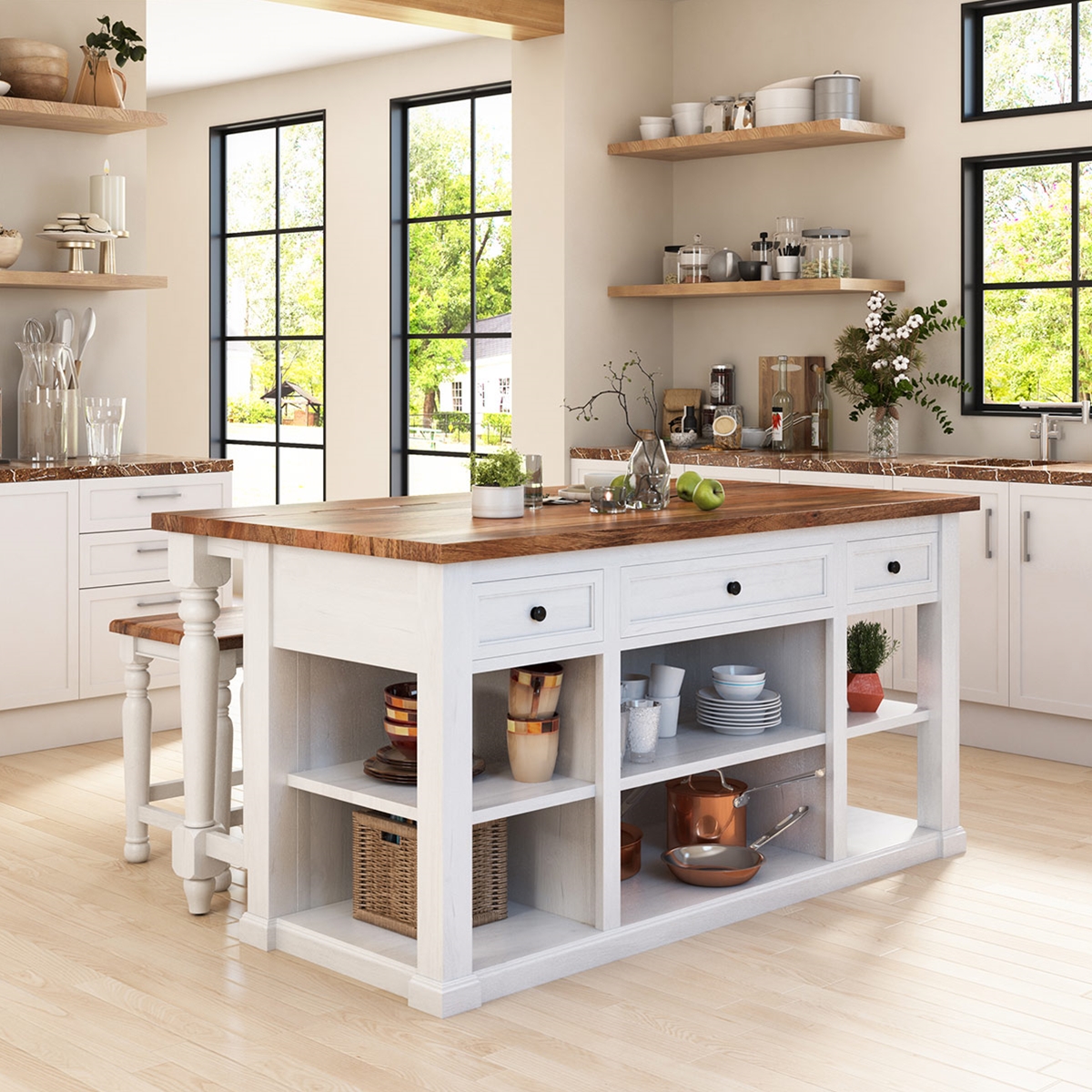
Smarter Ways to Plan a Functional Kitchen Island for Modern Living in 2026
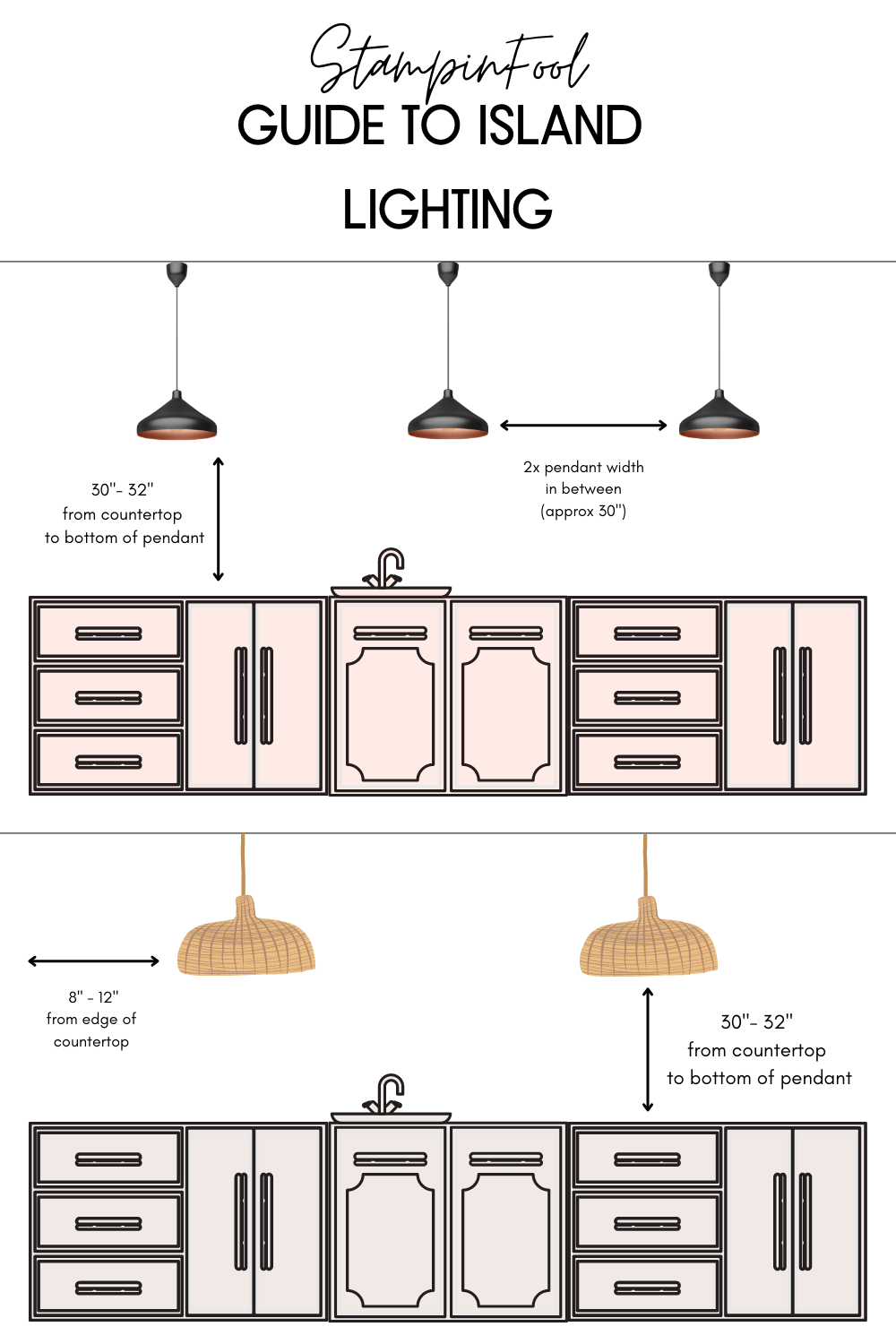
How to Layer Kitchen Island Lighting for Both Cooking and Gathering
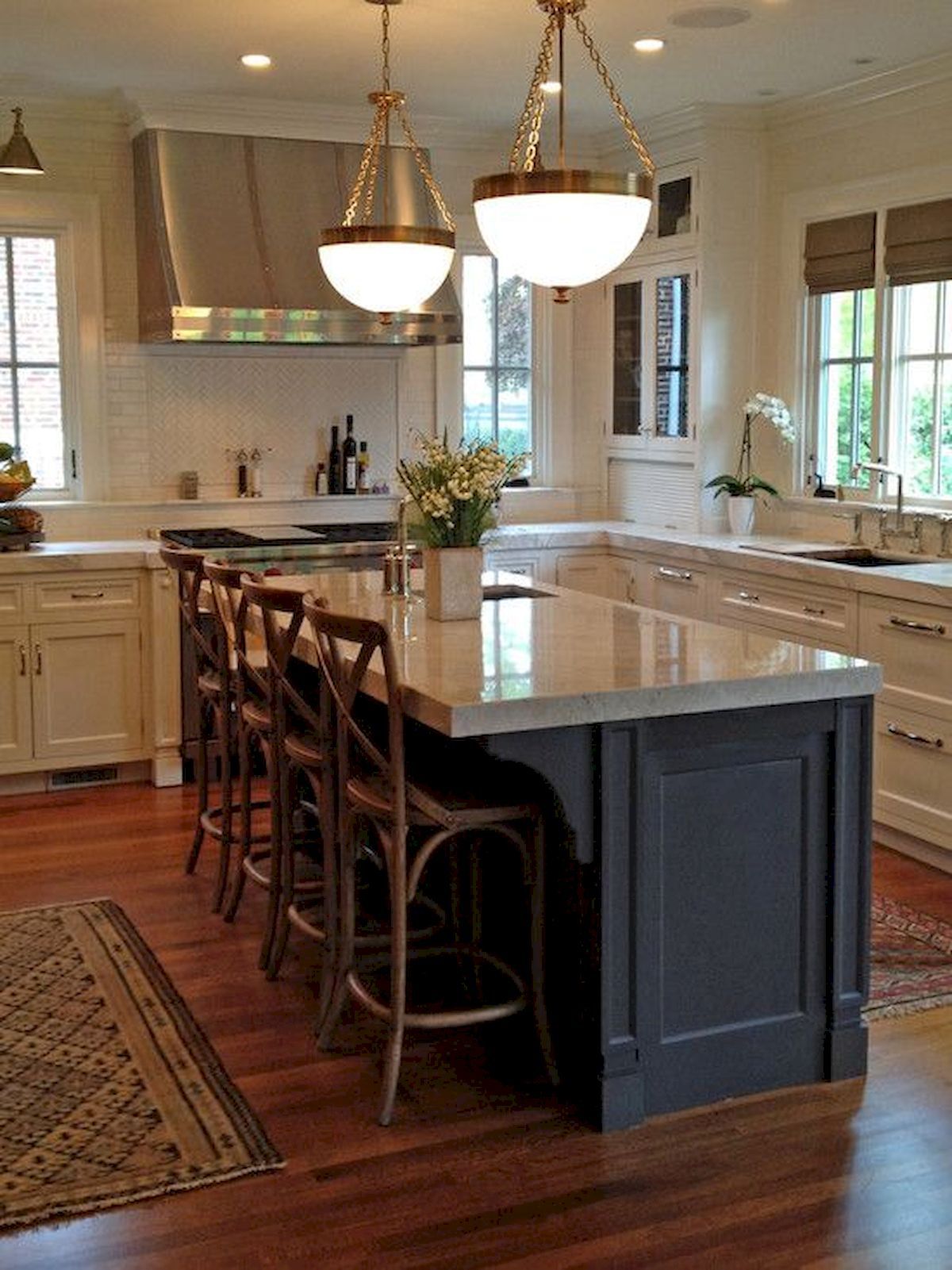
Rethinking Your Kitchen Island Layout With Ideas Grounded in Real Everyday Use

The practical benefits of using 24x48 porcelain stone effect tiles in homes

