When we think about luxury homes, we often focus on flashy exteriors and expensive materials. But what makes a villa truly special? It's not just about looking good—it's about creating a space that feels right, works well, and brings people together. This isn't just about building walls and roofs. It's about crafting experiences, balancing form and function, and understanding how architecture impacts our daily lives.
Picture this: You step into a magnificent villa that seems to breathe with life. The way light filters through windows, the sound of water trickling in the fountain, the seamless flow between rooms—all of it creates something magical. But what exactly makes this happen? Is it just the beautiful materials or something deeper? The truth is, the most memorable villas aren't built solely for show. They're constructed with intention, understanding, and a deep appreciation for how people actually live. These homes become more than just buildings—they transform into sanctuaries that reflect the owners' personalities while supporting their lifestyle needs.
The Foundation of Harmony
Harmony in villa construction starts with understanding the relationship between the building and its environment. This isn't just about matching colors or following trends. It's about creating a dialogue between the structure and the landscape. When architects and builders consider how a villa will interact with its surroundings, they're setting the stage for something truly special. Think about how a well-designed villa might incorporate local materials, respect the natural topography, and even work with existing trees and water features rather than fighting against them.
Key elements include:
• Natural integration with the landscape • Respect for local architectural traditions • Sustainable practices that support the environment • Understanding of how climate affects building choices
Consider a villa built into a hillside. Rather than trying to flatten the land, the designers worked with the slope, creating terraced levels that feel natural. The result? A home that doesn't fight against nature but instead embraces it. This kind of thinking transforms a simple house into a living, breathing part of its environment.
Balancing Form and Function
Here's where many people get confused. They think that beautiful design means sacrificing practicality. But great villa construction proves otherwise. The best homes are those where aesthetics serve purpose. Every element should have a reason behind it—not just because it looks nice, but because it enhances the user experience.
Take kitchen design, for example. A stunning backsplash might look gorgeous, but if it's difficult to clean or blocks workflow, it fails in its primary role. The ideal approach combines visual appeal with usability. Perhaps a designer uses a beautiful stone material that's also easy to maintain, or incorporates clever storage solutions that remain hidden until needed.
Some crucial aspects:
• Every design choice should support daily living • Visual beauty shouldn't compromise practical needs • Flow between spaces should feel effortless • Materials must balance appearance and durability
Imagine a villa with a grand dining room that also serves as a family gathering space. The challenge lies in designing something that works for both formal dinners and casual meals, maintaining elegance while staying functional for everyday use.
The Human Element in Design
Great villa construction always begins with people. Not just the owners, but everyone who will inhabit the space. This means considering different lifestyles, ages, abilities, and habits. A villa designed for a young couple might prioritize open spaces and modern technology, while one built for a growing family needs flexibility and multiple private areas.
This approach requires deep listening and observation. What does the family really need? How do they move through the house? Where do they spend most of their time? What activities happen in each area?
Important considerations:
• Age and mobility requirements • Family dynamics and social preferences • Work-from-home needs • Entertainment styles • Privacy expectations
A villa for a retired couple might feature wide doorways for wheelchair access, comfortable seating arrangements that encourage conversation, and quiet spaces for reading. Meanwhile, a home for a tech entrepreneur could include dedicated workspaces with high-speed internet and flexible layouts that accommodate meetings with clients.
Creating Flow and Connection
One of the most important aspects of harmonious villa construction is how spaces connect and flow into each other. This isn't just about having doors between rooms—it's about creating pathways that feel natural and intuitive. When people can move through a home effortlessly, it enhances their sense of comfort and belonging.
Flow involves:
• Logical progression between areas • Visual connections that guide movement • Consistent design themes • Appropriate scale and proportions
Think about how a well-designed villa might lead you naturally from the entryway through the living area, kitchen, and onto a covered terrace. Each transition should feel like a gentle step forward, not a jarring shift. The path from the kitchen to the dining area should be clear and inviting, perhaps through a hallway lined with plants or artwork that draws attention and makes the journey enjoyable.
Sometimes the best flow comes from unexpected places. Maybe a narrow corridor becomes a gallery walkway, or a small alcove provides a perfect spot for reading. These details matter because they create memorable moments within the larger experience.
Material Selection and Quality
The materials used in villa construction tell a story about priorities and values. High-end homes often showcase premium materials, but true craftsmanship goes beyond surface-level luxury. It's about selecting materials that age gracefully, perform well, and create lasting beauty.
Quality matters more than quantity when building a harmonious home. A few carefully chosen materials that work well together often produce better results than many mediocre options thrown together.
Considerations include:
• Long-term durability and maintenance needs • Environmental impact of materials • How materials age and change over time • Cultural significance and local traditions • Cost-benefit analysis for each selection
A villa built with locally-sourced stone might cost more upfront, but it will develop character over decades. The patina that forms on the surface tells stories of weather, seasons, and life lived within those walls. Similarly, wood that's properly treated and maintained can last generations while adding warmth and texture that synthetic alternatives simply cannot match.
Lighting and Atmosphere
Lighting in villa construction goes far beyond simply providing illumination. It's about creating atmosphere, mood, and emotional connection. The right lighting can transform a space from merely functional to truly welcoming.
Natural light plays a huge role. Designers who understand how light moves through a space can maximize its benefits. Large windows, skylights, and strategic openings can bring the outside in, creating a sense of openness and connection to the environment.
Artificial lighting should complement rather than compete with natural elements. This means:
• Layered lighting systems for different times and activities • Adjustable brightness and color temperature • Strategic placement to avoid shadows and glare • Integration with smart home technologies
A master bedroom might feature dimmable lights that create different moods for relaxation versus reading. The kitchen could have bright task lighting for cooking and softer ambient lighting for evening meals. Even outdoor spaces benefit from thoughtful lighting that extends the day and creates safety and beauty after dark.
Building a harmonious villa isn't about following formulas or copying trends. It's about understanding that every decision creates ripple effects throughout the entire experience. From the first stone laid to the final paint stroke, each element contributes to a greater whole. The most successful projects come from conversations between architects, builders, and future inhabitants. They involve careful planning, honest communication, and a commitment to creating spaces that truly serve people's needs.
Remember, a beautiful villa isn't just about impressive features or eye-catching designs. It's about creating environments where families grow, memories are made, and daily life becomes a little more pleasant. When construction aligns with human needs and natural rhythms, the result is something that transcends mere architecture. It becomes a place where people want to be, not just live. That's the true art of harmonious villa construction—and that's what makes some homes unforgettable.


Related Posts
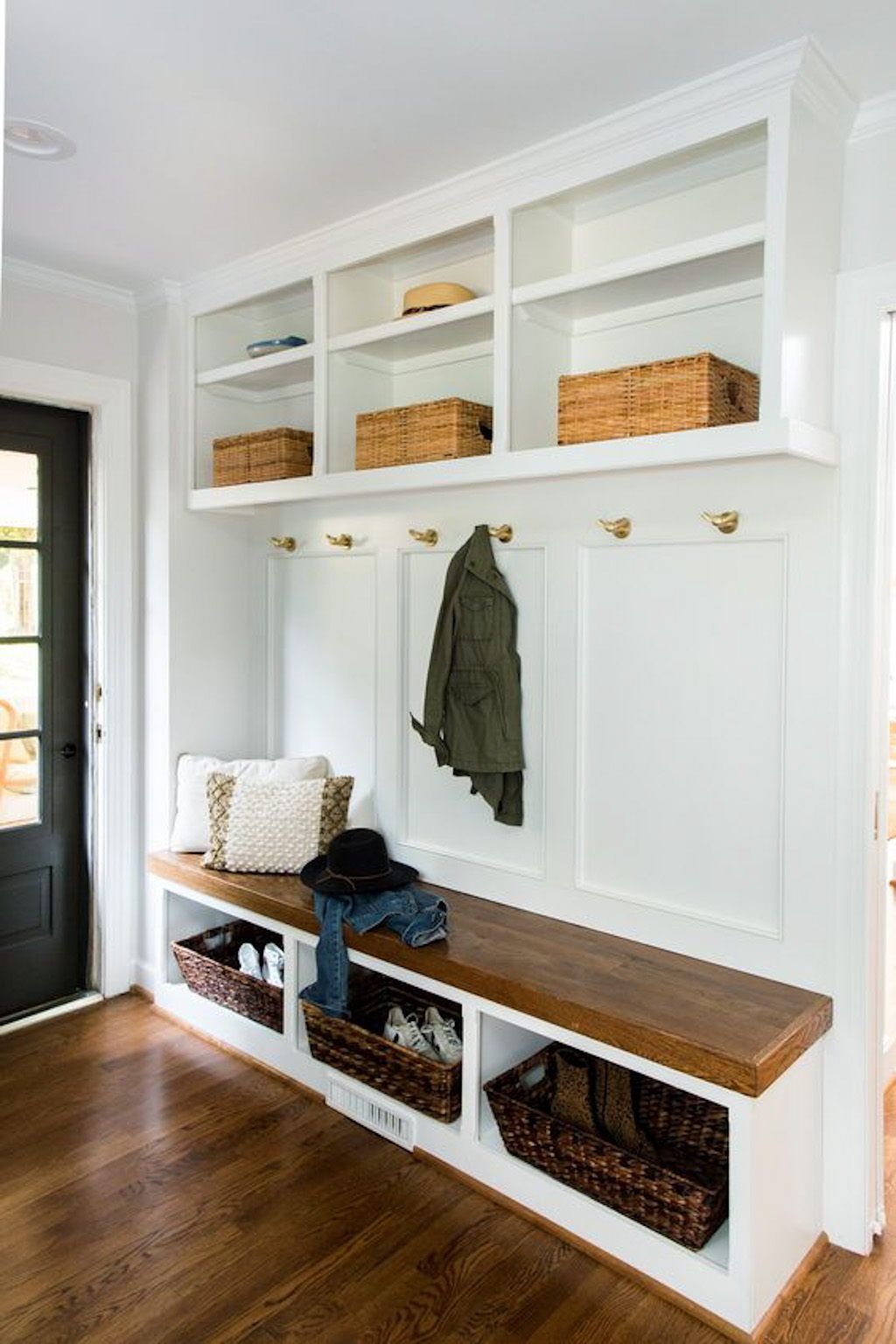
Small Space Solutions for a Mudroom Storage and Bench Without Clutter
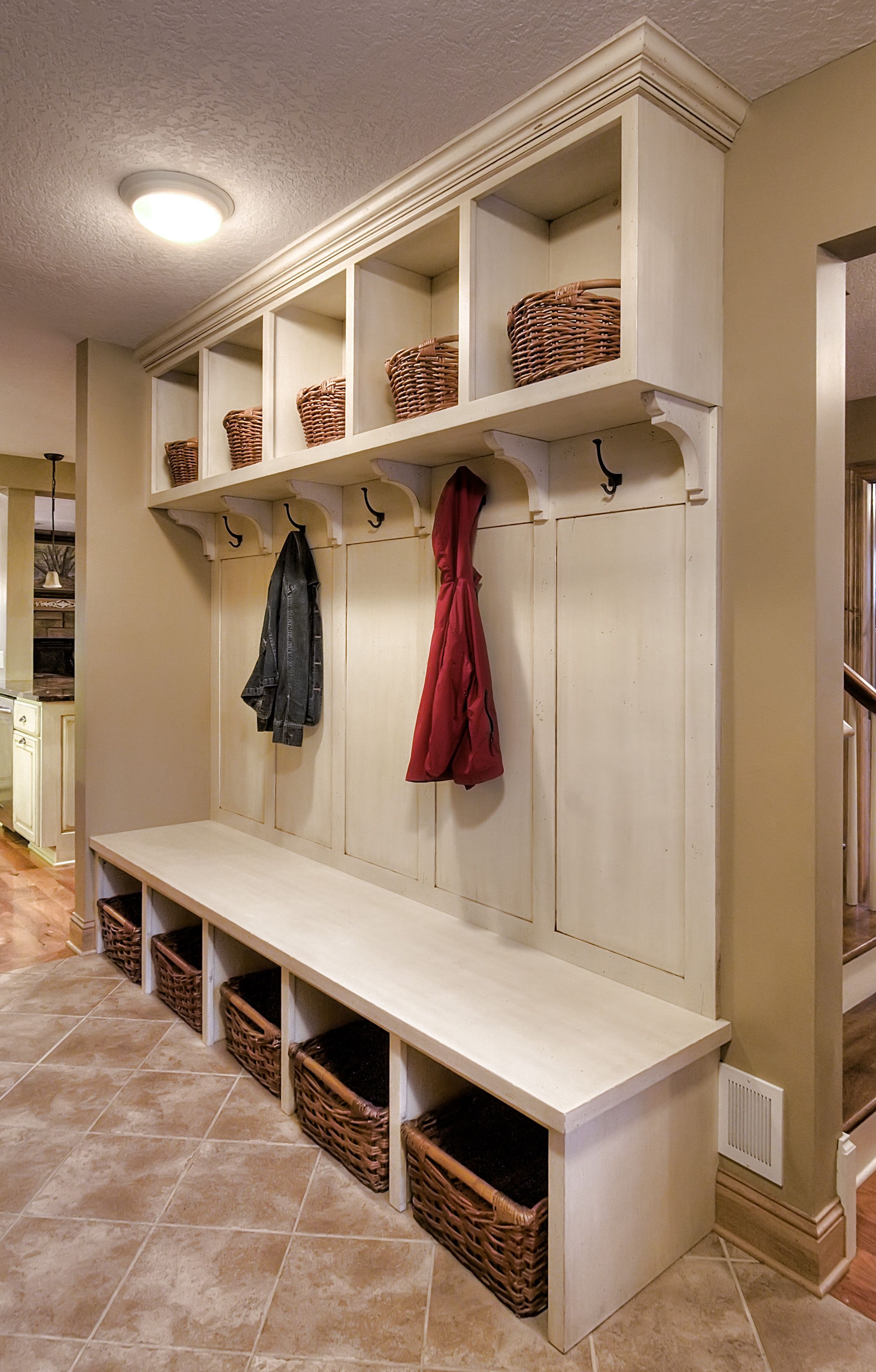
Mudroom Storage Ideas That Keep a Busy Entryway Tidy
Eco-Friendly Solutions for Common Garden Pests
Winter Glow: How Designer-Led Lighting Transforms Cold Spaces into Cozy Retreats

Transform Your Space with These Rug Layering Techniques