
Imagine walking into a room where every piece serves a purpose, where there's space to breathe, and where your mind feels instantly calm. That's the magic of a well-designed minimalist living room. It's not just about having less furniture or fewer decorations – it's about creating intentional spaces that support your lifestyle and bring genuine joy. The journey to this dream space might seem daunting at first, but once you understand the core principles, it becomes an exciting adventure of curating purposeful elements.
In our fast-paced world, our homes have become sanctuaries – places where we retreat from chaos and find balance. Yet many of us struggle to create truly peaceful spaces because we don't know where to start. A minimalist living room isn't about deprivation or stark emptiness. It's about thoughtful selection, intentional design, and creating an environment that genuinely enhances your daily life. Think of it like crafting a beautiful story – each element has a role to play, and when everything aligns, you get something much more powerful than the sum of its parts. This approach isn't just trendy; it's rooted in psychology, design principles, and the simple truth that our surroundings profoundly impact our mood and well-being.
Understanding Minimalism Beyond the Basics
Minimalism in interior design goes far beyond simply removing items from your space. It's about creating intentional environments that serve your needs while reducing mental clutter. When you think about minimalism, consider it as a philosophy of choice rather than limitation. Every item you bring into your living room should either serve a functional purpose, bring you joy, or both. This doesn't mean you can't have beautiful things – it means you choose them carefully. For instance, instead of multiple decorative pillows, pick one stunning piece that complements your color scheme and makes you smile. The goal is to create a space that feels open and inviting, not sterile or empty. Many people mistakenly believe minimalism equals boring, but that's a huge misunderstanding. A thoughtfully designed minimalist room can be vibrant, warm, and full of character when done right.
The Foundation: Color Psychology and Neutral Tones
Color sets the tone for any room, and in minimalist design, neutral tones work beautifully to create calm atmospheres. Think about how different colors affect your mood – blues tend to soothe, greens promote balance, and warm neutrals like beige or cream provide comfort. Start with a base palette of whites, grays, and soft earth tones. These colors allow your eyes to rest and create the illusion of more space. You don't have to stick to bland walls, though. Consider using textures and natural materials like wood, stone, or linen to add visual interest. A rich charcoal gray sofa against a white wall can be striking, but it still maintains that clean, uncluttered feel. Test paint samples on your walls during different times of day to see how they look in various lighting conditions. Remember, the goal isn't to create a hospital-like environment – it's to establish a foundation that supports peace and clarity.
Choosing Essential Furniture with Purpose
When building your minimalist living room, quality over quantity is key. Instead of filling every corner with furniture, focus on selecting pieces that truly serve you. A comfortable armchair that you actually use daily is better than three decorative chairs that sit unused. Consider multi-functional furniture – a coffee table with storage, a bench that doubles as seating and storage, or a side table that can hold books and plants. Think about your actual habits and needs when choosing furniture. Do you entertain often? Then maybe a larger sofa works better than a small loveseat. Are you more of a quiet reader? A cozy reading nook might be more important than extra seating. Remember, furniture should enhance your lifestyle, not complicate it. The best minimalist rooms have furniture that looks good, feels comfortable, and does something useful. A single statement piece, like a beautiful wooden console table, can anchor an entire room without overwhelming it.
Strategic Storage Solutions That Work
One of the biggest challenges in minimalist living rooms is hiding away items that aren't displayed but still need to be stored. The secret lies in choosing storage solutions that blend seamlessly with your design aesthetic. Built-in shelving can be elegant and unobtrusive, while stylish baskets or boxes can keep clutter contained while adding visual interest. Consider using storage ottomans that hide blankets and magazines underneath, or wall-mounted shelves that draw the eye upward rather than creating floor clutter. The key is to make storage look like part of the design, not like something you're trying to hide. You can even use storage as a design element – for example, a beautiful cabinet with glass doors can display special items while keeping the rest organized. The goal isn't to eliminate storage entirely, but to make it invisible when possible. Think about how often you access certain items – those that you use regularly should be easy to reach, while seasonal or rarely used items can be tucked away.
Lighting That Sets the Mood and Atmosphere
Good lighting can transform a room from ordinary to extraordinary, especially in minimalist spaces where every element matters. Layer your lighting to create depth and flexibility. Start with ambient lighting – perhaps a large pendant light or a beautiful floor lamp that provides general illumination. Add task lighting for specific activities like reading, and accent lighting to highlight interesting architectural features or artwork. Natural light is your best friend, so maximize it whenever possible. Choose window treatments that let in light while maintaining privacy – sheer curtains or blinds work well. Dimmer switches are game-changers because they allow you to adjust the atmosphere based on your mood or the time of day. A warm, soft glow in the evening creates a relaxing environment, while bright, cool light during the day can energize your space. Consider LED strip lights behind shelves or under cabinets to add subtle visual interest without overwhelming the room.
Adding Personal Touches Without Clutter
Minimalism doesn't mean impersonal – it means intentional. Your living room should reflect your personality and interests without becoming overwhelming. Choose a few meaningful pieces that tell your story – perhaps a collection of travel photographs, a favorite book, or a piece of art that moves you. These items should be selected with care and placed thoughtfully. Sometimes, one stunning object can do more for a room than several smaller items. Consider the rule of three – having three pieces of art or collectibles creates visual harmony rather than chaos. But remember, if you're unsure about an item, it's probably best to leave it out. The beauty of minimalist design is that it allows you to appreciate what you have rather than constantly seeking more. A single plant can add life and color to a neutral space, or a beautiful bowl can serve as both decoration and function. These personal touches make the space feel lived-in and genuine rather than sterile or staged.
Creating your dream minimalist living room isn't about following rigid rules or achieving perfection – it's about developing a deeper connection with your space and your life. It's about understanding what truly matters to you and designing around those priorities. When you approach your living room with intentionality, you'll find that the process becomes enjoyable rather than stressful. The result is a space that not only looks beautiful but also supports your well-being and enhances your daily experiences. Remember, minimalism is a journey, not a destination. Start small, experiment with different arrangements, and pay attention to how your space affects your mood and energy. Your ideal minimalist living room will evolve naturally as you learn more about yourself and your needs. The most important thing is to create a space that feels like a true reflection of who you are – calm, intentional, and authentically yours. Trust the process, and soon you'll discover that the chaos you were trying to avoid was never really in your room anyway.


Related Posts
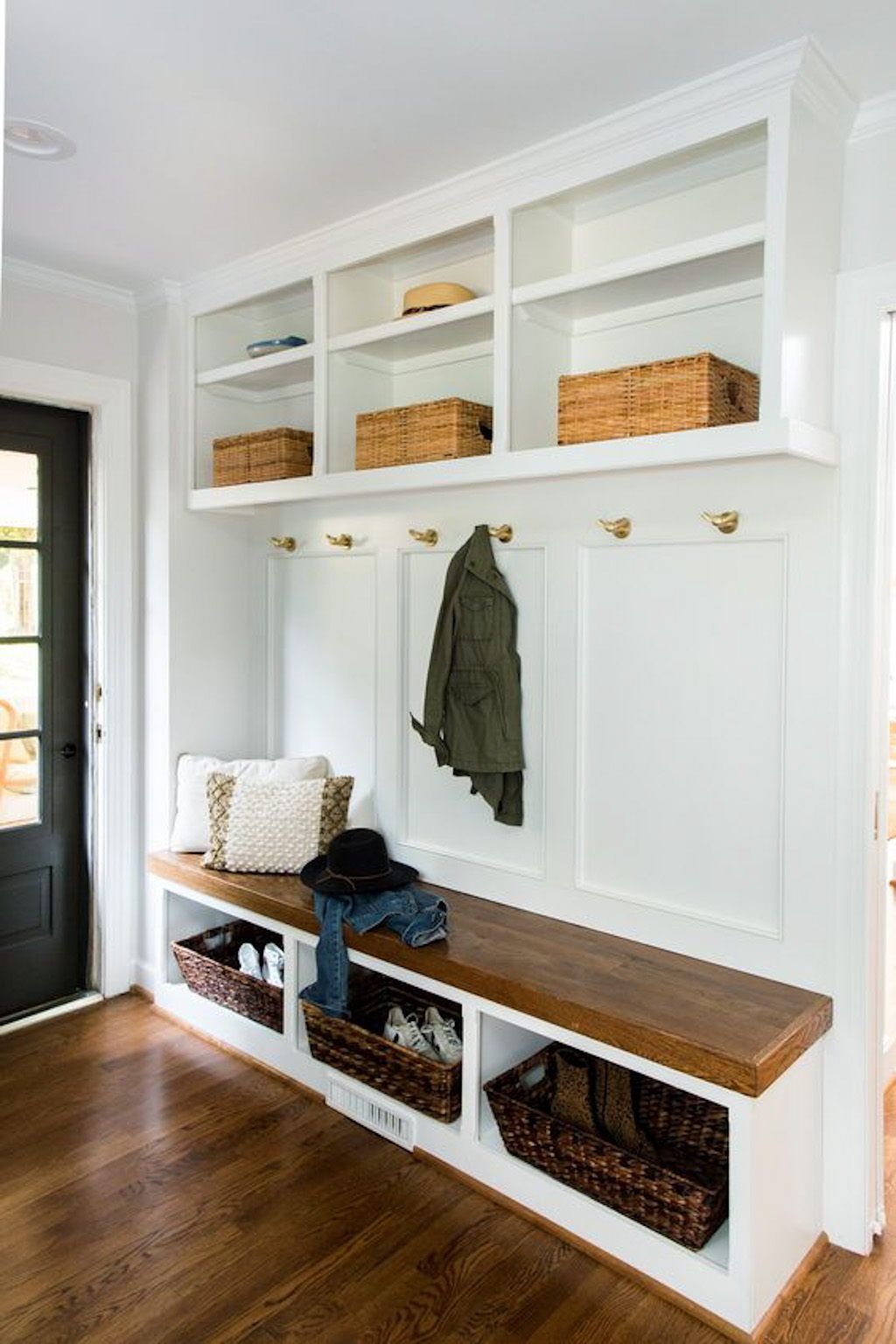
Small Space Solutions for a Mudroom Storage and Bench Without Clutter
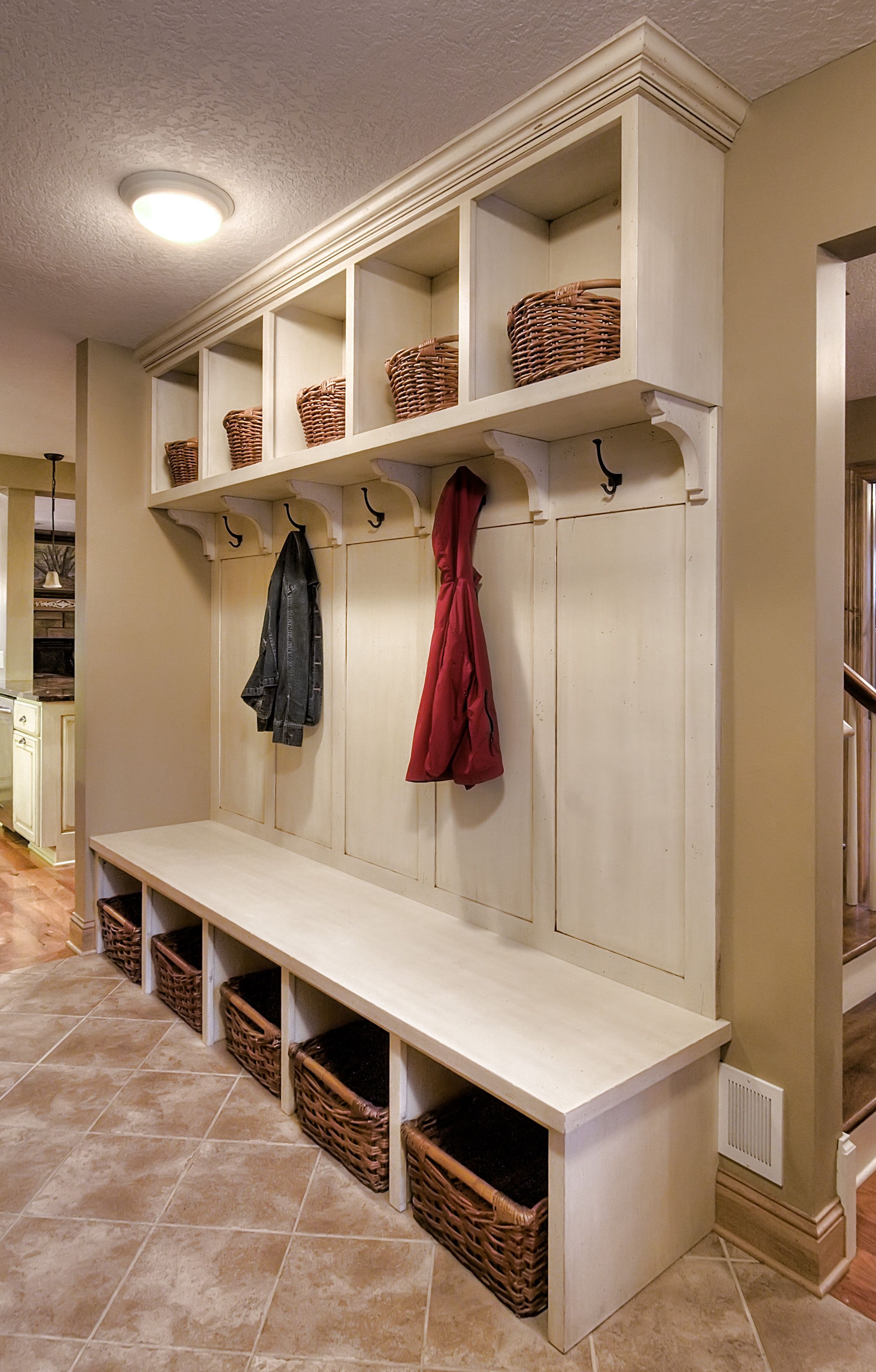
Mudroom Storage Ideas That Keep a Busy Entryway Tidy
Eco-Friendly Solutions for Common Garden Pests
Winter Glow: How Designer-Led Lighting Transforms Cold Spaces into Cozy Retreats

Transform Your Space with These Rug Layering Techniques

