Picture this: You're washing dishes, throwing scraps into the sink, and everything seems normal. Then suddenly, your garbage disposal stops working. No, it's not just a coincidence. Every day, thousands of homeowners unknowingly damage their disposal units with the wrong trash items. It's like feeding your car the wrong fuel - it might seem okay at first, but eventually, you'll pay the price.
Your garbage disposal is a marvel of modern kitchen engineering, designed to handle food waste with ease. But even the most robust appliances have limits. The truth is, many common household items are actually disasters waiting to happen when they meet your disposal unit. It's not just about keeping things clean - it's about protecting your investment. Think of your disposal like a muscle that needs proper exercise and nutrition. Feed it the right stuff, and it will serve you faithfully for years. Feed it the wrong stuff, and you'll be dealing with expensive repairs or replacements faster than you can say 'kitchen nightmare.
The Most Dangerous Trash Items
Some items are absolute no-gos for any disposal system. These aren't just inconvenient - they're downright destructive. Let's talk about what happens when these items get chipped up and sent down your drain.
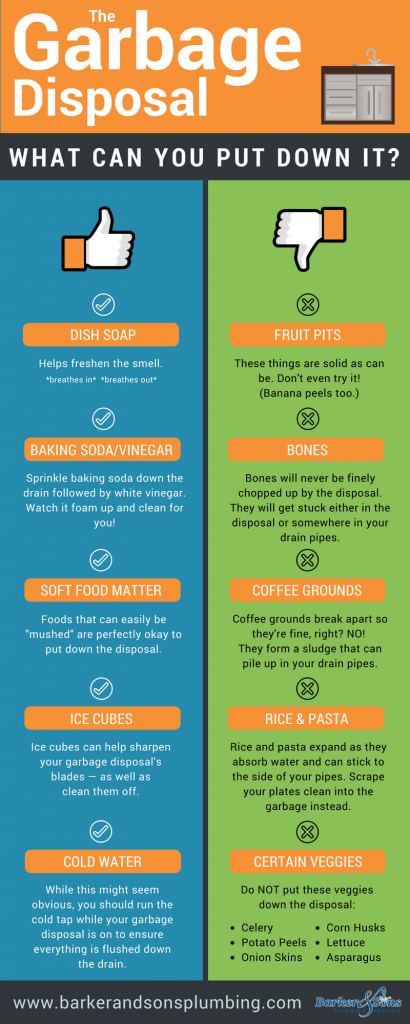
• Coffee grounds - They might seem harmless, but coffee grounds create a thick paste that clogs pipes and leaves residue that builds up over time. Imagine trying to wash dishes with a sponge that's been soaked in coffee grounds for months.
• Grease and oils - These are like oil in a car engine - they might lubricate temporarily, but they'll eventually gum up everything. When hot grease hits cold pipes, it solidifies and creates blockages that are nearly impossible to remove.
• Bones and large chunks of meat - These are like asking your disposal to chew on steel. They're too hard and can damage the blades or jam the motor completely. Picture trying to cut through a thick steak with a butter knife - that's what happens to disposals when they try to process bones.
Starchy and Fibrous Foods
These items are sneaky because they seem like they should be okay. After all, they're food, right? Wrong. Starchy foods can cause problems that catch people off guard.
• Potatoes and rice - These starchy foods expand when they come into contact with water. As they break down, they create a paste-like substance that clings to pipes and can cause major clogs. It's like trying to pour honey through a straw - it works at first, but eventually, it gets stuck.
• Onions and garlic - These can be particularly problematic because they're fibrous. The fibers can wrap around the disposal's internal parts, causing them to malfunction. Plus, they leave behind strong odors that linger in the pipes.
• Corn kernels and husks - These might seem like harmless vegetable bits, but they're actually tough on disposal blades. They can cause the motor to overheat and burn out. Imagine trying to chop corn kernels with a dull knife - that's what happens to disposal blades.
Hard Objects and Non-Food Items
This category includes items that might accidentally end up in your disposal, but shouldn't. They're not food, but they're often found in kitchens.
• Pasta shells and small pasta shapes - These tiny bits can accumulate and form a thick layer inside your disposal. They're like tiny building blocks that stack up and create blockages. It's similar to how sand accumulates in a sandbox - it starts small but gets worse over time.
• Eggshells - While some people swear by them, eggshells are actually quite tough. They can dull blades quickly and create a gritty mess that's hard to clean. Think of them like tiny glass shards that are sharp enough to scratch your disposal.
• Fruit pits and seeds - These are like tiny rocks that can damage your disposal. They're hard and can jam the motor or break the blades. A peach pit might seem small, but it's like trying to grind up a marble with a blender.
Chemical and Organic Hazards
These items can be especially tricky because they might look like regular kitchen waste but pose hidden dangers to your disposal.
• Detergents and cleaning products - These chemicals can react with food particles and create corrosive substances that eat away at your disposal's metal parts. It's like putting acid on your car's paint - it might not show immediately, but it causes damage over time.
• Cork and wood items - These materials don't break down easily and can cause serious jams. They're like trying to chew through a piece of wood with your teeth - it just doesn't work.
• Paper towels and napkins - These items are meant to absorb liquids, not go down the drain. They swell up when they hit water and can create massive blockages. It's like trying to flush a cotton ball down a toilet - it doesn't dissolve well.
How to Protect Your Disposal System
Prevention is always better than cure, especially when it comes to your disposal. Here are some simple steps that can save you from costly repairs:
• Know your limits - If it's not soft and easily broken down, don't put it in the disposal. This is one of the most important rules.
• Run cold water - Always run cold water when using the disposal. Hot water can cause fats to solidify and create blockages.
• Use the disposal regularly - Running it occasionally keeps the blades sharp and prevents buildup. Think of it like exercise - you need to do it regularly to stay healthy.
• Clean it properly - Periodically clean your disposal with ice cubes and lemon peels to freshen it up and remove any buildup. It's like giving your disposal a good scrub after a workout.
Signs of Disposal Problems
Sometimes, the damage isn't obvious right away. Learning to recognize early warning signs can save you from bigger issues later.
• Strange noises - If your disposal makes grinding, squealing, or unusual sounds, it might be struggling with something it shouldn't be handling.
• Slow drainage - When water takes forever to drain, it could indicate a partial blockage caused by inappropriate items.
• Frequent jamming - If your disposal keeps getting stuck, it's probably because it's encountering items that are too tough.
• Unpleasant odors - Bad smells coming from your disposal are usually a sign of trapped food particles that haven't been fully processed. It's like having a dirty sock in your room - it doesn't smell great.
Your garbage disposal deserves respect, not abuse. Understanding what can harm it helps you avoid expensive repairs and keeps your kitchen running smoothly. It's not rocket science, but it does require a little attention and care. Remember, the disposal is there to make your life easier, not harder. By following these simple guidelines, you're not just protecting an appliance - you're protecting yourself from the frustration and expense of unexpected breakdowns. Think of it this way: if you wouldn't feed your pet something dangerous, why would you feed your disposal the same things? Your disposal will thank you for it, and so will your wallet.

Related Posts
What happens to dried ink when clothes go through dryer tumbling
How American Standard HVAC Systems Compare to Trane Brands
Breaking down spray foam insulation costs by type and coverage area

How to Effectively Eliminate Clover from Your Lawn Naturally
The Surprising Reason Why Ladybugs Choose Your House