In the world of furniture design, few pieces capture the essence of mid-century modern aesthetics quite like the Maddox Chair. This iconic seating solution isn't just another chair – it's a window into a design philosophy that emerged during a pivotal era in American history. When you look at the Maddox Chair, you're seeing decades of intentional design thinking wrapped in a simple, elegant form. The chair speaks to something fundamental about how we want our spaces to feel – comfortable yet sophisticated, functional yet beautiful.
The Maddox Chair represents more than just a piece of furniture. It's a bridge between the past and present, connecting us to a time when designers believed that beauty and function could coexist harmoniously. Born from the post-war optimism of the 1950s, this chair embodies the spirit of innovation and optimism that defined an entire generation. What makes the Maddox Chair particularly fascinating is how it perfectly encapsulates the mid-century modern movement's core values. The design philosophy behind it wasn't about flashy embellishments or excessive ornamentation. Instead, it focused on clean lines, natural materials, and thoughtful functionality. The chair's enduring popularity today proves that good design transcends trends and generations.
The Origins of Mid-Century Modern Design
Mid-century modern design emerged in the United States during the 1940s and 1950s, growing out of a desire to create furniture that was both beautiful and practical. This movement was born from the intersection of European modernism and American pragmatism. The term 'mid-century modern' refers to design produced roughly between 1933 and 1965, though its influence continues today. During this period, American designers were grappling with how to create homes that felt welcoming yet contemporary. They looked to nature for inspiration, drawing from organic forms and natural materials. The movement was also influenced by the rise of mass production techniques, which allowed for more affordable, well-designed furniture. This shift democratized good design, making it accessible to ordinary families rather than just the wealthy elite. The result was a design aesthetic that was simultaneously innovative and approachable, reflecting the optimism and prosperity of the era.
Key Characteristics of Mid-Century Modern Aesthetics
What defines mid-century modern design? Several elements come together to create this distinctive look. First, there's the emphasis on clean lines and geometric shapes. These designs often feature simple, unadorned forms that speak to clarity and purpose. Natural materials play a crucial role too. Wood, leather, and metal were commonly used, each contributing their own texture and warmth to the overall composition. The color palette typically included earth tones like browns, beiges, and muted greens, though bold accent colors weren't uncommon. Another defining feature was the integration of indoor and outdoor spaces. Designers created pieces that could easily transition from living rooms to patios, reflecting changing lifestyle preferences. The movement also embraced the idea of 'form follows function' – every element of a design served a purpose. This principle meant that nothing was added merely for decoration. The result was furniture that was both visually striking and highly practical.
The Maddox Chair's Design Philosophy
The Maddox Chair exemplifies mid-century modern principles in several ways. Its simple silhouette creates visual balance and harmony, while its proportions feel both comfortable and intentional. The chair's frame uses clean lines that emphasize structural integrity without sacrificing elegance. Materials are carefully selected to enhance both durability and beauty. The choice of wood grain, for instance, isn't random – it's chosen to complement the overall aesthetic while providing strength. The chair's design also reflects the movement's focus on human-centered design. Every aspect, from the seat height to the backrest angle, considers how people actually sit and move. The Maddox Chair doesn't try to be anything other than what it is – a comfortable, stylish place to rest. This honest approach to design is what gives it such lasting appeal. It doesn't pretend to be something it's not. Instead, it simply does its job exceptionally well.
Materials and Craftsmanship
The quality of materials used in the Maddox Chair tells the story of its craftsmanship. Many versions feature solid wood construction, often with cherry or oak, which provides both strength and natural beauty. The wood is typically finished with traditional techniques that highlight its grain and texture. Metal components, when present, are usually made from steel or aluminum, offering structural support while maintaining a sleek appearance. Leather or fabric upholstery adds comfort and personality to the overall design. The attention to detail in the construction process is remarkable. Joints are carefully crafted to ensure stability, and finishing touches are applied with precision. This level of craftsmanship reflects the era's emphasis on quality over quantity. Each component serves a purpose, and none are wasted. The chair's durability speaks to its thoughtful construction, which is one reason why it continues to be sought after decades later.
Cultural Impact and Legacy
The Maddox Chair's cultural significance extends beyond its physical presence in homes. It represents a moment in American culture when design was elevated to an art form. During the post-war boom, people were eager to create beautiful, functional spaces for their families. The chair embodied this desire perfectly. Its influence can be seen in countless subsequent designs, from dining chairs to office seating. The chair's success also helped establish mid-century modern as a legitimate design movement worthy of serious consideration. Today, collectors and designers alike recognize the Maddox Chair as a masterpiece of its era. Museums have featured it in exhibitions exploring American design history, and it regularly appears in interior design publications. The chair's legacy lives on not just in physical objects, but in the design principles it represents. It shows how thoughtful design can become part of our cultural heritage.
Modern Relevance and Contemporary Appeal
Despite being designed decades ago, the Maddox Chair remains remarkably relevant in today's design landscape. Modern homeowners appreciate its ability to blend seamlessly with both traditional and contemporary spaces. The chair's neutral color palette makes it easy to incorporate into various design schemes without overwhelming existing elements. Its timeless silhouette means it won't look dated in a few years, unlike many trendy pieces. Contemporary designers continue to draw inspiration from its clean lines and balanced proportions. Some even create variations that update the original concept for modern tastes while preserving its essential character. The chair's adaptability speaks to its smart design philosophy – it's versatile enough to work in multiple settings and situations. This flexibility makes it a wise investment for anyone looking to add lasting value to their home. Whether placed in a living room, dining area, or office, the Maddox Chair brings both style and substance to any space.
The Maddox Chair stands as a testament to the power of thoughtful design. It reminds us that great design doesn't require complexity or excess – sometimes the simplest solutions are the most profound. Through its clean lines, quality materials, and human-centered approach, the chair captures the essence of what mid-century modern design achieved. It's not just furniture – it's a piece of cultural history that continues to inspire and delight. The chair's enduring popularity proves that good design has no expiration date. As we navigate an age of rapid change and constant innovation, the Maddox Chair offers a reminder of what truly matters in design: intentionality, craftsmanship, and respect for the people who will use the pieces we create. Its story is ultimately about finding beauty in simplicity and purpose in every design decision. In a world full of noise, the Maddox Chair whispers quietly about the importance of thoughtful creation.


Related Posts

Kitchen Island vs Peninsula Compared for Flow Storage and Everyday Use
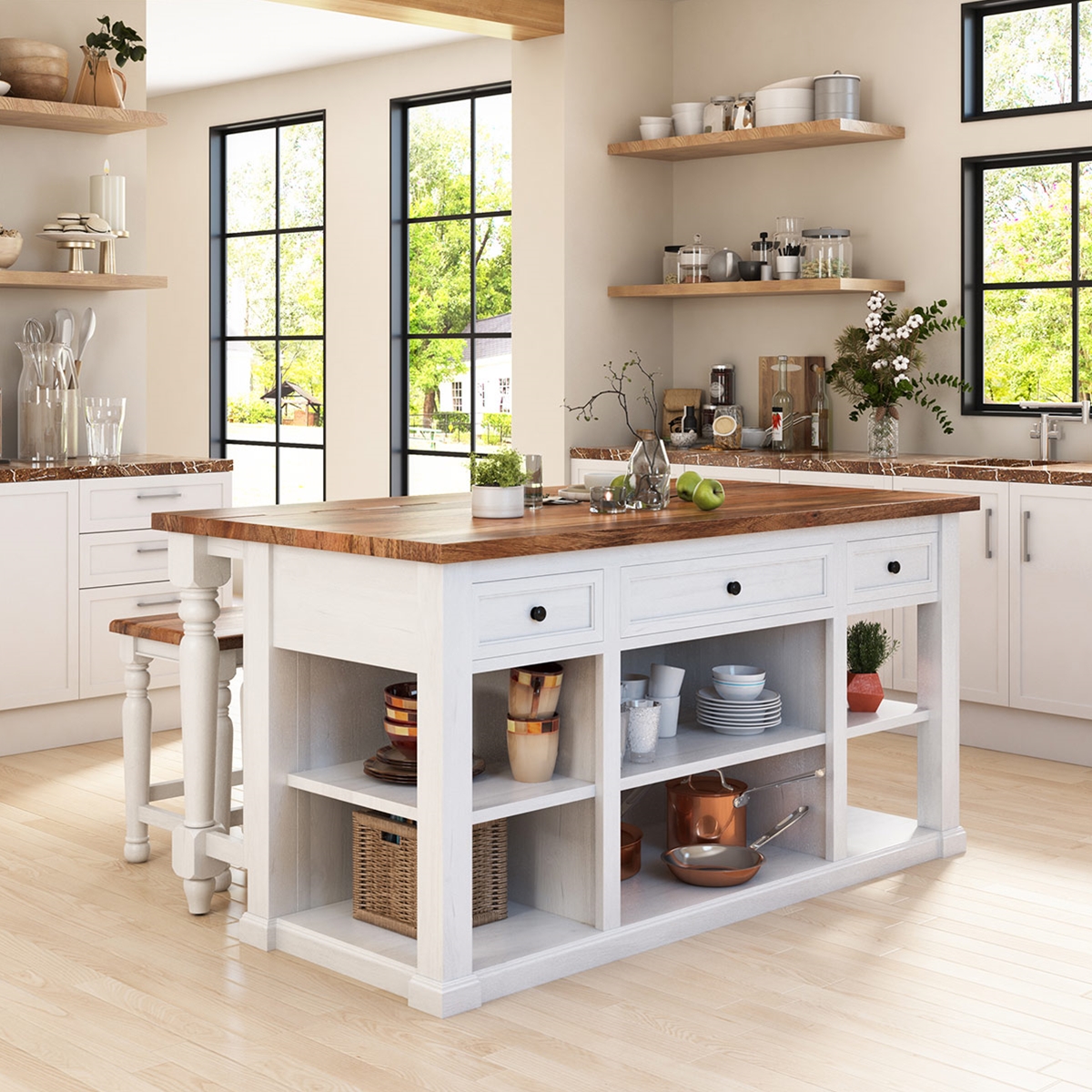
Smarter Ways to Plan a Functional Kitchen Island for Modern Living in 2026
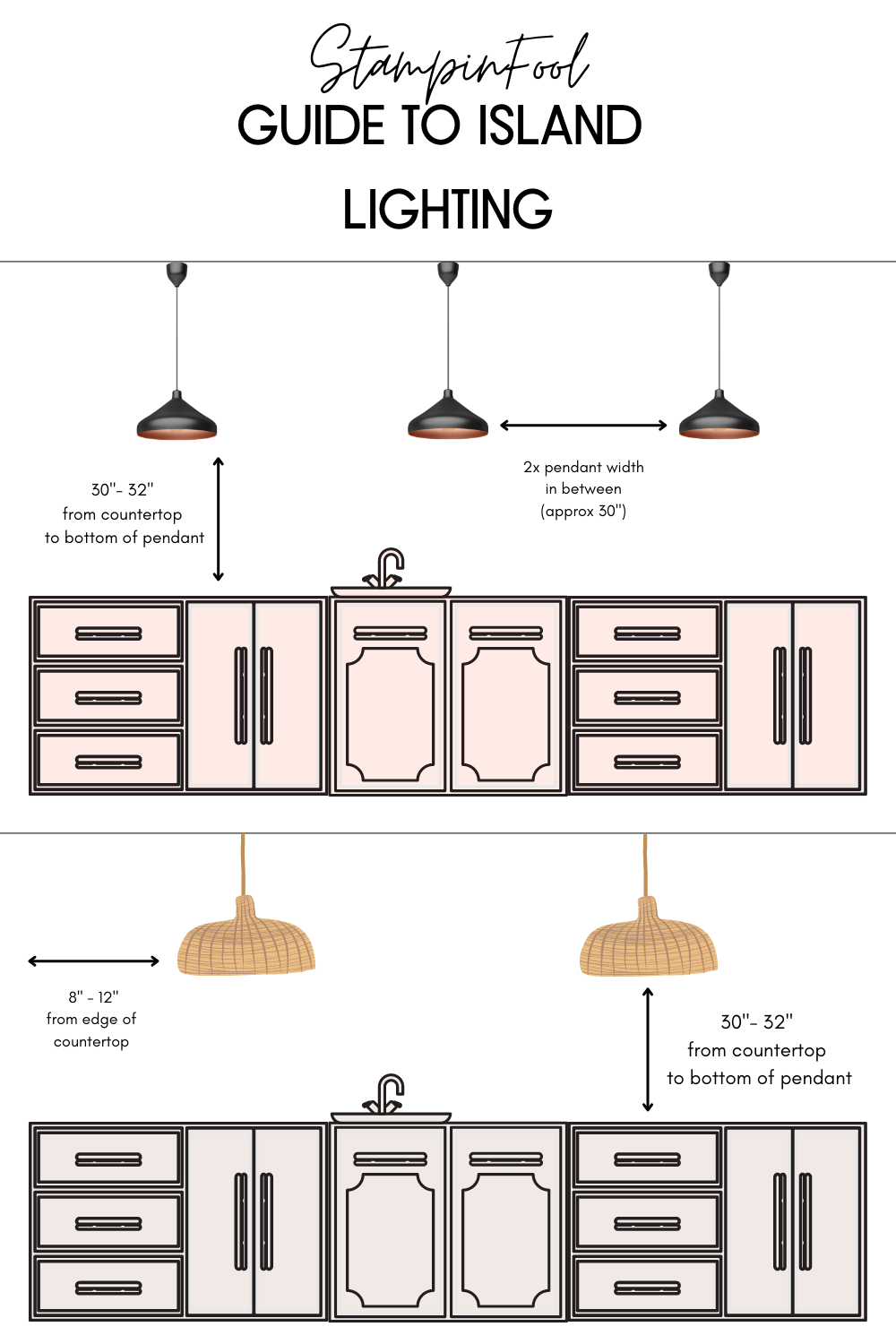
How to Layer Kitchen Island Lighting for Both Cooking and Gathering
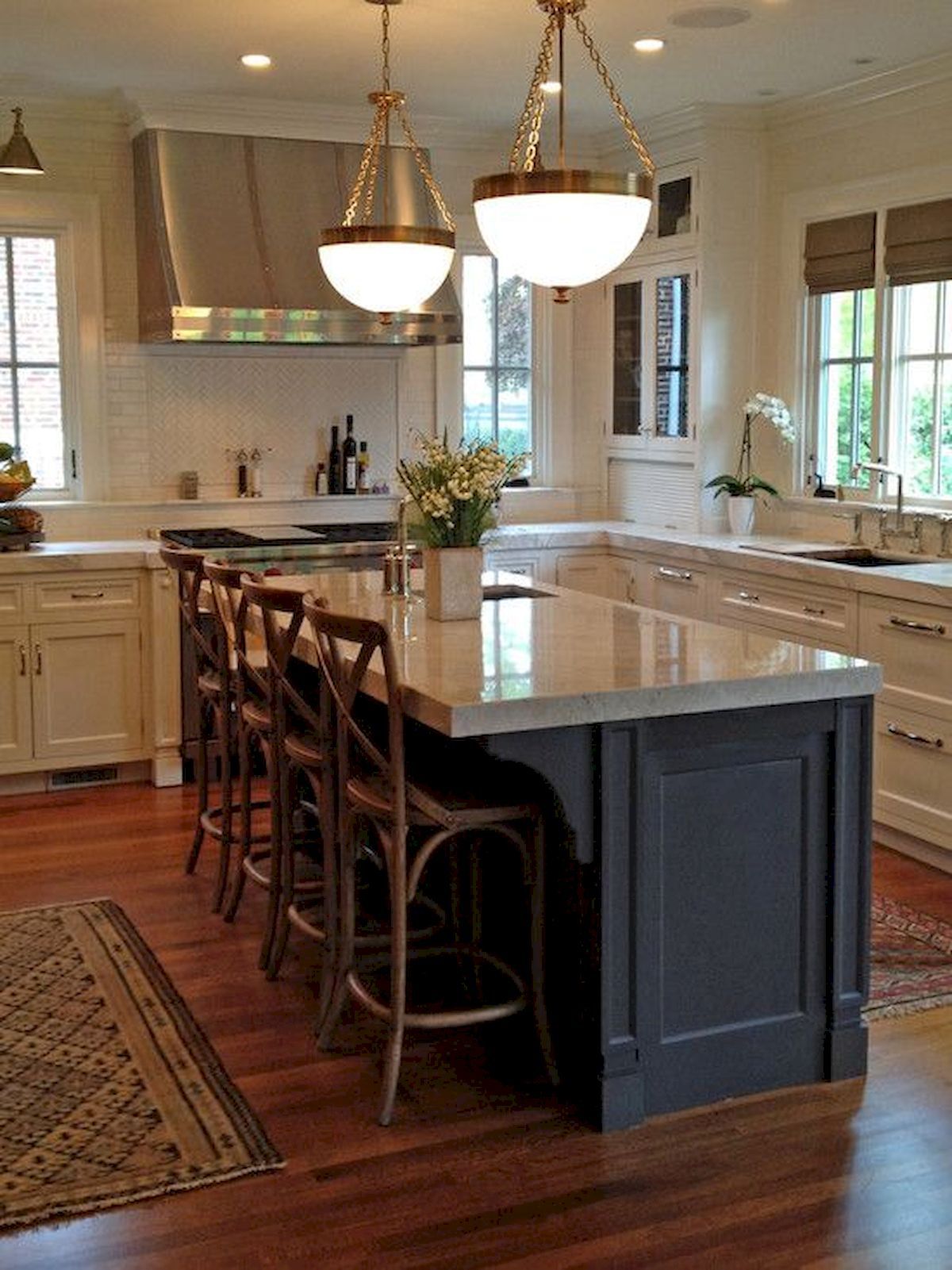
Rethinking Your Kitchen Island Layout With Ideas Grounded in Real Everyday Use

The practical benefits of using 24x48 porcelain stone effect tiles in homes

