Picture this: you're curled up with a good book, the sound of waves gently lapping against the shore, and your living room feels like a serene escape from the world. That's exactly what a well-designed coastal living room can offer. But how do you create this magical space without spending a fortune? It's all about smart shopping strategies that blend style with substance.
California's coastal lifestyle isn't just about the weather or the beaches – it's about creating a sense of calm and connection with nature in your own home. A coastal living room embodies this philosophy through its breezy aesthetics, neutral tones, and organic textures. But building this dream space requires more than just good taste. It needs strategic planning, budget awareness, and an understanding of what truly makes a coastal room feel authentic. The good news? You don't have to spend a small fortune to achieve that coveted seaside vibe. With the right approach to shopping, you can create a space that feels both luxurious and lived-in, both modern and timeless.
Understanding Coastal Design Principles
Before diving into shopping, it's essential to understand what makes coastal design work so beautifully. At its core, coastal design celebrates simplicity and natural elements. Think clean lines, light colors, and materials that echo the ocean's essence. The color palette typically features soft blues, sandy whites, warm beiges, and muted greens. These hues create a calming atmosphere that makes any room feel like a retreat. Natural materials such as rattan, wicker, driftwood, and linen play crucial roles. They bring texture and warmth while maintaining that effortless beachy feel. Textures matter too – think soft, breathable fabrics for upholstery, rough-hewn wood accents, and smooth stone elements. The key is balance: you want to feel connected to nature without overwhelming the space. This foundation will guide every purchasing decision, helping you avoid trendy items that might look dated in a few years.
Setting Realistic Budget Goals
Let's talk numbers because they matter when it comes to coastal living rooms. The average cost for a complete coastal living room renovation ranges from $5,000 to $15,000, depending on size and quality preferences. However, you can achieve stunning results with less if you plan strategically. Start by determining how much you're willing to invest in the overall project. Then break that down into categories: furniture, textiles, lighting, decor, and accessories. A good rule of thumb is to allocate 40% to furniture, 25% to textiles and fabrics, 20% to lighting and fixtures, 10% to decor, and 5% to accessories. This breakdown ensures you don't overspend on one area while neglecting others. For instance, if you have a tight budget, focus on investing in quality seating pieces that will last and serve as the foundation for your entire room. The rest can be built around these key pieces. Remember, it's better to have fewer high-quality items than many cheap ones that won't stand up to daily use.
Smart Shopping Tactics for Coastal Furniture
When it comes to furniture, coastal design calls for pieces that feel light and airy. Look for items made from natural materials like rattan, wicker, or reclaimed wood. These materials bring both durability and authenticity to your space. Consider a rattan sofa with linen cushions – it's comfortable, stylish, and perfectly suited for coastal living. Don't overlook secondhand options, especially for larger pieces. Many antique shops and online marketplaces offer beautiful coastal-style furniture at significantly reduced prices. For example, a vintage rattan chair might cost $80 instead of $300 new. Also consider buying furniture that serves multiple purposes. A storage ottoman doubles as seating and storage, making it a smart investment. When shopping, always check the construction quality. Coastal furniture often gets heavy use, so it needs to withstand daily wear and tear. Look for solid wood frames rather than particle board, and ensure joints are secure. Finally, don't be afraid to mix styles slightly. A modern coffee table paired with traditional coastal seating creates visual interest and prevents the room from feeling too uniform.
Maximizing Textile Value on a Budget
Textiles are where you'll see the biggest impact in your coastal living room. They provide comfort, color, and texture. Start with the essentials: throw pillows, blankets, and area rugs. These items are relatively affordable and offer excellent return on investment. Look for natural fibers like cotton, linen, and jute. These materials breathe well and resist fading from sun exposure. When shopping for textiles, consider buying in sets to save money. A four-piece throw pillow set costs less than buying each piece individually. Also, keep an eye out for seasonal sales. Many retailers offer significant discounts on summer collections in fall, and vice versa. Another smart move is to invest in quality basics and add personality through accent pieces. For instance, spend a bit more on a beautiful linen throw blanket, then add colorful pillows that reflect your personal style. Layering different textures creates depth and interest. Try combining a rough-textured rug with smooth linen curtains and a chunky knit throw. This combination brings together the organic feel of coastal design while keeping things interesting.
Lighting That Captures Coastal Magic
Lighting plays a crucial role in setting the mood for any coastal living room. Natural light should be maximized wherever possible, but artificial lighting adds warmth and ambiance. Consider a mix of ambient, task, and accent lighting. Ambient lighting provides overall illumination, task lighting helps with specific activities, and accent lighting highlights key features. For coastal spaces, opt for fixtures that echo the natural environment. Think rope-lighting, shell-shaped pendants, or driftwood-inspired chandeliers. These details tie the room together and reinforce the coastal theme. Don't forget about dimmer switches – they're essential for creating different moods throughout the day. A bright, sunny morning might call for full brightness, while evening relaxation might prefer softer, warmer lighting. When shopping for lighting, prioritize energy efficiency. LED bulbs last longer and consume less power, saving money over time. Also, consider the placement carefully. A statement light fixture can anchor a room, while smaller accent lights can highlight artwork or architectural features. The goal is to create layers of light that enhance the peaceful, beachy atmosphere you're aiming for.
Accessorizing Without Overspending
The finishing touches are what make a coastal living room feel complete. Decorative accessories can transform a basic space into a personalized sanctuary. Start with a few key pieces rather than filling everything at once. A large-scale coastal painting, a beautiful shell collection, or a woven basket can make a strong statement without breaking your budget. When selecting accessories, choose items that tell a story or have personal significance. These pieces will make your space feel lived-in and authentic. Remember that less is often more in coastal design. Too many decorative items can make a room feel cluttered and chaotic. Instead, curate a small collection of meaningful pieces that complement your existing furniture and color scheme. Visit local markets, estate sales, and thrift stores for unique finds. These places often yield unexpected treasures at reasonable prices. Also, consider DIY projects. Creating your own coasters from driftwood or making simple wreaths from seashells can add personal touches while saving money. The key is to select accessories that reflect your personality while staying true to the coastal aesthetic.
Quality Over Quantity: Making Long-Term Investments
In coastal living room design, it's crucial to distinguish between items that will last and those that are merely trendy. Quality pieces may cost more upfront, but they provide value over time. When shopping, ask yourself whether an item will still look good in five years. A classic white sofa will likely remain stylish longer than a trendy patterned one. Invest in foundational pieces that serve multiple purposes. For example, a storage bench can function as seating, storage, and a place to put away outdoor gear. Also, consider the durability of materials. Coastal environments can be harsh on furniture, so choosing weather-resistant materials makes sense. Wicker and rattan furniture, for instance, can handle humidity and salt air better than synthetic alternatives. Think about maintenance requirements too. Natural materials may need more care, but they offer better longevity. Regular cleaning and proper placement can extend the life of most coastal pieces. Finally, don't overlook the importance of timeless design. Items with clean lines and neutral colors tend to age gracefully, while overly ornate pieces may look dated quickly.
Shopping Smart: Timing and Location Strategies
Timing your purchases strategically can save you hundreds of dollars. Retailers often offer significant discounts during seasonal transitions. Spring clearance sales can provide major savings on winter collections, while fall sales might offer deals on summer merchandise. Many stores also have end-of-season sales where they need to clear inventory. Keep an eye on these opportunities and plan your shopping accordingly. Online shopping offers additional advantages, particularly for coastal decor. You can easily compare prices across multiple retailers and find deals that might not be available locally. However, always factor in shipping costs and return policies. Some items, especially larger furniture pieces, might be better purchased locally to avoid shipping complications. Local markets and estate sales are treasure troves for unique coastal pieces. These venues often feature items that aren't found in big box stores, and prices are frequently very reasonable. Don't forget to explore online marketplaces for gently used furniture and decor. Many sellers offer high-quality pieces at fraction of retail prices. The key is to be patient and persistent. Good coastal pieces often take time to find, but they're worth the wait. Also, consider joining local Facebook groups or community boards where people often list items they're selling or moving.
Creating a Cohesive Coastal Aesthetic
One of the biggest challenges in coastal living room design is achieving visual harmony. Every element should work together to create a unified look. Start by establishing a consistent color palette and sticking to it. Choose one primary color and two or three complementary shades. This foundation guides all your decisions and prevents the room from looking scattered. Next, consider the scale of your furniture and decor. Large pieces can overwhelm a small room, while tiny items might get lost in a spacious area. Balance is key. A large coastal painting might need smaller accessories to balance it visually. Also, pay attention to material consistency. Mixing too many different textures can create visual chaos. Stick to a few core materials like wood, metal, and natural fibers to maintain cohesion. Finally, consider the flow of the room. How does the eye move through the space? Each piece should contribute to a seamless journey from one area to another. This attention to detail transforms a collection of individual items into a cohesive, inviting environment.
Maintenance Tips for Long-Lasting Coastal Spaces
Once you've created your dream coastal living room, maintaining its beauty requires some effort. Coastal environments, especially near the ocean, can be tough on furniture and decor. Salt spray, humidity, and direct sunlight all pose challenges. Regular cleaning is essential. Dust and salt can accumulate quickly, so establish a routine cleaning schedule. For textiles, follow manufacturer guidelines for washing and care. Many coastal fabrics benefit from regular airing outdoors to remove odors and refresh them naturally. Protect your furniture from direct sunlight, which can fade colors and damage materials. Consider using UV-protective window coverings or placing furniture away from direct sun exposure. For natural materials like wood and wicker, periodic treatments can help preserve their appearance. Applying appropriate sealants or oils keeps wood looking fresh and protects it from moisture damage. Finally, rotate seasonal items to prevent permanent fading. Swap out lighter summer textiles for heavier winter pieces, and adjust your lighting accordingly. These simple maintenance practices extend the life of your coastal space and keep it looking fresh year-round.
Building your dream California coastal living room isn't about spending a fortune – it's about making thoughtful choices that align with your lifestyle and budget. By understanding coastal design principles, setting realistic goals, and implementing smart shopping strategies, you can create a space that feels both luxurious and authentic. The key lies in focusing on quality over quantity, investing in timeless pieces, and taking advantage of seasonal sales and secondhand finds. Remember, a successful coastal living room tells a story – yours – through carefully selected furnishings and decor. Whether you're starting from scratch or refreshing an existing space, these strategies will guide you toward creating a sanctuary that captures the essence of California's coastal lifestyle. The beauty of coastal design is that it's forgiving and adaptable, allowing you to evolve your space as your tastes change. So take your time, shop wisely, and enjoy the process of crafting the perfect seaside retreat that reflects who you are and what you love about life by the water.


Related Posts
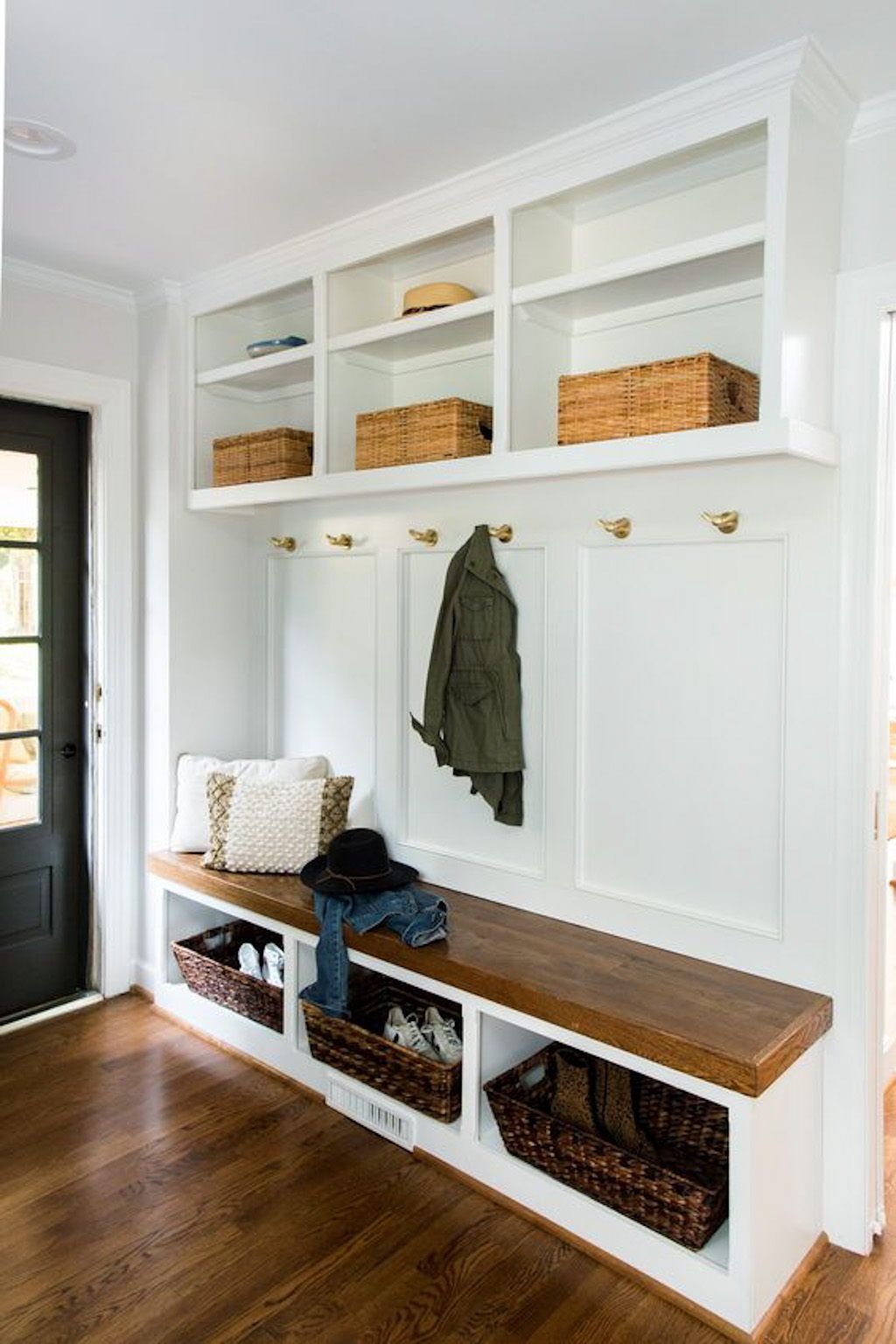
Small Space Solutions for a Mudroom Storage and Bench Without Clutter
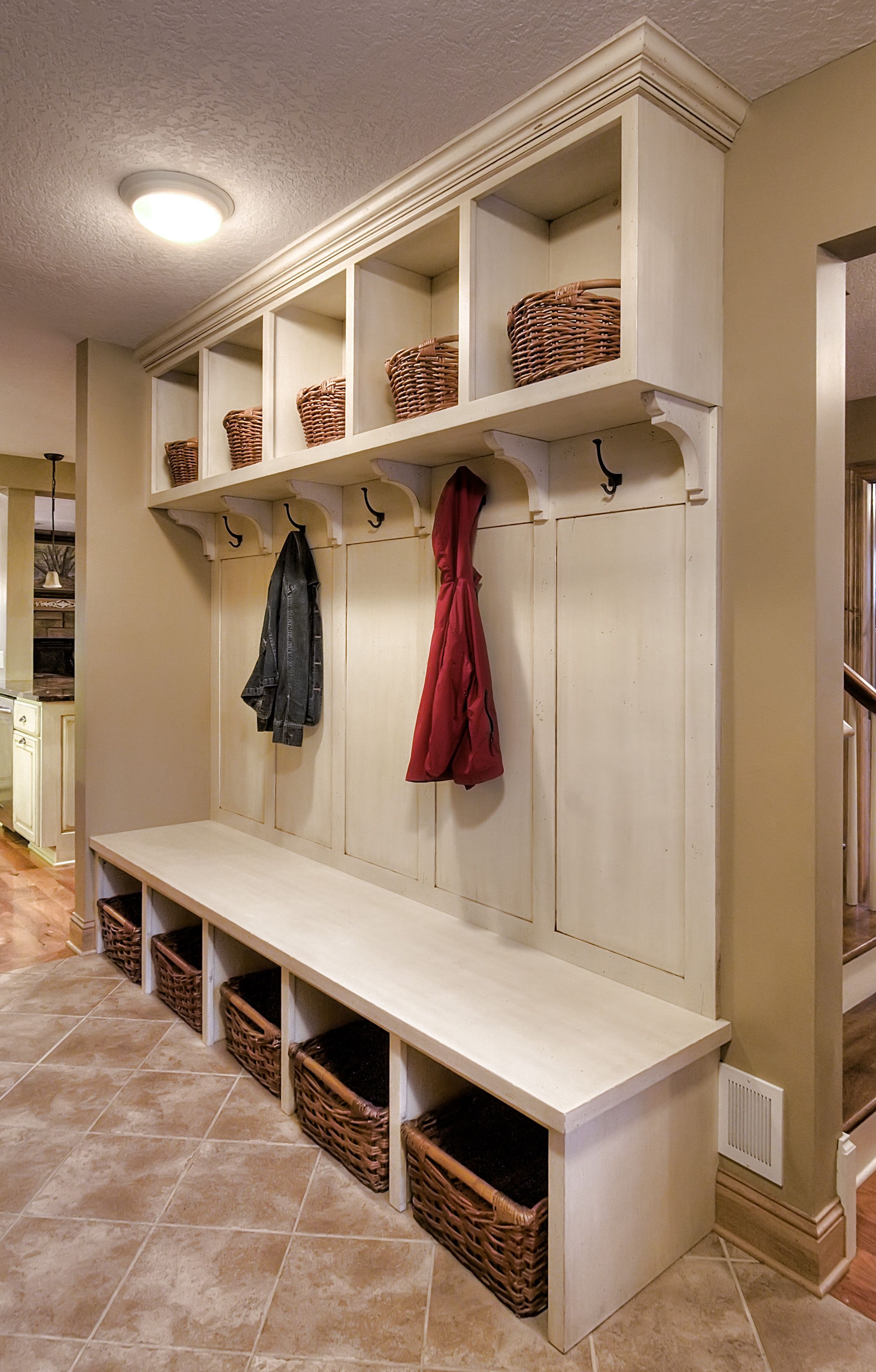
Mudroom Storage Ideas That Keep a Busy Entryway Tidy
Eco-Friendly Solutions for Common Garden Pests
Winter Glow: How Designer-Led Lighting Transforms Cold Spaces into Cozy Retreats

Transform Your Space with These Rug Layering Techniques