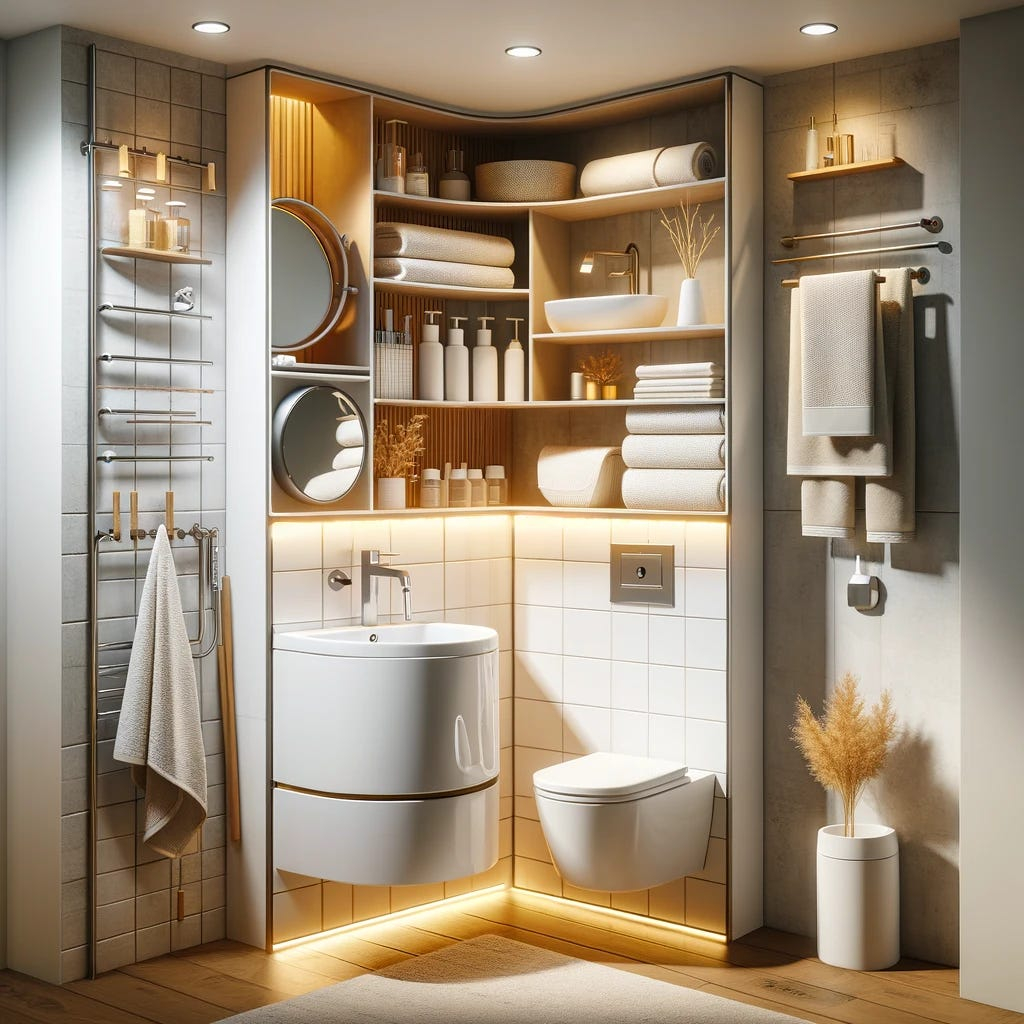
In a world where round and oval shapes dominate bathroom fixtures, there's a quiet revolution happening. Square vitreous china vessels are quietly taking over modern interiors, offering something different. These angular beauties aren't just about looking different – they're about redefining what we expect from our bathroom spaces.
Think about your last bathroom visit. Chances are you saw the same old shapes – round sinks, oval tubs, and classic rectangular vanities. But what if I told you that some of the most exciting design moves in contemporary interiors are coming from the unexpected? Enter square vitreous china vessels. These aren't just bathroom fixtures; they're statement pieces that challenge traditional design norms while delivering practical benefits. They're the kind of element that makes you stop and take notice, even if you're in a hurry to get ready for work. What started as a niche design choice has now become a mainstream favorite among homeowners and designers alike.
The Rise of Angular Design in Modern Spaces
The shift toward geometric shapes in interior design isn't new, but it's gaining serious momentum. Square vitreous china vessels represent this broader trend toward bold, angular elements. Unlike traditional curved designs, these vessels offer clean lines and sharp edges that can instantly transform a space. Consider how a single square vessel can change the entire feel of a bathroom. It's not just about aesthetics – it's about creating visual interest where there was none before. The contrast between soft, flowing bathroom elements and hard, angular fixtures creates a dynamic tension that many find compelling. This isn't just a passing fad; it's part of a larger movement toward more structured, intentional design choices. Many architects and interior designers now view square vessels as essential tools for creating modern, sophisticated spaces that feel both fresh and timeless.
Practical Benefits Beyond Aesthetic Appeal
While the visual impact is undeniable, square vessels offer several practical advantages that make them worth considering. Their shape often provides better storage solutions compared to traditional round designs. The corners can house additional items like toiletries or towels, maximizing space efficiency. Additionally, square vessels tend to be more stable than their rounded counterparts. The wider base creates better balance, reducing the risk of tipping. Many people appreciate that these vessels are easier to clean due to fewer curved surfaces. The flat sides allow for easy wiping, and the smooth edges don't trap dirt or grime the way intricate curves might. The durability factor also stands out – square vessels typically handle daily wear and tear better than more delicate curved designs. Plus, they're often more cost-effective to manufacture, which translates to savings for consumers. The practicality extends beyond the immediate use too – they're easier to move when redecorating and less likely to cause damage during transport.
Material Innovation and Quality Standards
Vitreous china itself represents centuries of refinement in ceramic technology. Modern square vessels utilize advanced manufacturing techniques that ensure consistent quality and durability. The glazing process creates a non-porous surface that resists stains and bacteria growth. This is particularly important in bathroom environments where moisture and cleanliness are constant concerns. High-quality manufacturers test their products rigorously, ensuring that square vessels meet the same standards as traditional round designs. The material's resistance to thermal shock means you won't have to worry about cracking from hot water or temperature changes. Many manufacturers also incorporate antimicrobial properties into their glazes, adding an extra layer of health-conscious thinking to the product. The surface finish can range from matte to glossy, allowing for various design personalities within the same material family. This flexibility in finish options means homeowners can choose the look that best fits their overall aesthetic goals.
Design Flexibility Across Different Bathroom Styles
One of the most impressive aspects of square vitreous china vessels is their adaptability across multiple design styles. In minimalist settings, they provide a clean, geometric counterpoint to simple lines and neutral colors. The sharp angles create visual interest without overwhelming the space. For industrial-style bathrooms, square vessels complement exposed pipes and raw materials beautifully. They add a refined touch that balances the rougher elements. In modern eclectic spaces, these vessels can serve as focal points that tie together various design elements. They work equally well in traditional bathrooms where they can add a contemporary twist to classic designs. The versatility extends to different color palettes too. From crisp whites that brighten small spaces to rich blacks that make dramatic statements, square vessels can fit any color scheme. Some designers even use them as accent pieces in mixed-material bathrooms, pairing them with wood or metal elements for interesting contrasts.
Installation and Maintenance Considerations
Installing square vitreous china vessels requires a bit more careful planning than traditional round designs. The precise measurements matter more because of the angular nature of the pieces. Proper mounting hardware becomes crucial since square vessels rely heavily on secure attachment points. However, once installed correctly, maintenance remains straightforward. Regular cleaning with mild soap and water keeps them looking pristine. The smooth surface resists water spots and mineral buildup better than many alternatives. Some homeowners find that they actually prefer the easier cleaning process compared to traditional round vessels. The lack of intricate curves means no missed spots during cleaning. Most manufacturers provide detailed installation guides, and professional installers are becoming more familiar with these designs. The key is ensuring proper support and alignment from the start. While initial setup might require more attention to detail, the long-term maintenance is generally simpler than expected.
Cost Analysis and Value Proposition
When comparing square vitreous china vessels to traditional options, the price difference isn't always dramatic, but it can vary significantly based on brand and features. Quality square vessels typically cost 15-25% more than standard round designs, but this premium reflects the specialized manufacturing process and design complexity. The investment often pays off in longevity and reduced replacement costs. These vessels are built to last decades with proper care, unlike some cheaper alternatives that might need replacement every few years. Many homeowners find that the design value alone justifies the higher cost, especially in high-end renovations. The resale value of homes featuring quality square vessels tends to be higher, particularly in markets where modern design preferences are strong. Some retailers offer financing options for these premium pieces, making them more accessible to budget-conscious buyers. The overall value proposition improves when considering that these vessels can serve as both functional elements and design statements, potentially eliminating the need for additional decorative pieces.
Square vitreous china vessels represent more than just a design trend – they embody a thoughtful approach to modern interior design that balances form and function. Their growing popularity speaks to a broader shift in how we think about bathroom spaces and home aesthetics. These vessels don't just fill a practical need; they contribute to the overall character and personality of a room. Whether you're renovating a bathroom or simply looking to refresh your space, considering square vitreous china vessels could be one of the most impactful decisions you make. The combination of innovative design, superior materials, and practical benefits makes them a compelling choice for today's homeowners. As more people discover their versatility and charm, we're likely to see these vessels become even more prevalent in modern interiors. The key is understanding that they're not just about looking different – they're about creating spaces that feel intentional, well-designed, and uniquely personal.
Related Posts
How Ceramic Vessel Sinks Enhance Bathroom Aesthetics and Functionality
Design and Durability Analysis of the Kingston Brass GLTS37225 Brushed Basin
Choosing the Perfect Small Undermount Sink for Your Home Decor
Material Durability and Maintenance of Kingston Brass VPB24187W4 Ceramic Sink
Expert Insights on Choosing the Right Sink for Your Bathroom Renovation