Picture this: you're sitting in your living room, looking around at furniture that adapts to your changing needs. No more fighting with rigid layouts or feeling stuck with one-size-fits-all solutions. That's the power of modular design – it's transforming how we think about our most important living space.
When you think about your living room, what comes to mind? Is it the cozy corner where you read, the spot where friends gather, or maybe the place where you unwind after a long day? For many people, the living room is the heart of their home. But let's be honest – it's also one of the most challenging areas to design. You want it to be functional, beautiful, and flexible enough to change with your life. Enter modular design. This approach isn't just another trend – it's a fundamental shift in how we approach interior spaces. It's about creating solutions that grow with you, rather than forcing you to fit into predetermined boxes.
What Exactly is Modular Design?
Modular design sounds fancy, but it's actually quite straightforward. Think of it like building blocks – instead of buying a sofa that's too big for your space or a coffee table that doesn't match anything else, you get pieces that can be mixed and matched. Each component serves a purpose, but they work together to create something larger than the sum of its parts.
The beauty lies in its flexibility. You might start with a basic configuration, then add sections as your needs change. Want more seating for family gatherings? Add a module. Need a dedicated space for your home office? Another piece can be incorporated seamlessly. It's like having a living room that can evolve with you.
Consider a modular sofa system. These typically come with individual seats that can be arranged in various configurations – L-shapes, straight lines, or U-forms. You can even add ottomans, side tables, or even storage units to complete the setup. The key is that each piece is designed to connect easily with others, creating endless possibilities for customization.
The Psychology Behind Flexible Spaces
There's more to modular design than just aesthetics – there's psychology involved. When you have control over your environment, it affects how you feel and behave within it. A space that adapts to your mood or activities creates a stronger emotional connection.
Research shows that people feel more comfortable and productive in environments they can customize. Think about it – when you're constantly rearranging things to suit different purposes, you're essentially designing your own personal sanctuary. The freedom to change your layout means you're not limited by what's already there.
This adaptability also reduces stress. Instead of feeling constrained by fixed furniture arrangements, you can easily adjust everything to suit the moment. Want to host a dinner party? Rearrange your modules to create a conversation area. Planning a quiet evening? Pull some pieces closer together for intimacy. The mental flexibility translates directly into physical comfort.
Real-World Benefits for Everyday Life
Let's talk about the practical advantages that make modular design so appealing:
• Space optimization: Especially important in smaller homes or apartments, modular pieces can maximize every inch while still providing comfort and style. • Cost efficiency: Rather than buying an entire new set when your needs change, you can simply add or remove components. • Easy maintenance: Individual pieces can be replaced or cleaned without affecting the whole system. • Future-proofing: As trends evolve or your lifestyle changes, modular systems can be updated without starting from scratch.
Take the example of a young professional who moves into their first apartment. They might start with just a couple of modular seats and a small side table. Six months later, when they decide to start entertaining more often, they can add more seating and perhaps a coffee table. Years later, when they're ready to start a family, they might modify the arrangement to accommodate kids' playtime or create a reading nook.
This isn't just about convenience – it's about creating a space that truly serves you.
Design Flexibility Across Different Room Sizes
One of the most impressive aspects of modular design is its scalability. Whether you're working with a tiny studio or a spacious open-concept living area, there are solutions that can make a difference.
In smaller spaces, modular systems become essential. They allow you to create multiple zones within one area. A modular sofa can define a reading corner while also serving as a seating area for watching TV. You might use a small modular unit as a side table, then move it elsewhere when you need more space.
Larger rooms benefit from modular design by allowing you to break up big open spaces into more intimate areas. Instead of having one massive sofa taking up half the wall, you could have a modular arrangement that creates distinct zones for different activities.
The key is understanding that modular pieces aren't just about adding more furniture – they're about creating a better relationship between furniture and the space it occupies. You're not just filling a room; you're shaping it.
Materials and Durability Considerations
Not all modular designs are created equal, and that's okay. Different materials offer different benefits, and choosing the right ones depends on your lifestyle and priorities.
For families with children or pets, durability becomes paramount. Look for modular pieces made from materials like microfiber or performance fabrics that resist stains and wear. Solid wood frames provide strength and longevity, while metal or plastic components offer lighter weight options.
The construction quality matters too. Good modular systems use connectors that are strong enough to hold the pieces together securely, but also easy enough for you to reconfigure them yourself. Some systems feature hidden mechanisms that keep the aesthetic clean while maintaining structural integrity.
Think about how often you'll be moving things around. If you're someone who likes to experiment with layouts regularly, you'll want materials that won't wear down quickly from frequent assembly and disassembly. On the other hand, if you prefer stability and permanence, you might lean toward heavier, more robust materials.
Smart Integration and Modern Technology
Today's modular design isn't just about physical pieces – it's about smart integration. Many modern modular systems incorporate technology to enhance functionality.
Some modular sofas now include built-in charging ports, USB connections, or even wireless charging surfaces. Others have integrated LED lighting that can be controlled via smartphone apps. Storage compartments might feature hidden compartments for electronics or books.
The smartest modular systems consider how people actually live today. They anticipate needs before they arise. For instance, a modular entertainment center might include adjustable shelving that can accommodate different sizes of TVs or devices. The ability to add or remove components as technology evolves ensures that your investment stays current.
These technological elements don't compromise the aesthetic appeal. Instead, they blend seamlessly into the overall design, making the system both functional and future-ready.
Modular design represents more than just a design philosophy – it's a response to the realities of modern life. We're living in an era where our needs change frequently, our spaces must serve multiple purposes, and we want to feel in control of our environment. Modular systems meet all these demands with elegance and practicality.
Whether you're a young professional navigating a small apartment, a growing family needing adaptable furniture, or someone who simply values flexibility, modular design offers solutions that work with your life rather than against it. The investment isn't just in furniture – it's in creating a living space that grows with you.
The next time you look at your living room, think about what could be more adaptable, more personal, more yours. Maybe it's time to explore modular options that could transform not just your space, but your entire approach to home living. After all, your home should be a reflection of how you live, not how you're supposed to live.


Related Posts
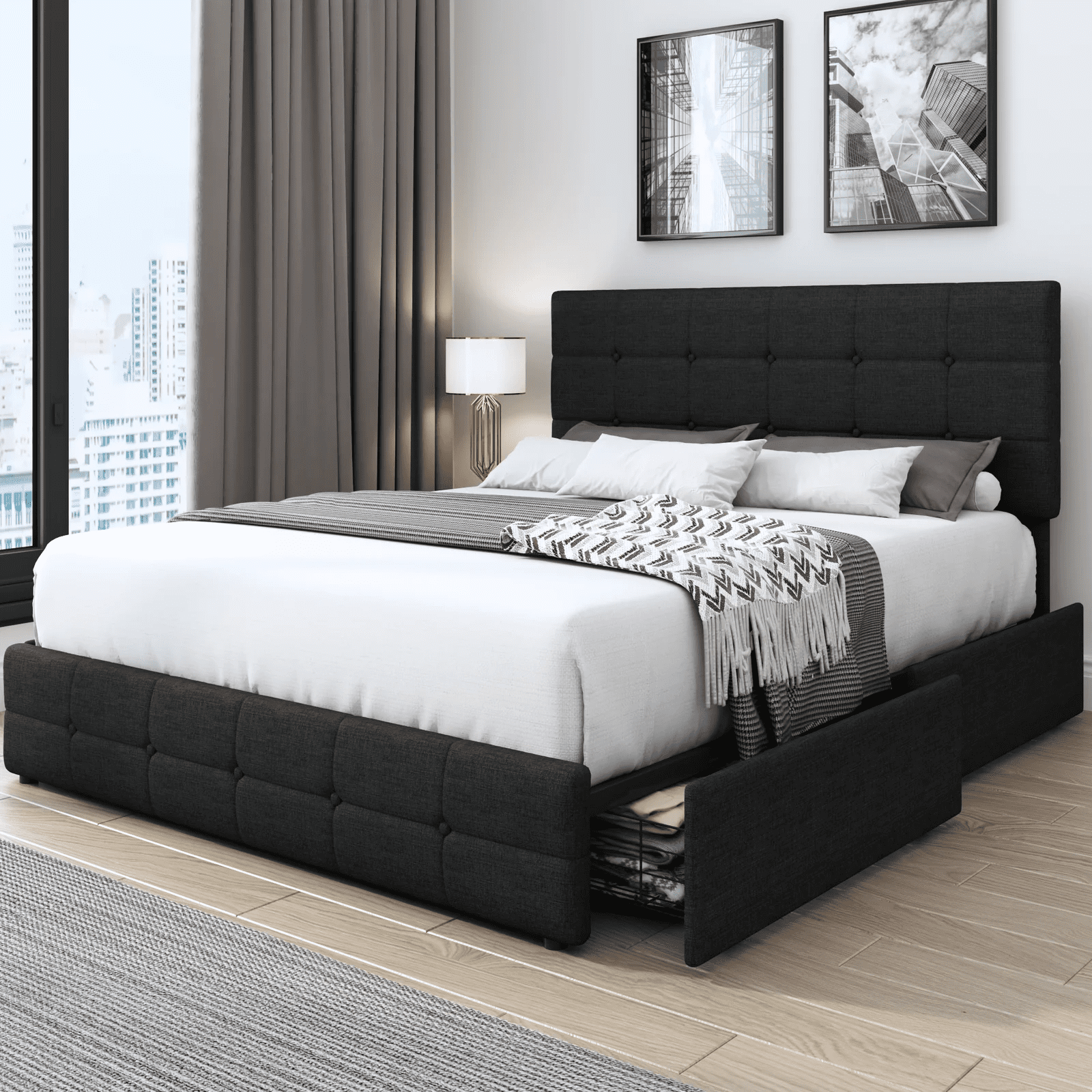
Platform Bed Frame Mistakes People Make and How to Avoid Them
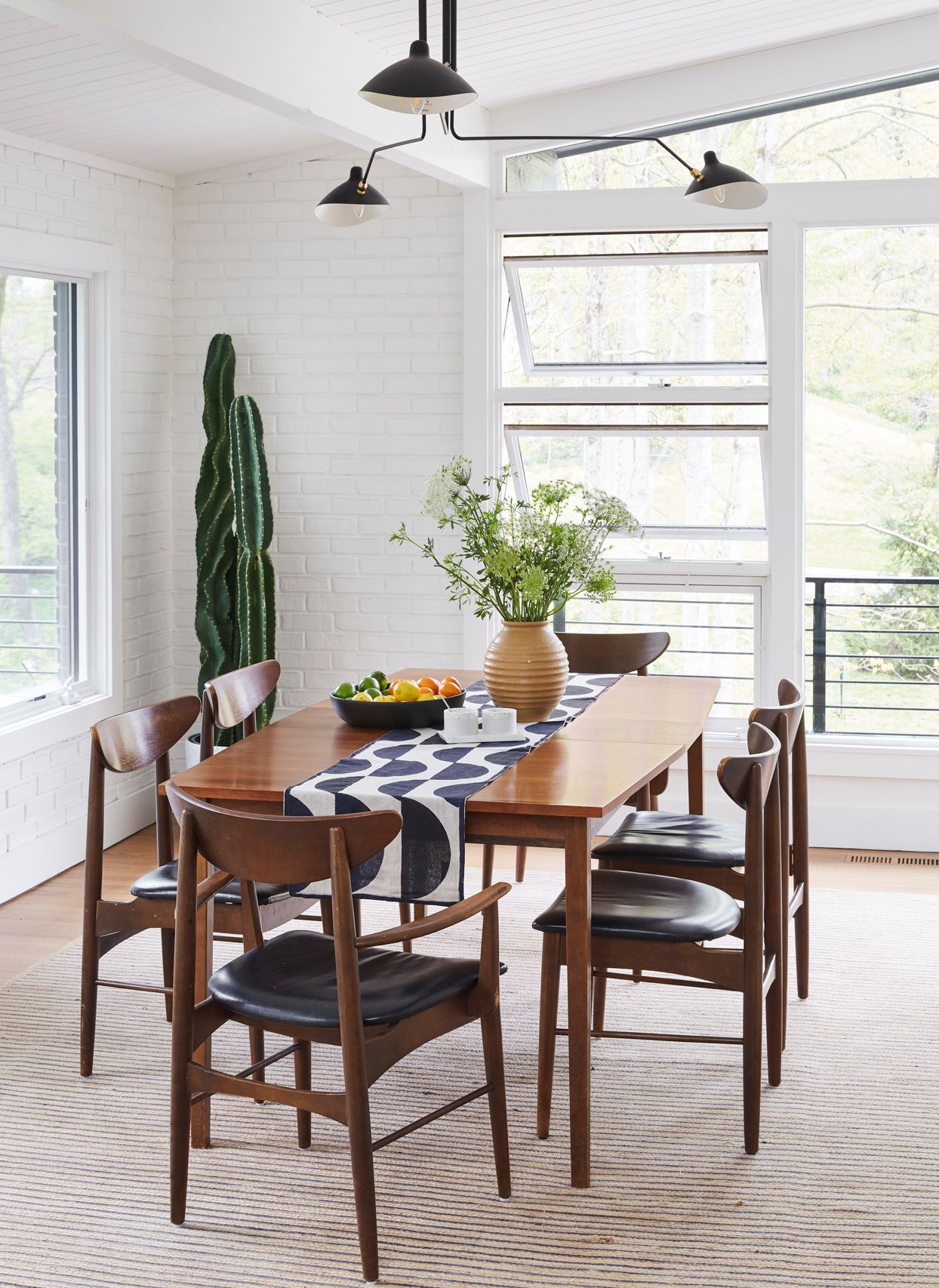
Dining Table Ideas for Homes That Need Space, Style, and Function
 Furniture
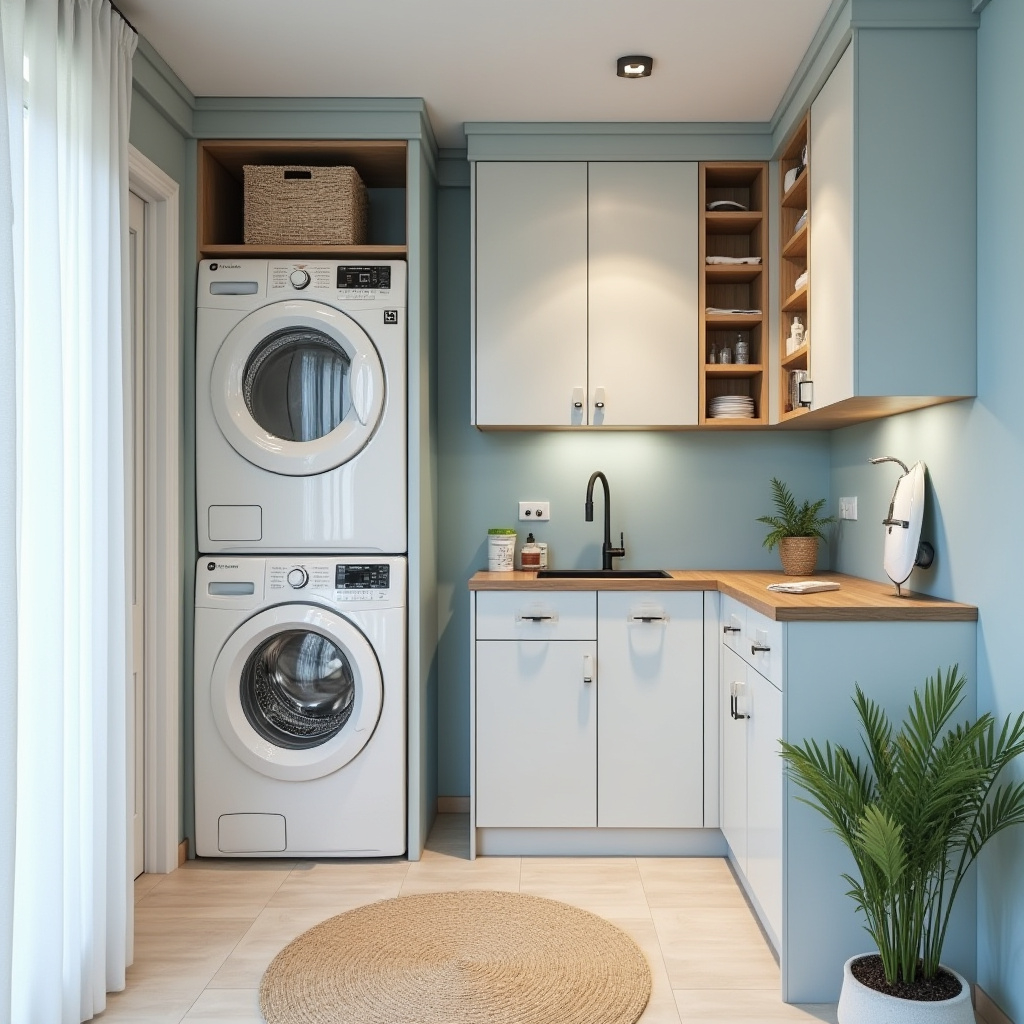
 How to Apply Blue Prince Star Treatment to Your Laundry Room
 Furniture
 Designing the Perfect Small Laundry Room Without Sacrificing Functionality
 Furniture
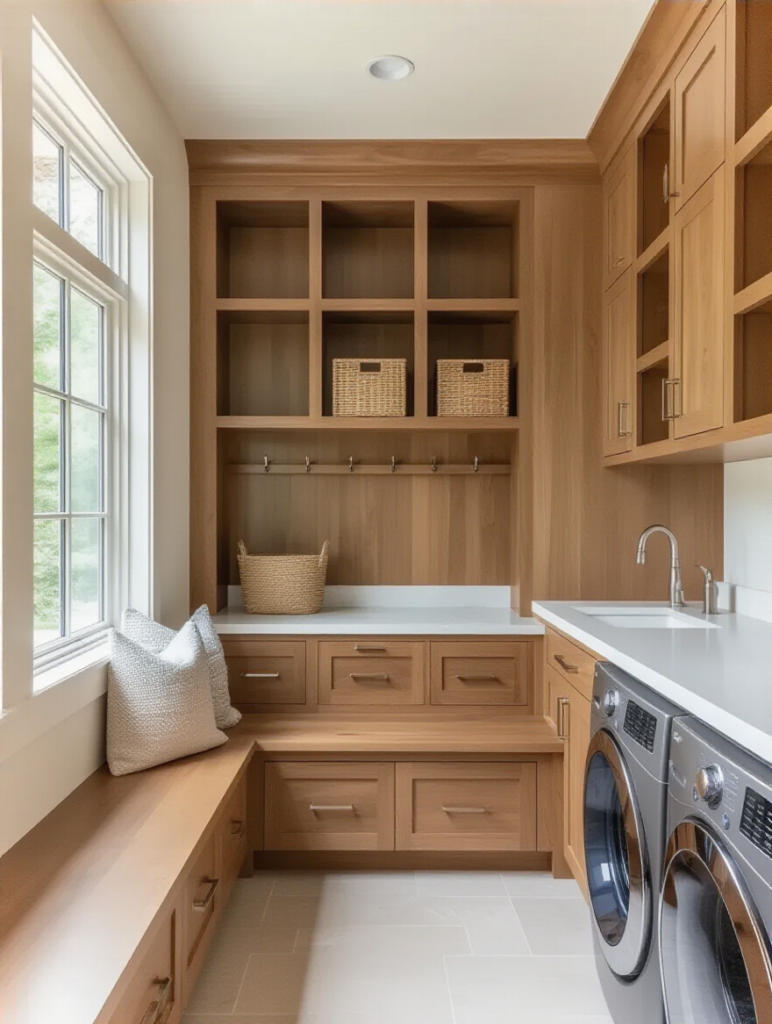
 Building a seamless workflow in your laundry room with proper sink design
 Furniture