Every time you step onto a stunning stonelook porcelain floor, you're experiencing centuries of craftsmanship refined into modern innovation. These tiles aren't just functional surfaces - they're masterpieces that blend ancient wisdom with cutting-edge technology. What makes them truly special isn't just their appearance, but the meticulous process that transforms humble clay into architectural art.
Stonelook porcelain tiles represent the pinnacle of ceramic excellence, combining the timeless beauty of natural stone with the durability and versatility that modern life demands. But behind every perfectly aligned tile lies a story of dedication, skill, and tradition passed down through generations. These aren't mass-produced items - they're crafted with the same care and attention that goes into creating fine art. Whether you're admiring a kitchen backsplash or walking across a luxury bathroom floor, you're witnessing the result of countless hours of precise work by artisans who understand that true excellence comes from understanding both the materials and the methods.
The Foundation: Selecting the Perfect Raw Materials
The journey begins long before any firing occurs. Quality starts with the raw ingredients themselves. Artisans carefully choose clays that have the right mineral composition to achieve the desired texture and strength. They look for clays that contain the perfect balance of silica, alumina, and other essential minerals. Think of it like choosing the finest wine grapes - the base material determines everything that follows.
Consider how different regions produce varying qualities of clay. Some areas yield clays that are naturally more plastic and workable, while others offer minerals that create unique color variations. The selection process involves testing samples for consistency, examining particle sizes, and ensuring that each batch meets strict quality standards. This initial choice sets the stage for everything that happens next.
The minerals used in stonelook tiles often include feldspar, which provides the glassy finish, and kaolin clay, which creates the smooth surface. Some craftspeople even add small amounts of iron oxide for deeper tones or titanium dioxide for brighter whites. It's not just about mixing ingredients - it's about understanding how each component will behave during the firing process.
The Ancient Ritual: Hand-Molding and Shaping Techniques
While modern machinery handles much of the production today, many high-end stonelook tiles still incorporate traditional hand-shaping methods. This isn't just for show - there's real value in the tactile connection between artisan and material. When a craftsman holds a piece of clay in their hands, they can feel its consistency, moisture levels, and subtle variations that machines simply cannot detect.
Some master craftsmen still shape individual tiles by hand, using techniques that have been perfected over hundreds of years. They press the clay into molds with careful pressure, then use specialized tools to create the characteristic textures that mimic natural stone. The way they handle the clay affects how it dries and how it will fire.
This process requires incredible patience and practice. A single tile might take several minutes to shape properly, and experienced artisans can tell within seconds whether a piece will turn out correctly. They've learned to read the clay's behavior, recognizing when it needs more moisture or when it's ready to move to the next stage. The result? Tiles that have a subtle irregularity that makes them look more natural than anything produced by purely mechanical means.
The Crucial Dance: Firing and Temperature Control
Perhaps nowhere else in the process does the magic happen quite like it does in the kiln. Firing is where clay transforms into ceramic, and for stonelook tiles, it's a delicate balance of heat and timing. Temperatures can reach over 1,200 degrees Celsius, and even small changes can dramatically affect the final product.
Artisans must monitor the kiln constantly, adjusting temperatures based on how the tiles react. They watch for signs of warping, color changes, and surface characteristics that indicate the firing is progressing correctly. Some tiles might need to be fired slowly to prevent cracking, while others benefit from rapid heating followed by gradual cooling.
The atmosphere inside the kiln matters too. Oxygen levels and the presence of certain gases can change how colors develop. Some craftsmen even add specific chemicals to create unique effects. The firing process alone can take anywhere from 12 to 48 hours, depending on the size and complexity of the tiles being produced.
During this critical phase, skilled operators know exactly when to open vents, adjust fuel levels, and make tiny adjustments that ensure each tile emerges with the exact characteristics desired. It's like conducting an orchestra where every note must be perfectly timed.
The Final Touches: Surface Treatment and Finishing
Once the tiles have cooled, the real artistry begins. Many stonelook tiles undergo additional treatments that give them their distinctive appearance. Sandblasting, for example, creates the rough texture that mimics natural stone. The intensity and duration of this treatment affects the final look dramatically.
Some artisans use specialized brushes and tools to create subtle variations in texture that make each tile unique. These touches are often done by hand, ensuring no two tiles are exactly alike. The variation adds character and authenticity that machine-made alternatives simply cannot match.
Polishing techniques also play a crucial role. Some tiles receive multiple polishing passes to achieve the perfect sheen, while others are left with a more matte finish. The choice depends on the intended application and desired aesthetic. The finishing process requires incredible skill because even the smallest mistake can ruin an entire batch.
Quality control is paramount during this stage. Each tile is inspected for defects, consistency in color, and proper texture. This is where the difference between good and exceptional becomes clear - the attention to detail in finishing determines whether a tile looks manufactured or like it belongs in a museum.
The Human Element: Why Craft Matters in Modern Manufacturing
What sets artisan-made stonelook tiles apart isn't just the technical aspects - it's the human element. Each tile carries the mark of someone who took pride in their work. When you see the slight imperfections in a tile, you're seeing evidence of human touch rather than mechanical perfection.
These imperfections aren't flaws - they're features that make the tiles feel alive. Natural stone never has perfectly uniform edges or flawless surfaces, and the best stonelook tiles capture this organic quality. The artisans who create them understand that perfection isn't always desirable.
Many craftsmen spend years learning their trade, often starting with basic tasks and gradually mastering increasingly complex techniques. The knowledge they accumulate isn't just about following recipes - it's about understanding intuition and developing a sense of what works and what doesn't. This experience allows them to solve problems that automated systems simply cannot anticipate.
In an age where everything seems mass-produced, the artisan approach offers something precious: authenticity. Every tile tells a story about the person who made it, the conditions under which it was created, and the care taken in every step of the process.
Preserving Tradition While Embracing Innovation
Today's stonelook tile makers face the challenge of maintaining traditional techniques while adapting to modern demands. They must balance customer expectations for consistency with the desire for authentic character. This balancing act requires constant innovation and creative problem-solving.
Some facilities combine traditional hand-finishing with computer-controlled machinery for efficiency. Others use advanced monitoring systems to track kiln temperatures precisely while still relying on human judgment for final quality assessments. The goal remains the same: to create tiles that are both beautiful and durable.
Training new generations of craftsmen presents its own challenges. The skills required for stonelook tile making are complex and time-consuming to learn. Young artisans must understand not just the technical aspects but also the artistic vision behind each piece. This education process often takes years to complete properly.
The future of stonelook porcelain lies in this careful balance between honoring the past and embracing the future. As new technologies emerge, the core principles remain unchanged: respect for materials, dedication to quality, and passion for the craft. The best stonelook tiles continue to be those where traditional wisdom meets modern precision.
The creation of exceptional stonelook porcelain tiles is more than just manufacturing - it's an art form that connects us to centuries of human creativity and skill. Every tile represents countless hours of learning, practice, and dedication by artisans who understand that true excellence comes from respecting both materials and methods. When you choose stonelook porcelain, you're selecting more than just a flooring option - you're investing in a legacy of craftsmanship that brings beauty and durability to spaces around the world. The next time you admire a stunning tile installation, remember that behind every perfect surface lies a story of human dedication and artistic vision that spans generations. These aren't just tiles - they're the result of passionate individuals who refuse to settle for anything less than extraordinary.


Related Posts

Kitchen Island vs Peninsula Compared for Flow Storage and Everyday Use
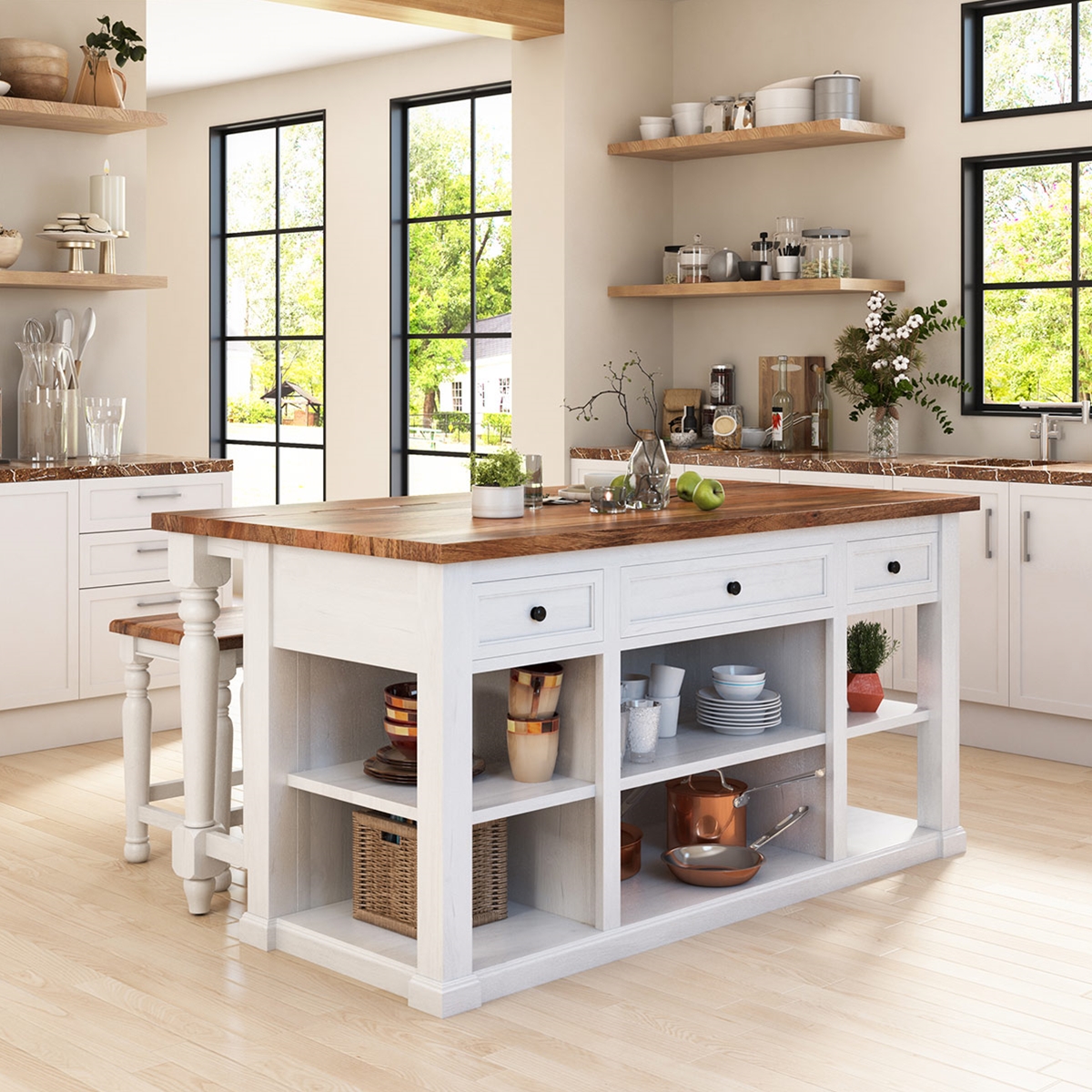
Smarter Ways to Plan a Functional Kitchen Island for Modern Living in 2026

How to Layer Kitchen Island Lighting for Both Cooking and Gathering
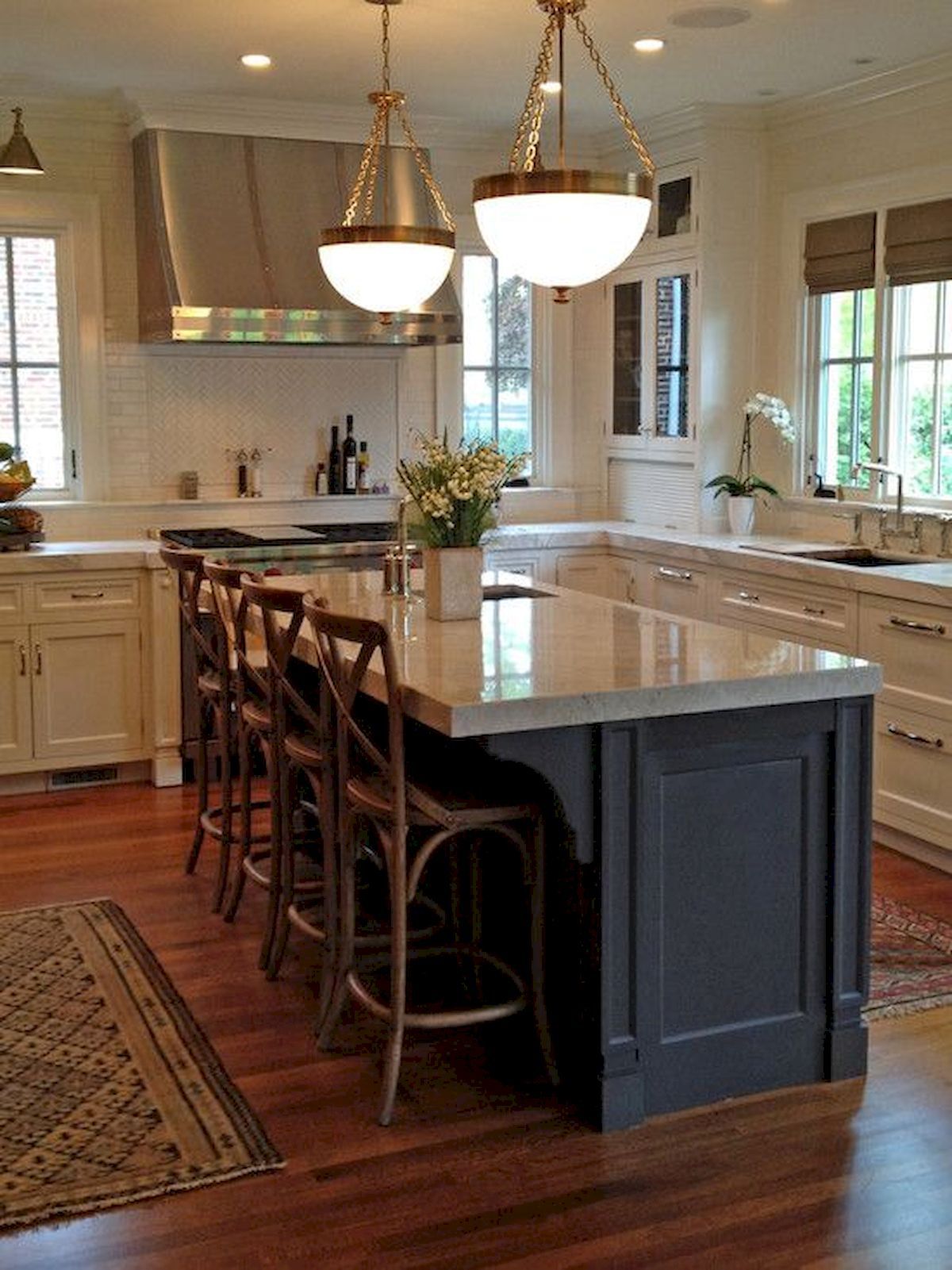
Rethinking Your Kitchen Island Layout With Ideas Grounded in Real Everyday Use

The practical benefits of using 24x48 porcelain stone effect tiles in homes