There's something undeniably magical about a vanity that combines the natural beauty of floral patterns with the sophisticated durability of Calacatta white quartz. These surfaces transform any bathroom into a sanctuary of style and functionality. But how do you truly appreciate and maintain such a remarkable feature? Let's explore the art of caring for these exquisite vanity surfaces.
When you think of luxury bathroom design, few materials command as much attention as Calacatta white quartz. Its distinctive veining and natural beauty have made it a favorite among designers and homeowners alike. The combination of this premium material with floral vanity designs creates a unique aesthetic that speaks to both sophistication and personal expression. However, with great beauty comes the responsibility of proper care and maintenance. Understanding how to nurture these surfaces ensures they continue to shine for decades to come.
The Natural Appeal of Calacatta White Quartz
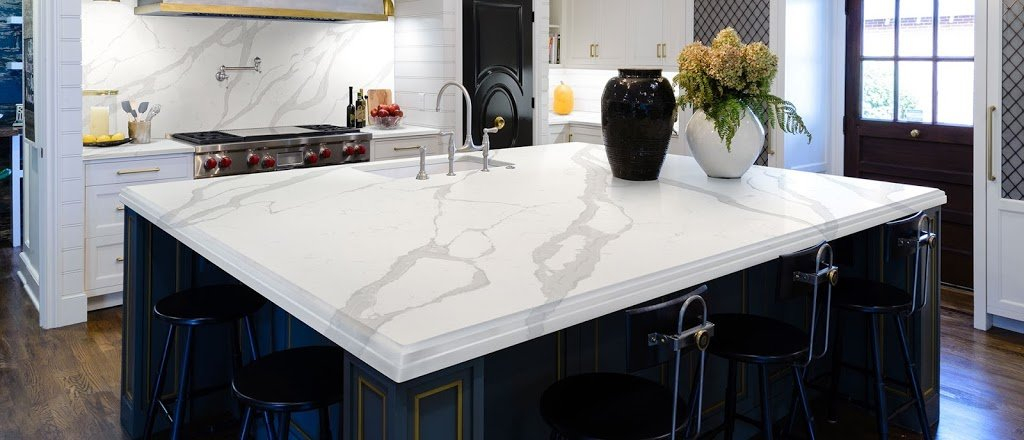
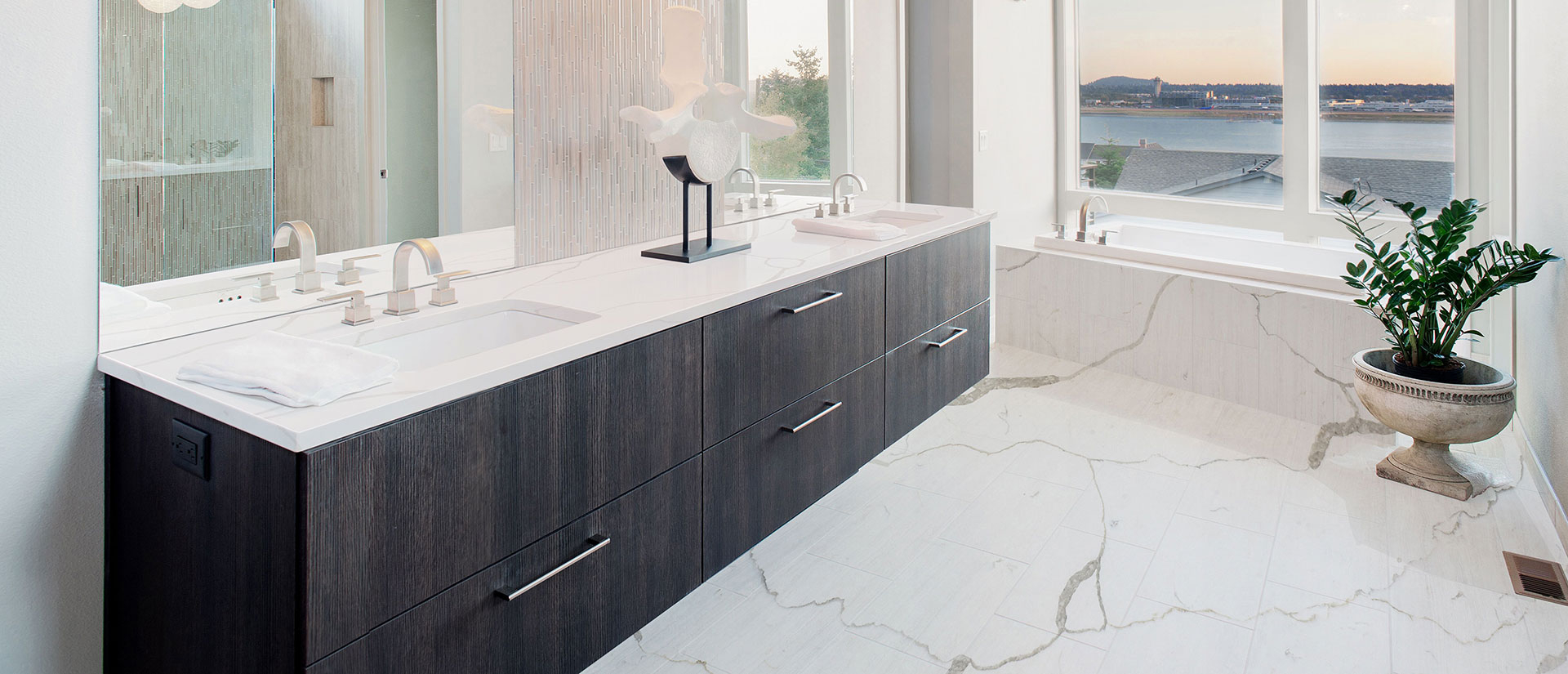
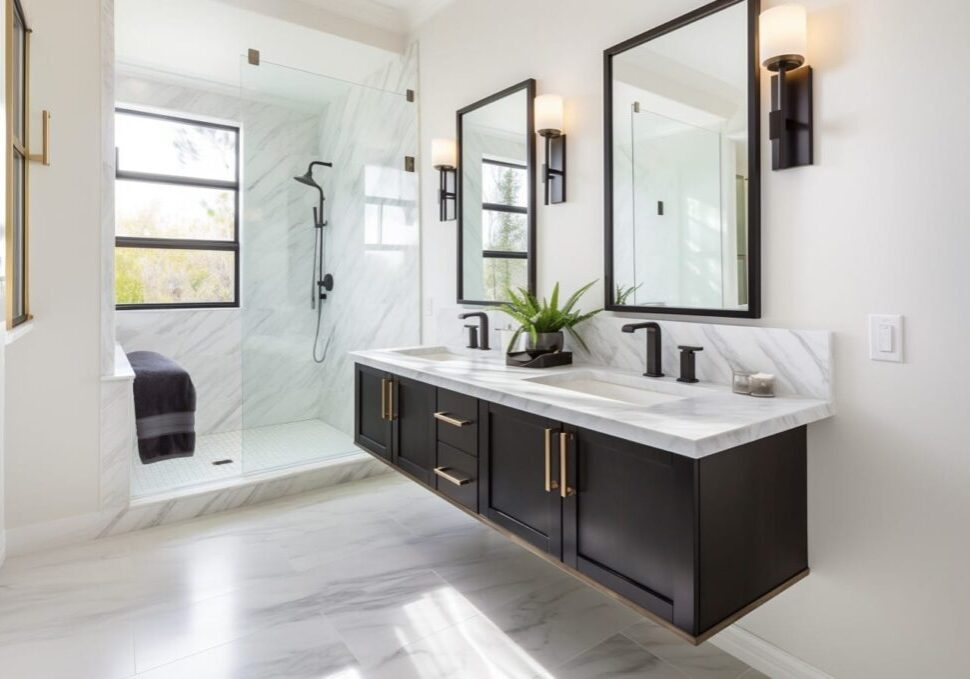
Calacatta white quartz isn't just another countertop option—it's a statement piece. This stone features bold, dramatic veining that varies from subtle to striking, creating a natural pattern that no two pieces will exactly match. The mineral composition gives it its characteristic lustrous appearance and exceptional durability.
What makes Calacatta particularly special is its rarity. It's a high-end marble variant that's found primarily in Italy, contributing to its premium status. The veins often appear in contrasting white and gray tones, sometimes with golden accents that catch the light beautifully. When used in vanity applications, this stone brings an air of sophistication that elevates any space.
The floral vanity concept adds another layer of personality. Imagine a surface where delicate botanical motifs are seamlessly integrated with the natural flow of the stone's veining. This creates a harmonious balance between structured design elements and organic beauty.
Understanding Floral Vanity Design Elements
Floral vanity designs go beyond simple decoration—they're carefully crafted to enhance both form and function. These designs often incorporate actual floral patterns that can range from realistic botanical prints to abstract interpretations. The key is ensuring these patterns complement rather than compete with the stone's natural characteristics.
Many floral vanities feature hand-carved elements that highlight the stone's natural beauty. Some manufacturers use techniques like waterjet cutting or laser engraving to create precise floral details that follow the stone's natural grain patterns. Others might integrate actual flower petals or leaves into the design through specialized casting processes.
Consider how the floral elements interact with the stone's veining. A well-designed floral vanity will guide the eye along the natural flow of the stone, creating visual harmony rather than disruption. The contrast between the soft floral motifs and the bold stone patterns can create a stunning focal point that draws attention while maintaining elegance.
Maintenance Basics for Quartz Surfaces
Proper care starts with understanding what makes quartz different from natural stone. While quartz is incredibly durable, it still requires thoughtful maintenance to preserve its appearance and longevity. Unlike natural marble, quartz doesn't require sealing because it's engineered with polymer resins that make it non-porous.
Regular cleaning with mild soap and water is usually sufficient for daily maintenance. The key is avoiding harsh chemicals that could damage the surface. Abrasive cleaners or those containing bleach should be avoided as they can dull the finish or cause discoloration.
For routine upkeep, use a soft cloth or sponge with gentle cleaning solutions. Pay extra attention to areas around fixtures where moisture might accumulate. These spots are prone to water marks if not properly dried after use.
It's also important to note that while quartz is scratch-resistant, it's not completely immune to damage. Always use cutting boards when preparing food near the vanity area, and avoid dragging heavy objects across the surface.
Dealing with Stains and Spills
Despite its durability, quartz can still encounter issues with stains and spills. The most common problems arise from acidic substances like citrus juices, wine, or coffee. These can potentially etch the surface if left unattended for extended periods.
Immediate action is crucial when dealing with spills. Blot up any liquid immediately with a clean towel rather than wiping, which can spread the stain further. For stubborn marks, a paste made from baking soda and water can be effective. Apply gently and then wipe clean with a damp cloth.
For oil-based stains, a small amount of rubbing alcohol applied with a cotton swab can work wonders. Be sure to test this method on a hidden area first to ensure no adverse reactions occur. Professional cleaning products specifically designed for quartz surfaces are also available and can provide additional peace of mind.
Remember that prevention is better than cure. Wiping down the surface regularly and addressing spills promptly will keep your vanity looking pristine for years to come.
Protecting Against Heat and Impact
While quartz is heat resistant, it's not immune to thermal shock. Placing very hot items directly on the surface can cause cracking or discoloration. Always use trivets or hot pads when placing heated items on your vanity.
The same principle applies to impact damage. Though quartz is tough, dropping heavy objects or using it as a work surface for tasks like chopping vegetables can cause chips or cracks. Consider installing protective measures like backsplashes or edge guards to minimize potential damage.
Regular inspection of the vanity surface can help catch small issues before they become major problems. Look for any signs of chipping, scratching, or discoloration that might indicate wear. Early detection allows for easier repair and prevents further damage.
Professional maintenance services can also be beneficial for deeper cleaning or repair work. Many reputable companies offer periodic check-ups that can extend the life of your vanity and maintain its showroom-quality appearance.
Long-Term Care Strategies
Building a maintenance routine that works for your lifestyle is essential for keeping your floral vanity looking its best. A weekly cleaning schedule that includes dusting and wiping down the surface can prevent buildup of dirt and oils that might affect the finish.
Consider investing in quality cleaning supplies specifically formulated for quartz surfaces. These products are designed to be gentle yet effective, helping maintain the stone's natural luster without causing damage.
For those with children or pets, extra precautions may be necessary. Using coasters for drinks and placing protective mats under frequently moved items can prevent scratches and dents. Some homeowners also choose to apply a specialized protective coating that provides an extra layer of defense against everyday wear.
Regular professional cleaning every six months to a year can make a significant difference in maintaining the vanity's appearance. Professionals have access to equipment and products that home users might not have, ensuring thorough cleaning and maintenance.
A floral vanity featuring Calacatta white quartz represents more than just a bathroom fixture—it's a testament to careful design and quality craftsmanship. Understanding how to properly care for these surfaces ensures they continue to provide beauty and functionality for many years. By combining regular maintenance with mindful usage, you can preserve the stunning appearance of your vanity while enjoying its luxurious benefits.
The investment in proper care pays dividends in both aesthetics and longevity. Whether you're new to quartz or a seasoned owner, these principles provide a foundation for maintaining your vanity's beauty. Remember that taking time for routine care is an investment in your home's overall appeal and value. With thoughtful attention, your floral vanity will remain a centerpiece of elegance and sophistication for generations to come.

Related Posts
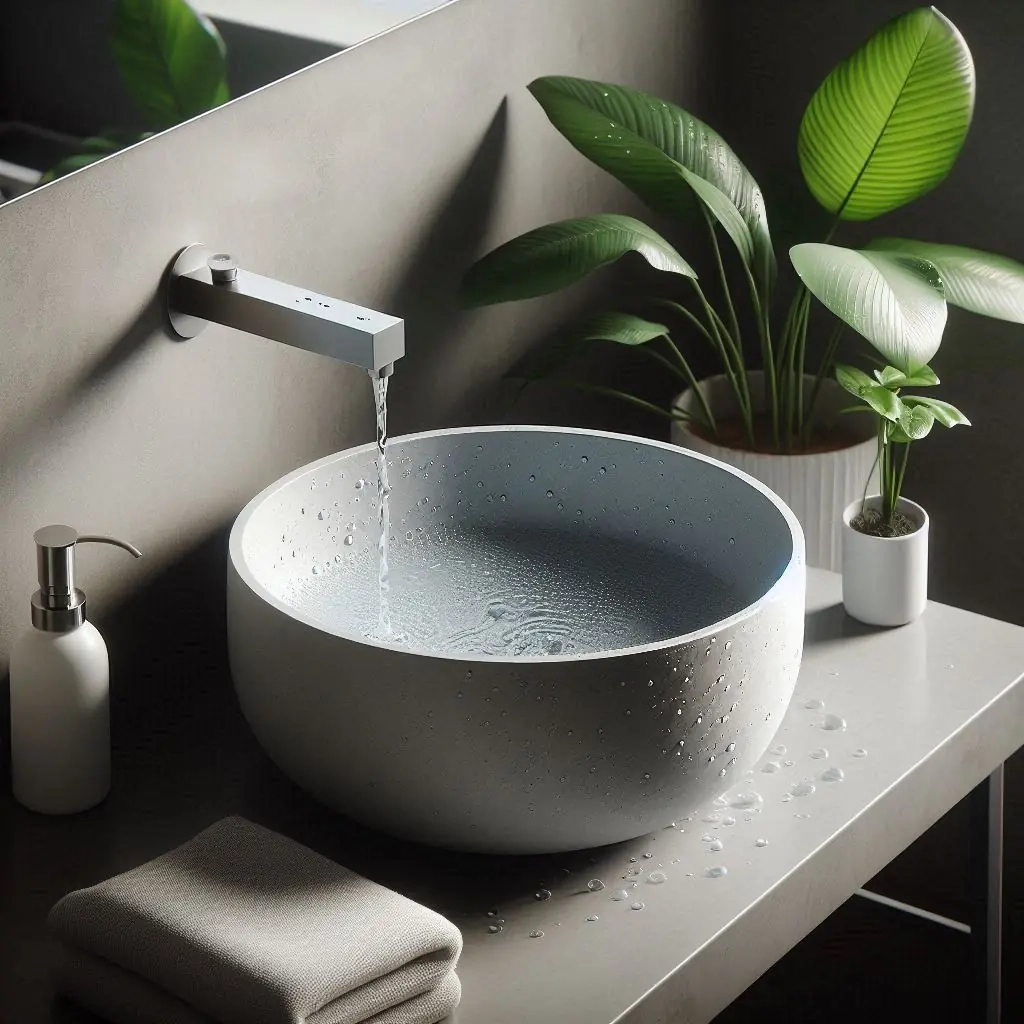
How Ceramic Vessel Sinks Enhance Bathroom Aesthetics and Functionality
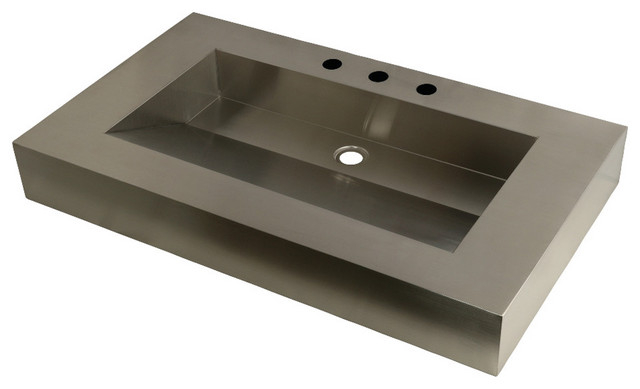
Design and Durability Analysis of the Kingston Brass GLTS37225 Brushed Basin
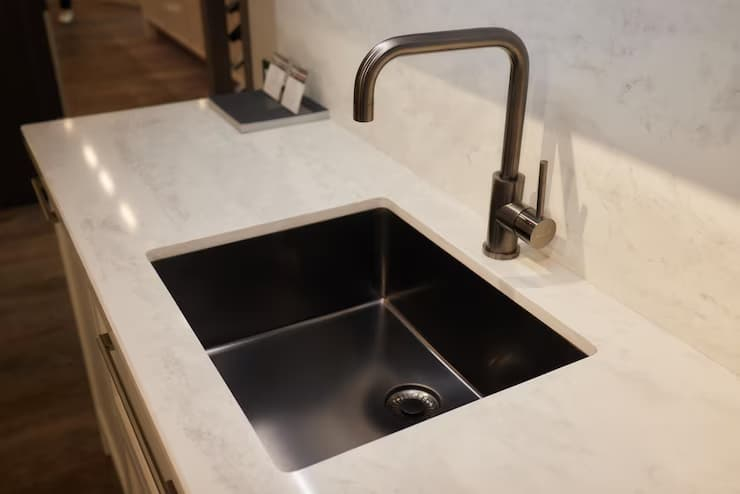
Choosing the Perfect Small Undermount Sink for Your Home Decor
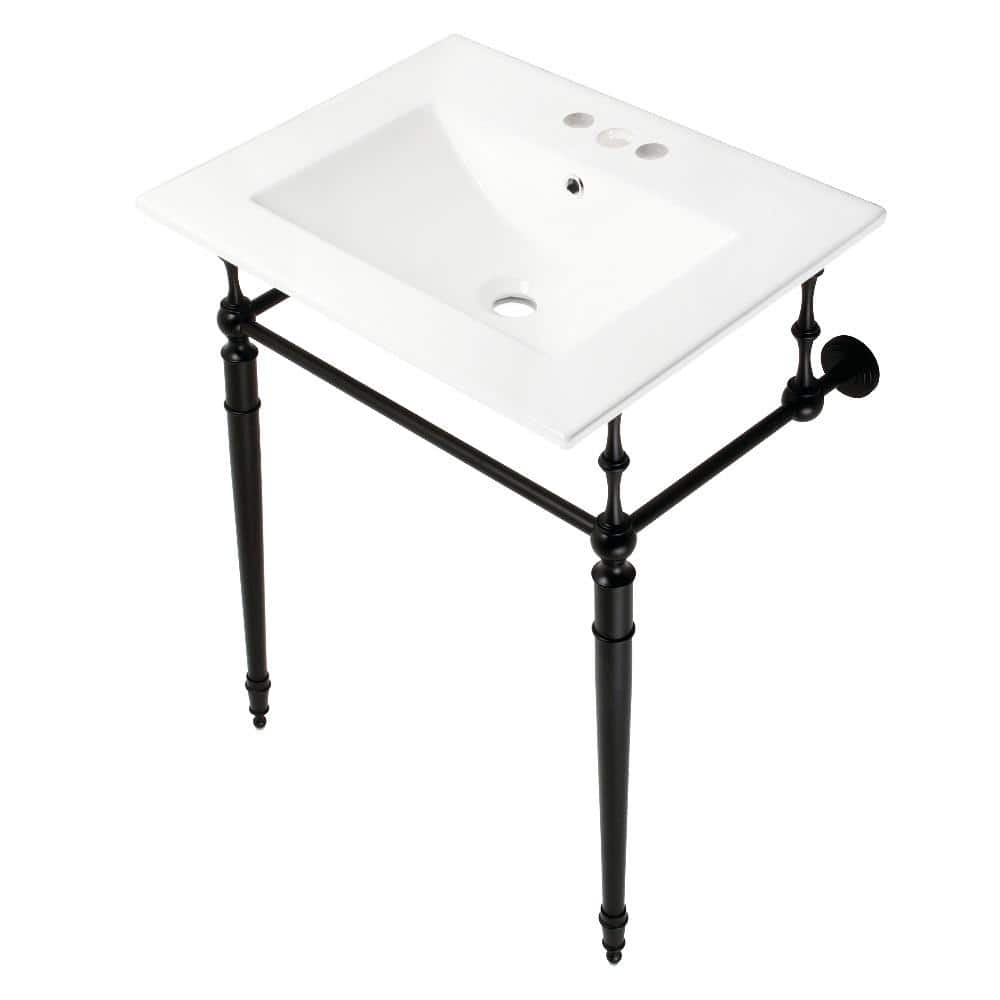
Material Durability and Maintenance of Kingston Brass VPB24187W4 Ceramic Sink
Expert Insights on Choosing the Right Sink for Your Bathroom Renovation