There's something deeply comforting about a space that wraps you in warmth, isn't there? Whether you're coming home after a long day or settling in for a quiet evening, the colors around us play a powerful role in how we feel. When we talk about layering warm tones, we're not just talking about paint colors or throw pillows. We're discussing the emotional landscape of our living spaces, the way colors can influence our moods, and how to strategically combine them to create environments that nurture our well-being.
Think about the last time you walked into a room that instantly made you feel relaxed. Maybe it was the golden glow of sunset streaming through curtains, or the rich amber tones of a leather chair that seemed to invite you to sink in. These moments remind us that color isn't just decoration—it's a form of communication. It speaks to our emotions, our memories, and our sense of comfort. Layering warm tones in your home isn't just about aesthetics; it's about creating spaces that support your mental health and daily rhythms. This approach to color combines several elements, from the foundational hues of walls to the accent pieces that bring depth and interest to a room. It's a subtle dance between light and shadow, between the bold and the gentle, all working together to produce that coveted feeling of calm.
Understanding the Foundation of Warm Colors
Before diving into how to layer these tones, it's important to understand what makes a color warm. Warm colors typically include reds, oranges, yellows, and their various combinations. These hues are associated with fire, sunlight, and the warmth of the earth itself. They naturally draw attention and create a sense of intimacy and coziness. In a home environment, starting with a warm base layer is essential. This might mean choosing wall colors that lean toward beige, warm cream, or soft terracotta. These foundational tones act like the skin of a painting, providing a canvas upon which the rest of your color story can unfold. Consider a room painted in warm taupe or soft ochre. These colors have enough personality to be interesting, yet they're neutral enough to allow other elements to shine. They create a comfortable backdrop that makes everything else feel more vibrant and alive. When you're selecting your base layer, think about the natural lighting in the space. A room with lots of northern light might benefit from deeper warm tones to balance out the coolness of the daylight. Conversely, a space with southern exposure might handle lighter warm tones better, preventing the room from feeling too heavy.
Choosing Your Primary Warm Accents
Once your foundation is set, it's time to add your primary warm accents. These are the colors that will define the character of your space. Think of them as the main characters in a story rather than background players. For instance, if you've chosen warm beige walls, you might want to incorporate deep burgundy or rich amber as your accent colors. These shouldn't be overwhelming, but they should create a focal point that draws the eye. One effective approach is to select one dominant warm color and then add variations of that hue throughout the room. If you're going with coral as your primary accent, consider adding touches of burnt orange, warm peach, or even muted rose. This creates harmony while maintaining visual interest. The key is to limit yourself to two or three main warm colors to avoid chaos. Too many competing tones can make a space feel scattered and unbalanced. Try using the 60-30-10 rule as a guide: 60% of your space in the base color, 30% in your primary accent, and 10% in a secondary warm tone for details. This creates a structured yet natural look that feels intentional rather than forced.
The Role of Natural Materials and Textures
Warm tones are incredibly enhanced when paired with natural materials. Wood, wool, cotton, and stone all have inherent warmth that complements and amplifies the colors around them. Think about how a warm honey oak dining table brings out the richness in surrounding fabrics and wall colors. When layering warm tones, consider incorporating natural textures to create depth and visual interest. A chunky knit throw in a warm terracotta can add dimension to a neutral sofa. A wooden side table with warm honey tones can anchor a room filled with various warm hues. These materials provide a tactile element that makes the space feel more grounded and lived-in. They also help soften the impact of any strong warm colors, preventing the room from feeling too intense or overwhelming. Natural fibers like linen and jute can add texture while keeping the overall palette warm and welcoming. The beauty of combining natural materials with warm colors lies in their ability to create a sense of authenticity and comfort. These elements tell a story of craftsmanship and care, making your space feel more personal and less like a showroom.
Lighting as a Color Enhancer
No discussion of warm tones is complete without considering lighting. The way light hits your walls and furniture can dramatically change how warm colors appear. Natural light tends to make warm colors appear brighter and more vibrant, while artificial lighting can shift their appearance significantly. A warm-toned room might look completely different in morning light versus evening light. This is why it's crucial to test your color choices at different times of day. You might see a beautiful warm yellow in the morning, but under evening lighting, it could appear more orange or even brown. To ensure consistency, try viewing your chosen warm tones during various lighting conditions. Consider installing dimmer switches to give yourself control over the ambiance. A room with adjustable lighting allows you to create different moods throughout the day. You might want bright, energizing light in the morning for productivity, but softer, warmer light in the evening for relaxation. This flexibility means your warm tones can serve different purposes depending on the time of day and your needs.
Creating Visual Flow Through Color Layers
Effective layering involves creating a visual journey through your space. This means guiding the eye from one area to another using color transitions. Start with your base color and gradually introduce your accent colors in a logical progression. Perhaps you begin with warm beige in the living room, then introduce a touch of warm terracotta in the dining area, and finally bring in a deeper warm brown in the bedroom. This creates a sense of movement and cohesion throughout your home. Think of it like a musical composition where each note builds upon the last. The transitions between warm tones should feel natural and gradual rather than jarring. You can achieve this by using similar undertones across different colors. For example, if you're using warm reds, choose ones with similar undertones to maintain harmony. Consider how your warm colors interact with the existing architecture of your home. A warm color that works beautifully on a wall might not have the same effect on a piece of furniture. Pay attention to how the color behaves in different contexts and adjust accordingly.
Practical Tips for Successful Warm Tone Layering
Layering warm tones successfully requires some practical know-how. Here are some strategies that work particularly well:
• Start small: Begin with smaller decorative items like throw pillows, artwork, or candles before committing to larger pieces. • Test samples: Always test color samples on actual walls and in your specific lighting conditions. • Consider the room size: In smaller spaces, lighter warm tones can make a room feel more open, while deeper tones can add intimacy in larger areas. • Mix warm and cool: Incorporating subtle cool tones can help balance warm colors and prevent them from feeling too intense. • Don't forget the ceiling: Sometimes a warm ceiling color can tie the whole room together and make the space feel more cohesive.
Remember that layering warm tones is an iterative process. You might start with one approach and discover that it doesn't quite work for your particular space. That's perfectly normal. The key is to remain flexible and willing to experiment. What works in one room might not work in another, even within the same house. Trust your instincts and pay attention to how the space feels to you and your family members. A successful warm tone layering project is ultimately about creating a space that feels right for you, not about following any rigid formula.
Avoiding Common Mistakes in Warm Tone Layering
Even experienced designers sometimes stumble when working with warm tones. Understanding common pitfalls can help you avoid them entirely. One major mistake is overdoing it with warm colors. It's easy to get excited about the possibilities and pile on too many warm elements. This can result in a space that feels chaotic or overwhelming. Another common error is ignoring the undertones of your chosen colors. Two colors might appear similar at first glance, but they can have very different undertones that clash when placed together. For instance, a warm red with orange undertones might not pair well with a warm red with purple undertones. Consider the existing furniture and décor in your space before making changes. If you have a lot of cool-toned items, adding too many warm elements might create an imbalance. Sometimes it's better to add a few carefully selected warm accents rather than trying to transform your entire space at once. Finally, don't overlook the importance of neutral backgrounds. Even in a warm-toned room, having some neutral elements helps anchor the space and prevents it from feeling too busy or overwhelming.
Layering warm tones for a soothing home environment isn't just about picking pretty colors—it's about creating spaces that support your well-being and reflect your personal style. When done thoughtfully, this approach can transform a house into a true sanctuary. The key lies in understanding the relationships between different warm hues, considering how they interact with natural and artificial lighting, and allowing space for natural materials and textures to enhance the overall effect. Remember that the most successful warm tone layers are those that feel intentional rather than forced. They should respond to your lifestyle and preferences while creating a consistent, harmonious experience throughout your home. Whether you're designing a new space or refreshing an existing one, taking time to consider how warm tones can work together will pay dividends in comfort and satisfaction. The effort you put into thoughtful color layering will be rewarded with a home that feels genuinely cozy and inviting—a place where you want to spend time and recharge your energy.


Related Posts
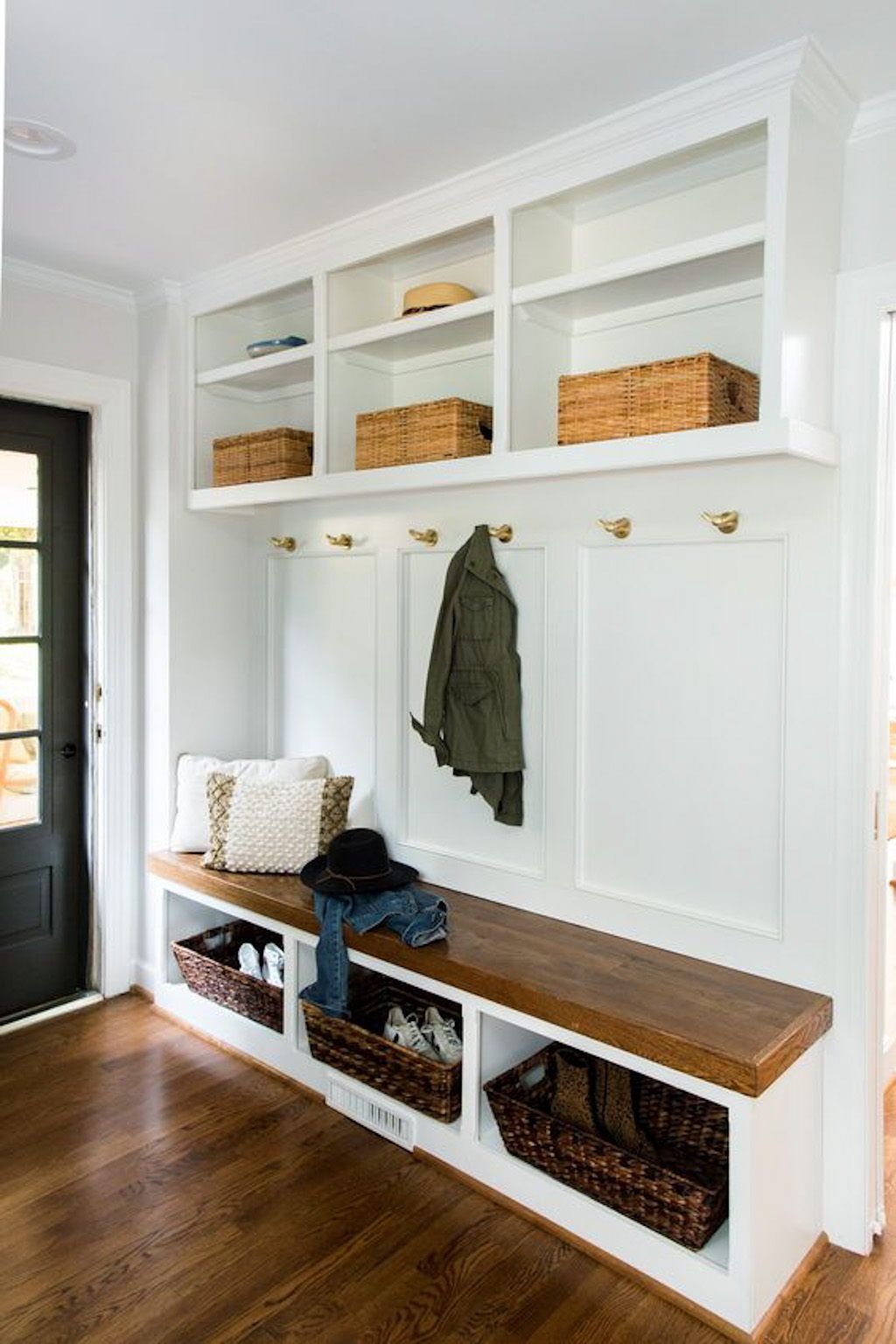
Small Space Solutions for a Mudroom Storage and Bench Without Clutter
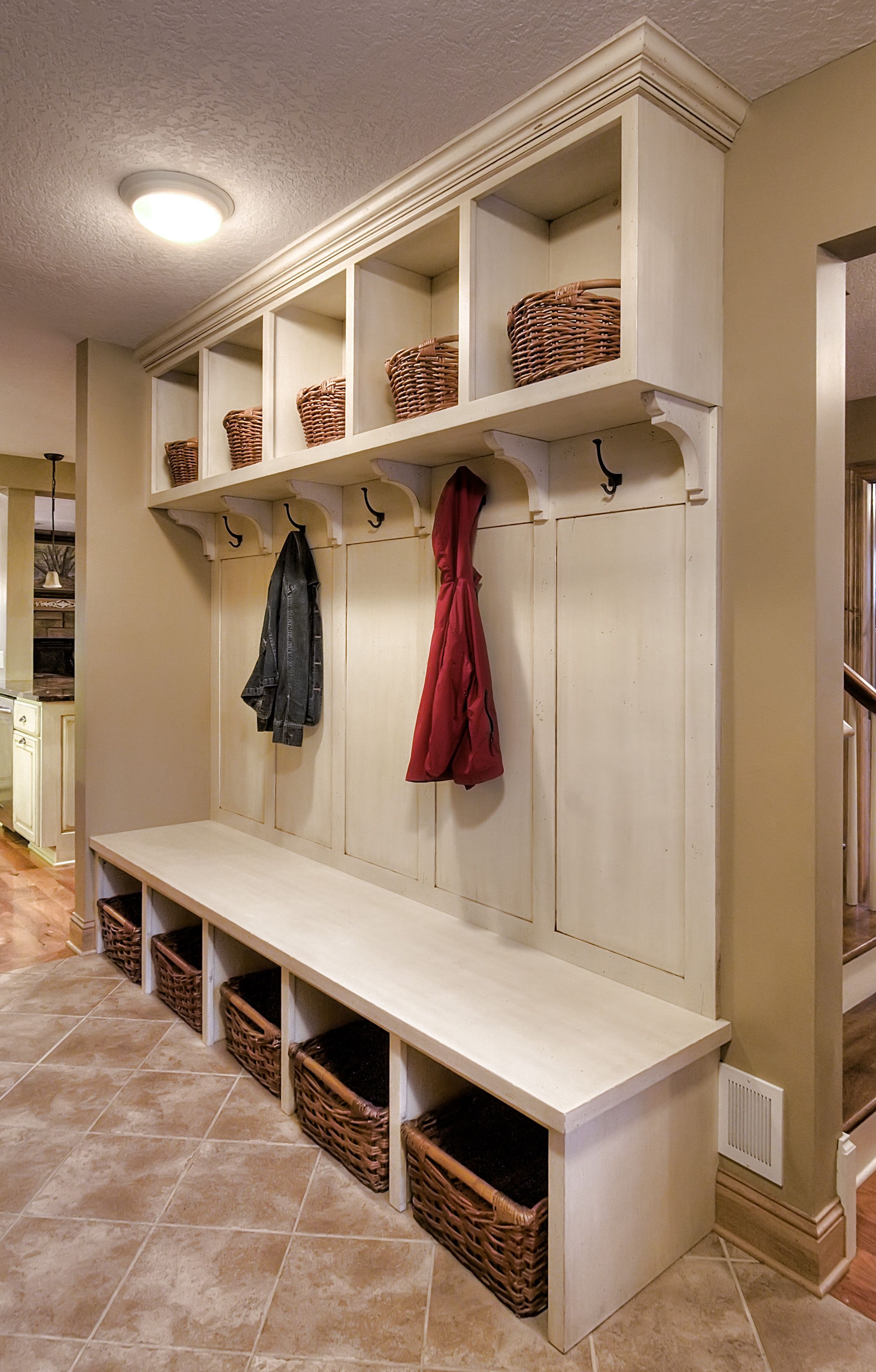
Mudroom Storage Ideas That Keep a Busy Entryway Tidy
Eco-Friendly Solutions for Common Garden Pests
Winter Glow: How Designer-Led Lighting Transforms Cold Spaces into Cozy Retreats

Transform Your Space with These Rug Layering Techniques