When your septic system needs attention, one of the most important tasks is pumping out the accumulated sludge and solids. But how much does this service actually cost in 2024? This guide breaks down everything you need to know about septic pumping expenses, from regional variations to what affects pricing, so you can budget properly and avoid unpleasant surprises.
Picture this: You've been hearing strange noises from your backyard, maybe some slow drains, or worse yet, sewage backups in your home. These signs often point to a full septic tank that needs pumping. While this might sound like a simple fix, the cost can vary wildly depending on several factors. In 2024, understanding how much septic pumping costs isn't just about knowing the price tag – it's about protecting your investment and ensuring your system works properly for years to come. Whether you're a homeowner dealing with an urgent situation or someone planning ahead, getting a realistic picture of these costs helps you make informed decisions.
Average Septic Pumping Costs in 2024
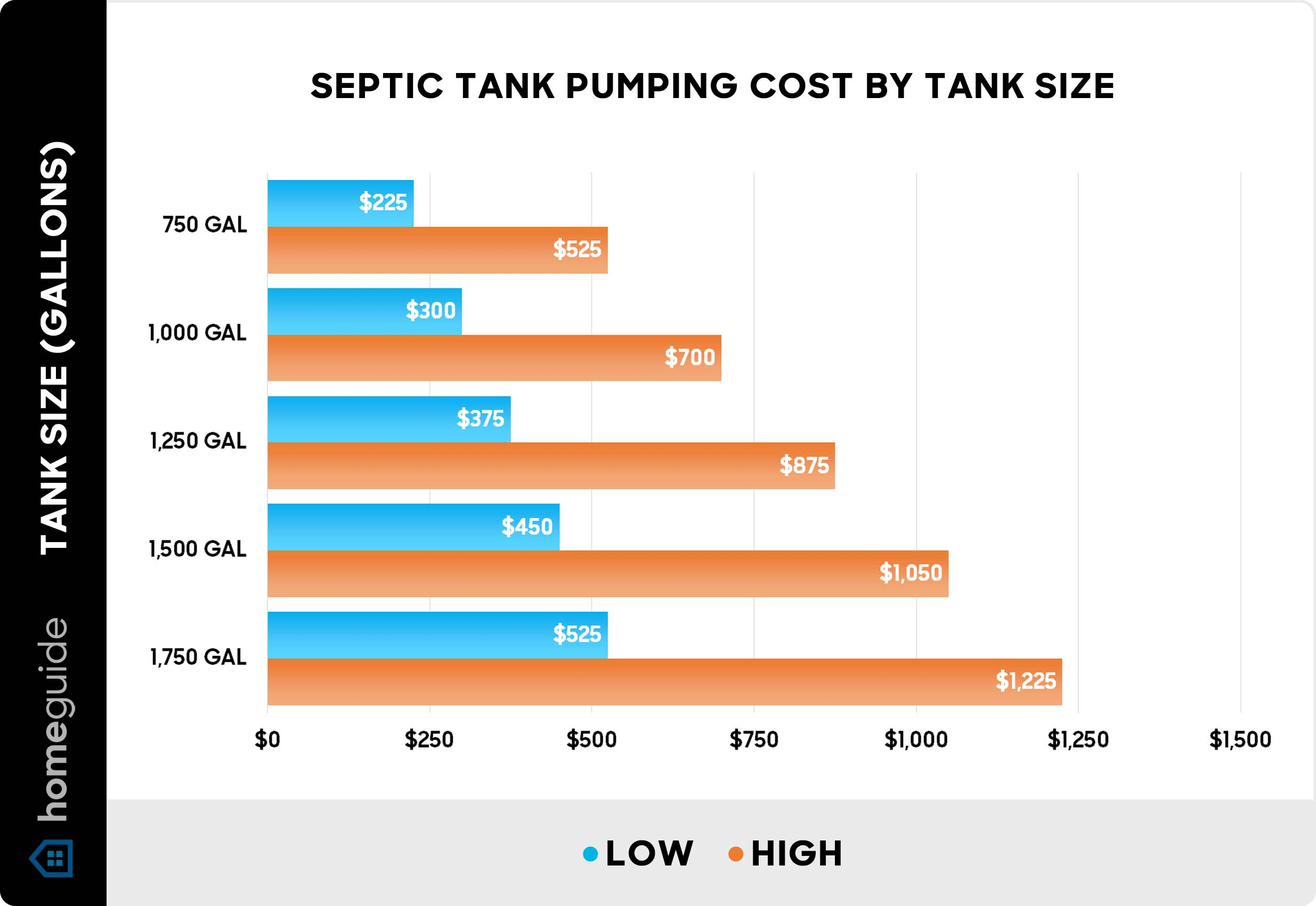
The typical cost for septic pumping in 2024 ranges between $250 and $600, but let's break that down further. For a standard residential septic tank, most homeowners pay around $350 to $450 per pumping cycle. However, prices can swing dramatically based on your location, tank size, and other variables. Some areas might see rates as low as $200 for basic services, while others could charge over $800 for larger tanks or specialized work. Think of it like buying groceries – the same items can cost different amounts depending on where you shop. The key is understanding what's included in those prices and what might add extra charges.
Factors That Influence Septic Pumping Prices
Several elements determine exactly how much you'll pay for septic pumping. Let's walk through the main ones:
• Tank Size: Larger tanks naturally require more work and time, which increases costs. A 1,000-gallon tank will typically cost more than a 500-gallon one.
• Location: Rates vary significantly by region. Urban areas may have higher labor costs, while rural regions might offer more affordable options.
• Tank Depth: Deeper tanks are harder to access, which can increase labor time and therefore costs.
• Accessibility: If the tank is tucked away behind bushes or difficult to reach, pumpers might charge extra for the trouble.
• Additional Services: Sometimes you'll need more than just pumping. If there are issues like clogs, damaged pipes, or inspection needs, expect additional charges. These extras can easily bump up the total bill by $100 to $300.
• Seasonal Demand: During certain times of year, particularly spring and summer, demand for septic services increases, potentially leading to higher prices.
Regional Price Variations Across the United States
Where you live makes a big difference in septic pumping costs. Here's how prices stack up across the country:
• Northeast: Expect to pay $400 to $600 on average. Cities like New York and Boston tend to be on the higher end due to increased labor costs.
• Mid-Atlantic: Similar to the Northeast, ranging from $350 to $550. Virginia and Maryland often fall right in the middle.
• Southeast: Prices are generally moderate, from $300 to $500. Florida and Georgia might see slightly higher costs due to environmental concerns and frequent pumping needs.
• Midwest: Typically between $300 and $450. Chicago and Detroit often fall toward the lower end of the spectrum.
• West Coast: California and Washington state usually cost $450 to $700. High labor costs and strict environmental regulations contribute to these prices.
• Southwest: Generally lower, around $250 to $400. Arizona and Nevada are often among the most affordable areas.
• Great Plains: Prices range from $250 to $400, with Kansas and Nebraska being particularly economical.
Keep in mind that these are broad estimates. Local conditions, competition, and even weather patterns can affect actual pricing in any given area.
What's Included in a Typical Septic Pumping Service
Before you get quoted, it's smart to ask what's included in a septic pumping service. Most providers do the basics, which usually include:
• Removal of sludge and solids from the tank • Inspection of the tank walls and components • Checking for signs of damage or leaks • Proper disposal of waste according to local regulations
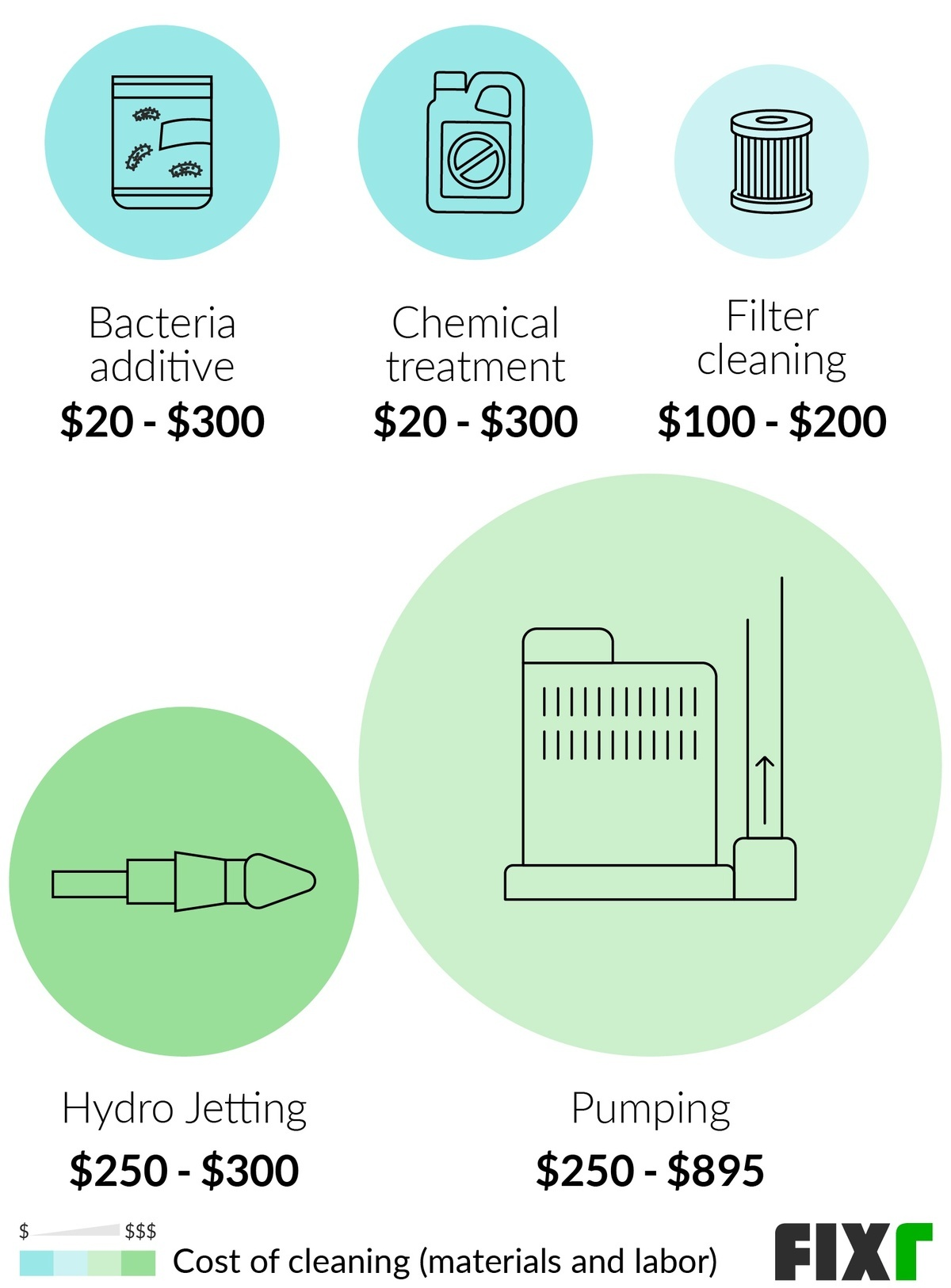
However, some services might exclude certain items. For instance, they might not clean the drainfield, repair damaged pipes, or remove debris from the system's outlet. Always clarify what's part of the base price and what might be an add-on. Some companies offer package deals that include multiple services at a discounted rate, which could save you money if you're due for several maintenance tasks.
Red Flags and Hidden Costs to Watch Out For
While most septic pumping services are straightforward, there are a few warning signs to look out for:
• No Written Estimate: Legitimate companies should provide a detailed quote before starting work. If someone gives you a verbal estimate only, it might be a red flag.
• Surprise Charges: Be wary of unexpected fees after the job is done. If the final bill differs significantly from the original quote, ask for a breakdown.
• Unlicensed Providers: Make sure the company has proper licensing and insurance. Unlicensed contractors might cut corners or fail to follow local codes.
• Pressure Tactics: If someone tries to rush you into signing a contract or paying immediately, take a step back. Reputable companies won't pressure you.
• Overly Low Prices: If a quote seems too good to be true, it might be. Extremely low prices could indicate poor quality work or hidden fees later on.
Always ask questions and get everything in writing. A reputable septic service provider will be happy to explain their process and pricing structure clearly.
Tips for Saving Money on Septic Pumping Services
If you're looking to reduce costs without sacrificing quality, here are some smart strategies:
• Shop Around: Get quotes from three to five different companies. Compare both prices and services offered. Don't automatically choose the cheapest option – make sure they provide the same quality work.
• Maintain Regular Schedule: Keeping up with regular pumping (every 3-5 years) prevents costly emergencies. When tanks are full, pumpers often charge premium rates to handle the urgency.
• Ask About Seasonal Promotions: Many septic companies offer discounts during off-peak seasons, especially winter months when demand is lower.
• Bundle Services: If you need other septic-related work, such as cleaning or inspection, ask about package deals that might save you money.
• Check for Local Programs: Some towns or counties offer assistance programs for septic maintenance, especially for low-income residents or seniors. Look into what's available in your area.
• Do Basic Maintenance Yourself: Simple things like avoiding flushing non-biodegradable items and using septic-safe products can extend the life of your system and reduce the frequency of pumping needed.
How Often Should You Pump Your Septic Tank?
How frequently you need to pump depends on several factors, but here are general guidelines:
• Household Size: Larger families produce more waste and need more frequent pumping. A household of four might need pumping every 2-3 years, while a single person could go 5-6 years between services.
• Tank Size: Smaller tanks fill up faster and need more regular attention. A 1,000-gallon tank might need pumping every 2-3 years, while a 1,500-gallon tank could last 3-4 years.
• Water Usage: Higher water consumption means more waste buildup, requiring more frequent pumping.
• System Age: Older systems might need more attention than newer ones.
• Use of Garbage Disposals: If you use a garbage disposal regularly, you'll likely need more frequent pumping since food particles add to the solid buildup.
Most experts recommend having your septic tank pumped every 3-5 years. However, if you notice signs like slow drains, foul odors, or standing water near the tank, it's time to call a professional regardless of schedule. These symptoms suggest the tank is full and needs immediate attention.
Signs It's Time to Call a Septic Professional
Don't wait until you have a major problem. Recognizing early warning signs can save you from expensive repairs or health hazards. Here are common indicators that your septic system needs attention:
• Slow Drains: If toilets or sinks drain slowly, it could signal a full tank or clogged lines.
• Sewage Odors: A strong smell of sewage inside or outside your home is a clear sign something is wrong.
• Standing Water: Puddles or wet spots near your septic tank or drainfield are serious red flags.
• Gurgling Sounds: Strange noises from your plumbing can indicate air in the system or blockages.
• Lush Green Grass: If grass grows unusually thick and green directly over your septic system, it might be leaking.
• Backups: Sewage backing up into your home is an emergency situation that requires immediate professional help.
If you notice any of these signs, don't hesitate to contact a licensed septic service provider. Early intervention prevents bigger problems and keeps your family safe.
Choosing the Right Septic Pumping Company
Selecting a reliable septic service provider is crucial for maintaining your system safely and effectively. Consider these factors when making your choice:
• Licensing and Insurance: Verify the company holds proper licenses and has liability insurance. This protects you from financial responsibility if accidents happen during work.
• Experience and Reputation: Look for companies with many years of experience in the industry. Check online reviews and ask for references from neighbors or friends.
• Written Estimates: A trustworthy company provides a detailed written quote explaining exactly what will be done and how much it will cost.
• Emergency Services: If you have an urgent issue, make sure the company offers 24-hour emergency support.
• Local Knowledge: Companies familiar with your area's soil conditions, local codes, and seasonal challenges often provide better service.
• Communication: Good customer service includes clear communication throughout the process, from initial contact to post-service follow-up.
Take time to research and interview potential companies. A good septic pump technician will explain the process thoroughly and answer all your questions with patience and professionalism.
Preparing for Your Septic Pumping Appointment
Getting ready for a septic pumping visit can make the whole process smoother for everyone involved. Here's what to do beforehand:
• Clear the Area: Remove any obstacles around the septic tank lid so the pumpers can access it easily.
• Schedule in Advance: Book your appointment early, especially during busy seasons. Some companies book up months in advance.
• Know Your Tank Location: Have the exact location of your septic tank handy. If you're unsure, a septic diagram or previous records can help.
• Prepare for the Visit: Make sure someone is home during the service, especially if you're not familiar with the process. You might want to observe what's happening.
• Have Payment Ready: Most companies prefer payment upfront. Have cash, check, or card information available to avoid delays.
• Ask Questions: Don't hesitate to ask about the process, what they found, and how to maintain your system properly. A good service provider will be happy to educate you.
Being prepared helps ensure a quick and efficient service, saving you time and potentially reducing labor costs.
Understanding Septic System Maintenance Beyond Pumping
Pumping is just one part of keeping your septic system healthy. Other important maintenance tasks include:
• Regular Inspections: Having your system inspected every 1-2 years helps catch small problems before they become major issues.
• Drainfield Care: Avoid putting heavy vehicles or structures over the drainfield. Keep trees and shrubs away from the area to prevent root intrusion.
• Water Conservation: Reducing water usage helps prevent overloading the system. Fix leaky faucets promptly and spread out laundry loads.
• Proper Waste Disposal: Only flush biodegradable materials. Avoid pouring grease, oils, or chemicals down the drain.
• Septic Additives: While not always necessary, some additives can help break down organic matter more efficiently. Consult with professionals before adding anything to your system.
• Professional Repairs: If you notice persistent issues, such as recurring backups or unusual smells, don't ignore them. These signs often mean deeper problems that need expert attention.
Thinking of your septic system as a whole rather than just focusing on pumping helps keep it running smoothly for decades.
Environmental Impact of Septic Pumping
Septic pumping isn't just about your property – it also affects the environment. Proper disposal of septic waste is crucial to protect groundwater and nearby ecosystems. Here's what you should know:
• Regulated Disposal: Licensed septic companies must dispose of waste at approved facilities. This prevents contamination of local water sources.
• Ecosystem Protection: Improper disposal can harm local wildlife and plant life. Clean water is vital for maintaining healthy ecosystems.
• Groundwater Safety: Septic systems that aren't properly maintained can leak into groundwater supplies, posing health risks to communities.
• Local Regulations: Many areas have strict rules about septic waste handling. Non-compliance can result in fines or legal consequences.
• Sustainable Practices: Some companies now use eco-friendly methods for pumping and disposal. Choosing environmentally responsible providers supports sustainable practices.
When you choose a septic service provider, consider their environmental practices. A company committed to proper disposal methods helps protect the community and natural resources.
Common Myths About Septic Pumping Costs
There are several misconceptions about septic pumping costs that can lead to confusion or overspending. Let's clear up some of the most common myths:
• Myth: Septic pumping is always expensive
Reality: While costs vary, many homeowners find reasonable prices, especially when shopping around or scheduling during off-seasons.
• Myth: You only need to pump every 10 years
Reality: Most systems require pumping every 3-5 years, depending on usage. Waiting too long can cause serious damage.
• Myth: All septic companies charge the same
Reality: Prices differ significantly by region, company, and service quality. Always compare quotes carefully.
• Myth: You can do it yourself
Reality: Septic pumping requires special equipment and knowledge. Attempting it yourself can be dangerous and illegal in many areas.
• Myth: The tank lid is always easy to find
Reality: Over time, lids can become buried or covered. Professionals know where to look and have the tools to locate them quickly.
• Myth: The cost never changes
Reality: Like most services, septic pumping costs adjust with inflation, labor rates, and material prices. Staying informed helps you budget appropriately.
Understanding these realities helps you make smarter financial decisions for your septic system.
Final Thoughts on Septic Pumping in 2024
As we wrap up our look at septic pumping costs in 2024, remember that investing in proper maintenance is one of the best ways to protect your home and family. While the average cost might seem high, it's a small price compared to the potential expenses of system failure or health hazards. Knowing what to expect, what to watch for, and how to choose the right service provider empowers you to make confident decisions. Whether you're facing an urgent situation or simply trying to plan ahead, staying informed about septic pumping helps you avoid surprises and keep your system running smoothly for years to come. Don't let uncertainty about costs stop you from taking care of your septic system – with the right knowledge, you can navigate this essential home maintenance task with confidence.
Septic pumping in 2024 remains an essential service for homeowners who rely on septic systems. With costs ranging from $250 to $600 and influenced by numerous factors including tank size, location, and regional demand, understanding what to expect is crucial. By staying informed about pricing trends, recognizing warning signs, and choosing reliable service providers, you can maintain your system efficiently and affordably. Remember, prevention is always cheaper than cure, and regular maintenance keeps your septic system functioning properly while protecting your investment and family's health. Whether you're planning ahead or dealing with an immediate issue, knowledge is your best defense against unexpected costs and system failures.
Related Posts
What happens to dried ink when clothes go through dryer tumbling
How American Standard HVAC Systems Compare to Trane Brands
Breaking down spray foam insulation costs by type and coverage area

How to Effectively Eliminate Clover from Your Lawn Naturally

The Surprising Reason Why Ladybugs Choose Your House