
In a world that often feels chaotic and overwhelming, there's a growing hunger for spaces that offer peace and calm. Japanese interior design, particularly the Zen aesthetic, has long been a beacon of this tranquility. It's more than just a style; it's a philosophy that shapes how we live and interact with our surroundings. And as we look towards 2025, this approach to living is not just enduring, it's set for a remarkable comeback, resonating with a new generation seeking balance and mindfulness.
Have you ever walked into a room and felt an immediate sense of peace wash over you? Chances are, it possessed elements of Zen Japanese design. This style is characterized by its simplicity, its connection to nature, and its emphasis on intentionality. It’s about creating environments that are not just aesthetically pleasing but also foster a sense of well-being. Think clean lines, natural materials, and an absence of clutter. It's a design philosophy that strips away the superfluous, leaving only what is essential and beautiful. In 2025, this philosophy is more relevant than ever, offering a much-needed antidote to the hyper-connected, often overwhelming digital age. People are craving spaces that help them disconnect and recharge, and Zen interiors provide just that.
The Core Principles of Zen Design
At its heart, Zen interior design is about cultivating a sense of harmony and mindfulness. It’s not about filling a space, but about creating a feeling. Several key principles guide this approach:
- Simplicity (Kanso): This is perhaps the most recognizable aspect. It means eliminating clutter and focusing on the essential. Every item in a Zen space serves a purpose and contributes to the overall calm. Think of a single, perfectly placed ikebana flower arrangement rather than a crowded vase.
- Naturalness (Shizen): A deep respect for nature is paramount. This translates into the use of natural materials like wood, bamboo, stone, and cotton. Unfinished or minimally processed textures are preferred, bringing the outdoors in and creating an organic feel.
- Asymmetry (Fukinsei): Unlike Western symmetrical designs, Zen often embraces a more natural, off-balance arrangement. This creates a dynamic yet serene visual experience, mimicking the imperfections found in nature and avoiding a rigid, formal feel.
- Subtlety (Yugen): This principle is about hinting at deeper meanings and emotions rather than stating them overtly. It's about creating an atmosphere that evokes contemplation and introspection. Think of soft, diffused lighting or the gentle rustle of bamboo blinds.
- Tranquility (Seijaku): The ultimate goal is to create a peaceful and quiet environment. This is achieved through careful consideration of space, light, and sound. The absence of noise and visual distraction is key to fostering inner calm.
- Wabi-Sabi: This is a profound concept that celebrates imperfection, impermanence, and incompleteness. It finds beauty in the rustic, the aged, and the understated. A chipped ceramic bowl or a weathered wooden beam can be cherished for their history and character.
Materials and Color Palettes: The Foundation of Calm
The materials and colors used in Zen interiors are crucial in establishing that signature serene atmosphere. You'll rarely find bold, jarring colors here. Instead, the palette is muted and earthy, designed to soothe the eyes and mind. Think of soft beiges, warm browns, gentle grays, and off-whites. These neutral tones create a blank canvas that allows the textures and forms of the materials to take center stage.
Wood is king, appearing in furniture, flooring, and decorative screens. Its natural grain and warmth bring an organic touch. Bamboo is another popular choice, valued for its strength, sustainability, and its ability to add a light, airy feel. Stone, often used in flooring or as decorative elements, provides a grounding, natural texture. Fabrics are typically natural and breathable, like linen, cotton, and silk, often in plain weaves or subtle textures. The focus is on tactile quality – things that feel good to touch and look at, enhancing the sensory experience of the space.
Key Elements of a Zen Space
Creating a Zen-inspired interior isn't about replicating a Japanese temple; it's about adopting the underlying philosophy. Here are some elements that contribute to that distinctive feel:
- Shoji Screens: These iconic sliding doors and windows, made of translucent paper stretched over a wooden frame, are brilliant at diffusing light. They create a soft, inviting glow and can be used to divide spaces subtly without creating harsh barriers.
- Tatami Mats: Traditionally used for flooring and seating, tatami mats are made from woven straw. They have a distinct, pleasant aroma and a firm, comfortable texture, grounding the space with natural material.
- Minimalist Furniture: Furniture in Zen interiors is typically low-profile, functional, and uncluttered. Think simple wooden tables, floor cushions (zabuton), and low beds. The emphasis is on clean lines and avoiding unnecessary ornamentation.
- Noren Curtains: These are short, split curtains often hung in doorways. They add a touch of subtle decoration and can help to soften transitions between spaces.
- Genkan (Entryway): The entryway is a crucial transition zone in Japanese homes. In a Zen-inspired space, it would be kept tidy, perhaps with a simple shoe rack and a small decorative item, setting the tone for the rest of the home.
- Integration of Nature: Indoor plants and natural elements like rocks or water features are often incorporated to bring the outdoors in and enhance the connection to nature. Even a small bonsai tree can make a significant impact.
The Resurgence in 2025: Why Now?
So, why are we seeing a renewed interest in Zen Japanese interiors, especially looking ahead to 2025? Several factors are at play. Firstly, there's a global movement towards mindfulness and mental well-being. In an era of constant digital stimulation and information overload, people are actively seeking ways to create calm and sanctuary in their homes. Zen design offers a tangible pathway to achieving this.
Secondly, the pandemic shifted our perspective on home. It became not just a place to live, but a refuge, a workspace, and a hub for all activities. This has led to a desire for more functional, uncluttered, and peaceful living environments.
Furthermore, there’s a growing appreciation for sustainable and natural materials. As awareness around environmental issues increases, the use of natural, renewable resources like bamboo and sustainably sourced wood aligns with conscious consumer choices. The timeless, durable nature of these materials also speaks to a desire for longevity over fast-fashion trends in home decor. This philosophy of 'less is more' is also gaining traction as people move away from consumerism and towards experiences and quality over quantity.
Bringing Zen into Your Modern Home
You don't need to overhaul your entire home to embrace Zen principles. Small, intentional changes can make a big difference. Here are some practical tips:
- Declutter Ruthlessly: Start by clearing out anything that doesn't serve a purpose or bring you joy. Organize what remains into simple, attractive storage solutions.
- Introduce Natural Materials: Incorporate wooden furniture, bamboo accents, or stone elements. Even a few well-chosen pieces can transform the feel of a room.
- Opt for a Neutral Palette: Repaint walls in soft, calming colors. Use textiles like linen or cotton in muted tones for curtains, cushions, and throws.
- Embrace Natural Light: Maximize natural light by keeping windows unobstructed. Use sheer curtains or shoji-inspired screens to diffuse light softly.
- Incorporate Greenery: Add a few well-cared-for plants. A simple vase with a single stem can be more impactful than a large bouquet.
- Focus on Functionality: Choose furniture that is both beautiful and practical. Avoid pieces with excessive ornamentation.
- Create a Meditation Corner: Designate a small, quiet space for reflection, even if it’s just a comfortable cushion in a corner with a soft rug.
The Future of Zen: Beyond Aesthetics
The resurgence of Zen Japanese interiors in 2025 is more than just a design trend; it's a reflection of our evolving societal values. It speaks to a deeper need for connection – with ourselves, with nature, and with our immediate surroundings. As technology continues to advance and our lives become increasingly complex, the principles of simplicity, tranquility, and mindfulness offered by Zen design will only become more valuable.
It's about creating spaces that support our well-being, foster a sense of calm, and encourage us to live more intentionally. This isn't about rigid rules, but about adapting these timeless principles to fit our modern lives, creating havens of peace that nourish the soul. The enduring appeal lies in its ability to offer a profound sense of balance and serenity, a quality that will undoubtedly continue to resonate for years to come.
Zen Japanese interiors offer a powerful framework for creating spaces that promote peace and mindfulness. Their emphasis on simplicity, natural materials, and intentional design provides a timeless antidote to the chaos of modern living. As we look towards 2025 and beyond, these principles are not just relevant, they are essential for cultivating well-being. Whether you choose to adopt a few key elements or fully immerse yourself in the aesthetic, the journey towards a more serene and balanced home environment is a rewarding one. It's an invitation to slow down, appreciate the essentials, and find beauty in simplicity.


Related Posts
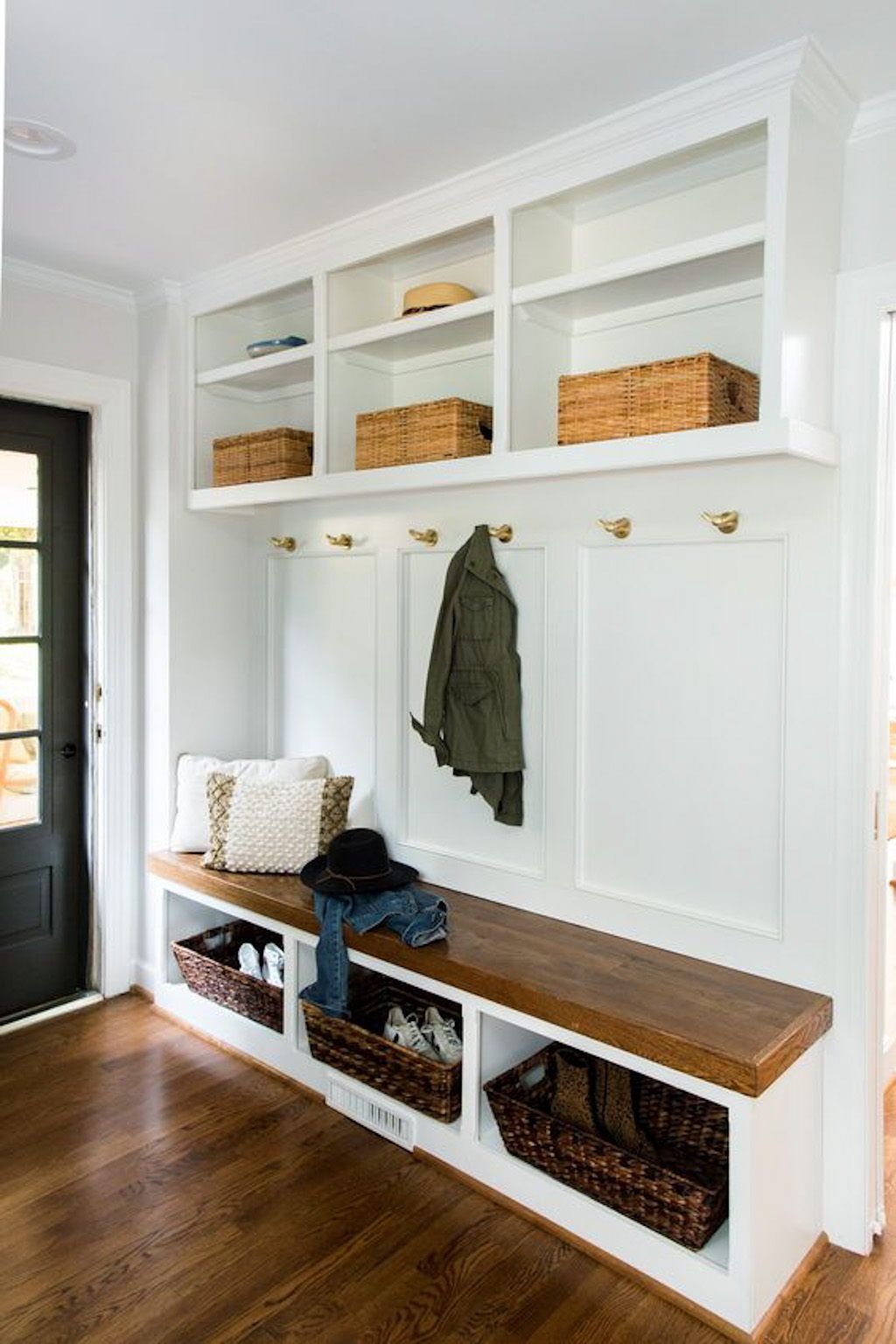
Small Space Solutions for a Mudroom Storage and Bench Without Clutter

Mudroom Storage Ideas That Keep a Busy Entryway Tidy
Eco-Friendly Solutions for Common Garden Pests
Winter Glow: How Designer-Led Lighting Transforms Cold Spaces into Cozy Retreats

Transform Your Space with These Rug Layering Techniques

