I was working on a commercial renovation three years ago when I realized we'd installed a sink that wasn't compliant at all. The client was furious, and I had to start over. That's when I learned that ADA ceramic sinks aren't just about size—it's about the whole experience. I wish someone had told me about these hidden requirements before I made that rookie mistake.
When you're dealing with ADA ceramic sinks, it's easy to focus on the obvious stuff like height and clearance. But there are so many subtle details that make or break compliance. I've been installing sinks for over a decade now, and I can tell you that most people skip the small stuff—and it bites them later. You don't want to be the contractor who gets flagged for code violations or worse, creates safety hazards for users.
Why ADA Ceramic Sinks Matter More Than You Think
I remember a project where we had a client who was a wheelchair user and had been using their bathroom for years without issues. Then we started the renovation and installed a new sink that looked perfect but was actually too high. They couldn't reach it properly. It wasn't just about comfort—it was about accessibility. Frankly, I think most contractors assume that any sink that's not too tall is fine, but there are specific measurements and clearances that make a huge difference. The ADA compliance isn't just about legal requirements; it's about ensuring people can actually function independently in a space. Plus, if you're doing a commercial project, it's a major liability issue if you get it wrong.
How I Approach ADA Ceramic Sink Installation
First off, measure everything twice—no, make that three times. I always double-check the knee clearance dimensions because that's where most mistakes happen. There's this thing called the 'clear floor space' requirement, which means you need to account for the person's wheelchair and their ability to move around. I also check that the faucet is reachable from both sides. One thing that really helped me was making sure the sink has a proper lip or edge that prevents items from sliding off. And yes, even though it seems minor, I've seen a lot of contractors skip the drain placement check. The drain needs to be positioned so that someone can easily access it while seated, and the water flow shouldn't create splashing issues. I've made this mistake myself—trying to make it look pretty instead of functional.
The Mistakes I Made with ADA Compliance
I'll be honest, I once installed a sink with a lip that was too high, thinking it would prevent overflow. What happened? People couldn't reach the faucet or the basin properly. I also made the mistake of assuming that a standard sink would work if it was just low enough. That's not how it works. You need to consider the entire profile of the sink, including the depth and width, and how they interact with the user's mobility aids. Another thing that caught me off guard was the need for a specific type of faucet handle. It took me months to figure out that the handles needed to be operable with one hand and require minimal force. I also underestimated the importance of having adequate lighting around the sink area. I was so focused on the plumbing that I forgot about visual accessibility.
What Most People Get Wrong About ADA Compliance
Here's something that really bugs me: people think that if a sink looks like it meets the requirements, it's good to go. That's just not true. The real secret is in the details. For example, I've seen contractors install sinks with a very shallow bowl because they think it's easier to clean, but that creates problems with usability. The key is understanding that ADA compliance isn't just about hitting certain measurements—it's about creating an environment where everyone can function safely. Also, most people don't realize that the faucet needs to be operable with a closed fist, not just fingers. I've also noticed that people often overlook the importance of the sink's positioning relative to the wall or other fixtures. It's not just about the sink itself—it's about the whole user experience.
Choosing the Right ADA Ceramic Sink for Your Project
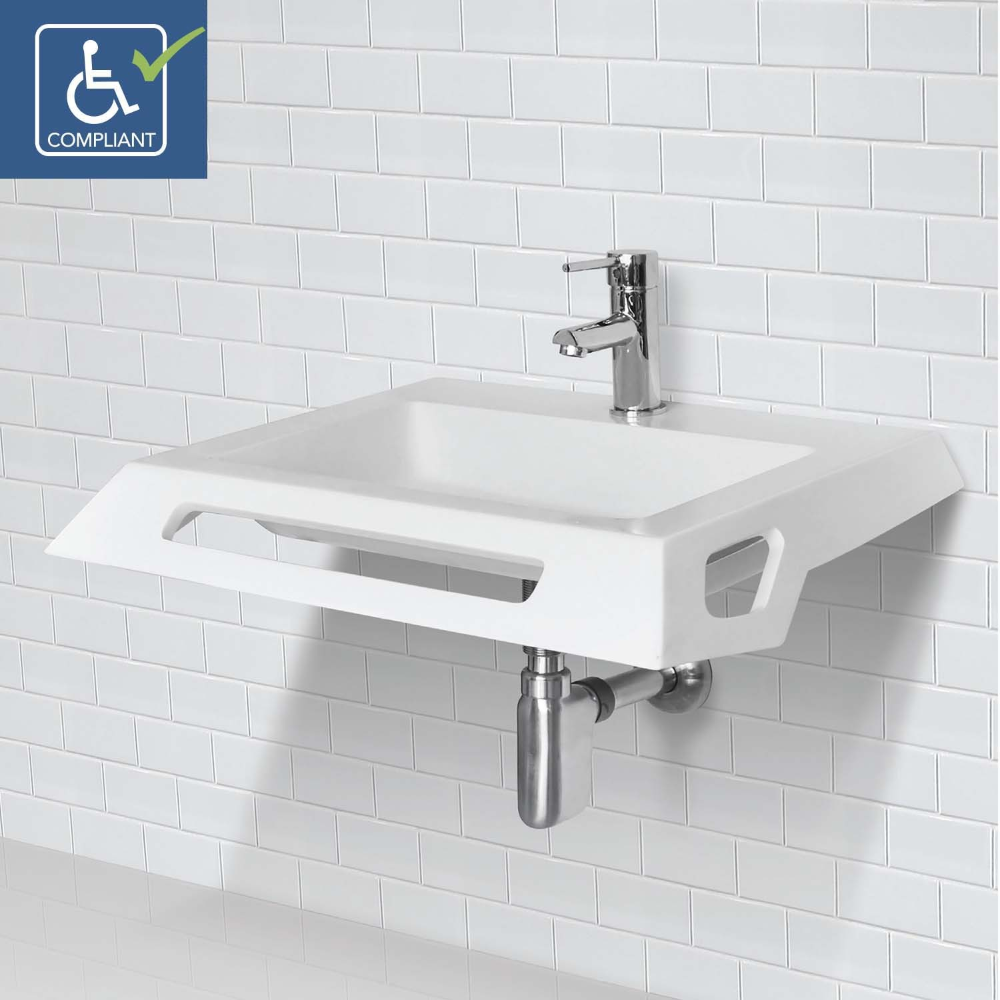
I've gone through so many different models over the years, and honestly, it's a bit overwhelming. You want to find something that's durable, easy to clean, and meets all the requirements. I usually look for sinks that have a slightly rounded edge and a good depth that allows for comfortable use. The material matters too—ceramic holds up well and is easy to maintain, but you have to make sure it's thick enough to support the weight of someone leaning on it. I've also learned that some manufacturers offer specific ADA-compliant models, which can save you a lot of time in the planning phase. I'd recommend looking into brands like Kohler or American Standard—they have options designed specifically for accessibility. Also, don't forget to check the warranty and maintenance requirements. A sink that's great in theory might be a nightmare to maintain in practice.
Frequently Asked Questions About ADA Ceramic Sinks
• What's the minimum height for an ADA sink? It's 17 inches from the floor to the top of the sink rim, but that's just the starting point. You also need to account for the knee clearance, which typically requires 27 inches of clearance under the sink.
• Do I need to worry about the faucet type? Absolutely. The handles need to be operable with one hand and require no more than 5 pounds of force. I've seen people try to save money by using regular faucets, but it's not worth the risk.
• Can I use any ceramic sink for ADA compliance? Not exactly. You have to verify that the sink's design supports the required clearances and doesn't present obstacles for wheelchair users.
• Is there a standard for the sink's depth? Yes, the basin depth should allow for comfortable use without requiring excessive bending. Around 6 to 8 inches is generally recommended for ADA compliance.
• What about the drain placement? The drain should be positioned so that a seated user can easily access it. It's not just about the location—it's about ensuring there's enough room for movement.
I've learned that the most important part of any ADA-compliant installation is not just checking boxes—it's understanding the user's needs. If you're going to do this right, you need to spend time thinking about how someone will actually use the sink. Don't let the aesthetics overshadow functionality. I'd recommend spending extra time on the planning stage, especially if it's a commercial project. If you're unsure about anything, consult with an accessibility specialist or the local building department. They can help catch issues before they become expensive problems. My biggest piece of advice? Measure everything again and then measure one more time. It's not just about following rules—it's about ensuring that everyone can use the space safely and comfortably. Trust me, it's worth the extra effort.
Related Posts

How Ceramic Vessel Sinks Enhance Bathroom Aesthetics and Functionality
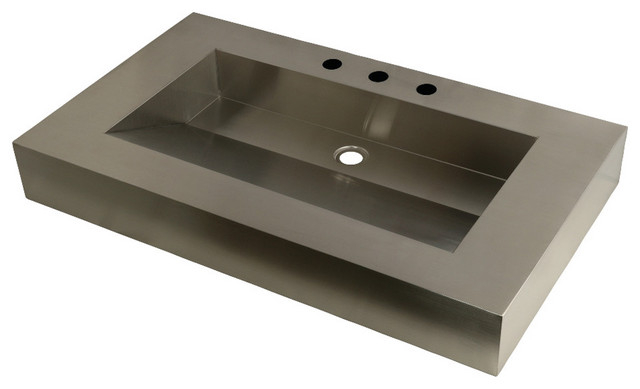
Design and Durability Analysis of the Kingston Brass GLTS37225 Brushed Basin
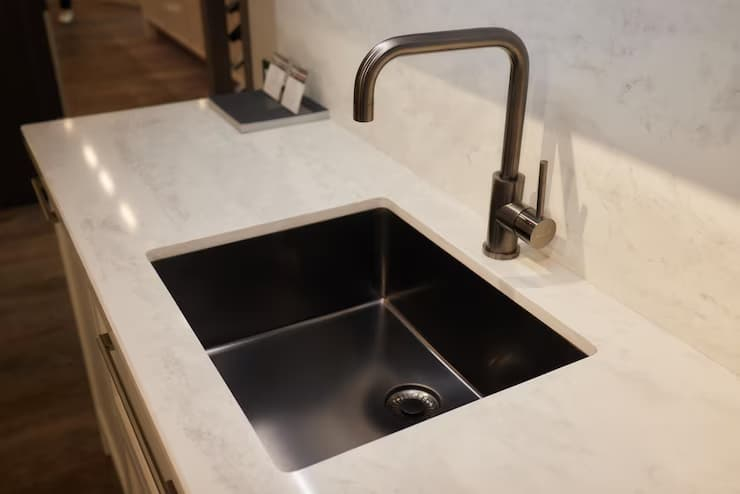
Choosing the Perfect Small Undermount Sink for Your Home Decor
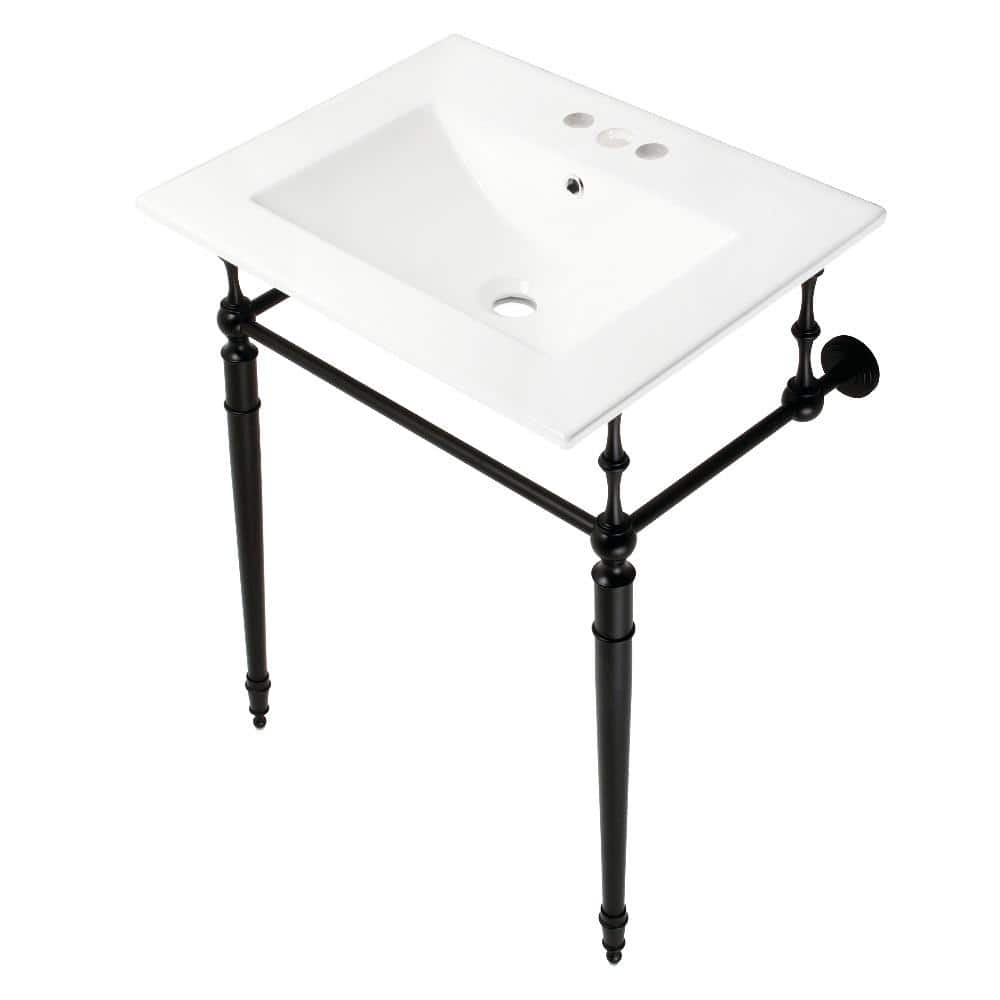
Material Durability and Maintenance of Kingston Brass VPB24187W4 Ceramic Sink
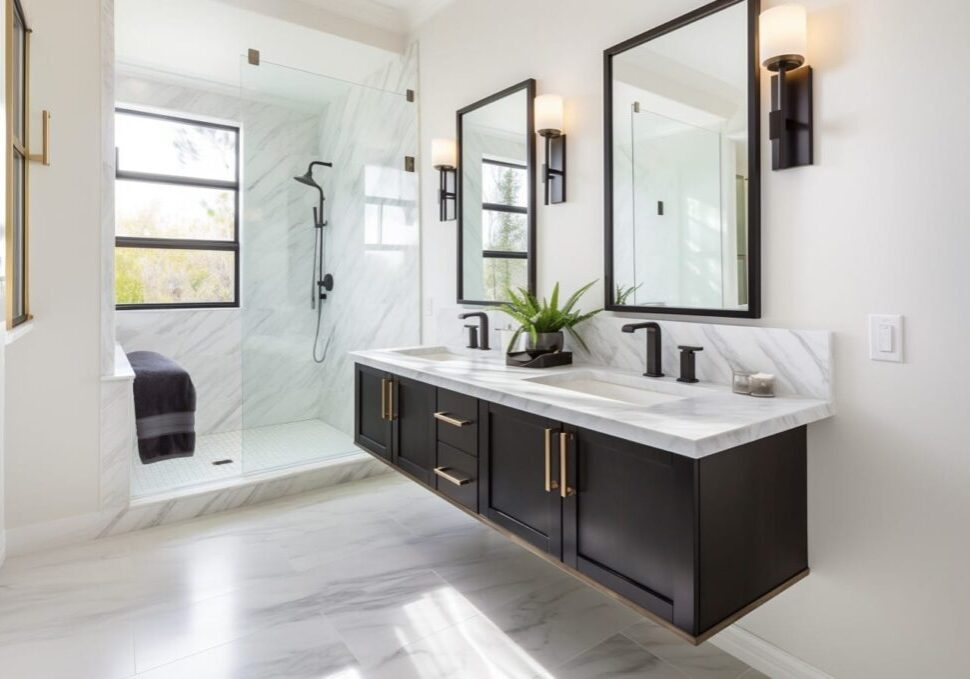
Expert Insights on Choosing the Right Sink for Your Bathroom Renovation