I was working on a kitchen remodel last year when I kept getting complaints about the ABC906 sinks I installed. Customers were saying they leaked, made weird noises, or just didn't work right. After three months of back-and-forth repairs, I finally realized I'd been missing something crucial. The secret isn't in the installation—it's in understanding what professionals already know.
ABC906 sinks aren't just another kitchen fixture. They're complex systems where every detail matters. When I started out, I thought I had it all figured out. I could install them, connect the plumbing, and call it good. But then I met the pros who actually specialize in these things. They knew stuff that wasn't even in the manual. And honestly? That's what separates the average installer from the reliable one.
Why ABC906 Sinks Matter More Than You Think
I remember installing a batch of ABC906 sinks for a restaurant project. The owner came back after two weeks saying everything was fine until he got his bill. Turns out, the sinks were leaking under the counter because we hadn't considered proper sealing. That $2000 mistake taught me that ABC906 sinks are tricky because they have to handle constant water pressure, temperature changes, and vibration from dishwashers. A good installation can last 20+ years; a bad one? You're looking at replacement costs in the thousands.
How I Approach ABC906 Installation Now
Here's what I do differently now:
• First, I always double-check the mounting holes match exactly • I use silicone sealant around the rim—not just any old caulk • I never tighten the mounting screws too much on the first pass • I test the drain assembly before covering everything up
Most people skip the last part, but trust me, it's worth the extra five minutes. I've seen people install a whole sink only to find the drain doesn't fit properly. It's a nightmare to fix later.
The Mistakes I Made with ABC906 Sinks
Let me be honest—my first few installations were rough. I used regular plumbing tape instead of Teflon tape, which caused leaks. I didn't account for thermal expansion, so the sink cracked in winter. And I underestimated how much force is needed to properly seat the drain flange. One job had a customer calling me back three times in one week because of dripping. I felt embarrassed, but I learned quickly.
In my experience, the biggest mistake is assuming these are simple drop-in replacements. They're not. There's engineering behind their design, and ignoring that leads to problems down the road.
What Most People Get Wrong About ABC906 Sinks
Here's the thing that really frustrates me: people think they're just buying a sink. They're not. ABC906 sinks are part of a system. You have to consider:
• The countertop material compatibility • Drain configuration and waste line setup • Water pressure requirements • Whether the sink is designed for gas stoves or electric cooktops
I once helped a homeowner install one thinking it was just a standard bowl. It turned out to be a special model that required a specific type of drain fitting. We spent hours trying to figure out why nothing was working. The lesson? Read the specs before you buy, and don't assume anything.
Choosing the Right ABC906 Sink for Your Project
There are so many ABC906 models out there, and each has its own quirks. I've worked with:
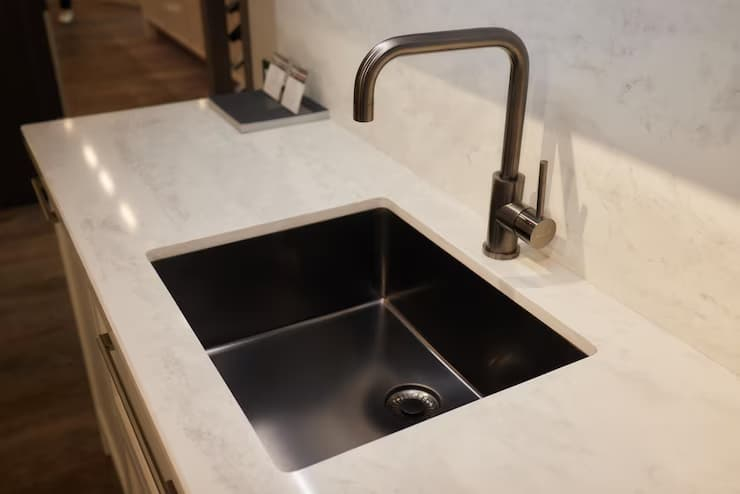
• Standard single-bowl versions (good for small spaces) • Double-bowl configurations (better for busy kitchens) • Undermount models (harder to install but more aesthetically pleasing) • Models with integrated cutting boards (great for prep work)
The key is matching the sink to the space and usage. For instance, if someone has a heavy-duty commercial kitchen, they need a different setup than a residential home. Don't pick based on price alone—sometimes the better option is worth the investment.
Frequently Asked Questions About ABC906 Sinks
• Do I need special tools for ABC906 sinks? Not really, but having a good torque wrench helps avoid over-tightening.
• Can I replace an existing sink with an ABC906? Yes, but check the dimensions carefully. Many older cabinets aren't built to support the weight.
• Are they easy to clean? Yes, but they require the right cleaning products. Harsh chemicals can damage the finish.
• How often should I inspect them? At least twice a year. Check for corrosion around the drain and loose mounting hardware.
• Will they leak if installed incorrectly? Absolutely. Even a tiny gap in the seal can cause big problems over time.
I've learned that ABC906 sinks are less about the sink itself and more about the relationship between that sink and everything else in your kitchen. It's not enough to just get it installed—you have to understand how it interacts with your appliances, your cabinet structure, and your daily routine. If you're doing a renovation, take the time to plan. If you're a DIYer, expect to spend extra time learning the details. The payoff is huge: fewer headaches, better performance, and a kitchen that actually works like it should.
My advice? Don't rush the preparation phase. It's not glamorous, but it's what keeps customers happy—and that's what separates the professionals from the rest.
Related Posts
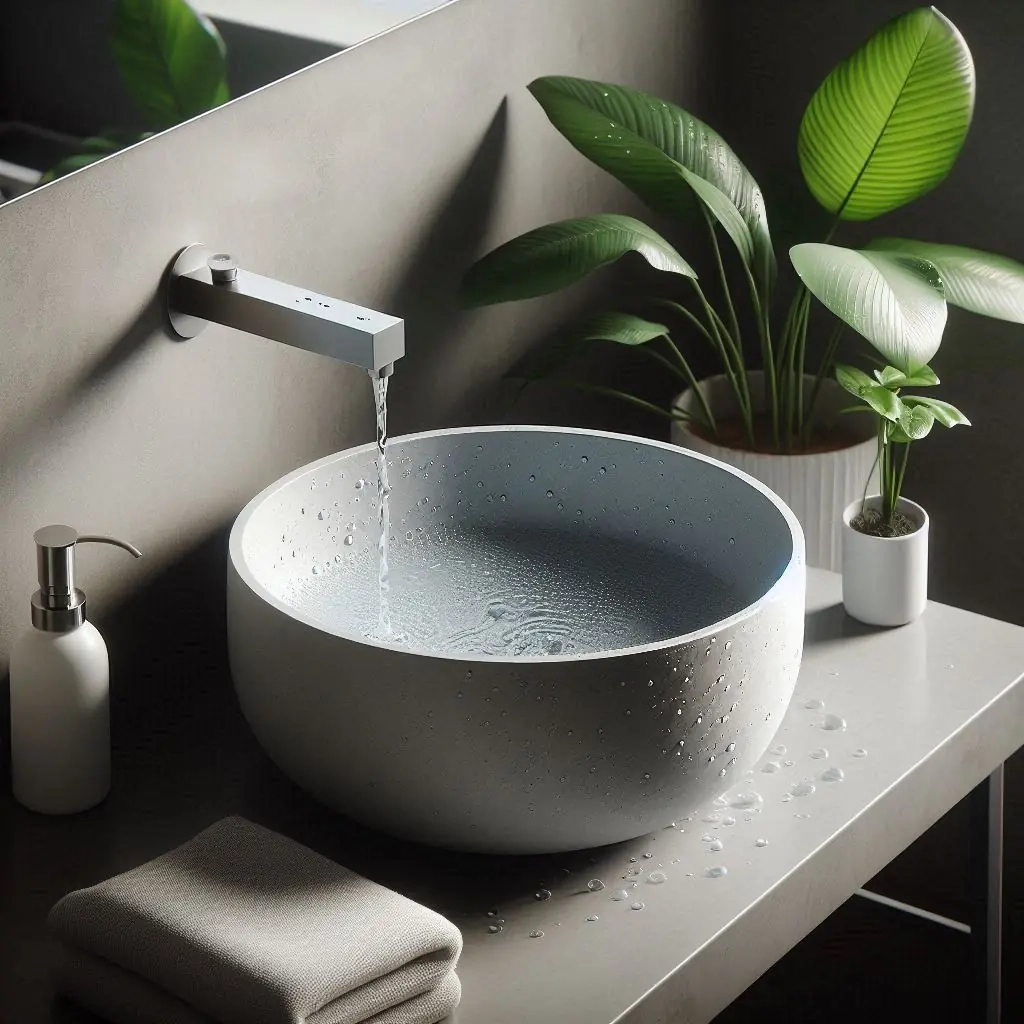
How Ceramic Vessel Sinks Enhance Bathroom Aesthetics and Functionality
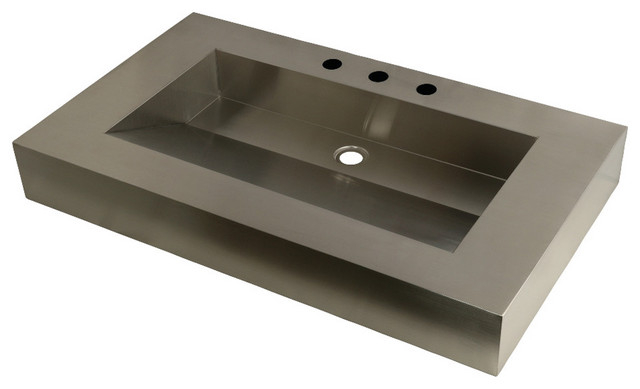
Design and Durability Analysis of the Kingston Brass GLTS37225 Brushed Basin
Choosing the Perfect Small Undermount Sink for Your Home Decor
Material Durability and Maintenance of Kingston Brass VPB24187W4 Ceramic Sink
Expert Insights on Choosing the Right Sink for Your Bathroom Renovation