
Open shelves can transform your space, but only if they're organized right. When done properly, they become a showcase of your personality while keeping everything within reach. The secret lies in smart planning and thoughtful execution. Whether you're building a new library, displaying collections, or simply trying to keep your living room tidy, these methods will help you create something beautiful and functional.
There's something magical about open shelves that just can't be replicated with closed cabinets. They invite you to explore, discover, and enjoy your belongings. But when left unorganized, those same shelves can become a visual mess that makes everything harder to find. The key isn't just putting things on the shelf - it's creating a system that works for you. Think of it like curating a gallery, except instead of art, you're organizing books, plants, and everyday treasures. It's both an art and a science, requiring balance between aesthetics and function.
The Foundation: Declutter Before You Begin
Before you even think about arranging anything, you need to take stock of what you have. This step might seem obvious, but it's often skipped. Ask yourself: do I really need this? Is this item bringing joy or just taking up space? A lot of people think they need to keep everything, but the truth is, most of us have duplicates or items we haven't used in months. Take out everything from your shelves, sort into categories, and decide what stays and what goes.
This process can feel overwhelming, but it's actually liberating. Once you've pared down your collection, you'll see exactly what you want to display. Think of it as creating a clean canvas before painting. Consider using the KonMari method - hold each item and ask if it sparks joy. If not, it's time to let it go.
Remember, the best organization starts with the right mindset. You're not just getting rid of things; you're making room for what truly matters to you.
Color Coding for Visual Harmony
One of the most powerful tricks in shelf organization is using color. It creates rhythm and makes your space feel intentional rather than chaotic. Start by grouping items by color family - perhaps all blues together, all browns together, or maybe warm tones versus cool tones. This doesn't mean every item has to match perfectly, but having a general color scheme helps guide the eye naturally across the shelf.
Consider how colors affect mood too. Lighter colors make spaces feel bigger and airier, while deeper tones add warmth and sophistication. For a balanced look, mix light and dark colors strategically.
A great example is using books of similar hues - a row of reds, greens, and browns creates a pleasing progression. You can even use decorative elements like ribbons, coasters, or small containers to add color accents without cluttering the space.
Try this experiment: pick a single color palette and stick to it for a month. Notice how much easier it becomes to find things and how your space feels more cohesive.
Height and Scale: Making Everything Fit
Shelf organization isn't just about what you put on them - it's about how you arrange it. One common mistake is putting tall items next to short ones, which throws off the visual balance. Instead, think about creating layers that draw the eye upward. Place taller items toward the back, shorter ones in front, and vary the heights throughout.
Use the rule of thirds for visual appeal. Imagine dividing your shelf into three sections - top, middle, and bottom. Fill each section with different sized items. The middle section can hold the largest items, while the top and bottom can feature smaller, more delicate objects.
Another helpful tip is to vary the width of your items. Don't put all items the same size. Mix a tall, narrow book with a wide, flat photo album. This creates visual interest and prevents the shelf from looking monotonous.
Pro tip: measure your items first, then plan accordingly. You'll avoid that frustrating moment when something won't fit because you didn't account for its actual dimensions.
The Rule of Odd Numbers: Natural Balance
There's a reason why we find three items more pleasing than two or four. Our brains naturally prefer odd numbers because they create a sense of balance that feels more comfortable. When organizing your shelves, try to group items in threes, fives, or sevens rather than pairs.
This principle applies to everything from books to decorative objects. Instead of placing two identical vases side by side, try three different ones arranged in a triangle. Or, instead of lining up five identical picture frames, place them in groups of three and two.
But remember, this isn't a hard rule. Sometimes even numbers can work well, especially when they're very different from each other. The key is creating a visual rhythm that feels intentional rather than random.
Consider the placement of books too. Instead of filling a shelf completely with books, leave some empty space. This gives the eye a rest and allows individual items to breathe. Think of your shelf like a musical composition - there needs to be a balance between fullness and openness.
Functional Grouping: Organize by Use
Don't just organize by appearance or category - organize by how you use things. This means grouping items based on their function or frequency of use. Frequently used items should be easily accessible, while seasonal or rarely used items can go higher up or lower down.
For example, in a home office shelf, keep pens, paper, and frequently used supplies at eye level. Put reference books and older documents in the back or upper sections. This way, you don't have to climb up or reach far to get what you need daily.
This approach works especially well for kitchen shelves. Keep spices, oils, and frequently used ingredients at easy reach. Store rarely used items like holiday decorations or special occasion dishes in less accessible spots.
It's also helpful to group related items together. If you have multiple types of tea, organize them by flavor type or brewing method. This makes it much easier to find what you're looking for quickly.
Think about your daily routine and what you reach for most often. That's where you want to place those items.
Adding Texture and Interest
Plain shelves can look boring fast. Adding texture is one of the easiest ways to make your space more visually interesting. Mix materials like wood, metal, glass, and ceramic. A wooden bookend next to a glass vase creates contrast that catches the eye.
Don't underestimate the power of different finishes. Brushed brass looks completely different from matte black, and both can complement each other beautifully. Even within the same material, consider varying textures - smooth vs. rough, polished vs. unfinished.
Small decorative elements can make a big difference. Try adding a few small plants, a stack of journals, or a collection of interesting containers. These don't need to be expensive - sometimes the simplest additions work best.
Consider incorporating personal touches too. Family photos, travel souvenirs, or handmade crafts can give your shelves a unique character that reflects your personality. These aren't just decorations - they're stories that make the space yours.
Maintaining Your System Over Time
Creating a beautiful shelf arrangement is just the beginning. The real challenge is keeping it looking good over time. Set up a regular maintenance schedule - perhaps weekly or monthly depending on how much you use your shelves.
This means doing quick touch-ups: straightening books, dusting items, and reorganizing as needed. It also means being honest about what's still useful and what needs to be removed.
A simple trick is to rotate items seasonally. Swap out summer books for winter reads, or change your decorative objects based on the season. This keeps your shelves feeling fresh and prevents them from becoming stale.
Create a simple system for handling new items. When you buy something new, decide immediately where it belongs. This prevents that frustrating moment when you suddenly realize you have no space for something important.
Remember, the goal isn't perfection - it's consistency. Small daily efforts keep your shelves looking their best without requiring major overhauls.
Organizing open shelves is both an art and a science. It requires thoughtfulness, creativity, and a willingness to adapt as your needs change. The methods outlined here aren't rigid rules but flexible guidelines that can be adjusted to suit your personal style and lifestyle.
The key is starting with a clean slate, thinking about how you use your space, and maintaining your system consistently. When done right, your open shelves become more than storage - they become a reflection of who you are and what you value.
Whether you're a minimalist who prefers simplicity or someone who loves to display collections, these principles will help you create a space that feels both organized and inviting. The investment you make in proper shelf organization pays dividends in daily life - from finding things faster to enjoying your space more fully.
So take a deep breath, gather your items, and start creating something beautiful. Your future self will thank you for the effort you put in today.


Related Posts
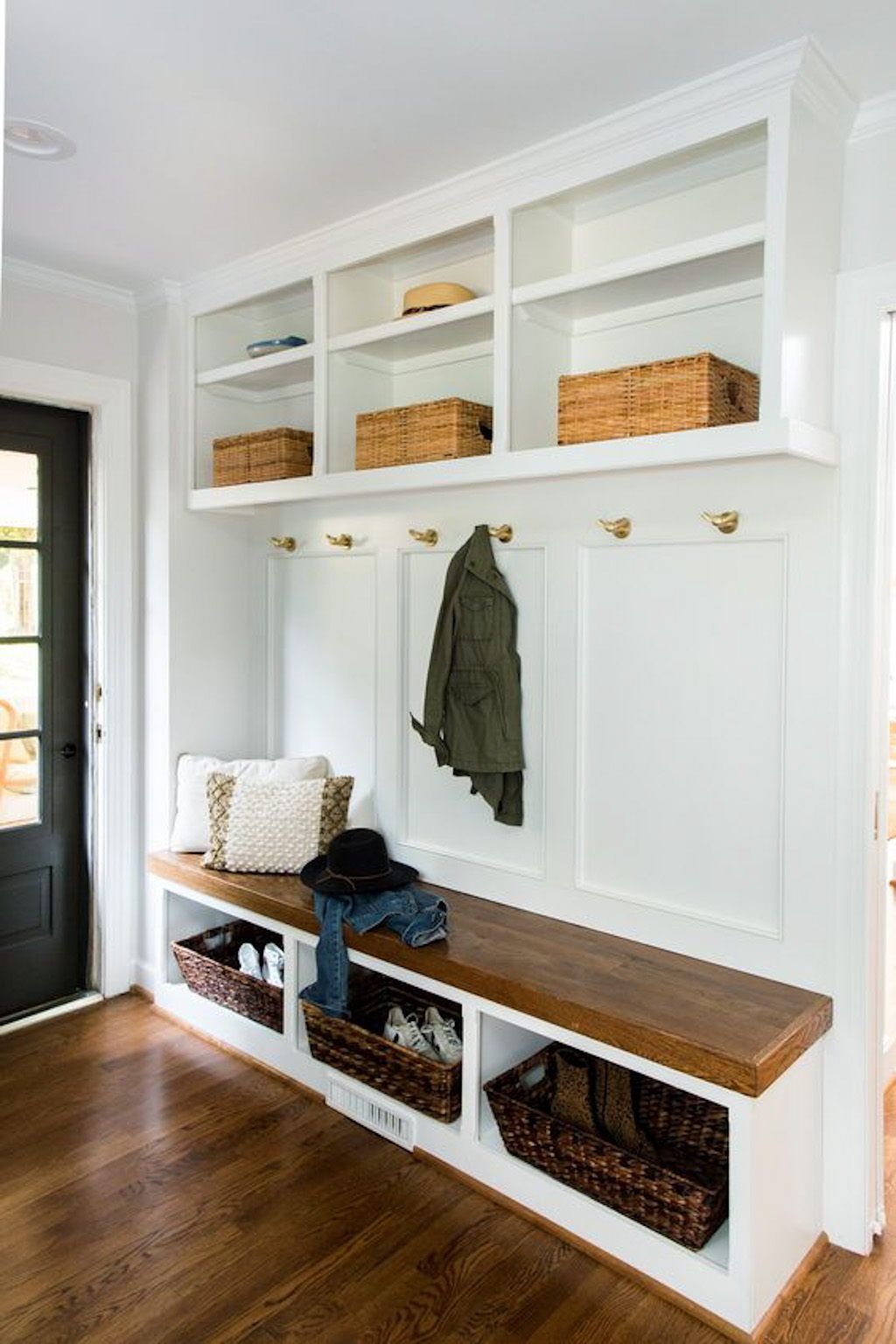
Small Space Solutions for a Mudroom Storage and Bench Without Clutter
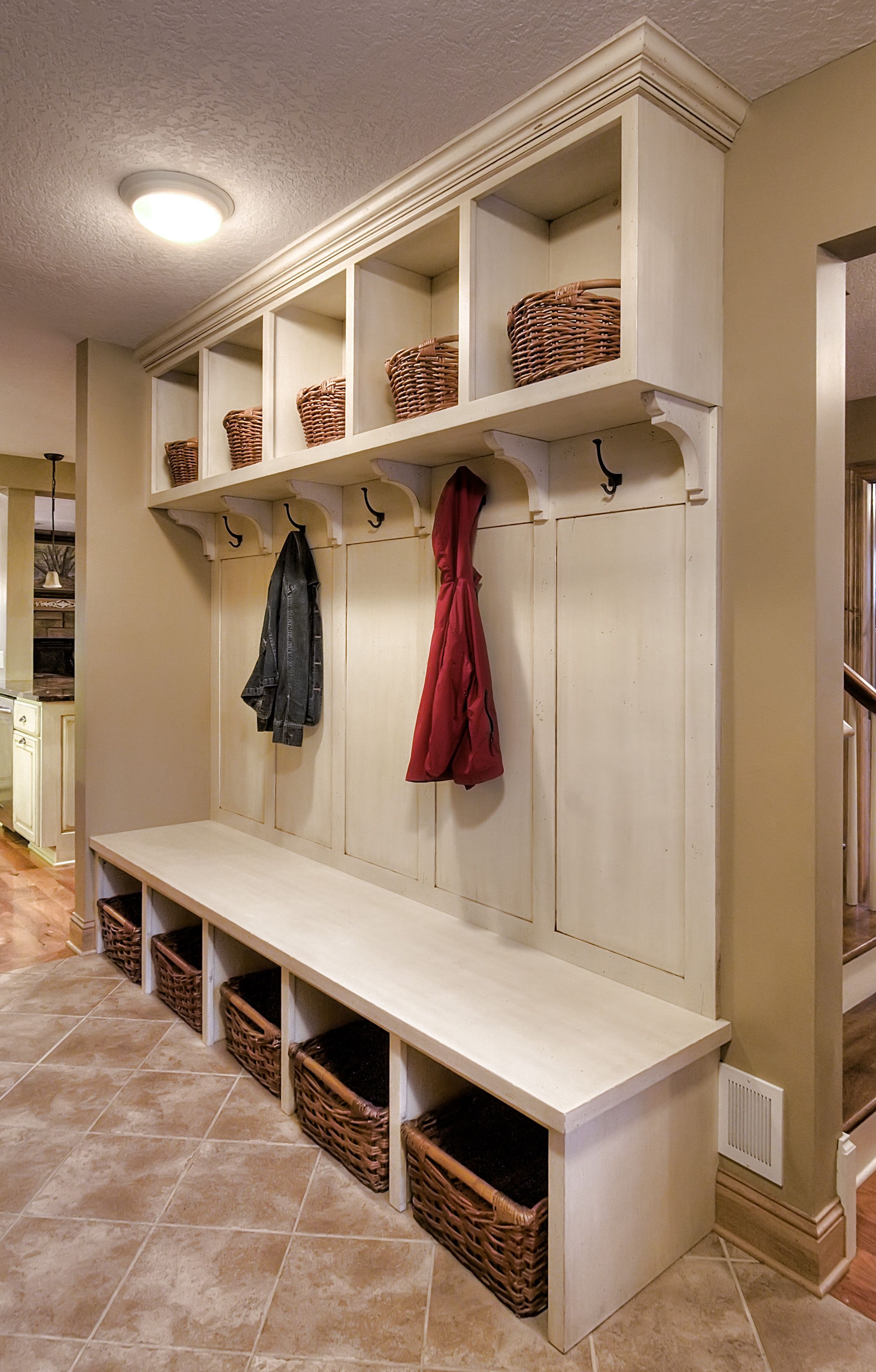
Mudroom Storage Ideas That Keep a Busy Entryway Tidy
Eco-Friendly Solutions for Common Garden Pests
Winter Glow: How Designer-Led Lighting Transforms Cold Spaces into Cozy Retreats

Transform Your Space with These Rug Layering Techniques

