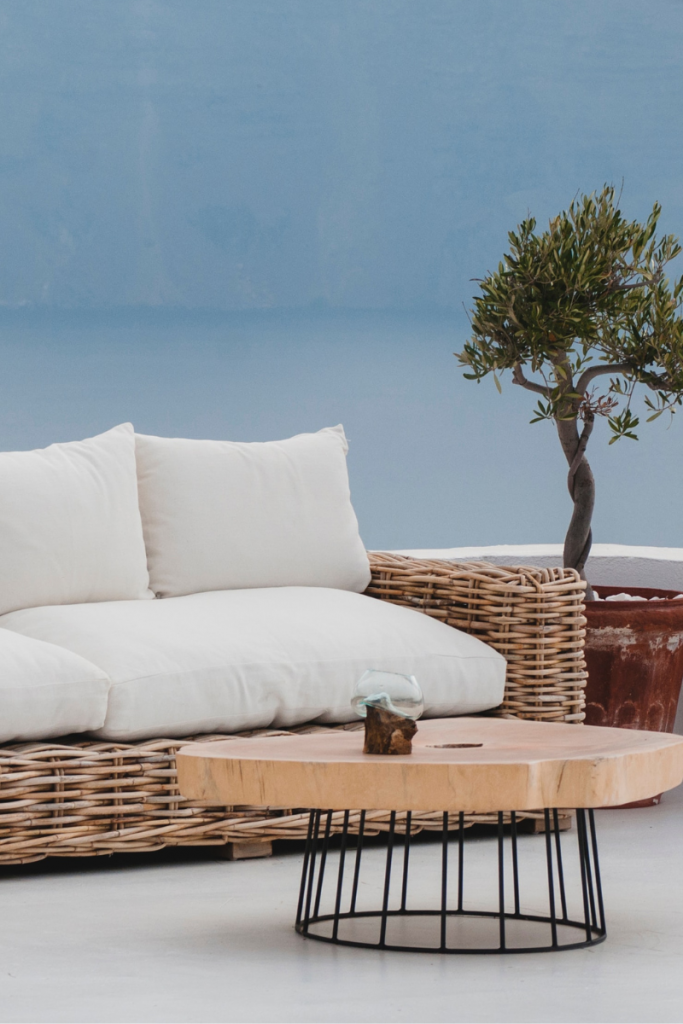
In the world of home decor, some items just have that something extra. They aren't just functional; they bring a sense of history and warmth. Reclaimed wood coffee tables with truss designs are exactly that kind of piece. They’re not just tables; they’re conversation starters, anchors for your living room, and a beautiful way to welcome a bit of the past into your present. Ever wondered what makes these tables so special? Let's dive in.
Walk into a room with a reclaimed wood coffee table that boasts a truss design, and you’ll immediately feel it. There’s a grounded, authentic vibe that mass-produced furniture often struggles to replicate. These tables carry the whispers of their former lives, their wood bearing the marks of time and use. The truss element, inspired by architectural supports, adds a structural beauty and a distinct visual flair. It’s a style that’s both robust and refined, perfect for those looking to infuse their home with personality and a touch of industrial-chic or rustic charm. So, what exactly is a truss design, and why is reclaimed wood the perfect partner for it? Let's explore.
What is a Truss Design?
You might hear the term 'truss' and think of bridges or large buildings. And you’d be right! A truss is essentially a structural framework of beams, typically forming triangular units. This design is incredibly strong and efficient at distributing weight. When applied to furniture, like a coffee table, it translates into visible, often geometric, support structures. Think of intersecting beams, often at angles, that not only serve a practical purpose but also become a significant aesthetic feature. This can range from subtle, angular accents under the tabletop to more pronounced, almost sculptural, beam arrangements. It gives the table a sense of engineering and deliberate construction, making it stand out.
The Magic of Reclaimed Wood
Now, let's talk about the wood itself. Reclaimed wood isn't just old wood; it's wood that has been salvaged from old buildings, barns, factories, or even railway sleepers. This means it’s often aged, seasoned, and has a character that new lumber simply can't match. You’ll find natural variations in color, grain patterns, and sometimes even nail holes or saw marks – each telling a part of its story. This uniqueness is what makes reclaimed wood so desirable. It’s sustainable, too, giving new life to materials that might otherwise go to waste. When you bring a piece made from reclaimed wood into your home, you're not just getting furniture; you're acquiring a fragment of history.
Why They Belong Together: Truss and Reclaimed Wood
The marriage of a truss design and reclaimed wood is, frankly, brilliant. The robust, often industrial feel of the truss design is beautifully softened and warmed by the natural imperfections and rich patina of reclaimed wood. It creates a fantastic contrast – the engineered strength of the truss is complemented by the organic beauty of the wood. This pairing works across various decor styles. It can lean heavily into a rustic farmhouse look, a modern industrial aesthetic, or even a sophisticated transitional style, depending on the specific wood species, finish, and the complexity of the truss work. It’s a versatile combination that brings both visual interest and a sense of enduring quality.
Finding the Perfect Fit for Your Space
When choosing a reclaimed wood coffee table with a truss design, consider your existing decor. Do you want a statement piece that commands attention, or something more understated? Some tables feature bold, prominent trusses, while others have a more subtle, integrated design. Think about the type of reclaimed wood, too. Barn wood might offer a rougher, more distressed look, while salvaged oak or walnut could present a smoother, richer finish. The size and shape of the table are also important factors. Measure your space carefully and consider how the table will function within your living area. A well-chosen piece will not only look good but also enhance the usability of your room.
Care and Maintenance: Keeping Your Piece Beautiful
Taking care of your reclaimed wood coffee table is pretty straightforward, but it’s worth knowing a few things. Because the wood is old, it's important to avoid harsh chemicals. A soft, damp cloth is usually all you need for daily dusting and cleaning. For spills, blot them up immediately. If the wood has a natural oil finish or wax, you might need to reapply it periodically to keep it looking its best and protected. Some people love the existing patina and imperfections, while others might opt for a more sealed finish. Discussing maintenance with the maker or retailer can give you specific advice for your particular table. It's about preserving that unique character, not erasing it.
The Enduring Appeal: Why These Tables Endure
In a world that’s constantly chasing the next trend, there’s something incredibly appealing about furniture that feels timeless. Reclaimed wood coffee tables with truss designs offer just that. They bring warmth, history, and a unique story into your home. They are sturdy, stylish, and sustainable. They’re pieces that can be passed down, continuing their journey and adding character to new spaces. It’s a choice that reflects a desire for authenticity and a connection to something more substantial than fleeting fads. These tables are more than just furniture; they’re an investment in enduring style and a testament to the beauty found in the imperfect and the aged.
So, there you have it. Reclaimed wood coffee tables with truss designs are a fantastic way to inject personality, history, and undeniable charm into your living space. They blend strong architectural lines with the organic beauty of aged timber, creating a focal point that’s both functional and deeply characterful. Whether your style leans rustic, industrial, or somewhere in between, there’s a reclaimed wood truss table out there waiting to tell its story in your home. It’s a choice that’s good for the planet and even bettr for your home’s aesthetic. Ready to welcome a piece of enduring allure?