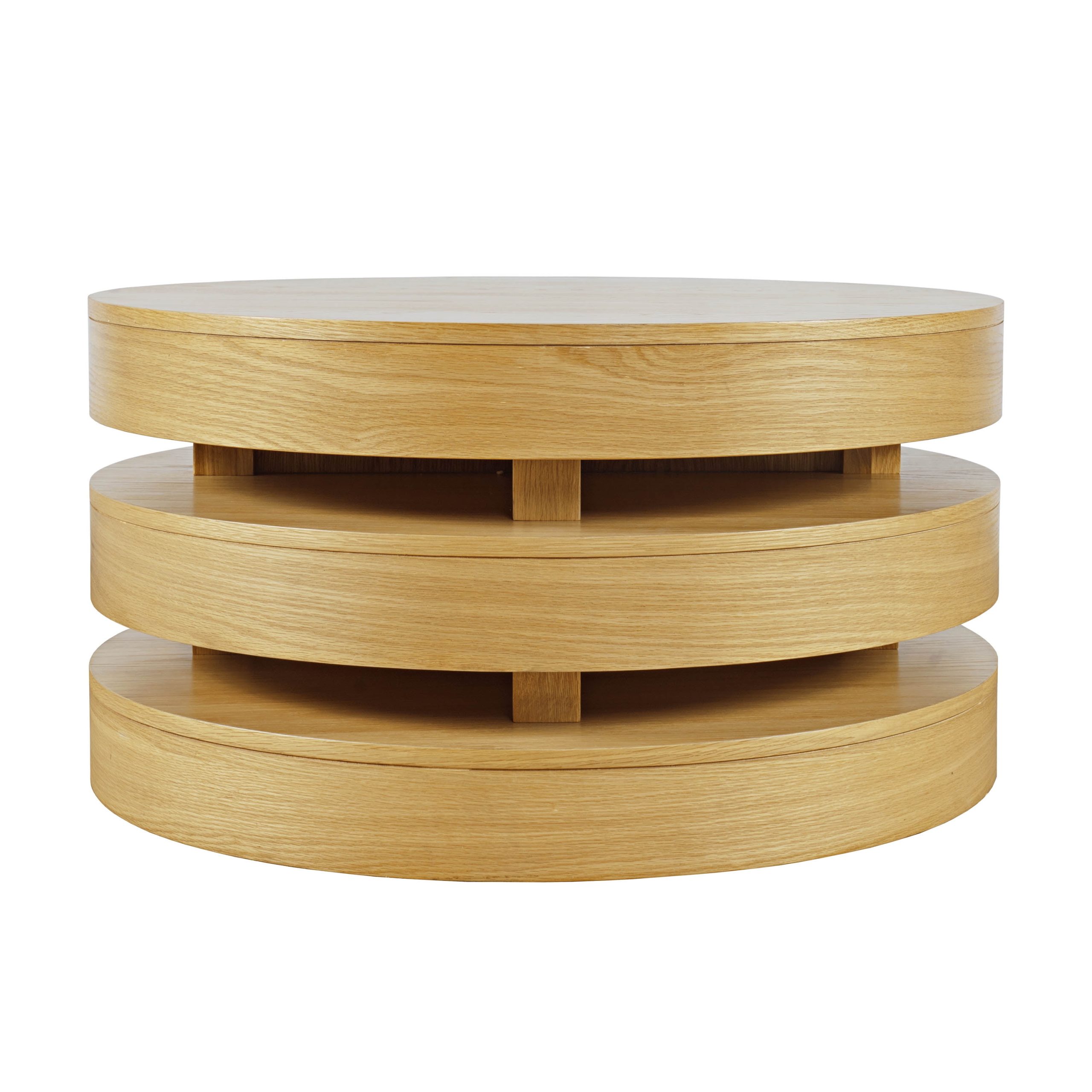
Imagine a coffee table that's not just a surface for your drinks and books, but a piece of art that elevates your entire room. That's the magic of a Mid-Century Modern floating sculpture coffee table. It’s a statement, a conversation starter, and a functional marvel. But how do you choose the one that’s just right for you? Let’s dive in and find out.
Mid-Century Modern design is all about clean lines, organic shapes, and a blend of function and form. When you add the element of a 'floating sculpture' coffee table, you're talking about a piece that seems to defy gravity, often with an artistic, asymmetrical, or unique form. These tables are more than just furniture; they are focal points that capture the spirit of an era known for its innovative and stylish approach to home décor. So, if you're looking to inject some timeless elegance and a touch of artistic flair into your living area, you've come to the right spot. We’ll explore what makes these tables so special and how to pick one that perfectly suits your taste and needs.
What Exactly Makes a Coffee Table 'Mid-Century Modern'?
Before we get to the floating sculpture part, let's nail down the Mid-Century Modern (MCM) aesthetic. Think post-World War II, roughly from the mid-1940s to the late 1960s. Designers of this era embraced simplicity and functionality. Key characteristics include:
- Clean Lines and Organic Shapes: Forget fussy details. MCM is about smooth, flowing curves and straightforward geometric forms.
- Natural Materials: Wood, especially teak, walnut, and oak, is a cornerstone. You'll also see a lot of glass, metal, and sometimes even plastic.
- Minimalism: Less is more. MCM pieces are uncluttered and focus on their essential form and purpose.
- Functionality: Furniture was designed to be practical and accessible for everyday life.
- Connection to Nature: Elements like large windows and indoor plants were often incorporated, and furniture design reflected this with natural materials and forms.
So, when we talk about an MCM coffee table, we're generally looking at a piece that embodies these principles, often with tapered legs or a streamlined silhouette.
The 'Floating Sculpture' Element: Beyond the Ordinary
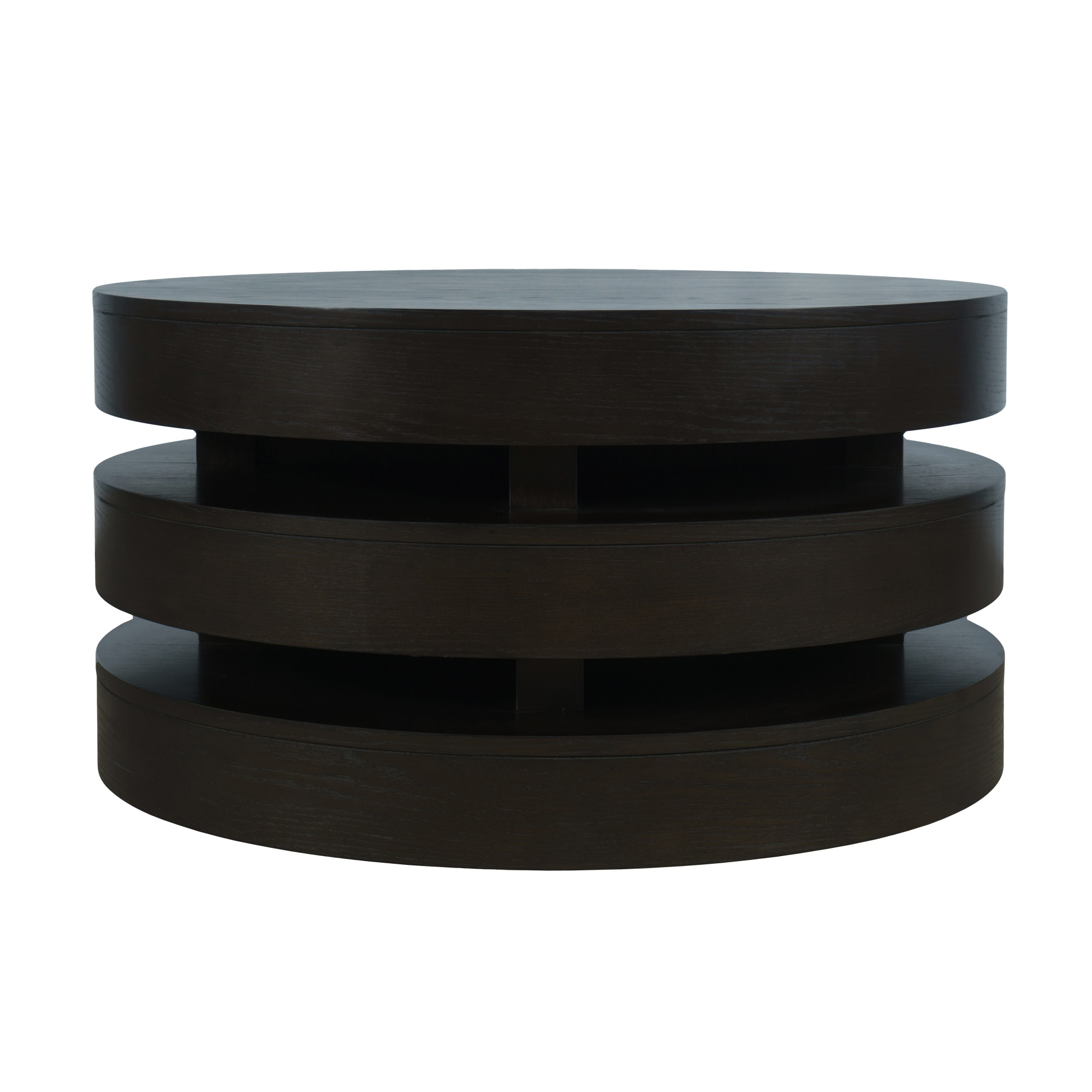
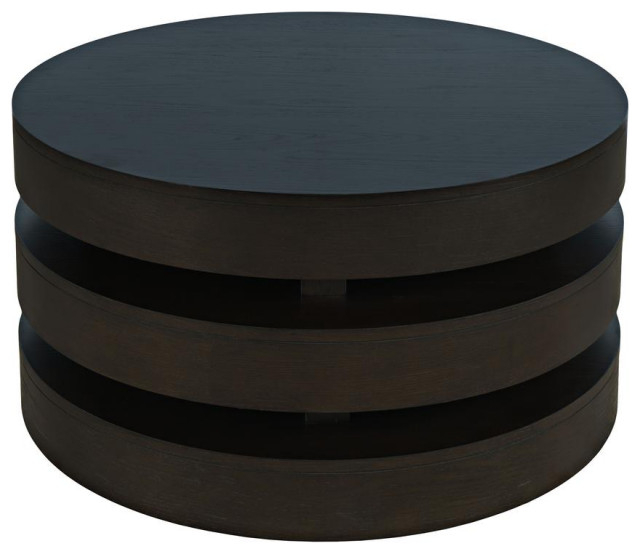
Now, let's talk about the 'floating sculpture' aspect. This is where the magic truly happens. A floating sculpture coffee table takes the MCM principles and injects a significant dose of artistic expression. It's not just a flat surface on legs anymore. Instead, it might feature:
- Asymmetrical Designs: One side might be longer or a different shape than the other, creating visual interest.
- Unusual Leg Structures: Instead of simple tapered legs, you might find artistic metalwork, a pedestal base that appears to twist, or a cantilevered design that makes the tabletop seem to hover.
- Sculptural Forms: The tabletop itself could have a unique, undulating shape, or the entire piece might resemble a piece of abstract art.
- Material Play: Combining different materials in unexpected ways, like a rich wood grain meeting a polished chrome accent, can enhance the sculptural feel.
The goal here is to create a piece that commands attention, not by being ostentatious, but by its sheer elegance, innovative design, and the way it interacts with the space, creating a sense of lightness or 'floating'.
Choosing Your Material: Wood, Glass, Metal, and More
The materials used in your floating sculpture coffee table will heavily influence its look and feel. Let's break down some common choices:
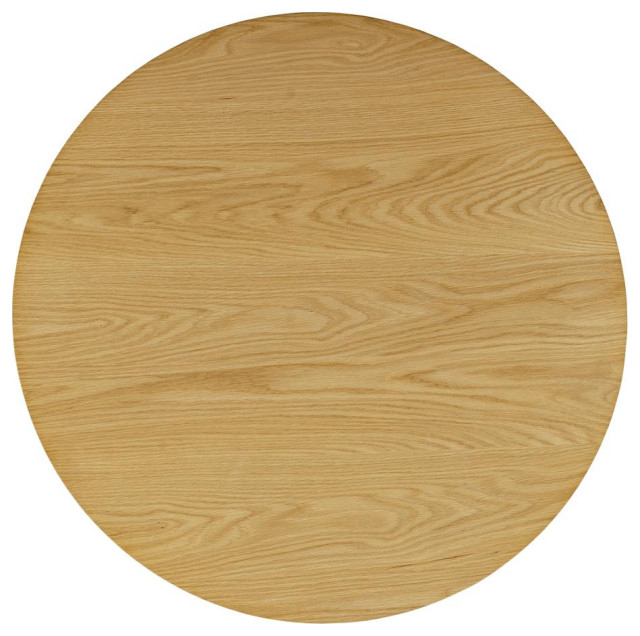
- Wood (Walnut, Teak, Oak): These are classic MCM choices. Walnut and teak often have beautiful, rich grains and a warm feel. Oak is also popular and can be stained to achieve various looks. A solid wood piece will feel substantial and timeless.
- Glass (Clear, Smoked, Frosted): Glass tops can make a space feel larger and more open, which is fantastic for smaller rooms. Smoked or tinted glass adds a touch of sophistication and can hide minor clutter. Pairing a glass top with an interesting base is a common and effective sculptural approach.
- Metal (Chrome, Brass, Wrought Iron): Metal bases can provide a sleek, modern contrast to wood or glass tops. Chrome offers a cool, futuristic vibe, while brass can add a touch of warmth and vintage charm. Wrought iron can lend itself to more intricate, sculptural bases.
- Combination Materials: Often, the most striking pieces combine materials. Think a walnut tabletop with a polished chrome sculptural base, or a clear glass top supported by interlocking wooden elements. This interplay adds depth and visual interest.
Consider the overall style of your room and the other furniture you have. Do you lean towards warm, natural tones, or do you prefer a more modern, industrial feel? Your material choice is a big part of this decision.
Size and Scale: Finding the Right Fit for Your Room
This is crucial. A coffee table that’s too big can overwhelm your living room, making it feel cramped. Too small, and it might look lost or insignificant. Here’s how to get it right:
- Measure Your Space: Before you even start looking, measure the area where the coffee table will go. Consider the distance between your sofa and other seating.
- The Golden Rule: Ideally, your coffee table should be about two-thirds the length of your sofa. This creates a sense of proportion.
- Seating Clearance: Ensure there’s enough space to walk around the table comfortably. Aim for at least 18 inches between the coffee table and your seating, and at least 30 inches between the coffee table and any other furniture like a TV console.
- Height Matters: The ideal height for a coffee table is usually 1-2 inches lower than the seat height of your sofa. This makes it easy to reach for drinks or magazines without straining.
- Floating Illusion: For floating sculpture tables, consider how the visual weight of the design impacts the perceived size. A visually light design (like glass and thin metal) might allow you to go a bit larger without making the room feel crowded.
Functionality Meets Art: Practical Considerations
While these tables are artistic, they still need to serve their primary purpose. Think about how you'll use your coffee table:
- Durability: If you have kids or pets, or if you tend to put your feet up, opt for durable materials and finishes. Solid wood with a tough lacquer or a tempered glass top can withstand more wear and tear.
- Ease of Cleaning: Some sculptural bases can be intricate and difficult to dust. Glass tops are generally easy to wipe down. Consider how much maintenance you're willing to do.
- Storage: Do you need space to stash remotes, coasters, or magazines? Some floating sculpture tables incorporate subtle drawers or shelves, while others are purely display pieces. If storage is a must, look for designs that integrate it seamlessly without detracting from the sculptural form.
- Stability: Even though it's a 'floating' design, it needs to be stable. Check how the base is constructed and ensure it feels sturdy and won't wobble.
Finding that balance between artistic expression and everyday practicality is key to loving your coffee table for years to come.
Where to Find Your MCM Floating Sculpture Coffee Table
Finding these unique pieces can be part of the adventure! Here are some avenues to explore:
- Vintage and Antique Shops: This is often where you'll find authentic MCM gems. Be prepared to hunt and potentially do some restoration.
- Online Marketplaces: Websites like Etsy, Chairish, 1stDibs, and even eBay often have curated selections of vintage and reproduction MCM furniture. You can find incredible pieces from sellers worldwide.
- Specialty Mid-Century Modern Retailers: Some stores focus specifically on MCM design, offering both vintage finds and high-quality reproductions.
- High-End Furniture Boutiques: You might find contemporary interpretations of the MCM floating sculpture style in upscale furniture stores. These often come with a higher price tag but offer excellent craftsmanship.
- Custom Furniture Makers: If you have a very specific vision, consider commissioning a piece from a furniture designer or maker. This allows you to have a truly one-of-a-kind table tailored to your space and style.
Don't be afraid to look in unexpected places. Sometimes, the most amazing discoveries are the ones you weren't actively searching for.
Choosing a Mid-Century Modern floating sculpture coffee table is an exciting way to infuse your home with personality and timeless style. It’s about more than just picking out furniture; it’s about selecting a piece that speaks to you, that complements your space, and that brings a touch of artistic wonder into your daily life. By considering the defining characteristics of MCM design, understanding what makes a piece 'sculptural,' paying attention to materials, scale, and practicality, you’ll be well on your way to finding that perfect centerpiece. Happy hunting, and enjoy the beautiful transformation your new coffee table will bring!